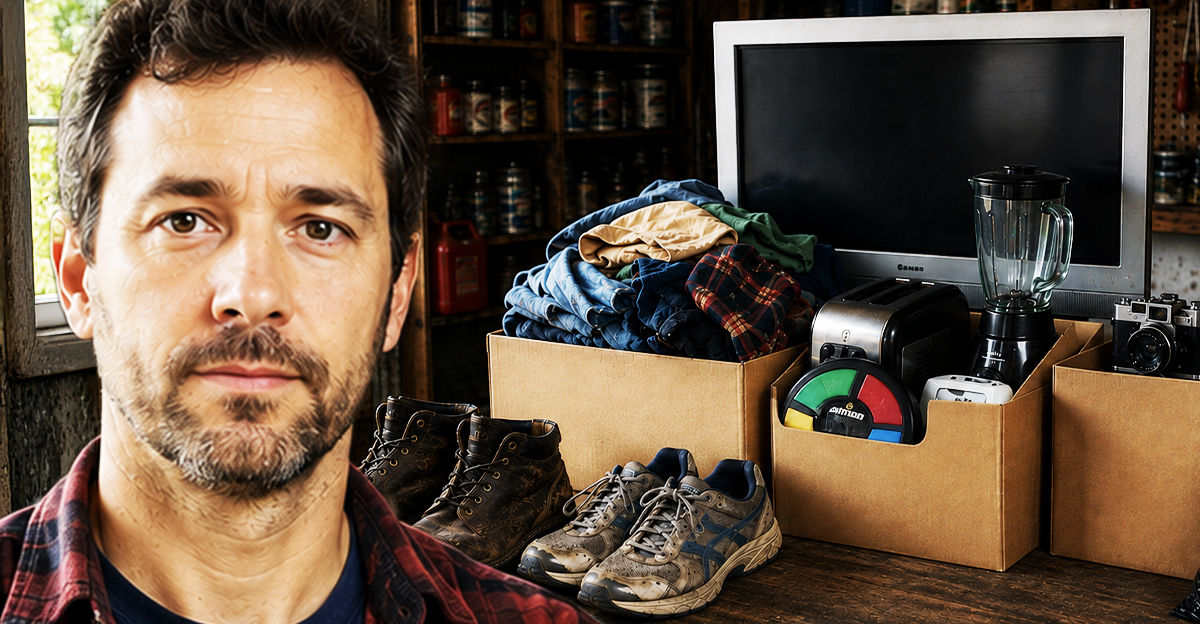
We Used To Fix Things
Americans once routinely repaired possessions that many households now replace at the first sign of trouble. Sometimes replacement genuinely makes financial sense, but rediscovering old-fashioned repair habits can save hundreds or even thousands of dollars over time, while keeping perfectly usable products out of the trash.
Shoes
Cobblers once kept good shoes going for years by replacing heels, stitching leather, and installing new soles. Repairing bargain sneakers rarely makes financial sense today, but spending $50 to $150 repairing quality footwear could postpone another $150 to $400 purchase and extend its useful life considerably.
 picture alliance, Getty Images
Socks
Darning socks sounds almost comically old-fashioned now, yet previous generations routinely repaired holes rather than buying another package. A needle and thread cost almost nothing. Repairing several pairs annually might save only $20 to $50, but the habit illustrates how countless small replacement purchases accumulate.

Clothing
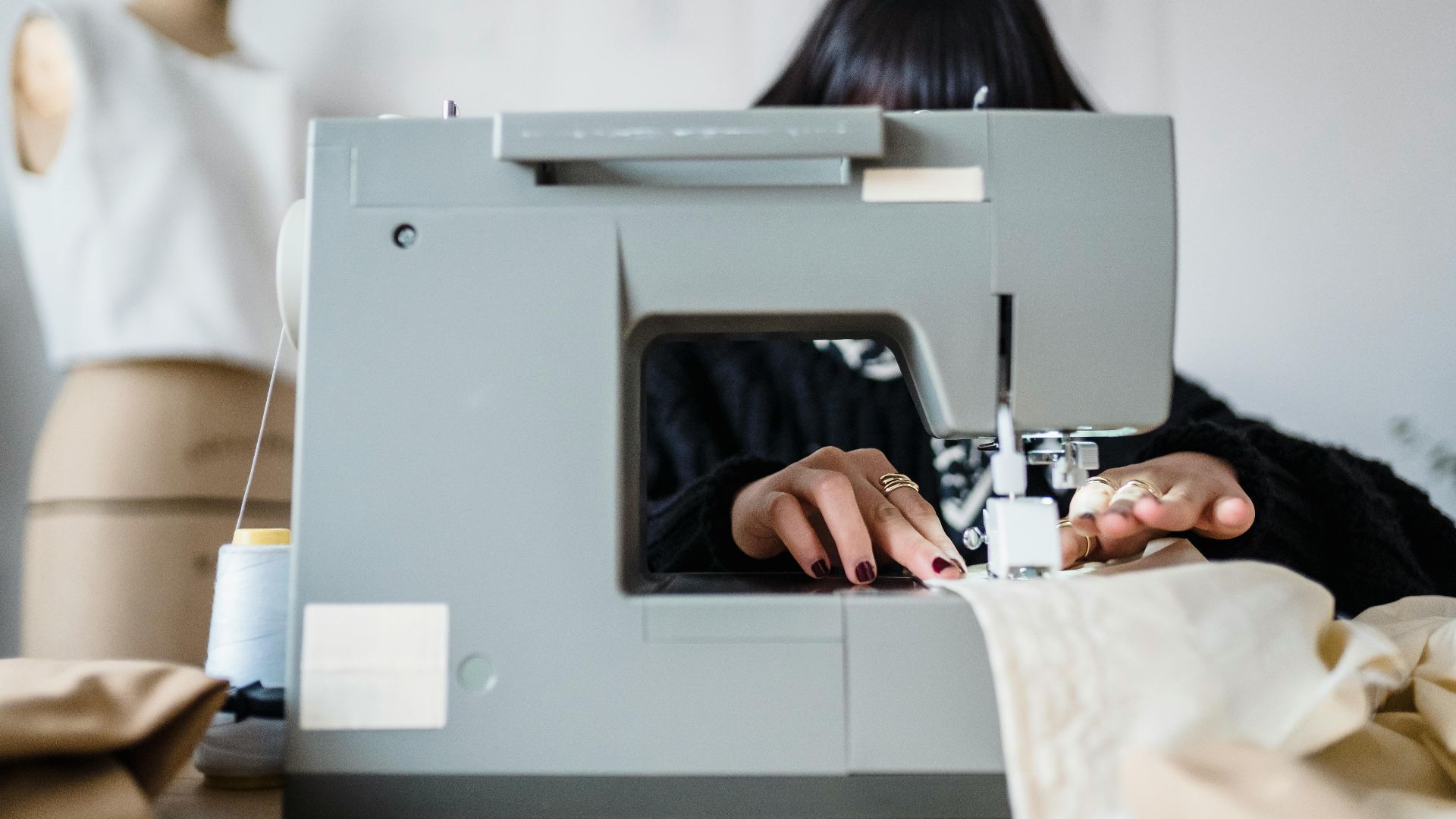
Missing buttons, torn seams, damaged knees, and small holes once meant getting out the sewing kit. Many repairs still cost just a few dollars if done yourself, while professional mending can start around $15 to $35. Saving several favorite garments could easily preserve hundreds of dollars annually.
Toasters
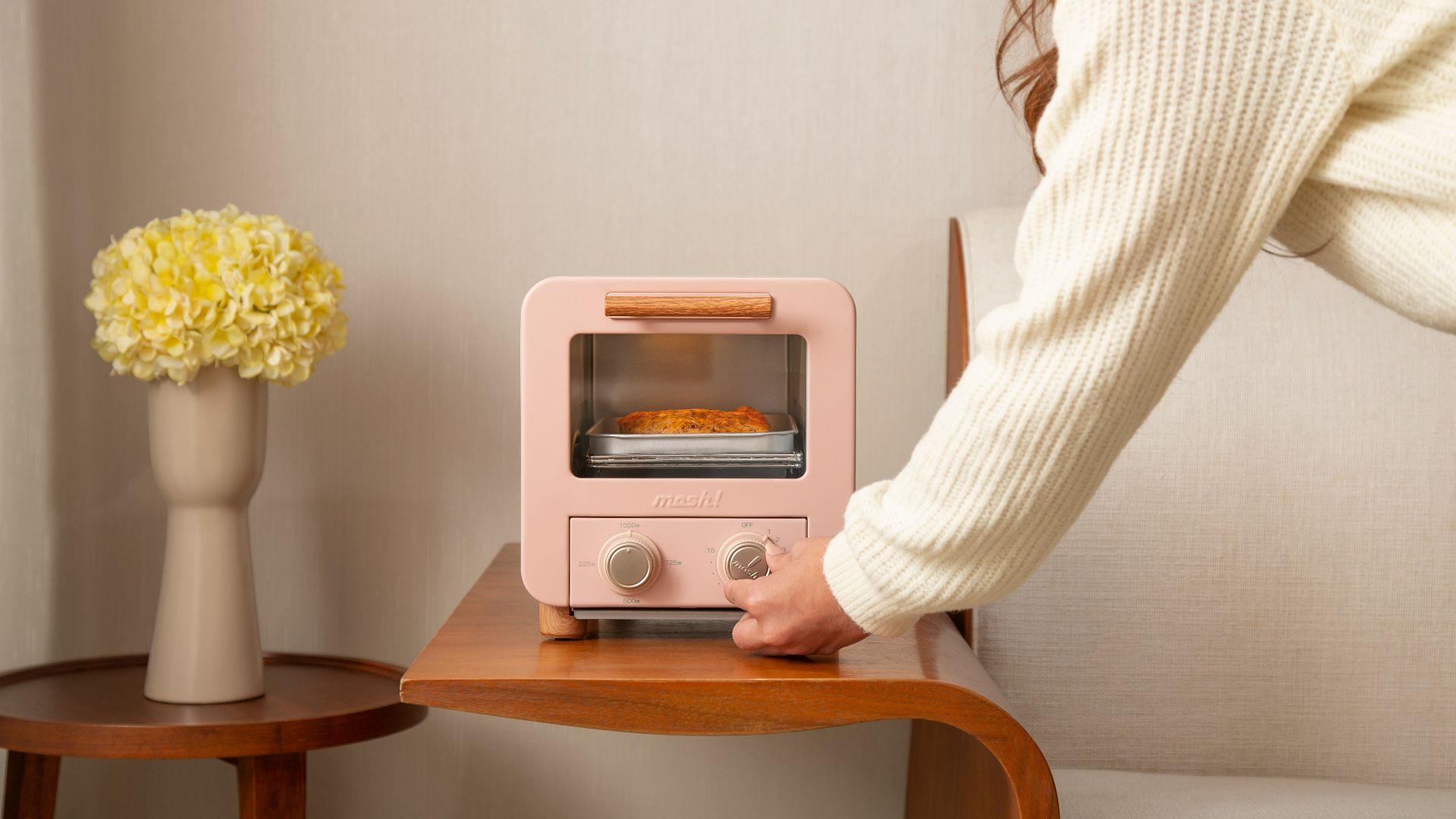
Older toasters were comparatively simple machines whose switches, wires, and heating elements could sometimes be replaced. Modern versions can be difficult or uneconomical to service. Still, cleaning crumbs, inspecting accessible components, and repairing a quality model can occasionally prevent another $30 to $150 purchase.
Blenders And Mixers
A failed switch, worn gear, damaged cord, or tired motor once sent a blender or mixer to the repair bench rather than the landfill. Repairing an expensive stand mixer can make particularly good financial sense when replacement might cost several hundred dollars, provided suitable parts remain available.

Coffee Makers
Before inexpensive countertop appliances became ubiquitous, people were more inclined to troubleshoot a coffee maker rather than immediately replace it. Descaling mineral buildup, cleaning valves, replacing seals, or repairing a cord can sometimes revive a machine and postpone another $50 to $300 purchase.

Vacuum Cleaners
Vacuum cleaners traditionally had replaceable belts, brushes, hoses, switches, filters, and even motors. Some still do. Before spending $150 to $600 on a replacement, check whether a $10 belt, washable filter, unclogged hose, or replacement battery can restore the machine you already own.

Televisions
The neighborhood TV repair shop was once an American institution. Modern flat screens are considerably harder to service, and replacing a damaged panel can be uneconomical. However, power supplies, circuit boards, and backlights can sometimes be repaired, potentially avoiding a replacement costing several hundred dollars.

Radios And Stereos
Radios, amplifiers, receivers, and record players were traditionally expected to be serviced. Quality vintage audio equipment remains repairable today, and fixing switches, capacitors, belts, or connections may cost far less than replacing an entire stereo system, particularly when the existing components were well made.

Smartphones
A cracked screen or exhausted battery does not necessarily require a $500 to $1,200 replacement phone. Battery and screen replacement can extend a smartphone's life substantially. Federal regulators have also challenged certain practices that unlawfully restrict consumers from choosing independent repair options.

Headphones
Traditional wired headphones could survive damaged plugs and cables because owners could replace or solder the failed connection. Wireless earbuds are considerably harder to repair. With larger headphones, however, replacing ear pads, cables, headbands, or batteries can still prevent another $50 to $400 purchase.

Watches
Americans once expected watches to be maintained for decades. Mechanical watches could be cleaned and serviced, while inexpensive repairs included new crystals, straps, batteries, and crowns. Maintaining a good watch may be considerably cheaper over time than repeatedly buying fashionable replacements every few years.

Furniture
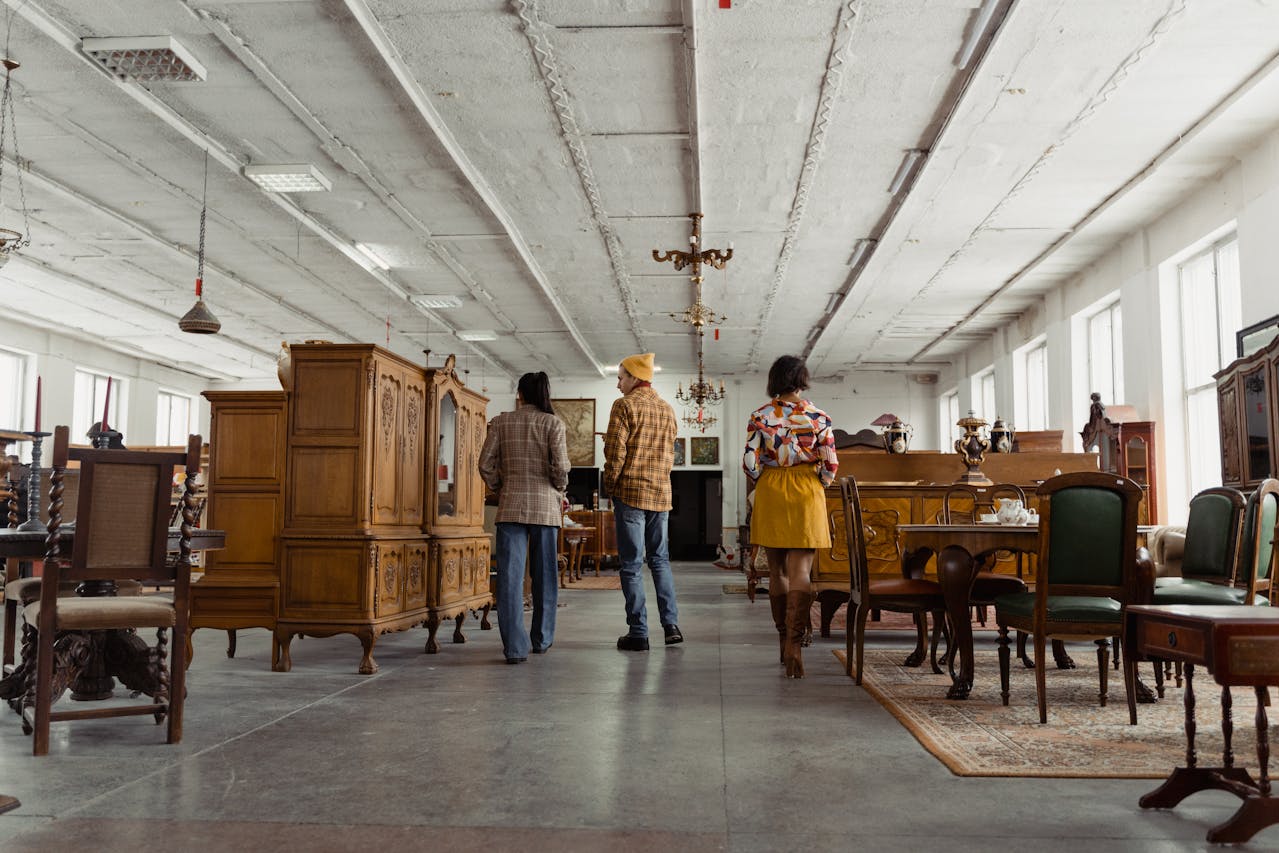
A loose chair leg once called for glue and clamps, not a trip to the furniture store. Professional furniture repairs currently average roughly $185, although costs vary considerably. When a quality table, dresser, or chair would cost hundreds or thousands to replace, restoration can be financially attractive.
Bicycles
Patching tubes, replacing brake pads, adjusting derailleurs, and lubricating chains were ordinary bicycle-owner skills. A basic professional tune-up commonly costs roughly $50 to $120 today. That can be considerably cheaper than abandoning a neglected bicycle and spending several hundred dollars on another one.
 https://kaboompics.com/, Pexels
Toys
Parents and grandparents once glued wooden toys, sewed stuffed animals, replaced wheels, and tightened loose screws. Modern electronic toys can be harder to fix, but simple mechanical repairs remain inexpensive. Saving even five $20 to $50 toys during childhood can keep meaningful money in a family's pocket.

Lamps
A failed switch or socket does not necessarily mean a lamp has reached the end of its life. Traditional lamps often use inexpensive replaceable electrical components. Repair can save a favorite fixture and avoid spending $50 to several hundred dollars replacing something whose base and shade remain perfectly usable.

Cameras
Film cameras were routinely serviced because cameras were significant investments. Digital technology changed the economics, but quality cameras and lenses can still justify repair. Cleaning contacts, replacing doors or batteries, or servicing mechanical components can preserve equipment that might otherwise cost hundreds or thousands to replace.

Cookware
Grandparents rarely discarded a cast-iron skillet because its surface looked rough. They cleaned and reseasoned it. Loose handles could also be tightened or replaced. Restoring quality cookware can cost almost nothing at home while avoiding replacement pots and pans that may cost $50 to several hundred dollars.

Luggage
A broken wheel or zipper can make a suitcase seem useless even though 95% of it remains perfectly functional. Previous generations commonly repaired stitching, handles, clasps, and hardware. Fixing quality luggage can be particularly worthwhile when a comparable new suitcase might cost $150 to $500 or more.

Costume Jewelry
A missing stone, broken clasp, or separated chain once meant a small repair rather than immediate disposal. Inexpensive costume jewelry may not justify professional restoration, but basic DIY jewelry supplies can rescue multiple pieces for a few dollars, reducing the steady expense of replacing fashionable accessories.

Books
Loose pages, torn covers, and separating bindings were once routinely repaired at home or professionally rebound. Repairing a $10 paperback probably makes little financial sense, but preserving reference books, expensive hardcovers, cookbooks, family Bibles, and collectible editions can avoid much larger replacement costs while retaining sentimental value.

Hand Tools
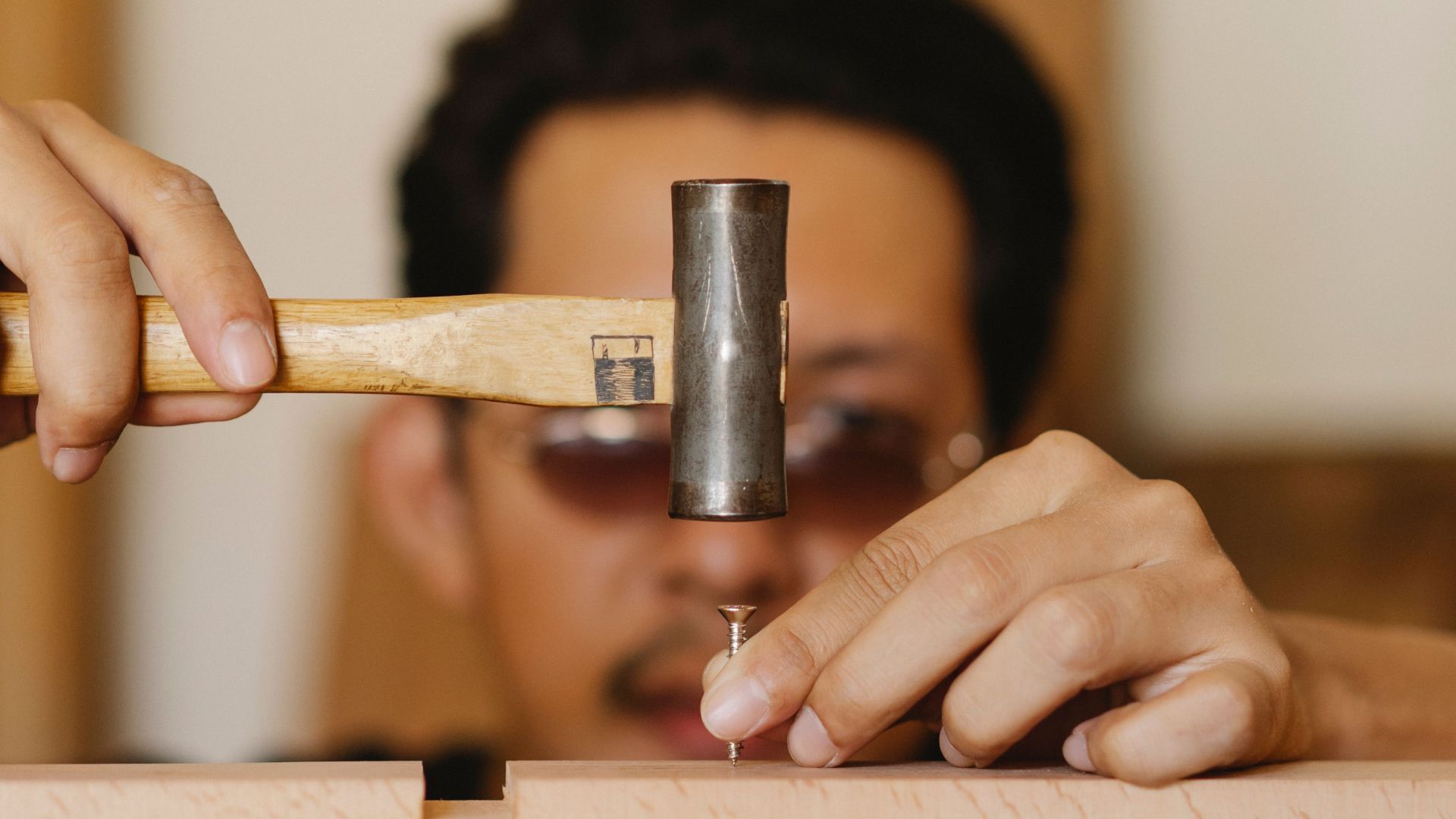
A good hammer did not become garbage because its wooden handle cracked. Owners simply fitted another handle. Files were cleaned, saws sharpened, and rusty tools restored. Maintaining quality hand tools can prevent repeated $20 to $100 purchases and leave you with equipment capable of lasting decades.
Power Tools
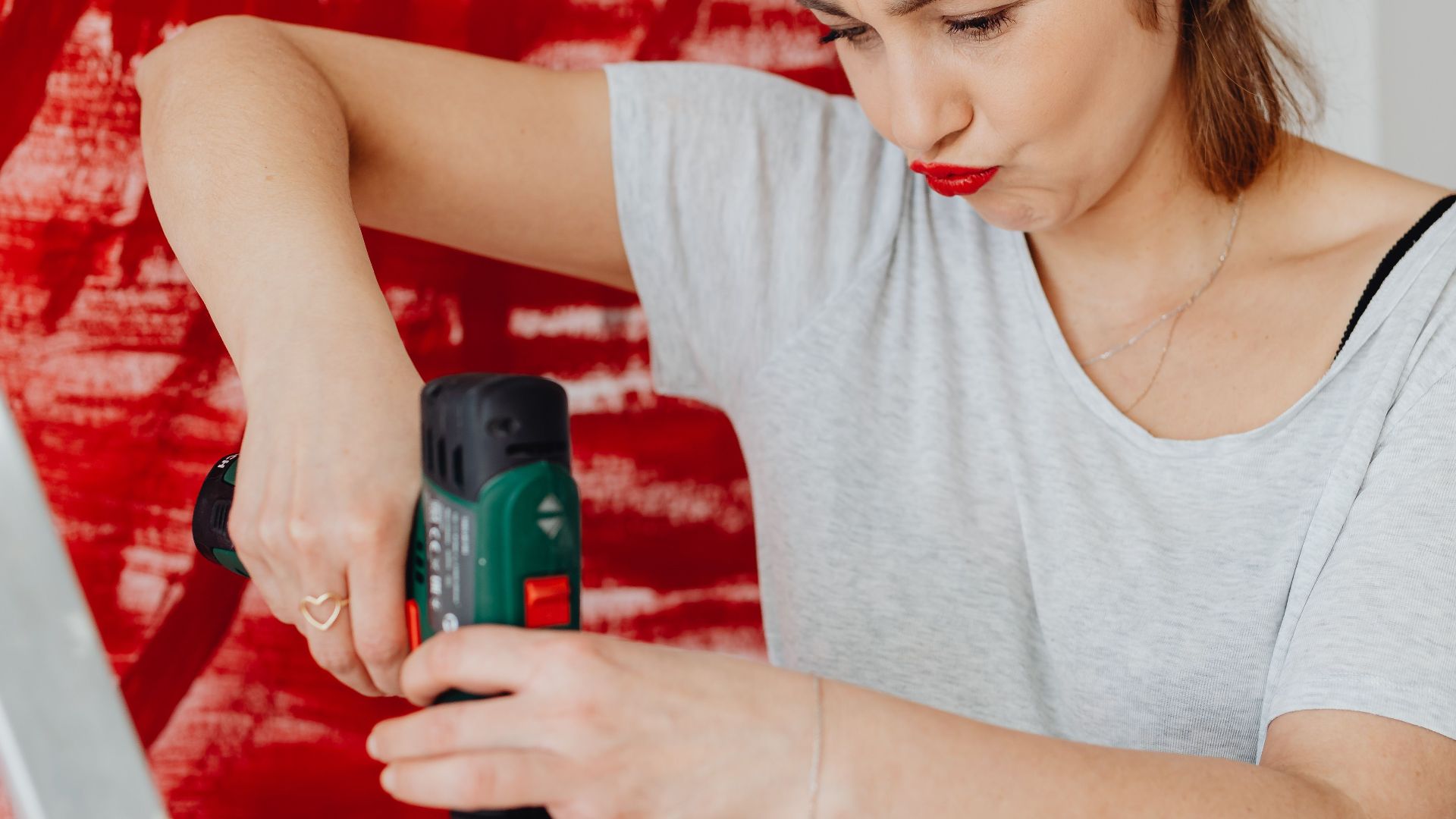
Drills and saws increasingly contain batteries and electronics, but many problems still involve replaceable brushes, switches, cords, bearings, or battery packs. Repairing a quality $200 to $500 tool can make excellent financial sense, especially compared with repeatedly buying inexpensive tools that are difficult to service.
 https://kaboompics.com/, Pexels
Major Appliances
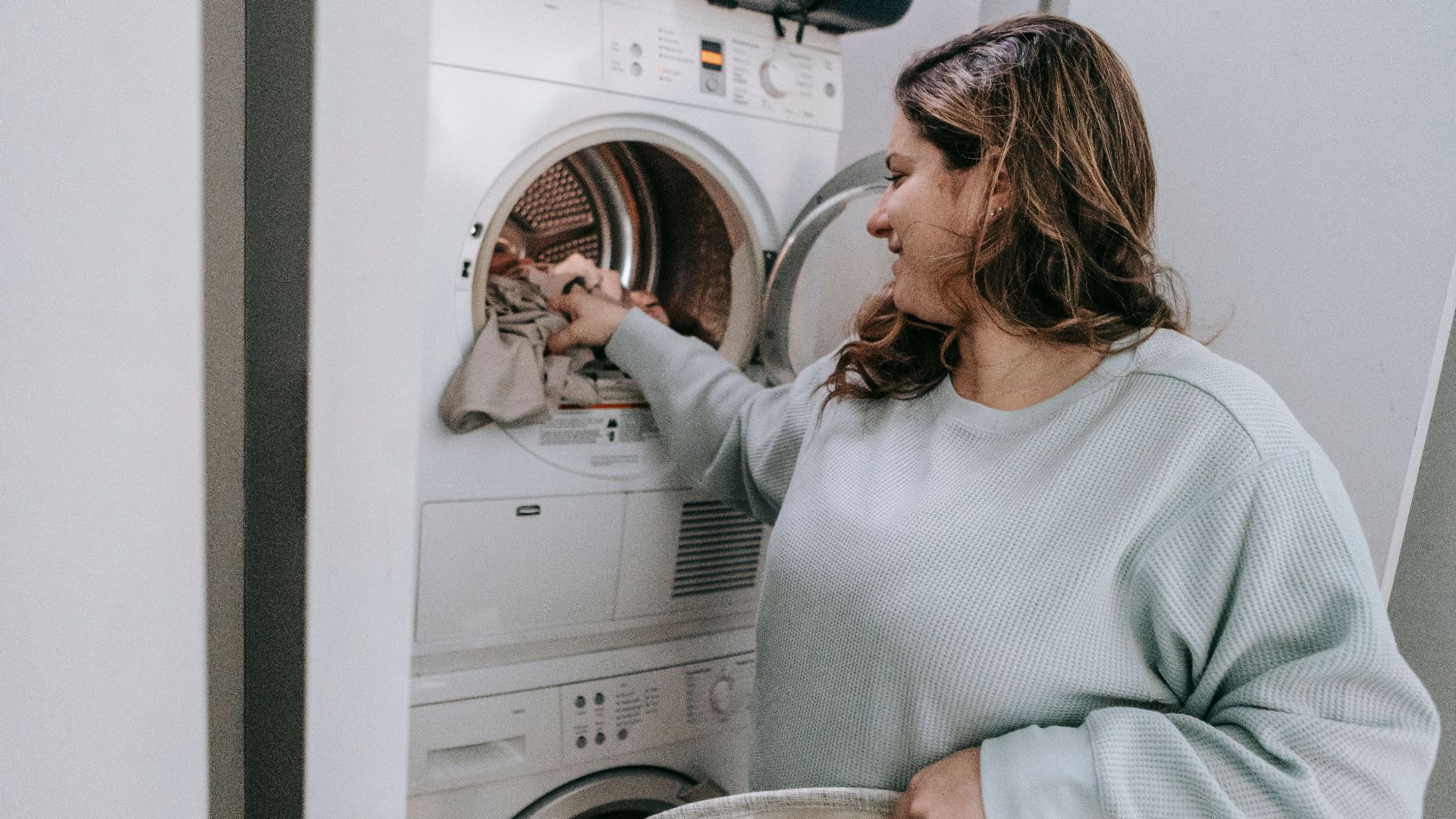
Washers, dryers, refrigerators, ranges, and dishwashers are among the strongest cases for investigating repair before replacement. A failed belt, pump, thermostat, heating element, or switch may cost hundreds to fix, but replacing a major appliance can easily cost $600 to $2,000 or considerably more.
Lawn Mowers
Previous generations expected to sharpen mower blades, replace spark plugs, clean carburetors, change oil, and repair pull cords. Many gasoline mowers remain remarkably serviceable. Spending $20 to $150 on maintenance or simple repairs can sometimes postpone a replacement mower costing several hundred dollars.

Cars
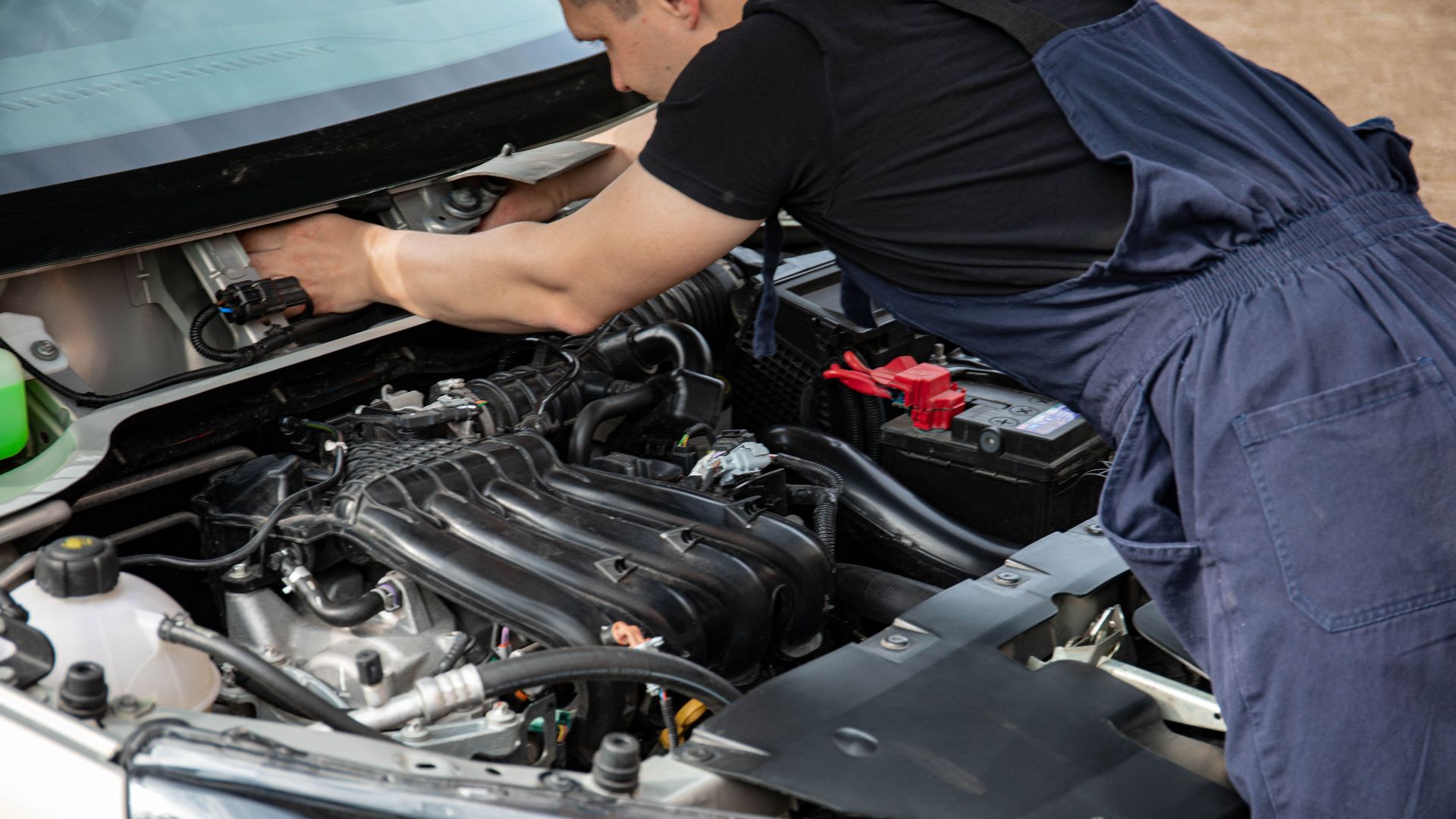
Perhaps nothing demonstrates repair culture better than the family automobile. Americans once replaced starters, alternators, water pumps, hoses, belts, exhaust components, and upholstery rather than replacing the vehicle itself. Keeping a reliable paid-off car longer can potentially save thousands annually in payments, depreciation, taxes, and insurance.
You May Also Like:
Collectors Items That Now Aren't Worth Beans
Sources: 1, 2, 3, 4, 5, 6, 7, 8, 9, 10, 11, 12, 13, 14, 15, 16