The Sale Sign Keeps Winning Before The Math Even Starts
The sign says “limited time,” and suddenly your cart is fuller than planned. The problem isn’t always careless shopping. Grocery promotions are designed to create urgency, and some of the loudest “deals” don’t save much at all. Here’s how to correct that.
“Limited Time” Doesn’t Automatically Mean “Lowest Price”
A temporary promotion simply means the retailer says the offer won’t last indefinitely. It doesn’t guarantee that the price is unusually low compared with previous weeks, competing stores, or a store-brand alternative. A sale is only valuable if the final price is actually good.

The Crossed-Out Price Can Be Distracting
Shoppers naturally compare the sale price with the larger “regular” price printed beside it. But that comparison doesn’t tell you what the item normally costs elsewhere or whether it was frequently discounted already. The FTC has long-standing guidance addressing deceptive comparisons with former prices, which is one reason it’s better to judge the price you’re paying rather than the size of the advertised markdown.

A Big Percentage Can Hide A Small Saving
“25% off” sounds dramatic, but on a $4 product it amounts to only $1. A smaller percentage discount on an expensive staple may save far more. Encourage your parent to look at actual dollars saved rather than letting the percentage make the decision.
Multibuy Offers Can Encourage Overspending
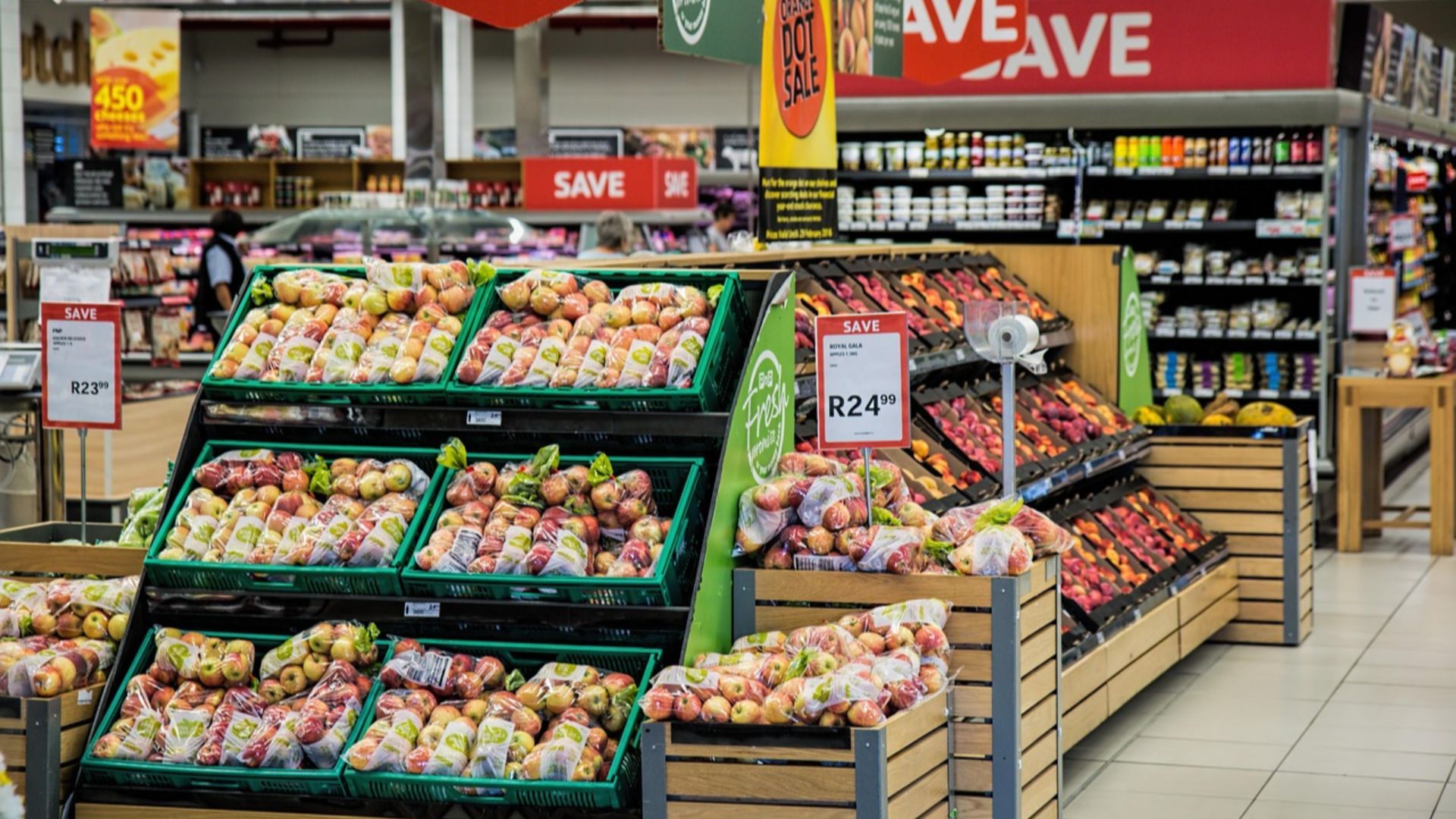
“Three for $10” may look better than $3.49 each, but buying three saves less than 50 cents overall. If they only need one, spending $10 instead of $3.49 isn’t really saving money. The question should always be, “Would I have bought this quantity without the sign?”
 Zamrznuti tonovi, Shutterstock
Check Whether You Really Need To Buy All Three
Some stores let customers receive the proportional discount even when an advertisement says “2 for $6” or “3 for $9". Others require the full quantity. Read the shelf tag instead of automatically putting multiple packages in the cart.

Unit Price Is Usually The Best Shortcut
The unit price shows what an item costs per ounce, pound, litre, count, or another standardized measure. That makes it possible to compare different package sizes and brands without being distracted by the total sticker price. AARP recommends unit pricing specifically because sale tags, package sizes, and coupons can otherwise make grocery comparisons confusing.

Teach Them One Simple Formula
If the shelf doesn’t show a unit price, divide the final price by the amount in the package. A $6 package containing 24 ounces costs 25 cents per ounce. They don’t need to calculate every product, but knowing the method helps with expensive staples they buy regularly.

Keep A Small Calculator Handy
A smartphone calculator works perfectly, but a basic pocket calculator may be easier if your parent doesn’t enjoy using apps in the store. AARP specifically suggests carrying a calculator when shelf unit pricing is missing or difficult to interpret.

Bigger Packages Aren’t Always Cheaper
Shoppers often assume the family size provides better value. Sometimes it does, but not always. Promotions on smaller packages can make them cheaper per unit, so check the shelf label before automatically reaching for the largest box.

Shrinkflation Makes Old Price Memories Unreliable
Your parent may remember that their favorite cereal has “always been around $5,” but the package may now contain less. The FTC recommends checking unit prices because shrinking packages can make a familiar price look better than it really is.

Create A Short Personal Price List
Write down the normal good price for ten or fifteen things they buy constantly, such as coffee, cereal, milk, butter, chicken, canned soup, toilet paper, and detergent. They don’t need to memorize the entire supermarket. A few benchmark prices can quickly expose a weak “limited-time” offer.

Make The List Large And Easy To Read
If small shelf labels are part of the problem, create a simple printed card with large text. For example: “Coffee: good price under $X per pound". That’s easier to use in a busy aisle than scrolling through a complicated spreadsheet.

Compare Against Store Brands
A name-brand product can be on sale and still cost more than the store-brand version beside it. Consumer Reports notes that private-label groceries are often less expensive while offering comparable quality. A promotional sign shouldn’t make the cheaper alternative invisible.

Don’t Assume The Store Brand Always Wins Either
The smartest rule isn’t “always buy generic". A coupon or genuine sale can occasionally make the national brand cheaper. Compare the final unit price and then choose the product they actually like.

Loyalty Prices Can Make The Shelf Harder To Read
One item may display a regular price, member price, digital coupon price, and multibuy price at the same time. That’s a lot of information for anyone to process quickly. Make sure your parent knows which price they personally qualify for before putting the product in the cart.

Digital-Only Deals Can Be Especially Frustrating
Many supermarkets now reserve some discounts for shoppers who load offers through an app or website. AARP has raised concerns that digital-only grocery coupons can disadvantage older shoppers who don’t have suitable devices or aren’t comfortable navigating those systems.
Help With The Technology Without Taking Over
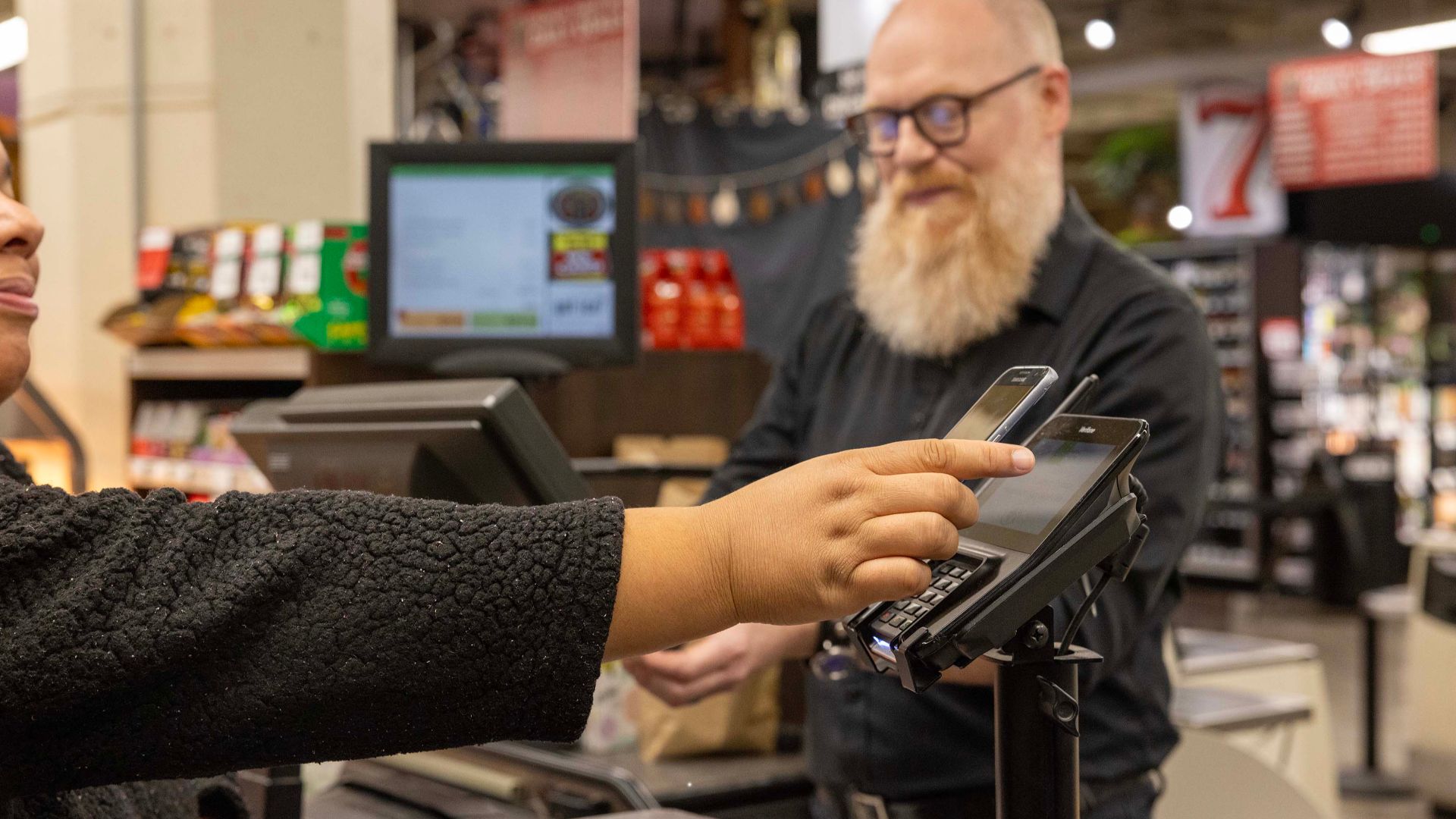
If your parent wants to use digital coupons, sit with them once and simplify the process. Bookmark the store app, save the login securely, and show them how to load the few deals they’ll actually use. Don’t turn grocery shopping into a technology lesson every week.

Check The Receipt Before Leaving
Sale prices and digital discounts don’t always apply as expected. Review the receipt near the store exit and compare it with the offers they intended to use. It’s much easier to correct a pricing problem immediately than after getting home.

Build The Shopping List Before Seeing The Flyer
Limited-time offers are most powerful when they create a new purchase. Make a list based on meals and household needs before looking at the weekly advertisement. Then use the flyer to lower the cost of items already on the list rather than letting it determine everything they buy.

A Sale Isn’t Useful If The Food Gets Thrown Away
Buying five containers of yogurt at a low price isn’t economical if two expire. The same applies to produce, bread, meat, and refrigerated products. AARP and Consumer Reports both recommend reducing waste as an important part of controlling grocery costs.

Stock Up On Products That Actually Store Well
Genuine sales are useful for canned foods, rice, pasta, frozen vegetables, coffee, paper products, and other items with long usable lives. NerdWallet recommends stocking up strategically when prices are genuinely low, rather than buying indiscriminately.

Know The Difference Between A Bargain And A Stockpile
Ten discounted jars of sauce may technically be cheap per jar, but that doesn’t mean your parent needs ten of them. Decide how much storage space is reasonable and how quickly the household uses each product. A good price can still create unnecessary spending.
 Flickr, U.S. Department of Agriculture
Learn The Store’s Sale Cycle
Many grocery products go on promotion repeatedly. If the same coffee seems to be discounted every few weeks, the “limited-time” language becomes much less intimidating. NerdWallet recommends learning sale cycles so shoppers can recognize when it’s worth stocking up and when another discount is likely to come around.

Compare More Than One Store Occasionally
You don’t need to visit five supermarkets every week. Once every few months, compare the cost of a typical basket at nearby stores. Consumer Reports has found meaningful price differences between grocery chains, so changing stores can sometimes save more than chasing dozens of individual promotions.

Check Senior Discounts
Some supermarkets offer discounts to older shoppers on specific days or at certain locations. AARP maintains information on chains that offer senior savings, although participation can vary by store. A predictable 5% discount on a planned basket may be more useful than chasing flashy weekly deals.

Don’t Make Them Feel Gullible
Telling your parent they keep “falling for tricks” may make them defensive and less willing to listen. Try, “These tags are confusing. Let’s compare the unit price and see which one is actually cheaper". The problem is the pricing strategy, not their intelligence.
Shop Together Once Or Twice
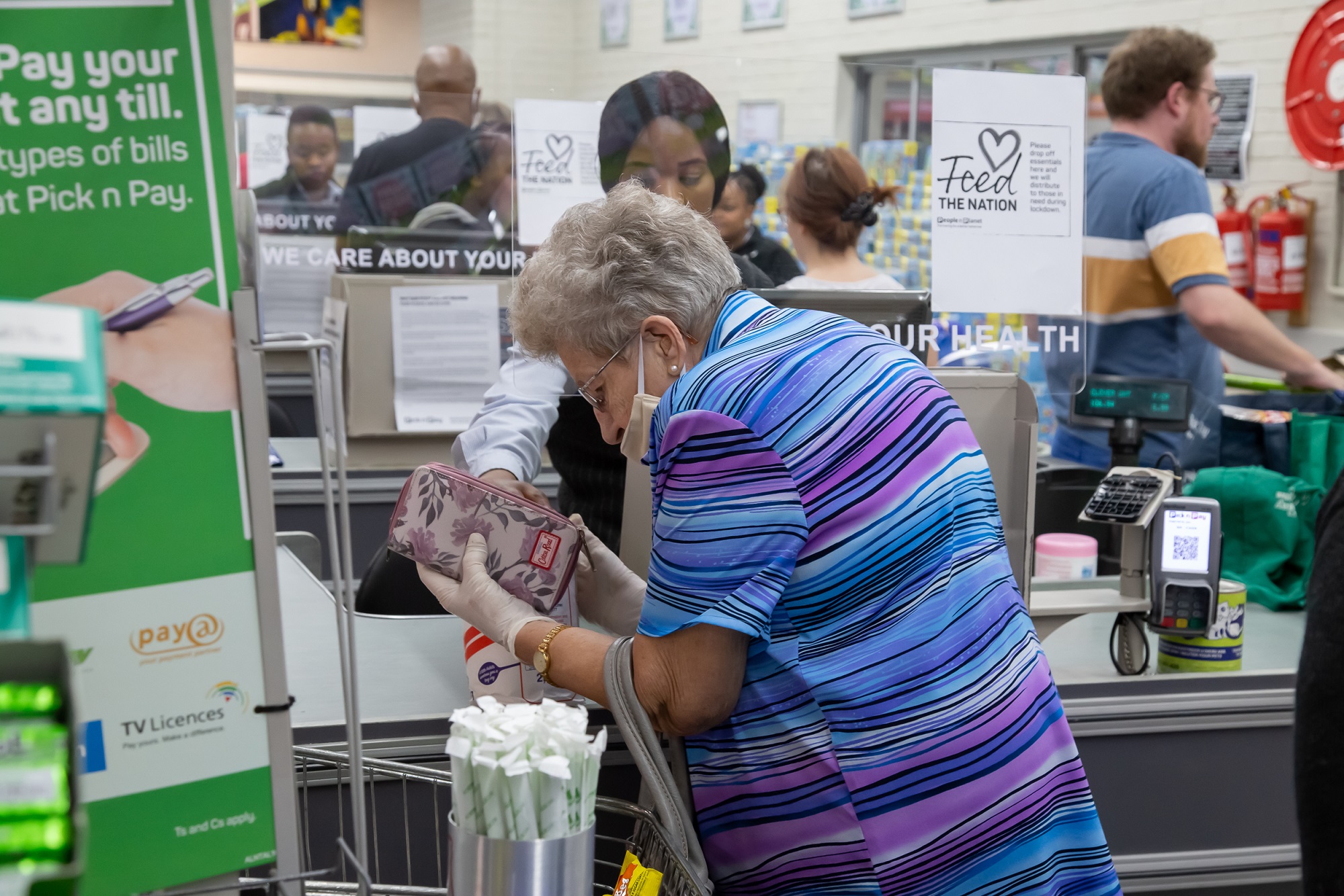
Walk through a normal grocery trip and compare a few products together. Let them make the final choice after you show them where the unit price, loyalty requirement, and package size appear. The goal is to build confidence, not create dependence.
 Centre for Ageing Better, Unsplash
Give Them Three Questions To Remember
When they see a limited-time offer, have them ask: “Do I need it? Is the unit price actually lower? Will I use all of it?” Those three questions eliminate a surprising number of bad deals without requiring complicated calculations.

A Real Deal Should Survive A Few Seconds Of Scrutiny
Grocery promotions work partly because they encourage fast decisions. Your parent doesn’t need to become a coupon expert to shop effectively. A short price list, unit-price comparisons, a prepared shopping list, and a willingness to ignore manufactured urgency can do most of the work. Help them build those habits without taking away their independence, and the words “limited time” will start feeling less like a command and more like what they really are: an advertisement.

You May Also Like: