 Alena Darmel, Pexels, Modified
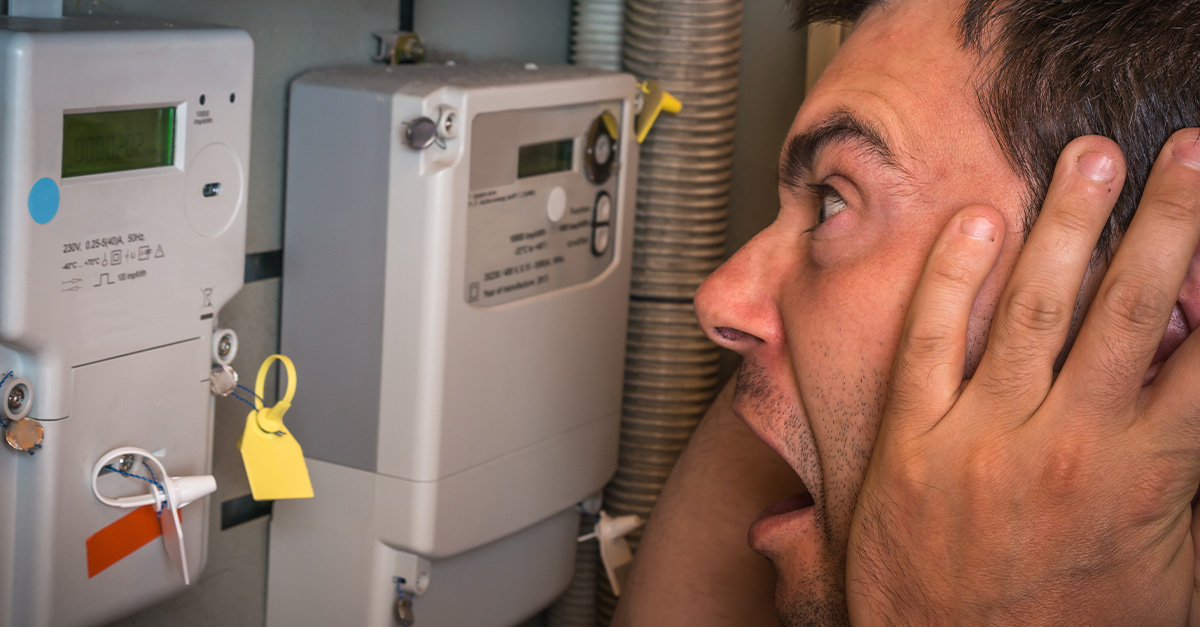
Managing rental properties sounds simple until you're dealing with midnight maintenance calls, late rent payments, and tenant disputes that eat up entire weekends. What started as a solid investment strategy can quickly turn into an exhausting second job nobody signed up for. The frustration is real, and it's pushed plenty of landlords to consider either handing the reins to a professional property manager or selling off the portfolio entirely. Both options solve the immediate headache but come with totally different financial implications and long-term consequences. Understanding what each path actually costs and delivers helps make a decision based on numbers rather than just exhaustion.
What Property Management Actually Costs And Delivers
Hiring a property manager usually costs around 8–12% of your monthly rental income, with fees shifting based on where the property is and what kind it is. That percentage covers tenant screening, rent collection, maintenance coordination, and handling complaints or emergencies at any hour. Some companies add fees for lease renewals or coordinating major repairs, so understanding the complete fee structure matters before signing any agreement. The expense eats into cash flow immediately, reducing monthly profits by hundreds or even thousands. The value proposition depends entirely on how you spend time currently consumed by management tasks.
Property managers also bring expertise in local rental laws, eviction procedures, and compliance requirements that amateur landlords frequently mess up. Their established vendor relationships often mean faster and cheaper repairs than what you'd arrange yourself through random Google searches or Craigslist posts at midnight. However, surrendering control means accepting their standards for tenant selection and property maintenance. Quality varies dramatically across management companies, making thorough vetting essential before handing over your keys. So, request references from current clients and verify proper licensing in your state. Also, ask specific questions about their tenant screening process and how they handle maintenance emergencies when pipes burst at 2 am or the AC dies during a heat wave.

Selling Means Different Financial Outcomes
Liquidating rental properties generates immediate capital but eliminates ongoing passive income streams forever. Current real estate market conditions heavily influence whether selling makes sense financially. Strong appreciation since purchase means substantial profits even after capital gains taxes, while flat or declining values might result in losses that negate years of rental income. Calculate actual returns, including all expenses, vacancy periods, and maintenance costs, to understand whether these properties have truly performed as expected or just felt profitable. Market timing also matters immensely, but remains notoriously difficult to predict accurately.
Beyond market performance, another critical factor when selling investment real estate is taxation. Capital gains taxes consume 15–20% of profits for most investors, and depreciation recapture adds another layer of taxation on previously deducted amounts. The 1031 exchange provision allows deferring taxes by rolling proceeds into new investment properties within strict timelines, though this just postpones rather than eliminates the tax burden. High-income investors face an additional net investment income tax that further reduces actual proceeds. Running detailed projections with a tax professional reveals the real after-tax cash you'd actually receive versus the gross sale price.
Making The Decision That Actually Fits
Start by calculating the exact time these properties demand each month. Track hours spent on tenant communication, maintenance coordination, showing units, and administrative tasks for a couple of months. Multiply this by a reasonable hourly rate representing your time's value to see what management truly costs. If the number exceeds management fees comfortably, hiring help makes financial sense. Consider your long-term investment goals beyond current frustration, though. Rental properties provide inflation-hedged income and wealth building through appreciation and mortgage paydown over decades. Selling converts this into cash, requiring reinvestment elsewhere to maintain growth. So, if exhaustion stems from one particularly difficult tenant or problem property rather than the entire concept, selective selling might resolve issues without abandoning everything. You can also try property management on a trial basis before making irreversible selling decisions. Most companies offer month-to-month agreements or short initial contracts that let you evaluate whether professional management solves your problems without permanent commitment.