
Can You Really Write Off A Swimming Pool If Your Doctor Says You Need To Swim?
Recovering from a car accident can come with unexpected advice. Doctors and physical therapists often recommend swimming because it’s gentle on injured muscles and joints while still helping rebuild strength. But once you hear that aquatic therapy is part of your recovery, another question sometimes pops up: what if you installed a pool at home? Considering how expensive pools can be, it’s not surprising that people wonder whether the cost could count as a medical deduction on their taxes. Surprisingly, U.S. tax law doesn’t automatically rule it out—but the reality is more complicated than most people expect.

Why Swimming Is Often Prescribed After Injuries
Swimming and aquatic therapy are widely used in injury rehabilitation. Water reduces the body’s weight load, allowing people with joint, spine, or muscle injuries to exercise without heavy impact. For patients recovering from car accidents, this can be extremely helpful for rebuilding mobility and strength. Many doctors recommend swimming because it combines gentle movement with resistance, making it ideal for physical therapy.

When The Tax Question Comes Up
Once someone hears swimming is part of their treatment, practical questions follow. Not everyone lives near a public pool or rehabilitation center, and frequent trips can be inconvenient. For homeowners with space, installing a backyard pool can seem like a tempting solution. That’s when the tax question appears: if swimming is medically necessary, could a private pool qualify as a medical expense deduction?

Understanding Medical Expense Deductions
The IRS allows taxpayers to deduct certain medical expenses if they exceed a specific percentage of adjusted gross income. These expenses must be primarily for diagnosing, treating, or preventing a medical condition. Qualifying costs can include doctor visits, medications, medical equipment, and some home improvements made for medical purposes. However, the IRS carefully evaluates anything that could double as a lifestyle upgrade.

When Home Improvements Can Be Deductible
Some home modifications qualify as medical expenses when they are necessary for health or accessibility. Examples include wheelchair ramps, widened doorways, stair lifts, or accessible bathroom renovations. These changes are typically allowed because they directly accommodate a medical condition or disability. The IRS focuses heavily on whether the improvement is medically necessary rather than simply convenient.

The Swimming Pool Question
The idea of deducting a swimming pool sounds almost too good to be true. Surprisingly, the IRS has acknowledged that pools can qualify as medical expenses in certain circumstances. However, those circumstances are extremely limited. The taxpayer must prove the pool was installed primarily for medical care and not for personal enjoyment.

When A Pool Might Qualify
For a swimming pool to potentially qualify, it must be prescribed by a physician as treatment for a specific medical condition. Additionally, the pool must be used mainly for therapy rather than recreation. If the installation clearly serves a medical purpose, it may fall under IRS rules for medical capital expenses.

The Importance Of A Doctor’s Prescription
Documentation is essential for any unusual medical deduction. The IRS generally expects a written recommendation from a physician explaining why aquatic therapy is medically necessary. A casual suggestion from a trainer or therapist likely wouldn’t be enough to support the claim during a tax review.

Why The IRS Looks Closely At These Claims
Swimming pools are considered luxury items in most situations. Because of that, the IRS is cautious when taxpayers attempt to claim them as medical deductions. The agency’s main concern is whether the pool was truly installed for medical treatment or whether the medical justification is being used to offset a personal upgrade.

The “Primary Purpose” Test
The IRS typically evaluates whether the pool’s primary purpose is medical therapy. If the pool appears designed mainly for recreation—with diving boards, decorative features, or entertainment areas—it will be difficult to argue it is medical equipment. A smaller therapy-focused pool is more likely to support the claim.

Therapy Pool Versus Backyard Feature
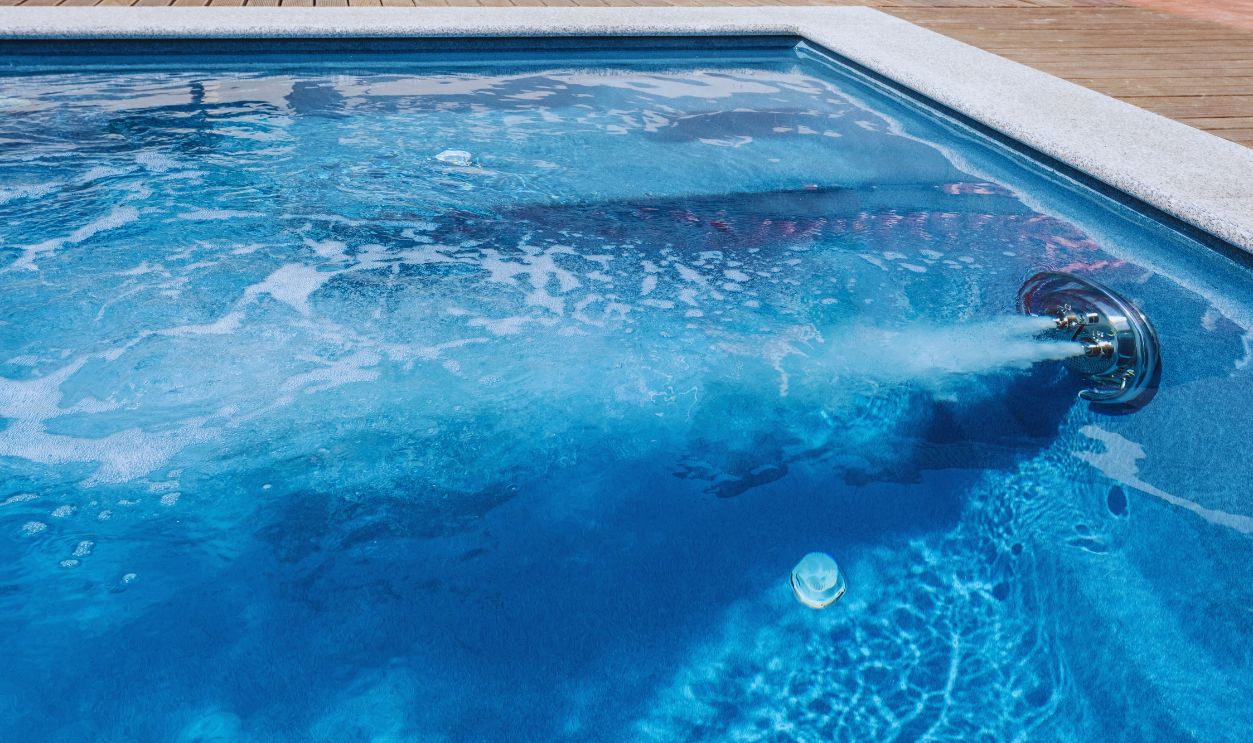
Pools designed for rehabilitation sometimes include special features like resistance jets, handrails, shallow therapy areas, or warm-water systems. These design elements can help demonstrate that the installation serves a medical purpose. A basic backyard pool designed for leisure rarely meets that standard.
The Property Value Rule
Another important IRS rule involves property value. If a home improvement increases the value of your property, only the portion of the expense that exceeds that increase may be deductible. For example, if a therapy pool costs $70,000 but raises your home’s value by $50,000, only $20,000 might qualify as a medical deduction.

Maintenance Costs Can Be Complicated
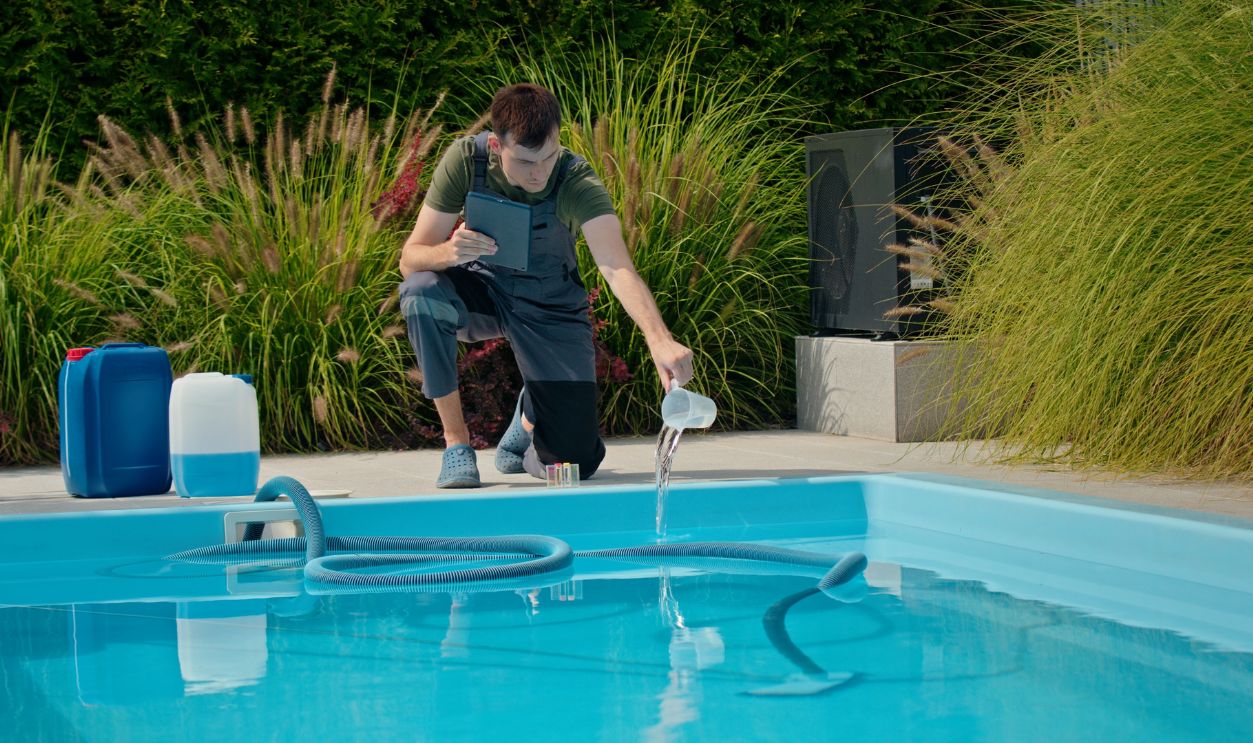
Pools come with ongoing costs such as heating, cleaning, chemicals, and repairs. If the pool itself qualifies as a medical expense, some maintenance costs may also be deductible. However, these claims require careful documentation and must clearly relate to the pool’s medical use.
 StockMediaSeller, Shutterstock
What IRS Publications Say
IRS Publication 502 discusses medical and dental expenses that may qualify for deductions. It specifically mentions that capital improvements made for medical care may qualify in some cases. While swimming pools are not common examples, the same rules apply if the improvement is primarily for medical treatment.

Rare But Real Tax Court Cases
There have been cases where taxpayers successfully deducted swimming pools as medical expenses. In these situations, the taxpayers had strong medical documentation and the pool was designed specifically for therapy. Courts tend to examine whether the installation truly functioned as medical equipment.

Why Most Claims Fail
Despite those rare examples, most pool deductions do not succeed. The IRS often rejects claims when the pool appears recreational or when the taxpayer cannot prove consistent medical use. The bar for approval is extremely high, which is why this deduction is rarely claimed successfully.

Large Deductions Can Trigger Attention
Any unusually large medical deduction can draw attention from the IRS. Claiming tens of thousands of dollars for a swimming pool is likely to raise questions during a review. Taxpayers who attempt this deduction should be prepared to provide strong evidence supporting the medical necessity.

Documentation You Would Need
To defend a claim like this, taxpayers would likely need several forms of documentation. These may include a physician’s written prescription, proof of medical necessity, detailed construction records, and evidence showing the pool is primarily used for therapy rather than recreation.

Easier Medical Deductions Exist
Fortunately, many legitimate medical expenses are easier to deduct. Physical therapy sessions, medical equipment, rehabilitation programs, and prescription treatments typically qualify without controversy. These expenses are far less likely to raise concerns during tax filing.

Insurance Coverage May Help
Many health insurance plans cover physical therapy or rehabilitation services after an injury. Some plans even include aquatic therapy programs offered through rehabilitation centers. Using insurance-supported therapy can be far simpler than attempting to justify a private therapy pool.

Community Pools And Rehab Centers
Many rehabilitation clinics and community fitness centers offer aquatic therapy programs led by trained professionals. These facilities provide specialized equipment and structured therapy sessions. The cost of attending these programs may qualify as medical expenses without the complications of installing a pool.

Situations Where A Home Pool Might Make Sense
There are rare circumstances where a home therapy pool could genuinely be necessary. For example, a patient with severe mobility limitations may struggle to travel to therapy facilities. In those cases, a medically designed pool at home might reasonably support ongoing treatment.

The “Too Good To Be True” Tax Rule
Any tax strategy that sounds like a secret loophole should be approached carefully. Tax laws are usually stricter than internet rumors suggest. While unusual deductions sometimes exist, they typically require very specific conditions and extensive documentation.

Why Professional Advice Matters
Anyone considering a large medical deduction should consult a qualified tax professional. A CPA or tax advisor can explain IRS rules, evaluate whether the claim is realistic, and help prepare proper documentation. Professional guidance can prevent costly mistakes or audit issues.

The Reality Of Pool Tax Deductions
So can you deduct a swimming pool because your doctor told you to swim? Technically, yes—but only in extremely narrow situations where the pool is medically necessary and primarily used for therapy. For most taxpayers, a backyard pool will still be considered a personal luxury.
 National Cancer Institute, Unsplash
Final Thoughts On Recovery And Taxes
Recovering from a car accident should focus on health first, not complicated tax strategies. Swimming is an excellent rehabilitation exercise, but installing a pool rarely qualifies as a tax deduction. Most people will find it far simpler to pursue aquatic therapy at existing facilities rather than relying on a rare IRS exception.

You May Also Like: