The Grocery Cart Changed Before We Noticed
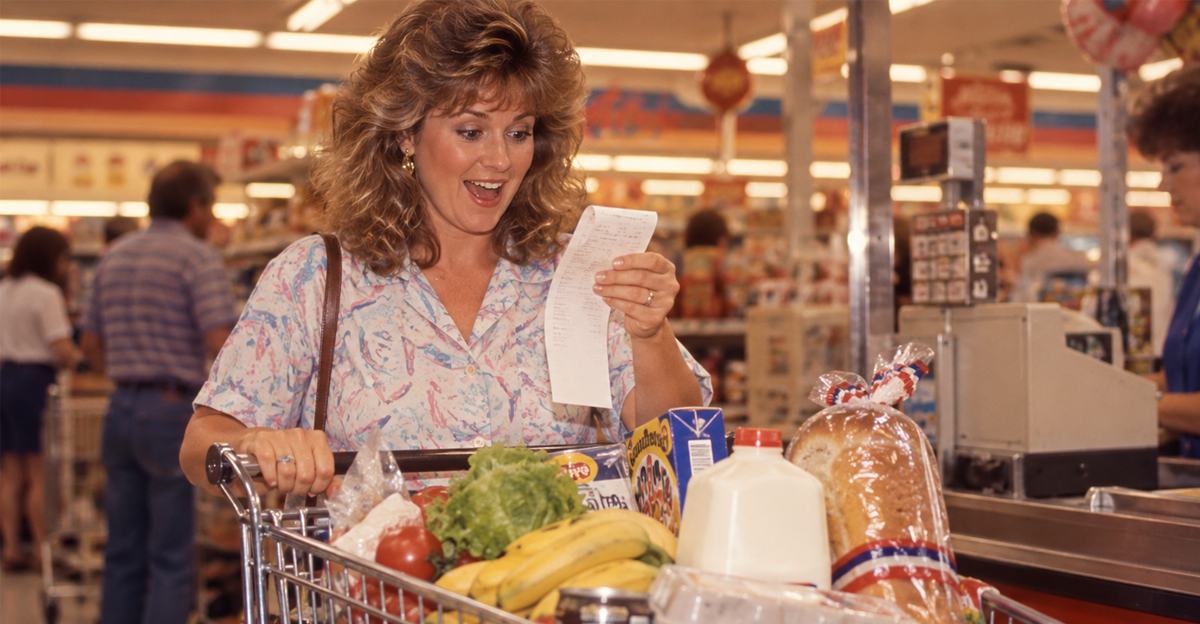
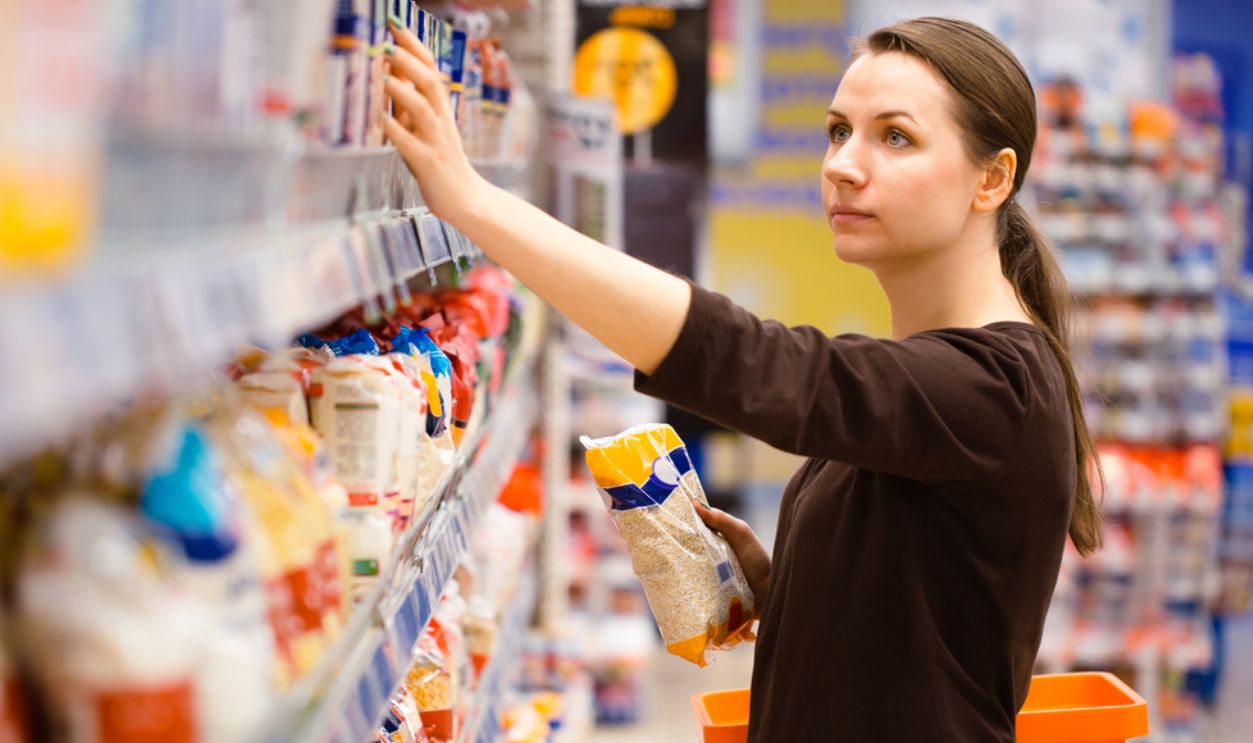
There was a time when families tossed these products into the cart without thinking twice. Then prices climbed, packages shrank, and suddenly ordinary staples started feeling like splurges. Grocery inflation has cooled, but many prices never returned to where they were before 2020. Now shoppers are switching brands, buying less, or skipping things they once considered automatic.
Ground Beef
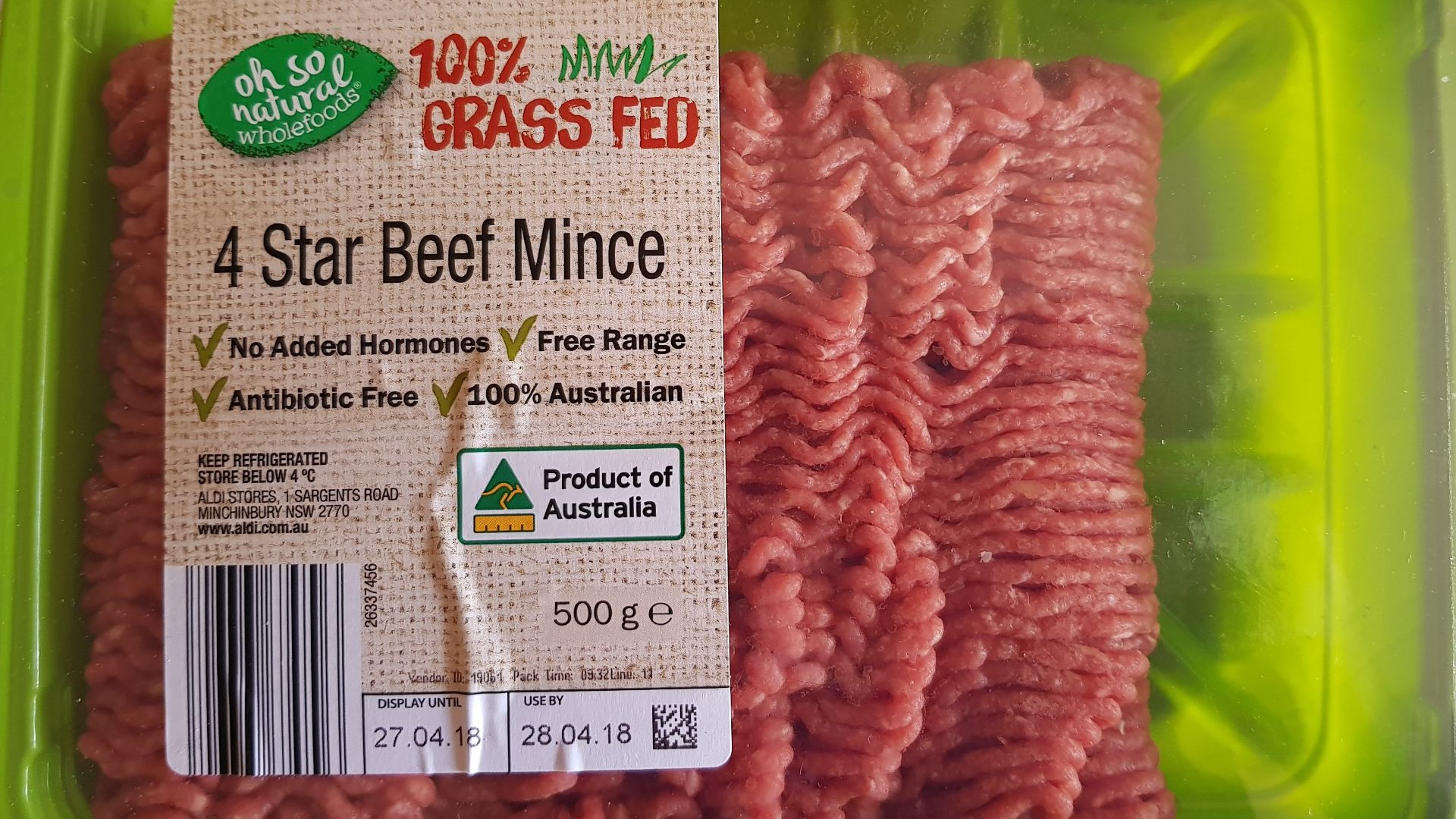
Ground beef used to be the easy answer for burgers, tacos, and meatloaf. In August 2026, prices were 7.2% higher than a year earlier, while beef and veal overall were up 5.9%. USDA has linked high beef prices to tight cattle supplies. Chicken, beans, or lentils can stretch the same dinner budget further.
 Maksym Kozlenko, Wikimedia Commons
Steaks And Roasts
The jump is even harder to ignore once shoppers move beyond hamburger. Beef roast prices were 8.4% higher in August 2026 than a year earlier, while steak prices were up 4%. USDA expects tight cattle supplies to keep pressure on beef prices. For many households, steak night now makes more sense when there is a sale.
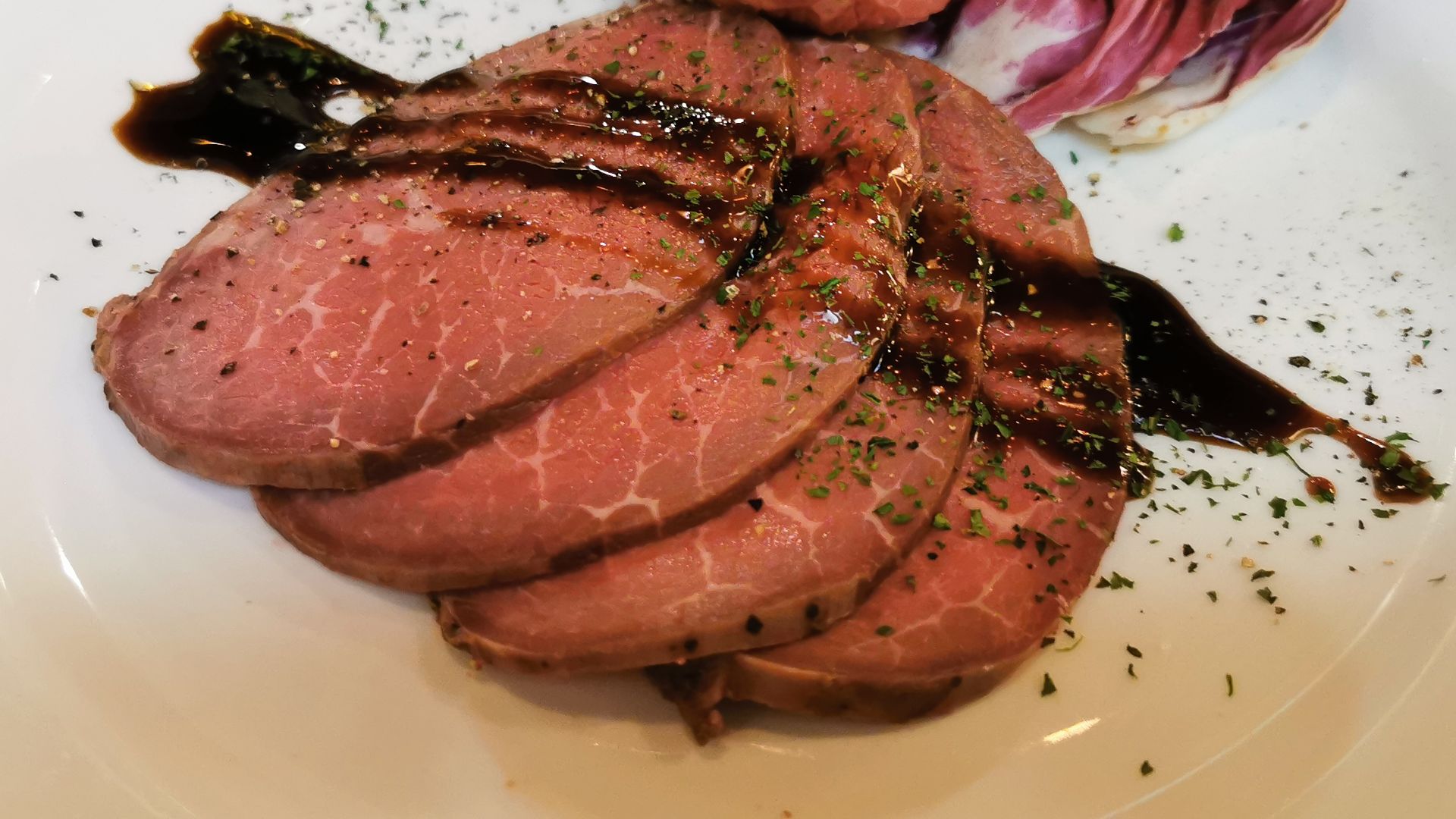 Akahito Yamabe, Wikimedia Commons
Seafood
Fish can be a healthy alternative to meat, but it is not always a cheap one. Fish and seafood prices were 6.5% higher in August 2026 than a year earlier, while frozen seafood was up 8.2%. USDA also expects seafood prices to keep rising faster than their historical average. Comparing fresh, frozen, and canned options can make a noticeable difference.
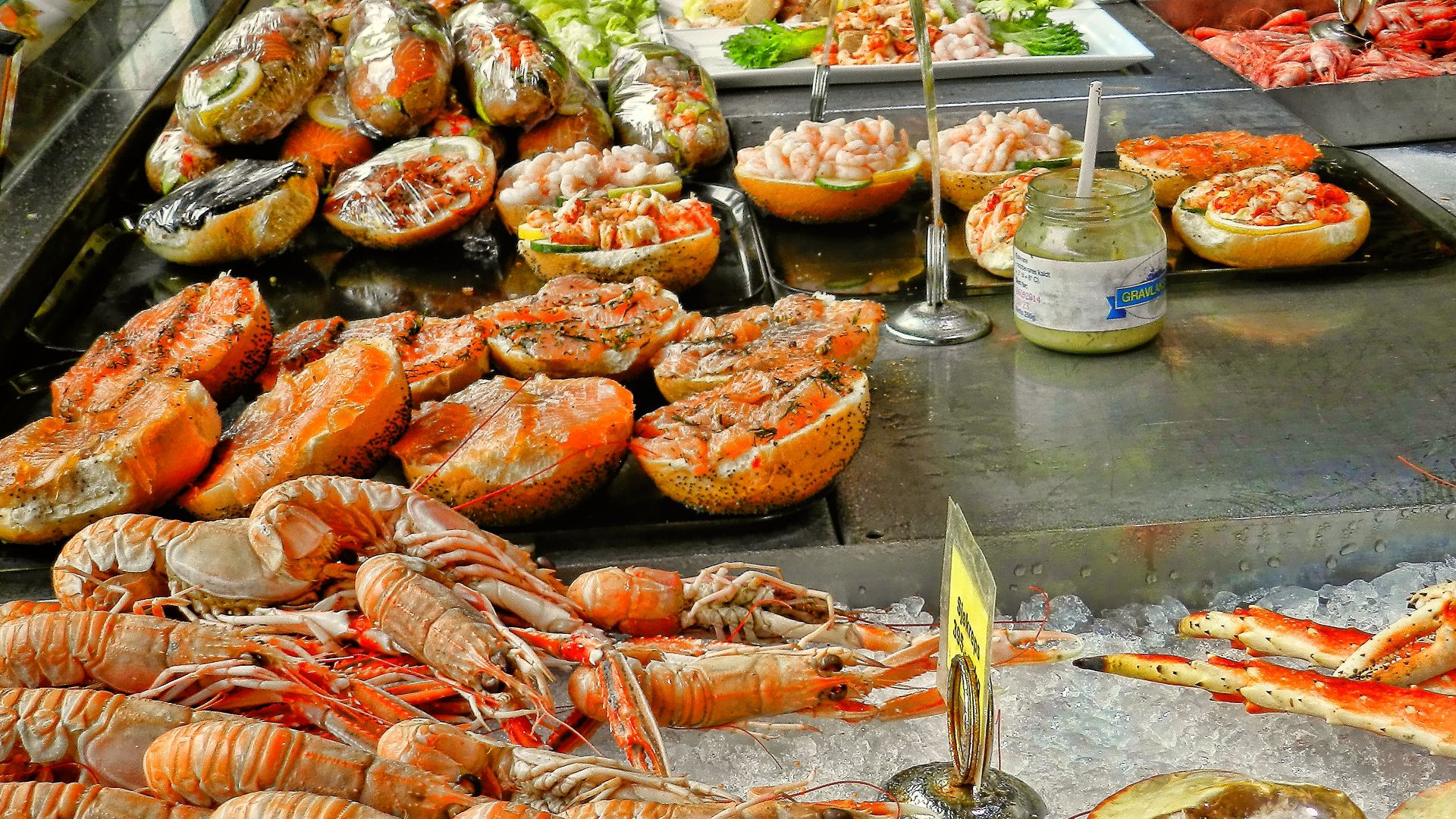 Wayang Putra, Wikimedia Commons
Eggs
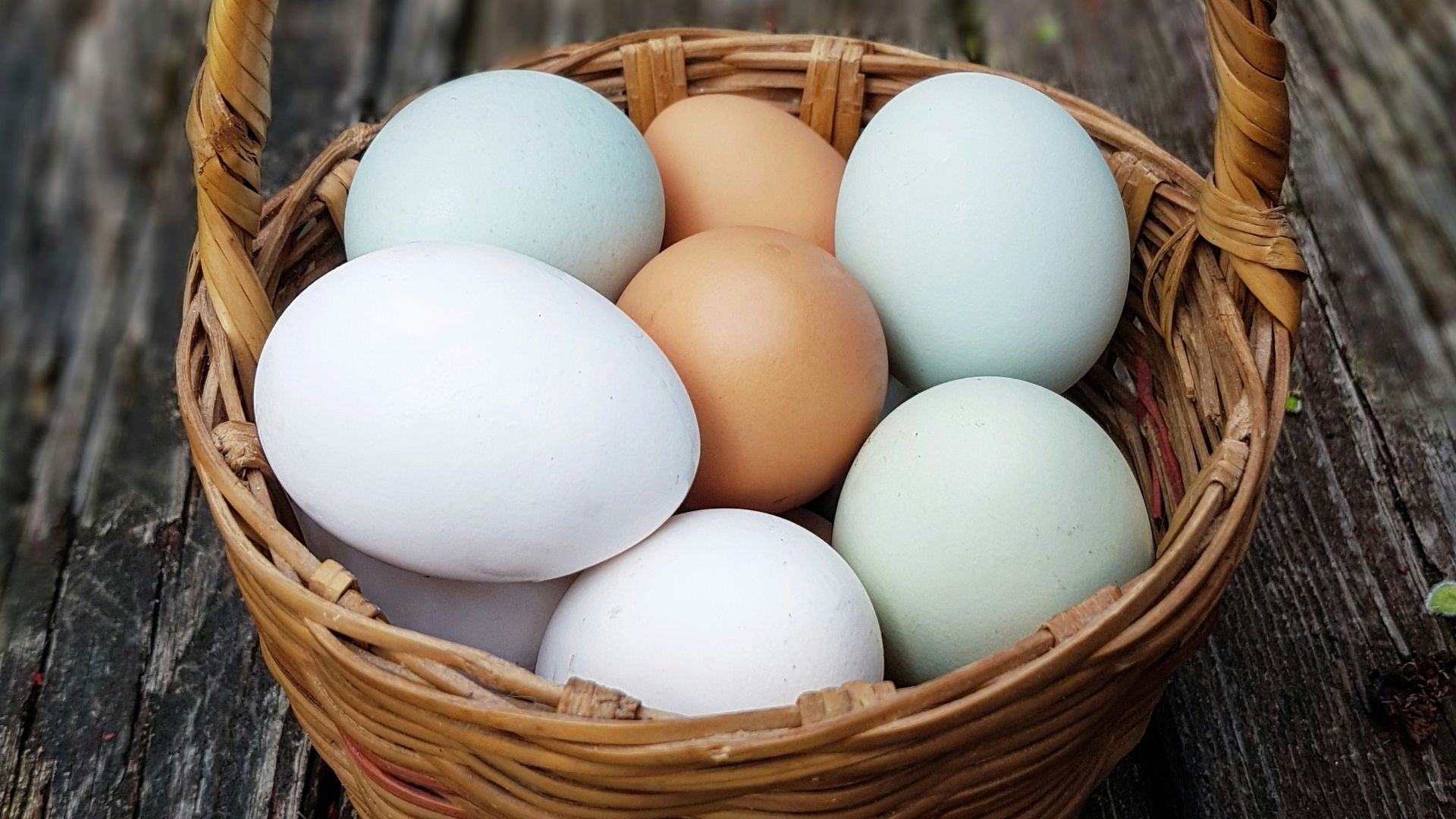
Egg prices have dropped from their recent highs, but families learned how quickly a cheap staple can become painful. USDA says retail egg prices jumped 32.2% in 2022, 8.5% in 2024, and 21.9% in 2025 as avian flu reduced flocks. By August 2026, prices were down 23% from a year earlier. The wild swings make eggs something shoppers now watch much more closely.
Milk
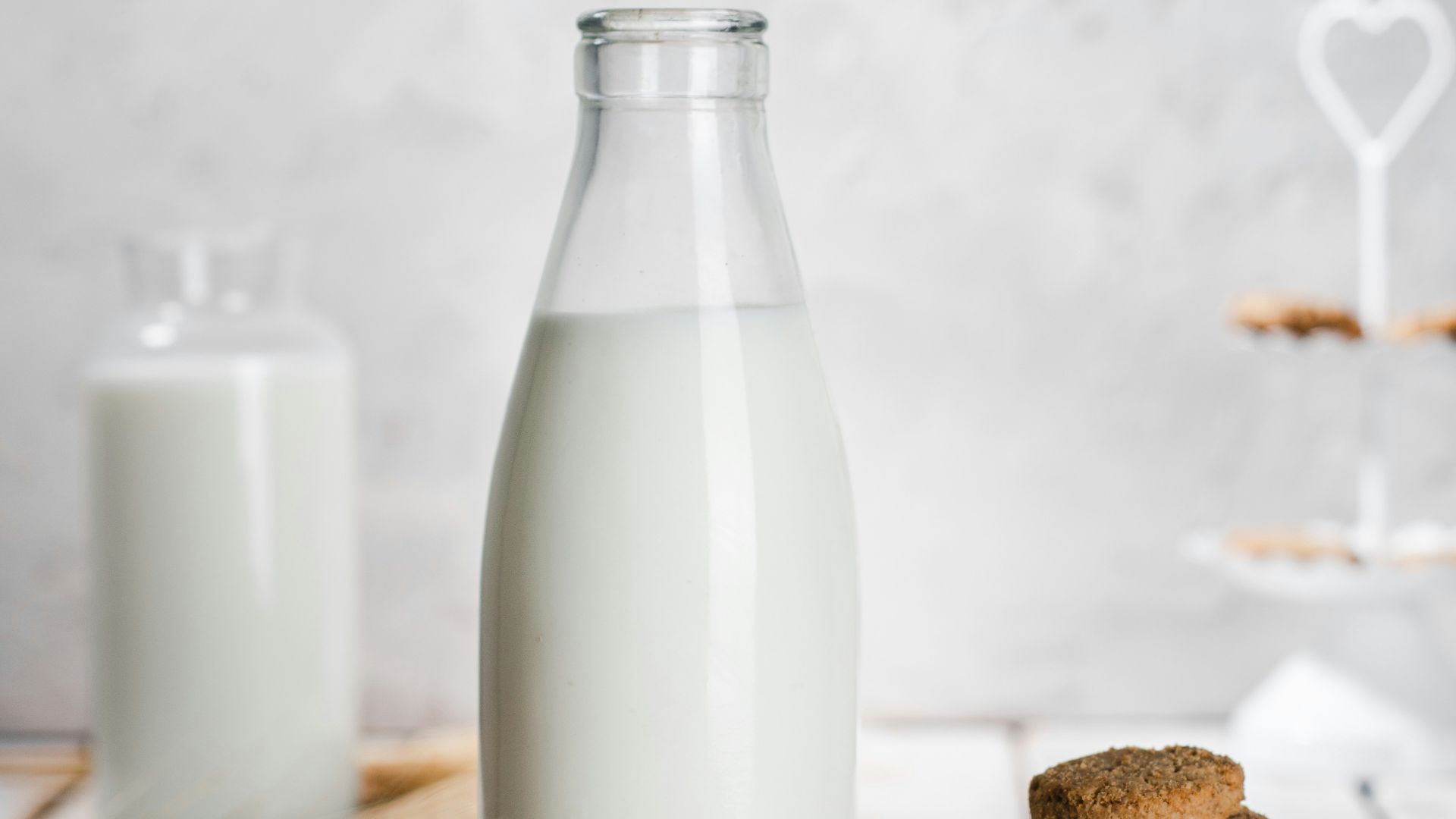
Milk is another weekly purchase that has become harder to ignore. Prices were 4.1% higher in August 2026 than a year earlier, while fresh whole milk was up 4.7%. That matters when a gallon lands in the cart week after week. Buying only the amount a household will actually finish can help cut waste.
Breakfast Cereal
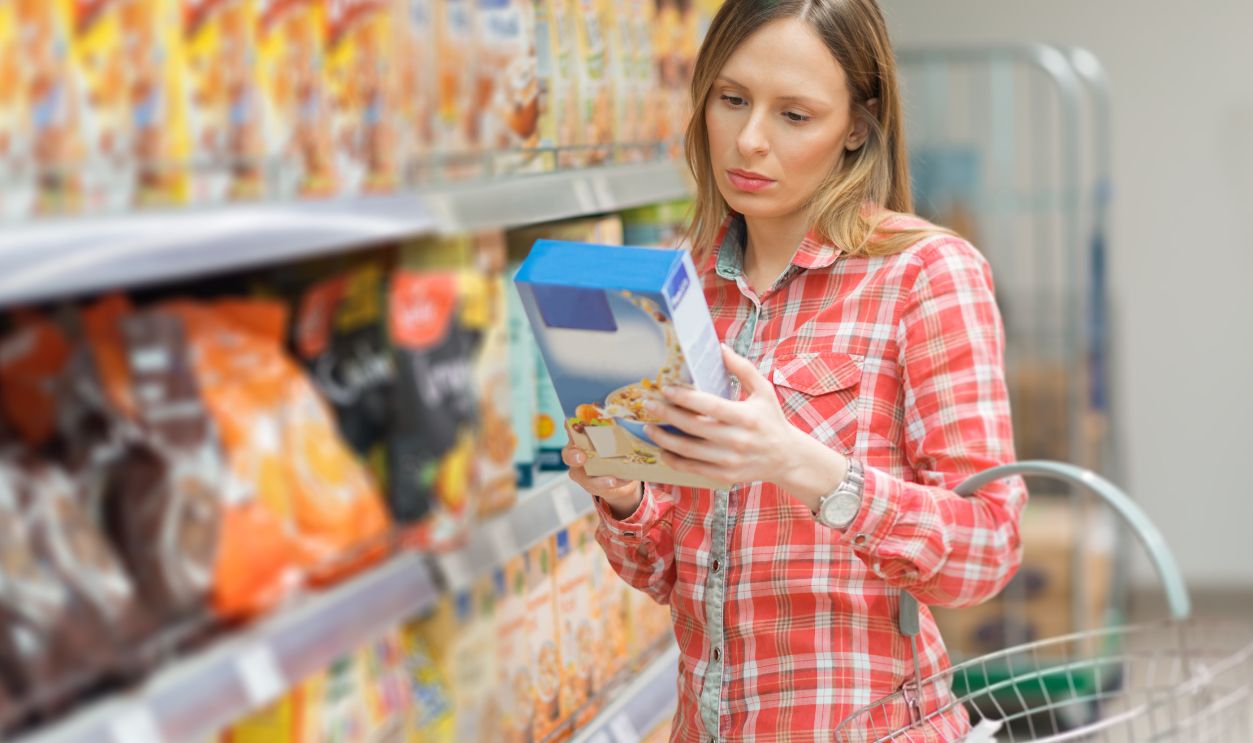
Cereal once looked like one of the cheapest breakfast options in the store. Prices were 3.1% higher in August 2026 than a year earlier. It was also found that package downsizing added to cereal inflation between 2019 and 2024. Comparing unit prices now matters more than simply comparing box prices.
Bread
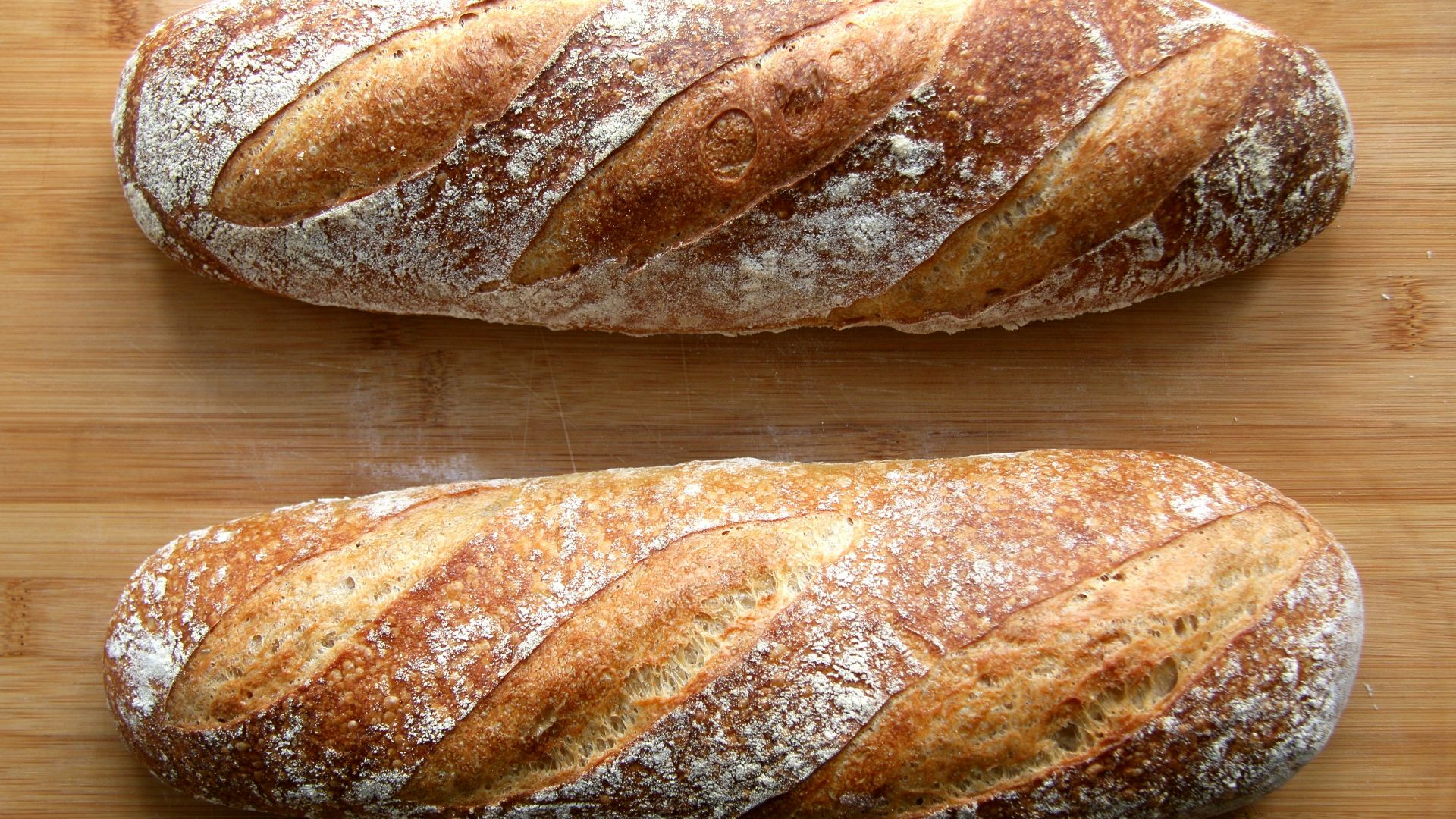
Bread is hard to remove from a family shopping list, so even small increases add up. Prices were 3.8% higher in August 2026 than a year earlier, with white bread up 3.7%. Crackers and related bread products rose even faster. Store brands, sales, and freezing extra loaves can help keep costs down.
Rice
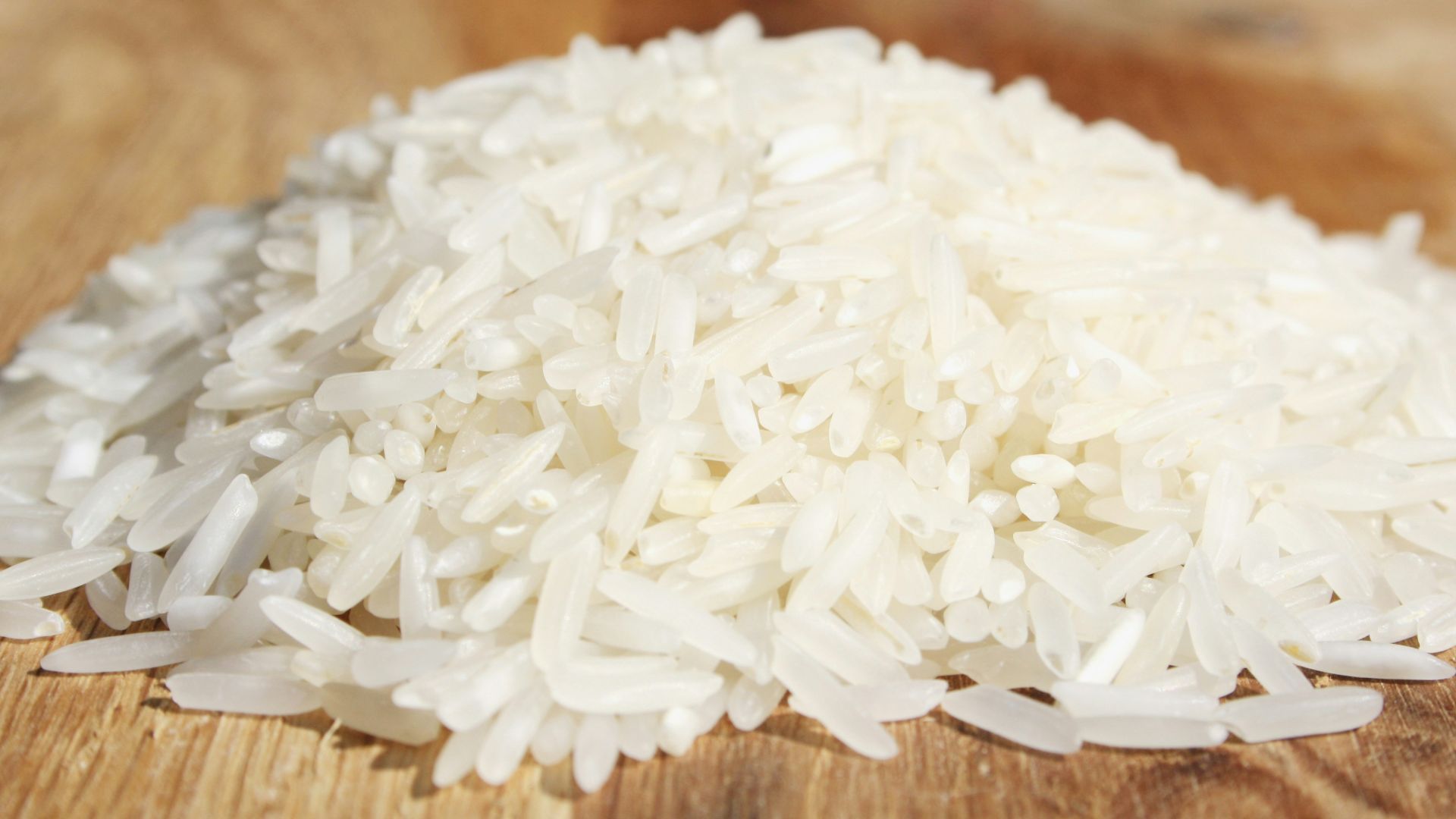
Rice is still one of the best ways to stretch a meal, but even it has gotten pricier. Prices were 4.7% higher in August 2026 than a year earlier. The broader rice, pasta, and cornmeal category rose 3.4%. Larger bags can save money, but only if the household will actually use them.
Coffee
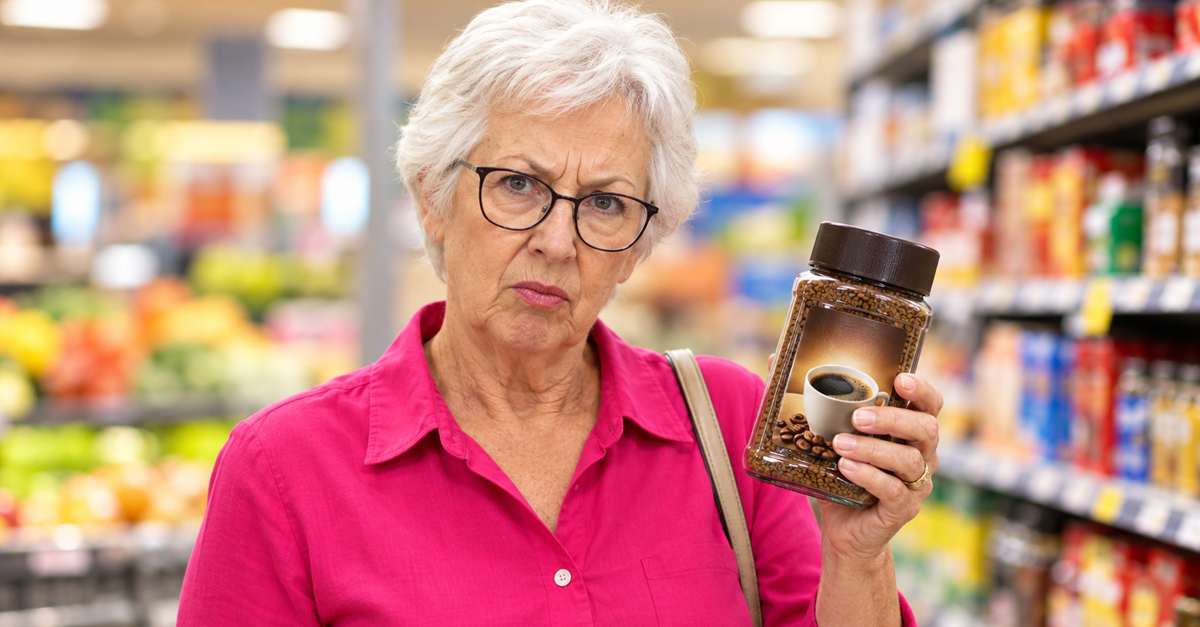
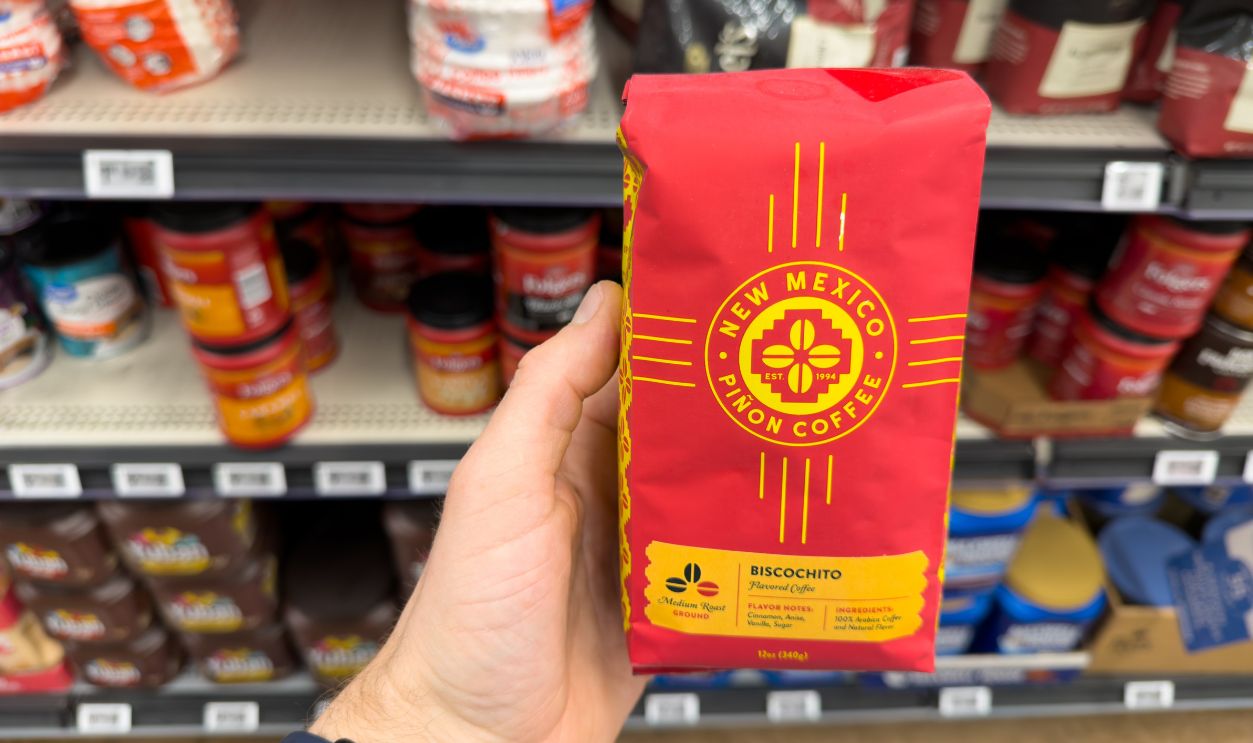
Coffee drinkers feel every increase because the expense repeats every morning. Coffee prices were 6.1% higher in August 2026 than a year earlier, while instant coffee was up 11%. Poor growing conditions in major producing countries previously pushed raw coffee prices sharply higher. Buying on sale and comparing cost per ounce can make a real difference.
Orange Juice
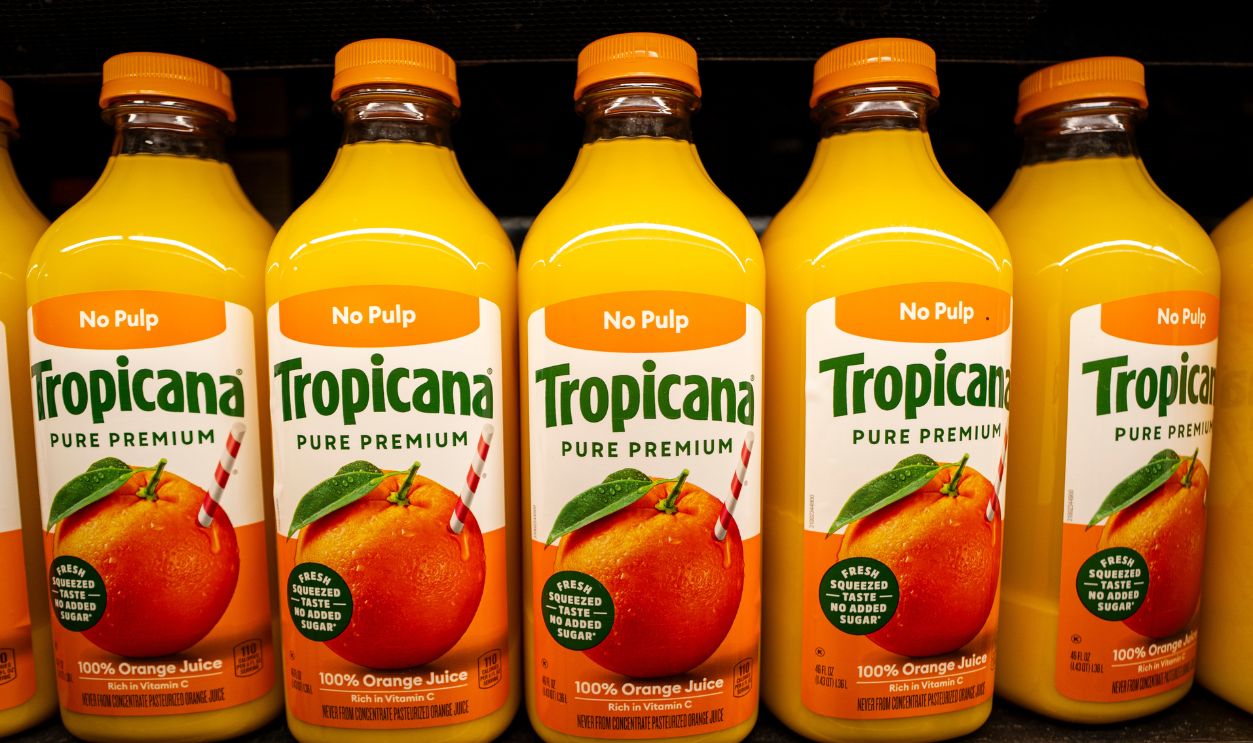
Orange juice has been hit by crop disease, bad weather, and weak harvests. In 2024, U.S. orange juice prices were reported to be 42% higher than a year earlier. Broader juice and drink prices were still 3.2% higher year over year in August 2026. For many families, juice has become more of an occasional purchase than a breakfast default.
Soda
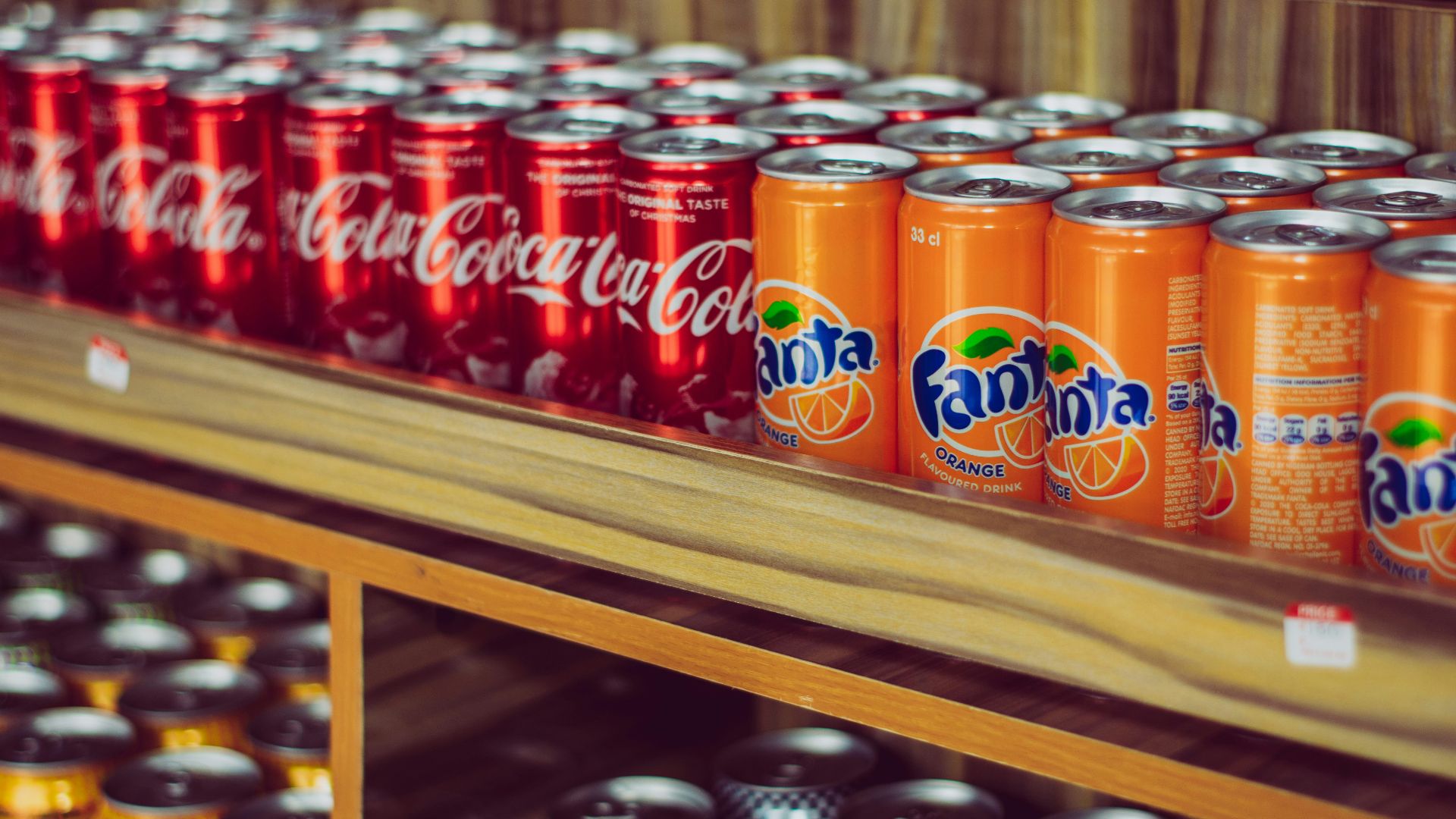
Soda does not always feel expensive because it is often sold in changing package sizes and promotions. Still, carbonated drink prices were 4.4% higher in August 2026 than a year earlier. Families buying several cases or bottles every week can feel that quickly. Cutting back or waiting for sales is an easy place to trim spending.
Chocolate
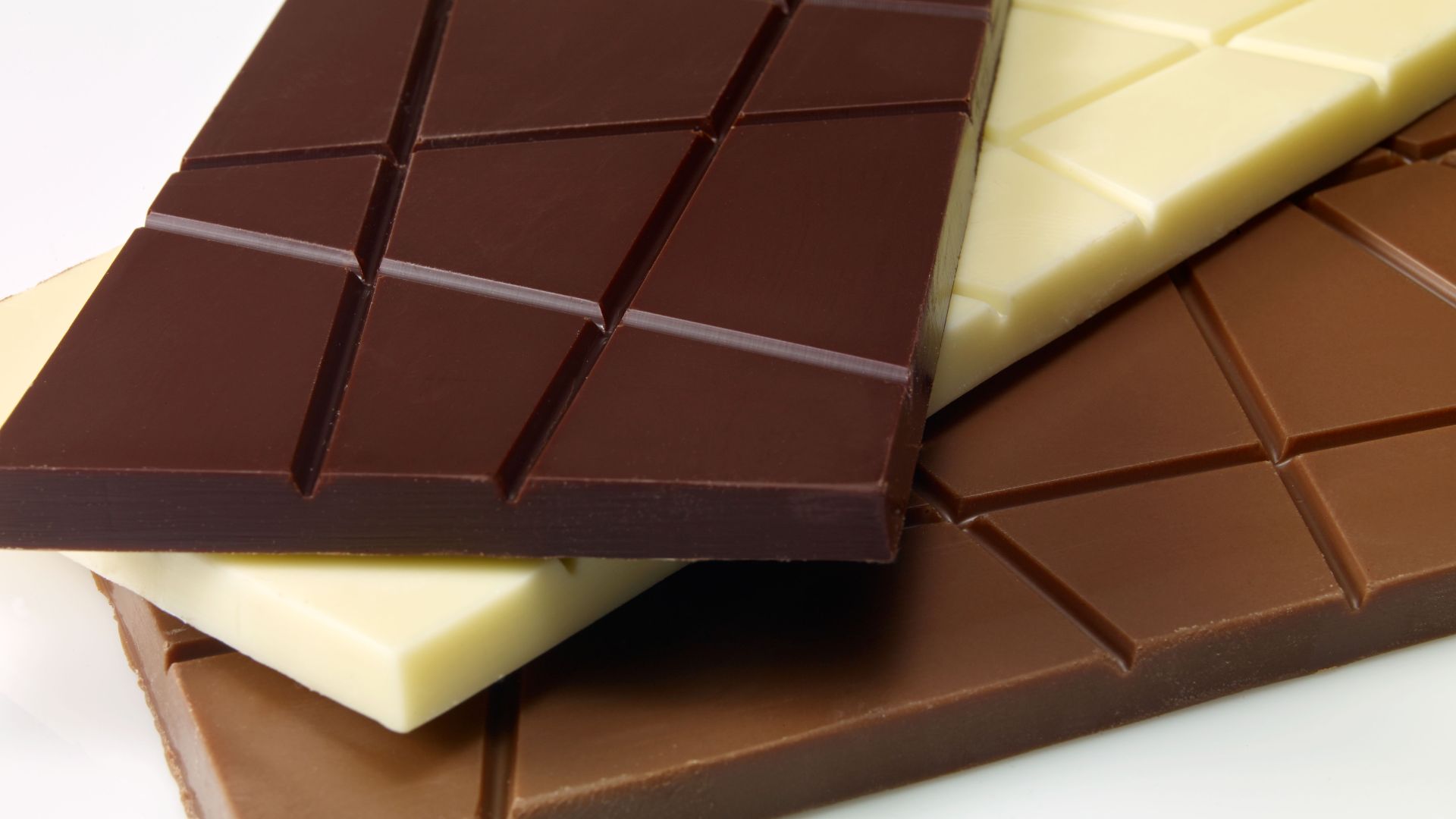
Chocolate has been hit by one of the biggest commodity shocks in the grocery aisle. Cocoa prices more than doubled in 2024 after drought and crop disease hurt West African production. Candy and chewing gum prices were still 8.1% higher in August 2026 than a year earlier. Shoppers have responded by buying less or switching to cheaper brands.
Cookies And Crackers
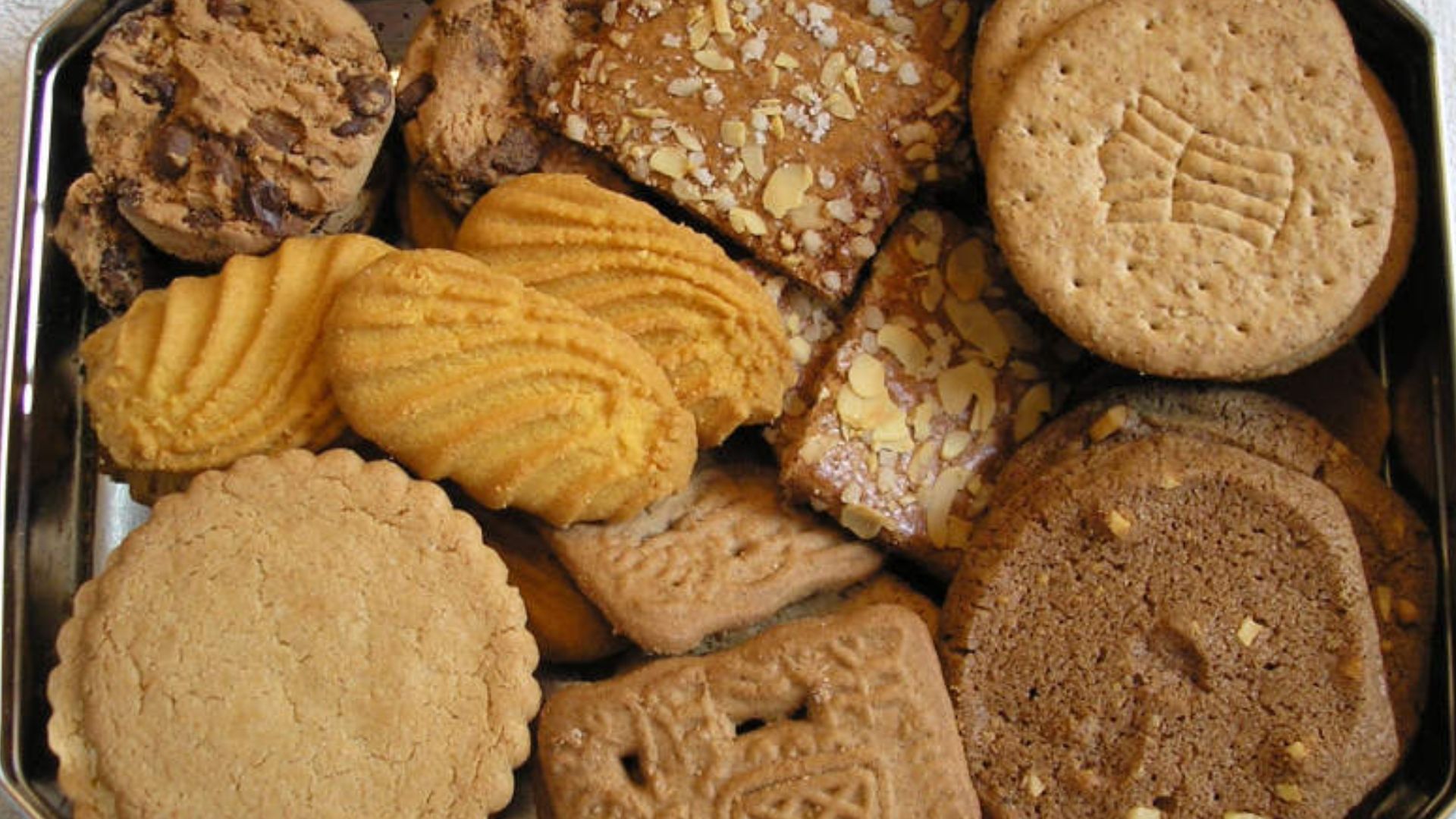
Packaged snacks are often the first things to go when the grocery bill gets uncomfortable. Cookie prices were 5% higher in August 2026 than a year earlier, while crackers were up 4.5%. Smaller package sizes can make the increase even harder to spot. Cutting back here can lower the bill without touching actual meal ingredients.
 Pudding4brains, Wikimedia Commons
Apples
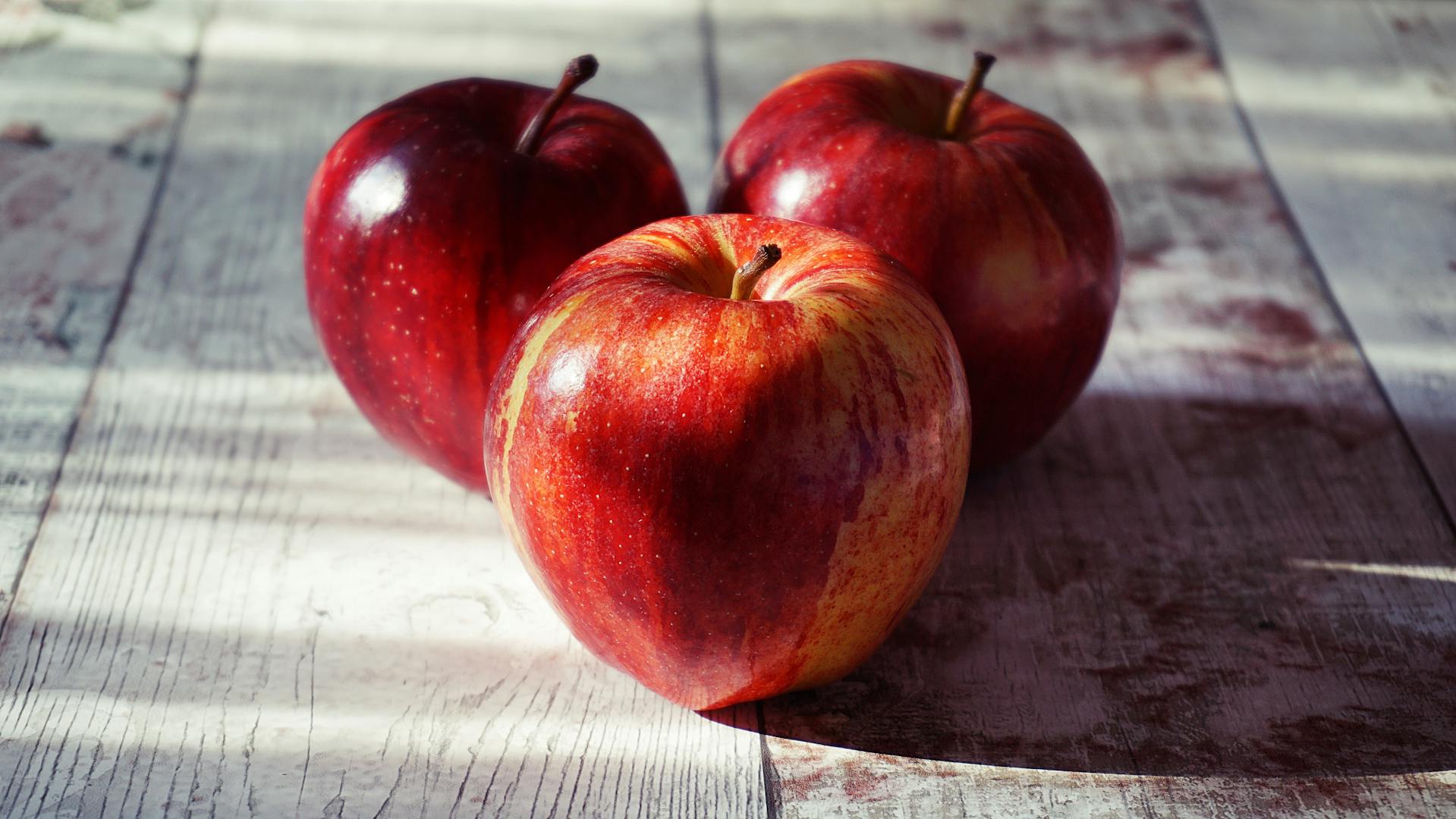
Fresh produce can create some of the biggest checkout surprises. Apple prices were 5.4% higher in August 2026 than a year earlier, while fresh fruit overall was up 3.8%. That does not mean families should stop buying fruit. It does mean choosing whatever is cheapest and in season can save money.
Tomatoes
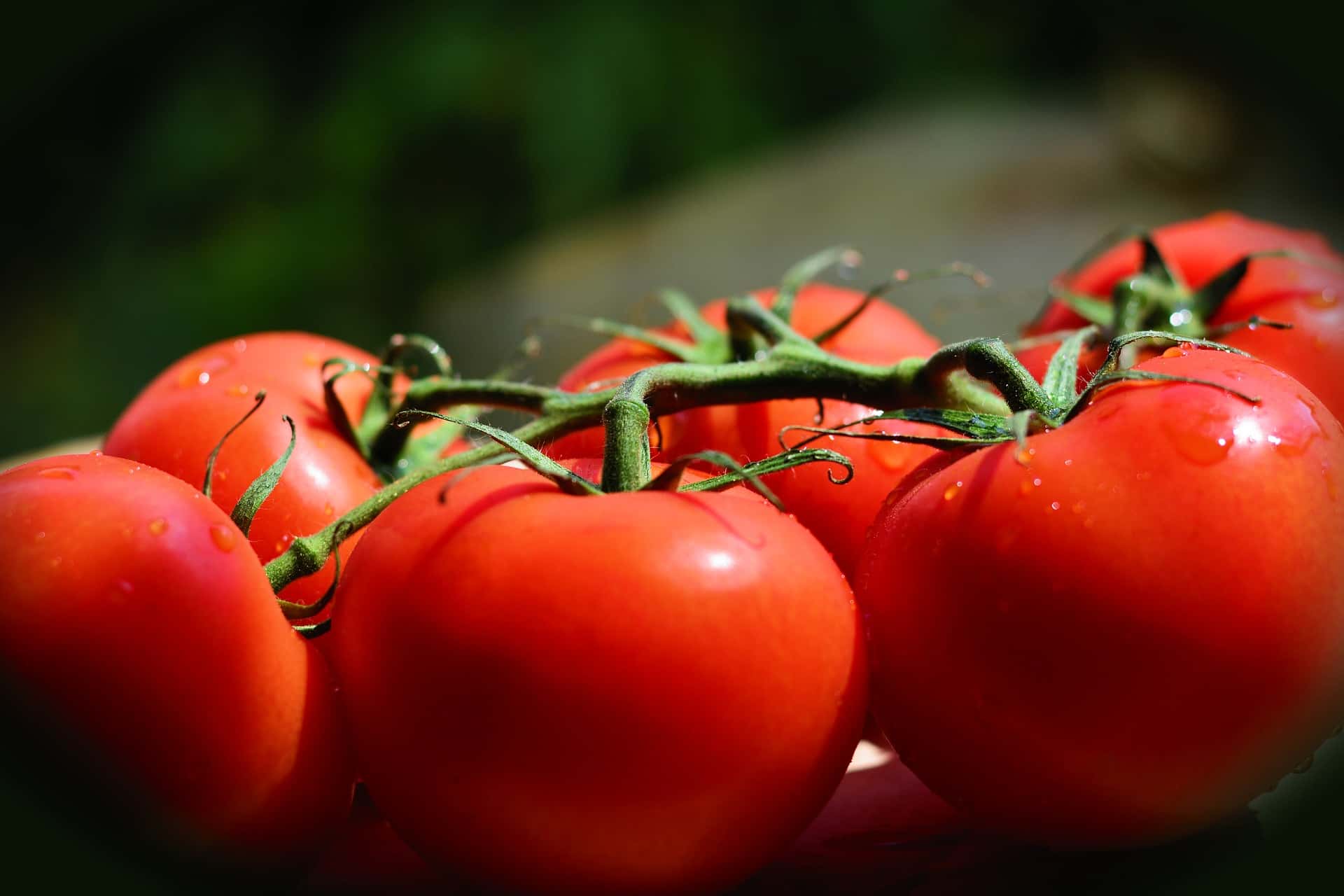
Tomatoes are another grocery staple that can swing sharply in price. Even after falling during the summer of 2026, they were still 5.8% more expensive than a year earlier. USDA had also flagged rising fresh vegetable prices during 2026. When fresh tomatoes spike, canned versions can sometimes do the same job for less.
Potatoes
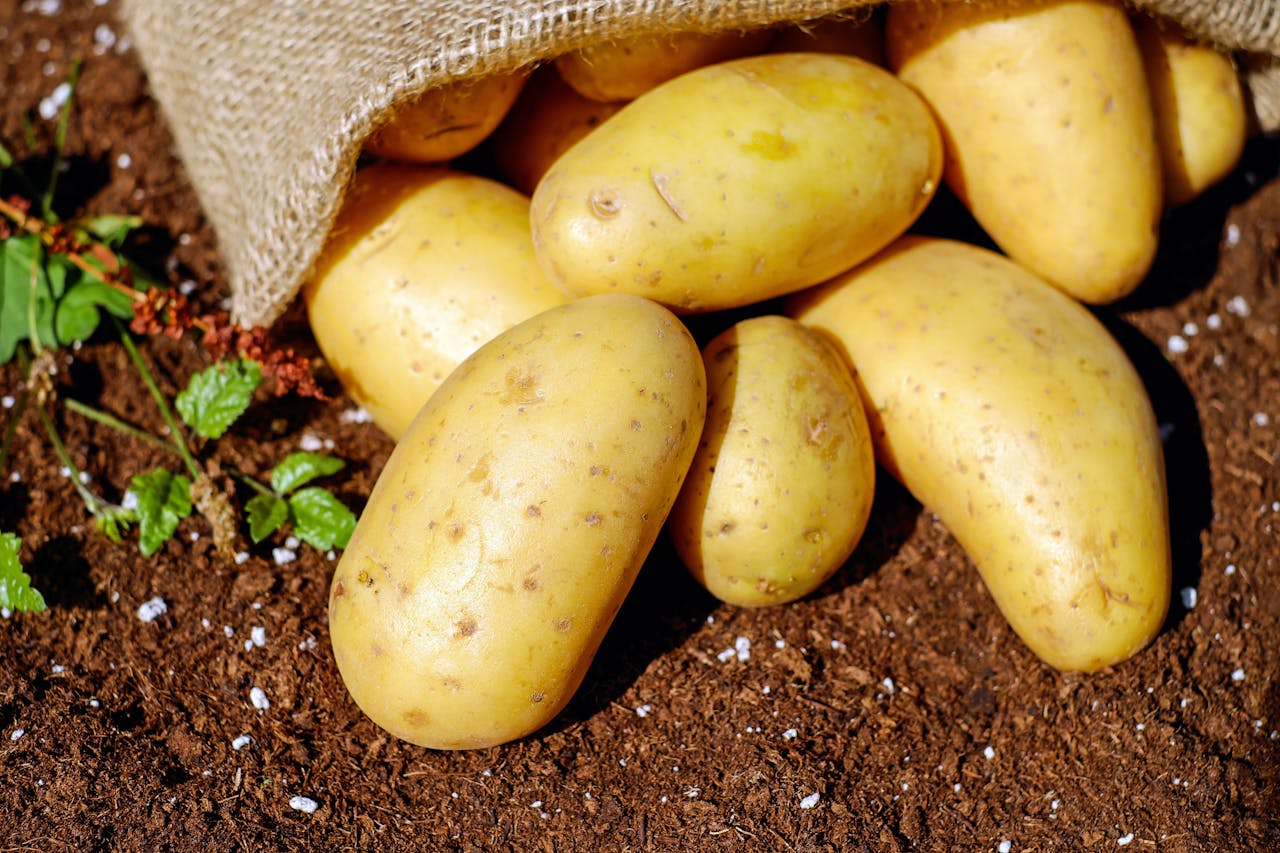
Potatoes still have a reputation as classic budget food. Even so, prices were 3.6% higher in August 2026 than a year earlier. That matters because shoppers often buy them specifically to keep meals cheap. Comparing loose potatoes with larger bags can help avoid paying more than necessary.
Canned Vegetables
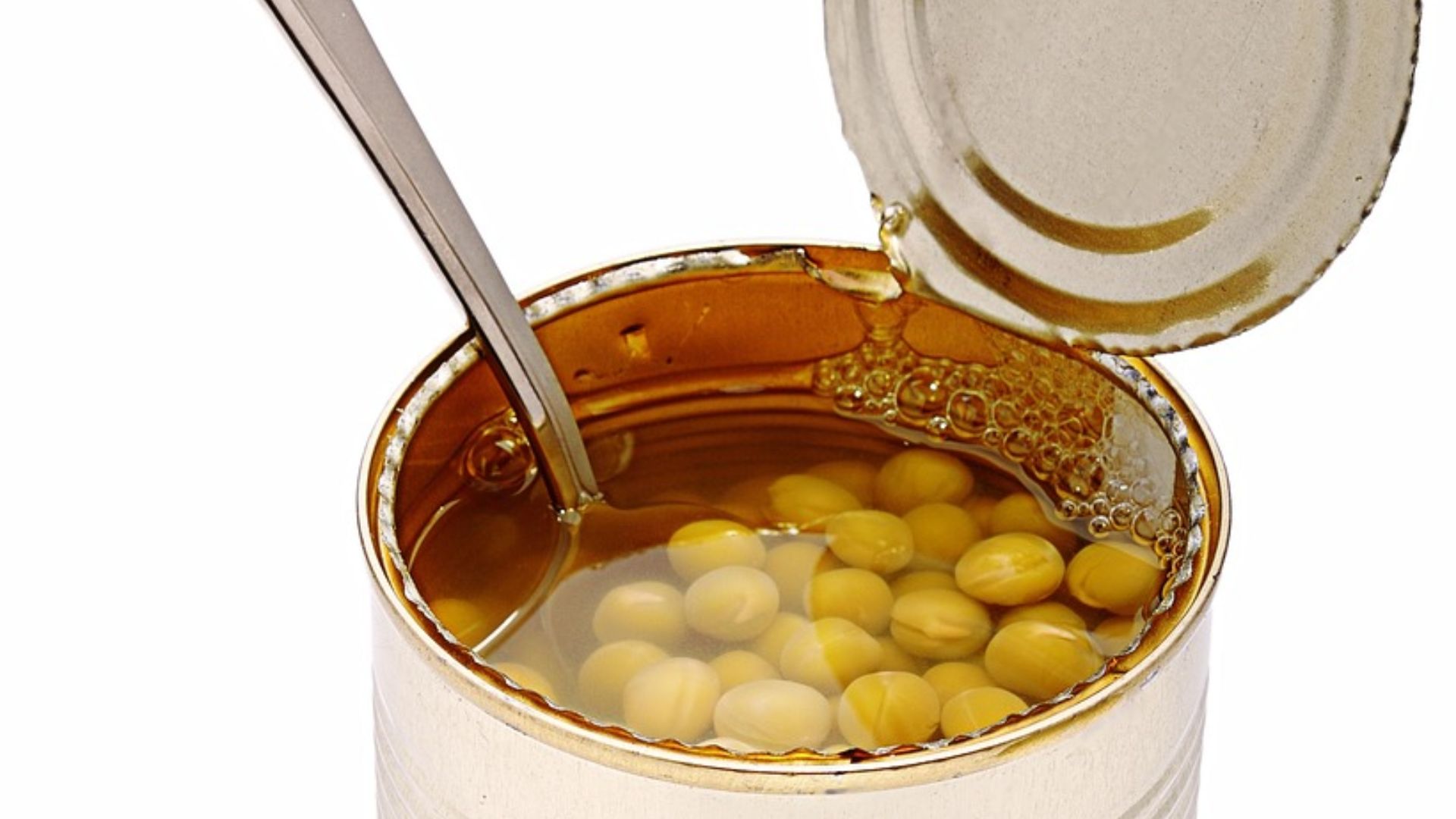
Canned vegetables have long been the cheap backup when fresh produce costs too much. In August 2026, canned vegetable prices were 4% higher than a year earlier. Frozen vegetables rose more slowly, at 2.3%. That makes the freezer aisle worth checking before assuming the can is cheaper.
Olive Oil
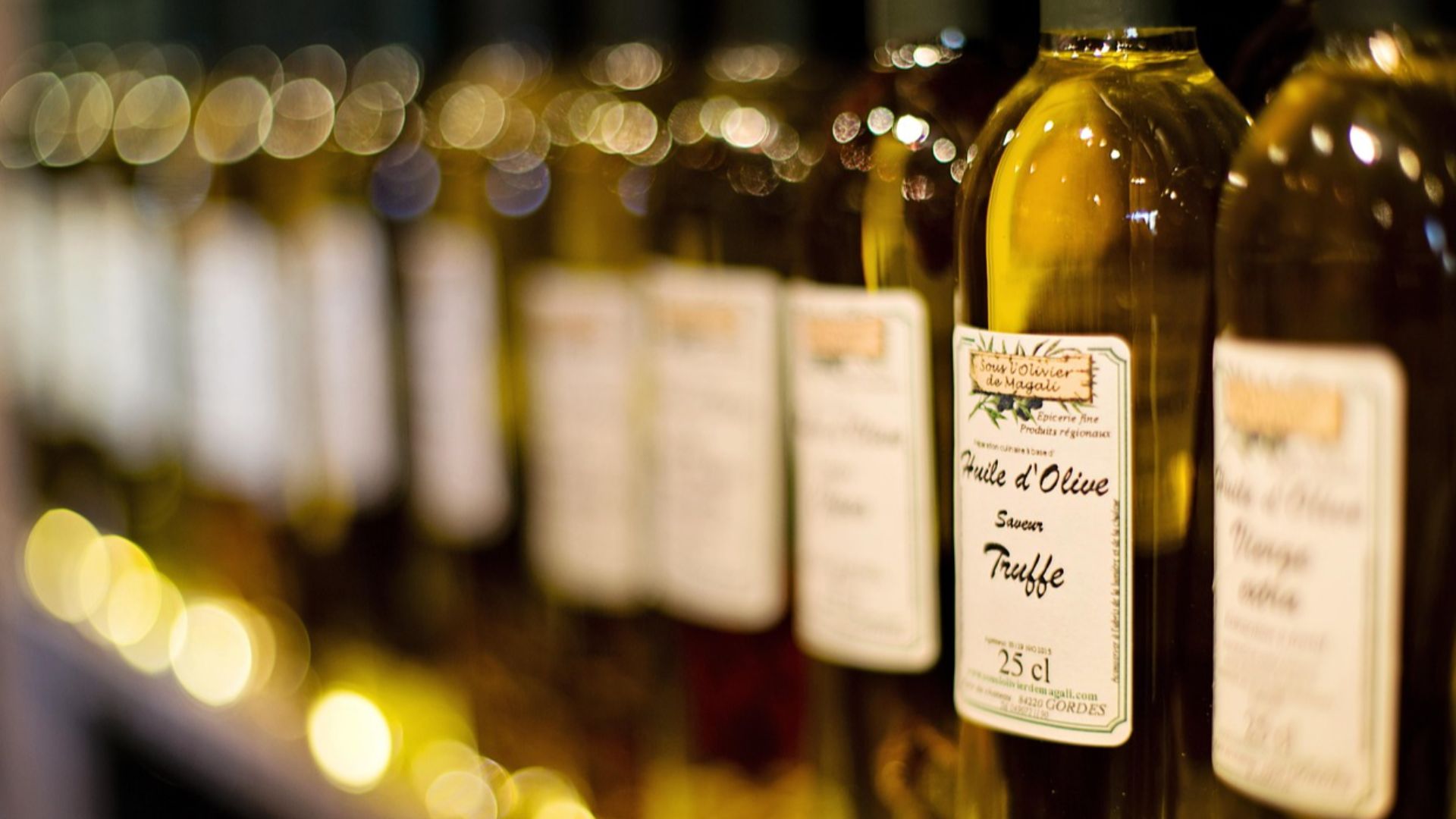
Olive oil offered a dramatic example of a basic item turning expensive fast. Drought and extreme heat hurt harvests in Spain and other major producing countries, sending prices sharply higher. Spanish shoppers even shifted toward cheaper sunflower oil during the spike. Prices later eased, but the episode showed why having a cheaper backup oil can matter.
Paper Towels
Sometimes the price rise is hidden inside the package. Paper products have been heavily affected by downsizing, with some paper towel products showing substantial unit-price increases. Smaller rolls can make a familiar-looking package cost more per sheet. Comparing price per sheet or square foot gives a clearer picture.

Toilet Paper
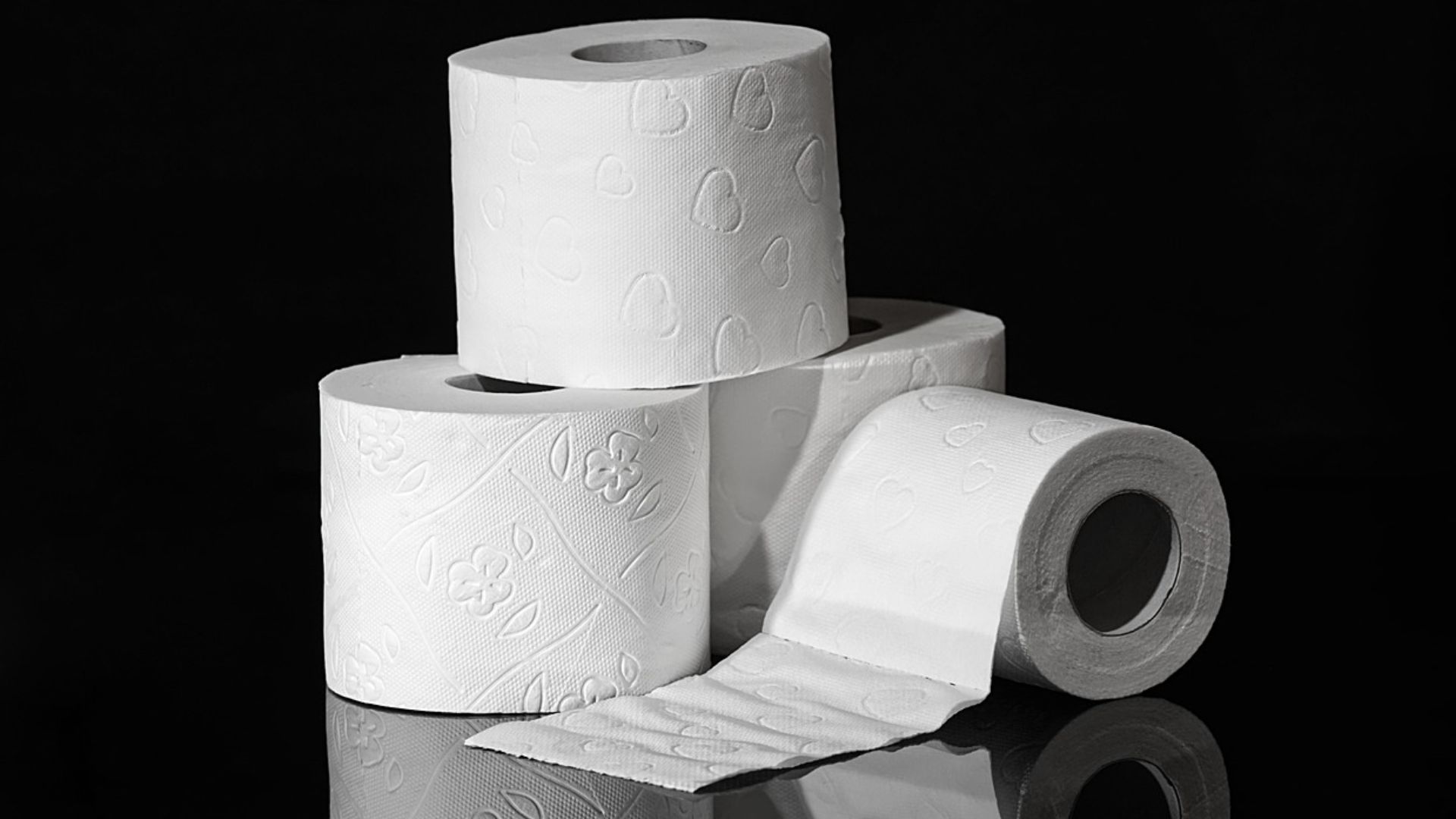
Toilet paper is notoriously hard to compare because roll counts do not tell the whole story. Manufacturers can reduce the number or size of sheets while keeping the package looking familiar. That means a package can effectively become more expensive without a dramatic change to the sticker price. Ignore labels like “mega roll” and compare actual sheet counts when possible.
Laundry Detergent
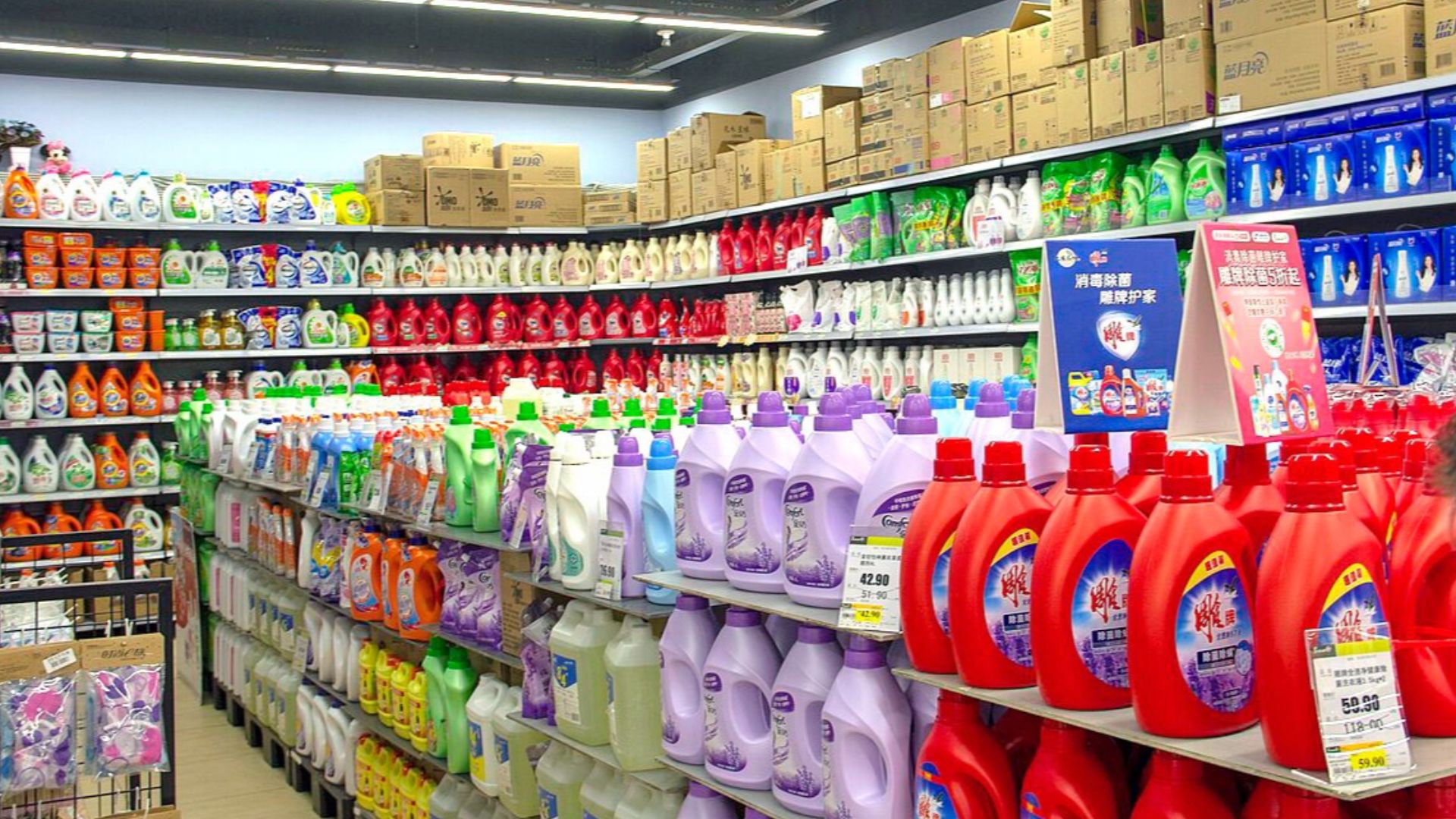
Laundry detergent is another product where shoppers can quietly get less for the same money. Detergent is among the household goods affected by downsizing. A bottle may look familiar while holding fewer ounces or promising fewer loads. Comparing cost per load is more useful than simply checking the sticker price.
Cleaning Supplies
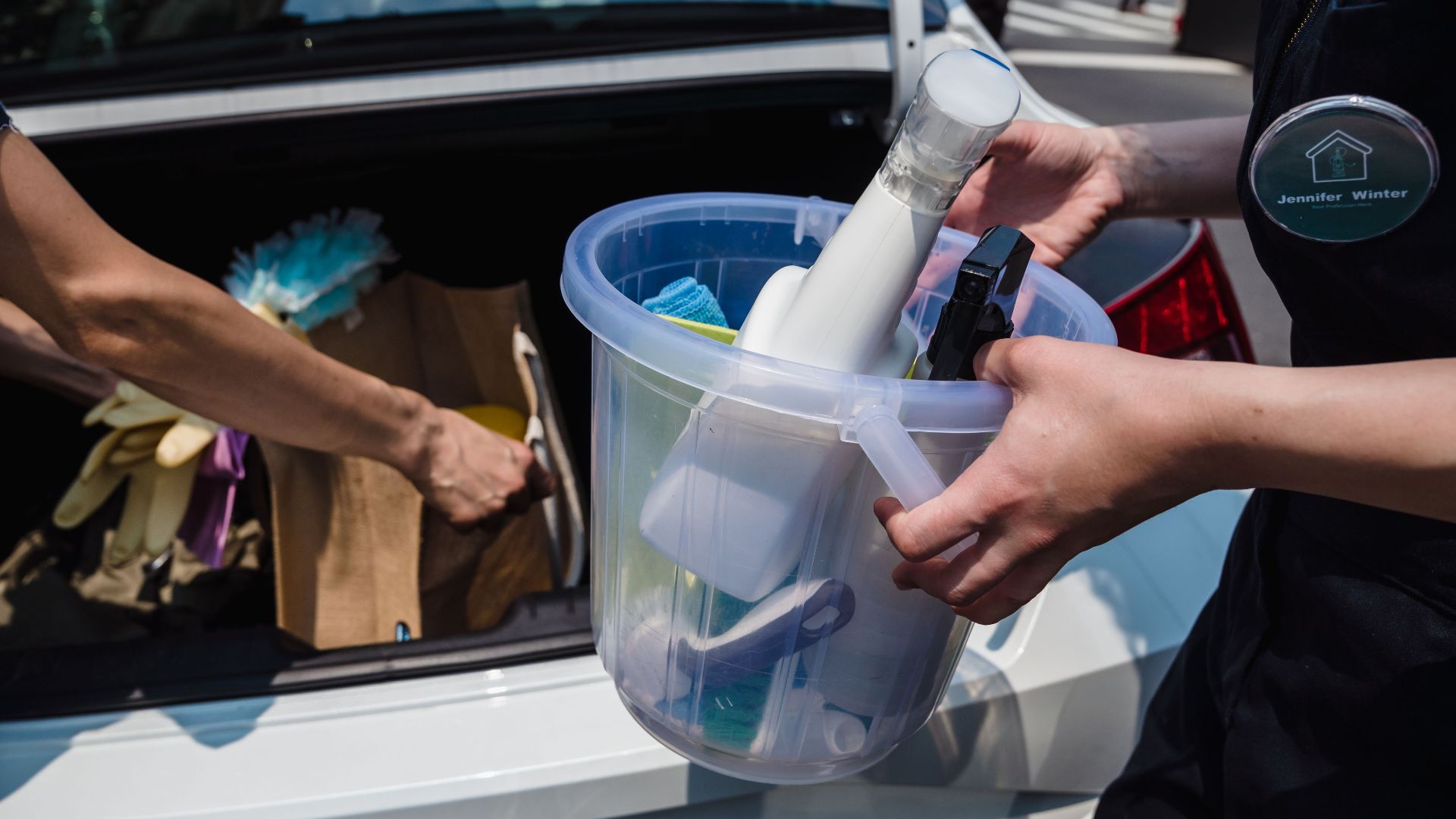
Household cleaners rarely feel expensive one bottle at a time. Still, cleaning-product prices were 2.1% higher in August 2026 than a year earlier. Shrinkflation has also been documented in cleaning supplies. Concentrates, refill packs, and store brands are worth comparing more carefully than before.
Shampoo And Toothpaste
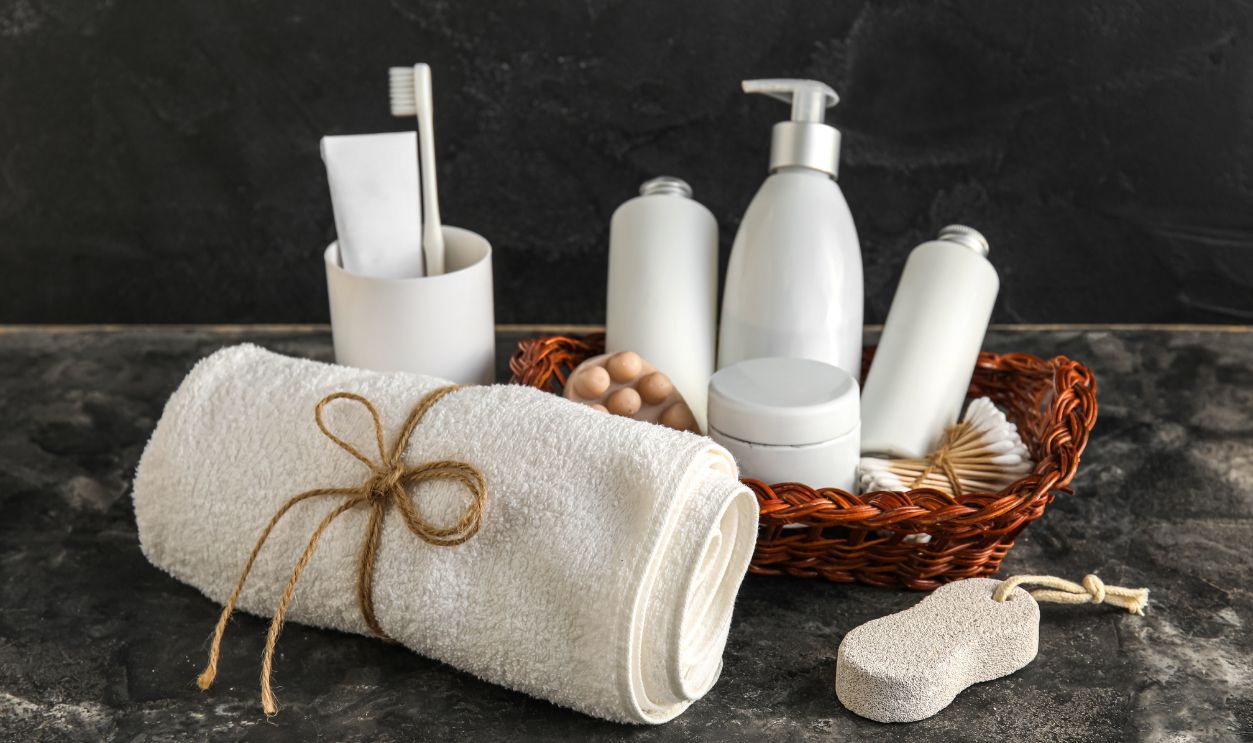
The bathroom cabinet has not escaped higher prices either. Hair, dental, shaving, and other personal-care products were 3.1% more expensive in August 2026 than a year earlier. Shampoo is one of those routine purchases where smaller packages and higher prices can be easy to overlook. Switching brands can be one of the easiest ways to avoid paying more out of habit.
Pet Food
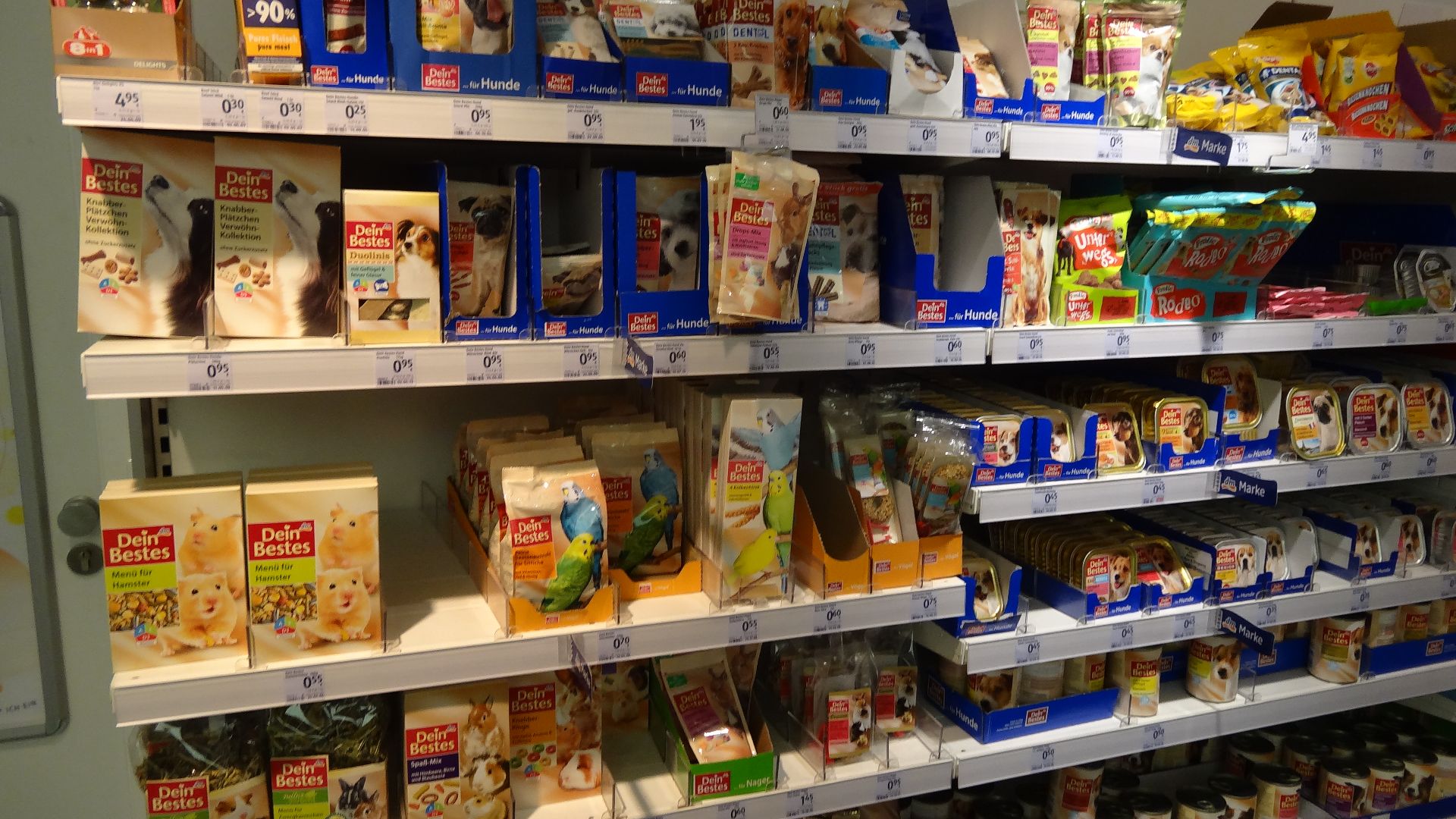
Pet food prices surged earlier in the decade and remain a real budget concern. Federal Reserve data show large increases between 2020 and 2023, including double-digit annual gains during parts of 2023. Prices were still 1.6% higher in August 2026 than a year earlier. Comparing cost per serving can help, but major diet changes should still be discussed with a veterinarian.
 Fuzre Fitrinete, Wikimedia Commons
Chips And Packaged Snacks
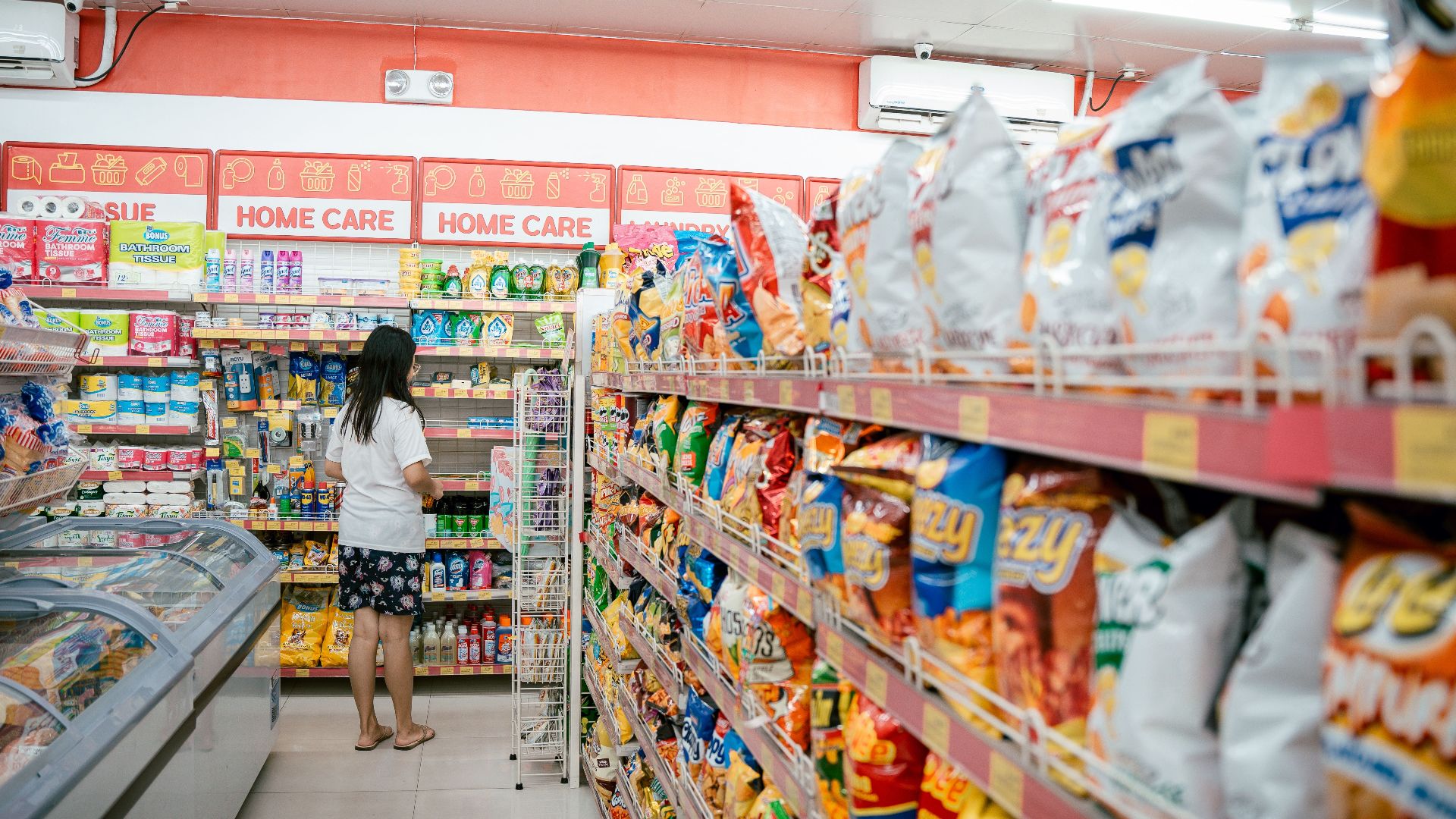
The chip bag is one of the clearest examples of shrinkflation. Manufacturers sometimes reduce package size instead of raising the visible price. Research found shoppers often notice downsizing less than a straightforward price increase. Checking price per ounce is the easiest way to spot it.
Hot Dogs
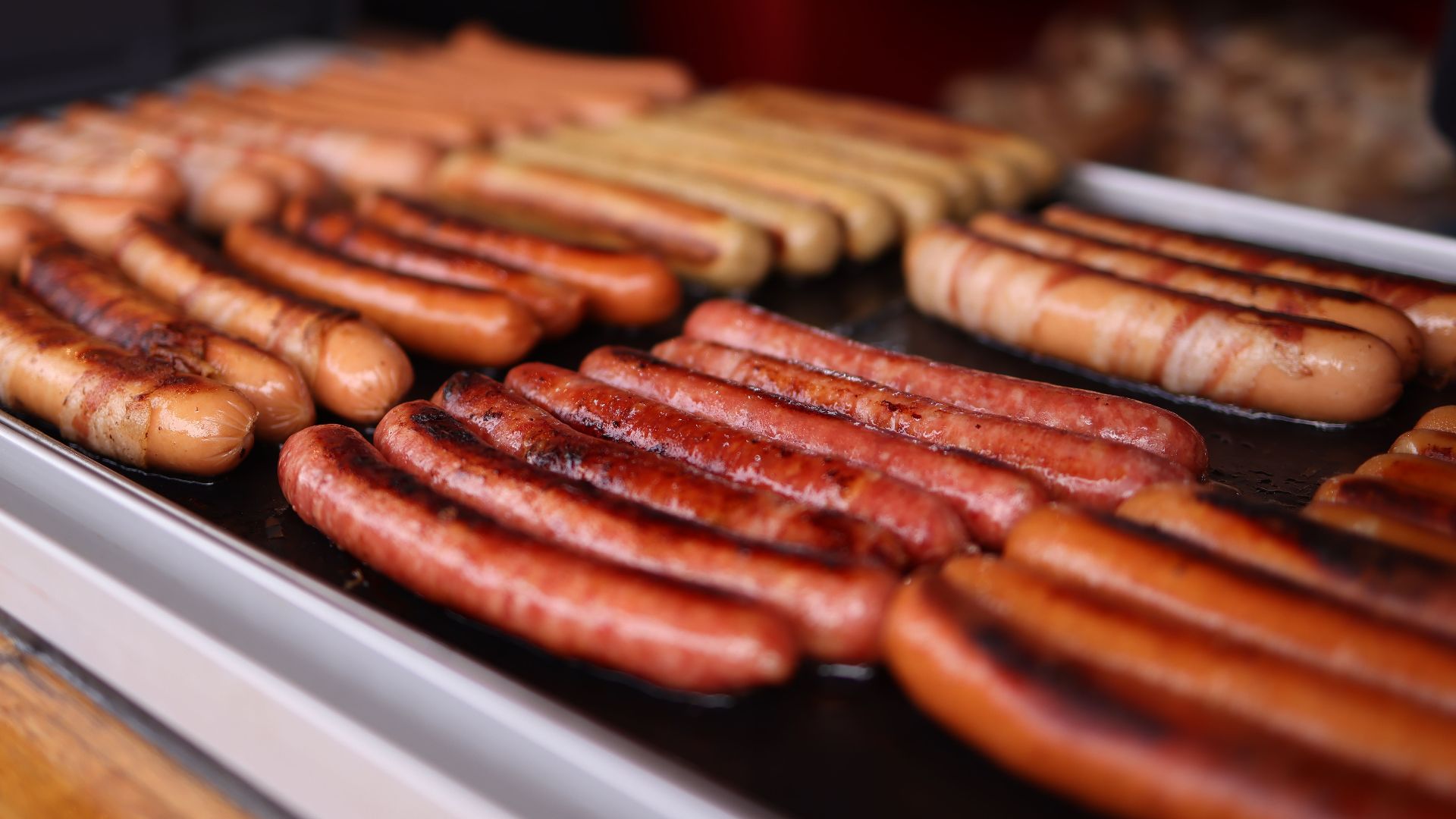
Even classic low-cost cookout food has become more expensive. Frankfurter prices were 5.3% higher in August 2026 than a year earlier. That matters because hot dogs traditionally competed with burgers and steaks as the budget option. Comparing cost per serving across several proteins can reveal better deals.
The Old Shopping Habits Do Not Work As Well
The hardest part of today’s household budget is that slower inflation does not mean old prices have returned. Families are buying more store brands, watching promotions, and using discount retailers more often. Shrinkflation makes unit pricing even more important. The smartest move now is simple: stay flexible and stop assuming the products you always bought are still the best deal.
 Vladyslav Starozhylov, Shutterstock
You May Also Like:
Sneaky Ways Companies Make Prices Look Lower Than What You Actually Pay
These Everyday Grocery Store Products Got Hit By “Shrinkflation”—Which Ones Have You Noticed?
Store-Brand Swaps That Actually Save Money On Groceries—And Ones That Don’t