When You Had To Ask The Salesclerk
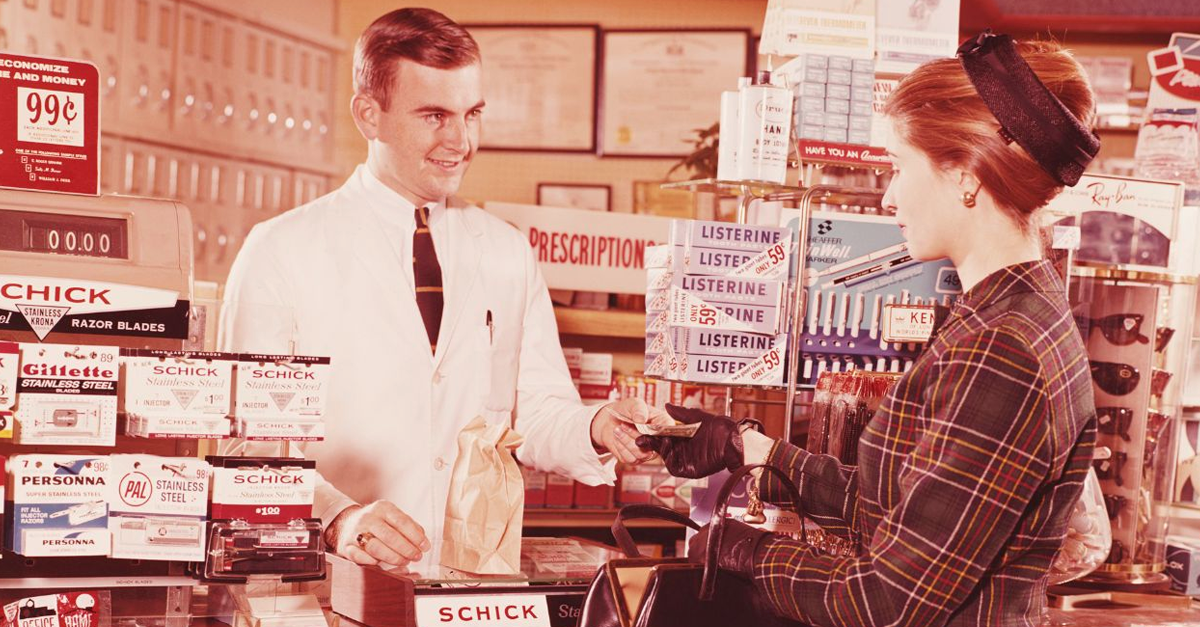
Imagine needing a salesperson just to buy pantyhose, lipstick, or a pocket calculator. In the 1960s and 1970s, staffed counters, glass display cases, and stockroom pickups were still part of everyday shopping. Changing technology, clever packaging, and the rise of self-service retailing eventually transformed the experience.
Do you remember having to ask a salesclerk for any of these items?
 H. Armstrong Roberts, Getty Images
Pantyhose
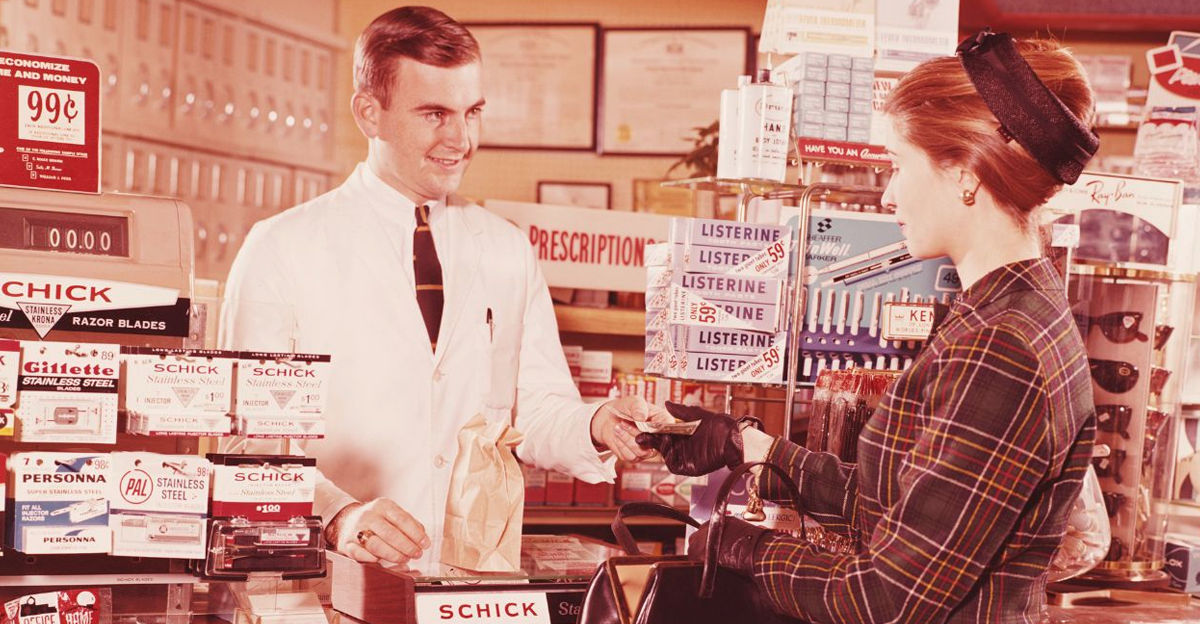
Hosiery shopping changed dramatically when L'eggs appeared in 1969. Instead of relying on specialty shops and department-store hosiery departments, women could buy pantyhose during their regular grocery trips. The recognizable plastic eggs reached stores nationwide by 1971, helping L'eggs become America's bestselling pantyhose brand.
 Unknown author, Wikimedia Commons
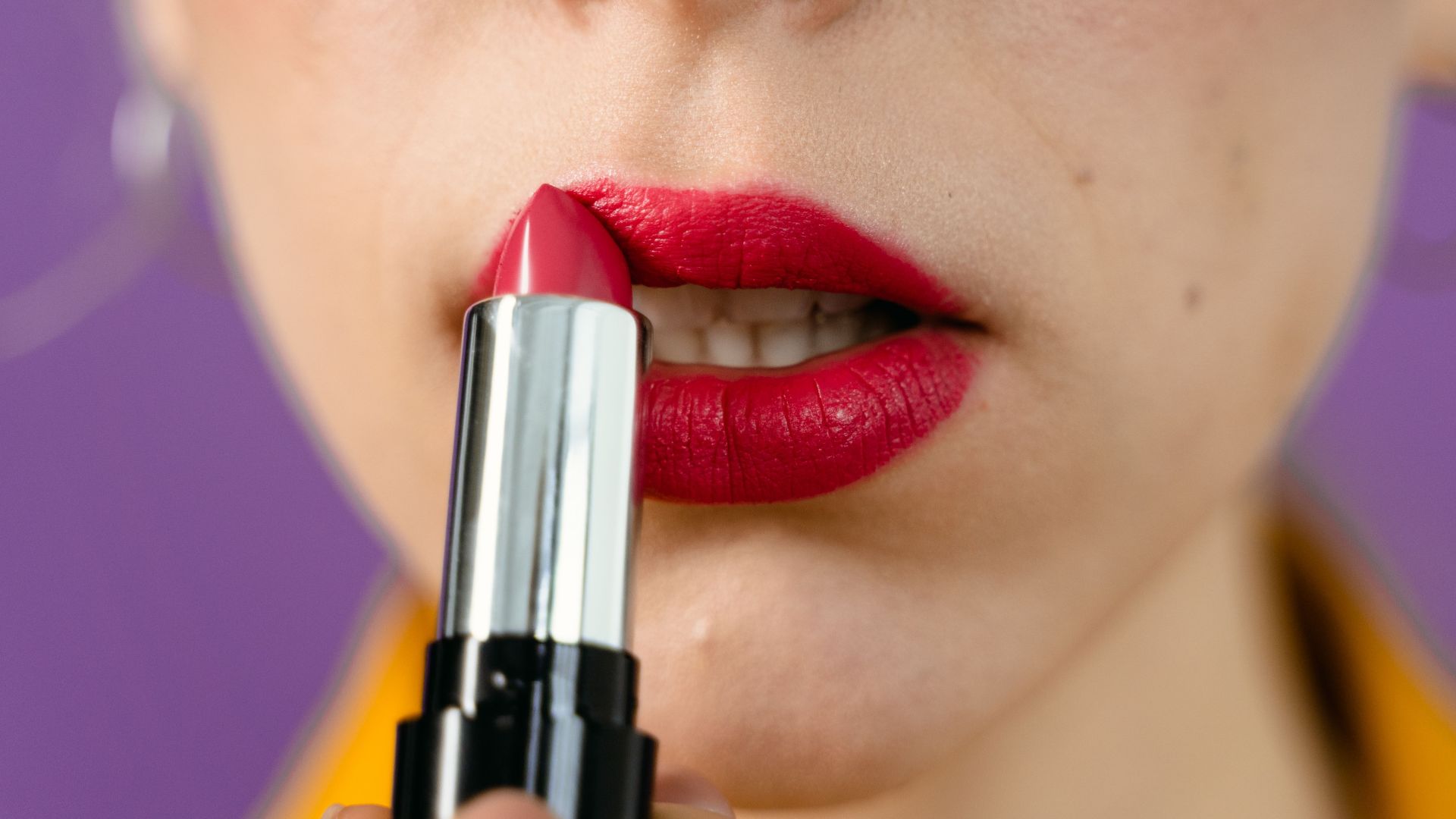
Lipstick
Buying lipstick traditionally involved visiting a staffed cosmetics counter. During the 1960s, Max Factor helped pioneer the move toward self-service beauty displays in chain drugstores. According to a company representative, sales jumped by 600% in a single year following the change.
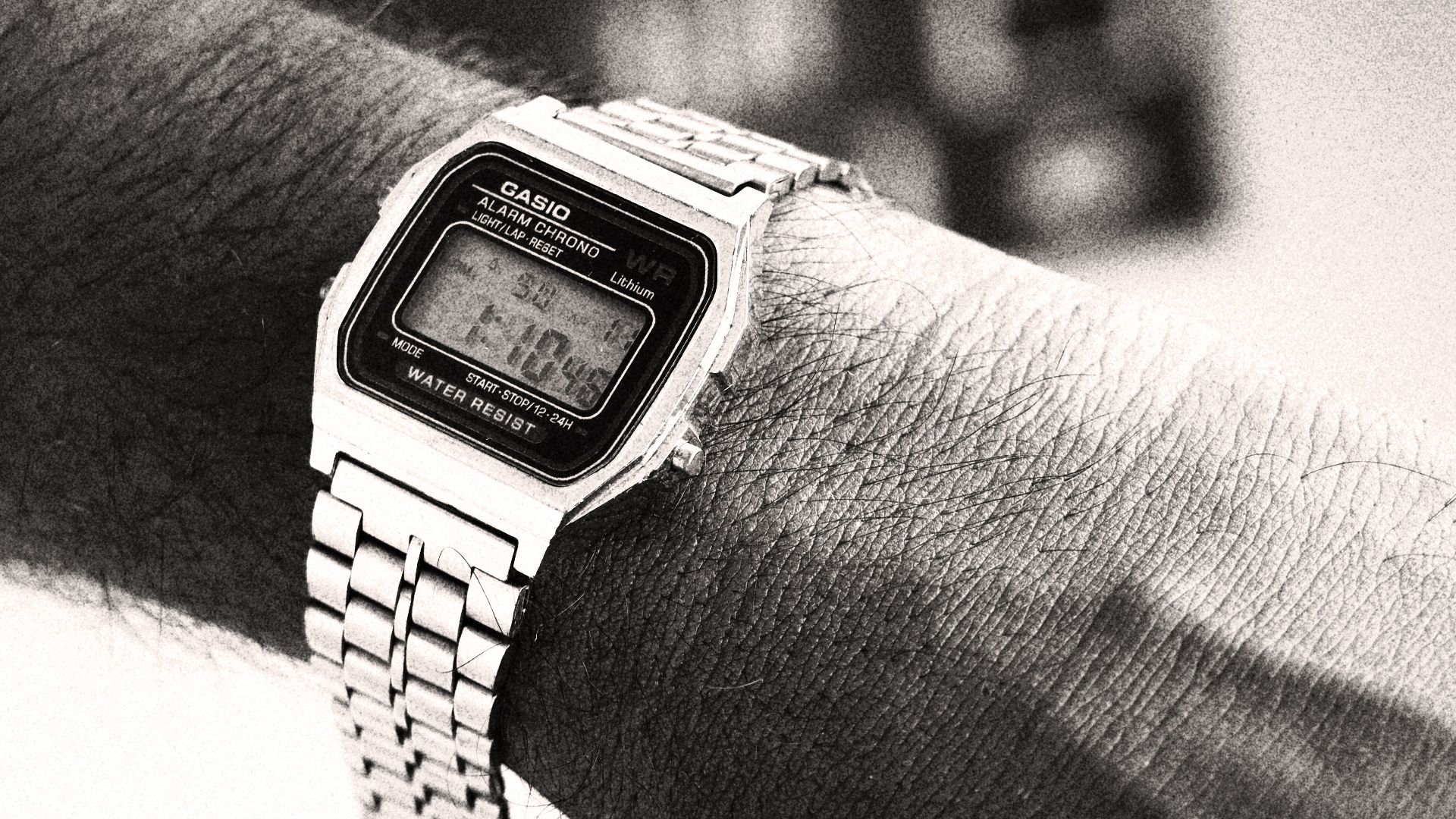
Digital Watches
Digital watches were exciting new gadgets in the 1970s. A 1976 Service Merchandise advertisement offered a men's LED watch for $39.97 through its catalog showrooms. Customers could examine display merchandise before completing their purchases with an employee, unlike today's inexpensive packaged watches.
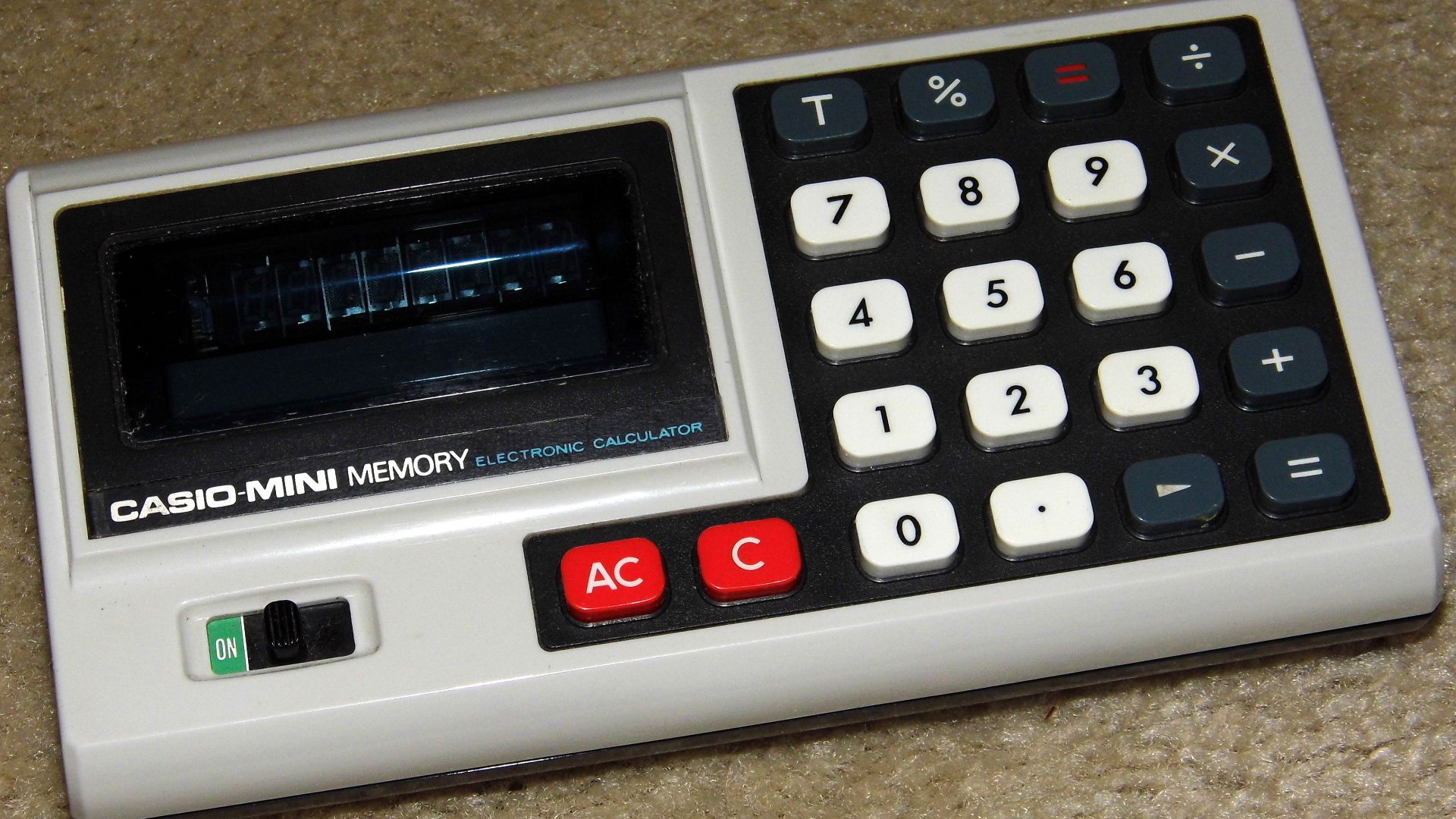
Pocket Calculators
Even simple electronic calculators were featured in catalog showrooms during the 1970s. In October 1976, Service Merchandise advertised an eight-digit Unisonic calculator with memory for $9.94. Buying one involved ordering merchandise from the showroom rather than simply grabbing a boxed calculator from an office-supply aisle.
 Joe Haupt from USA, Wikimedia Commons
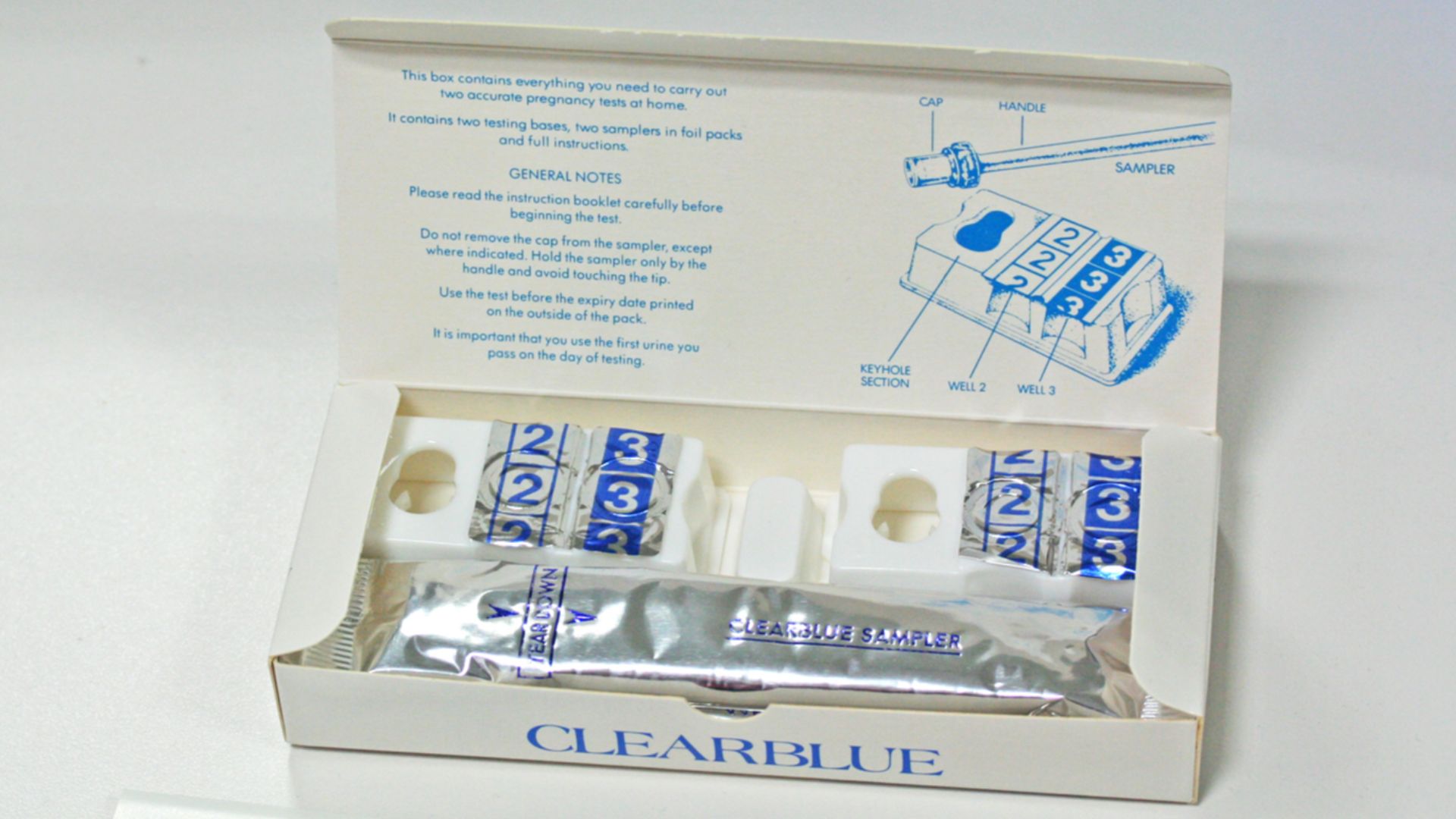
Pregnancy Tests
For much of the 1960s and 1970s, confirming a pregnancy generally required medical assistance. When home pregnancy tests reached American drugstores in 1978, some customers were still uncomfortable asking pharmacists for them. The original e.p.t. kit cost $10 and took approximately two hours to produce a result. Today, inexpensive pregnancy tests are readily available on pharmacy shelves.
 SPD Swiss Precision Diagnostics GmbH, Wikimedia Commons
Costume Jewelry
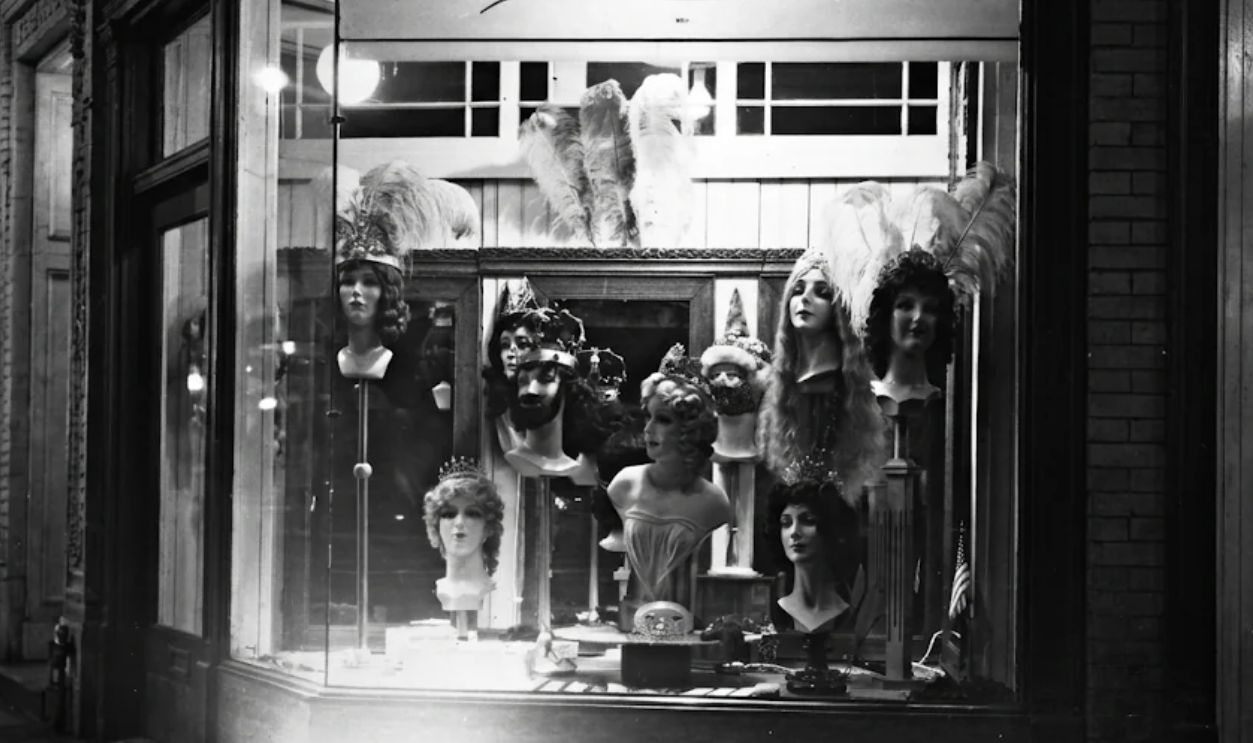
Catalog showrooms such as Service Merchandise became popular destinations for jewelry shoppers. Unlike most merchandise at these stores, jewelry had its own sales process involving direct assistance from employees. Today, inexpensive accessories can be displayed openly without the elaborate arrangements associated with traditional jewelry departments.
 Unnamed WPA photographer, Wikimedia Commons, Modified
Electronic Games
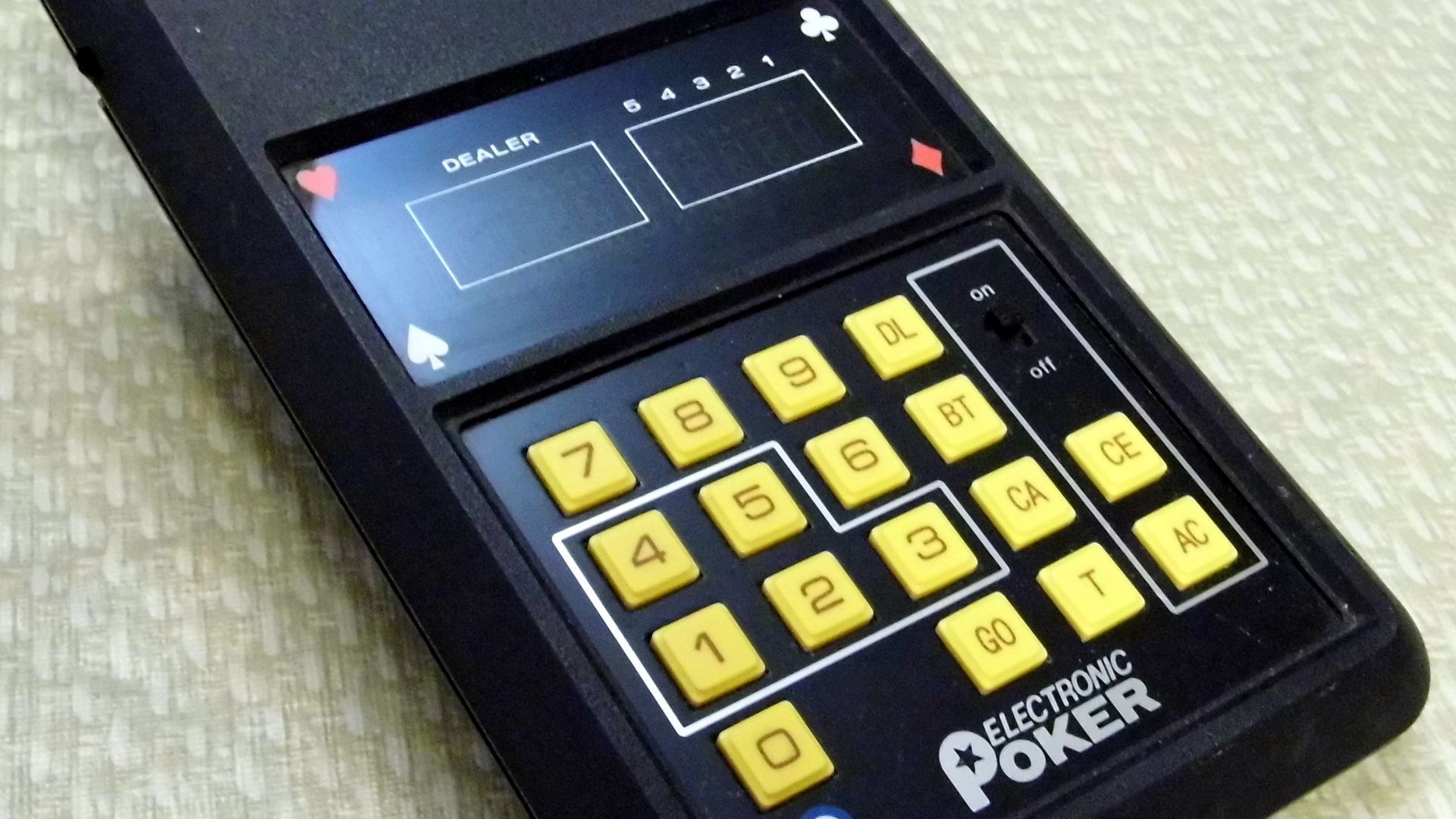
Early electronic games were considerably more expensive than ordinary toys. Service Merchandise advertised a Unisonic electronic game for $69.97 in 1976, making it a substantial purchase. Today, basic handheld electronic games are inexpensive enough to appear in ordinary toy aisles.
 Joe Haupt from USA, Wikimedia Commons
Foundation
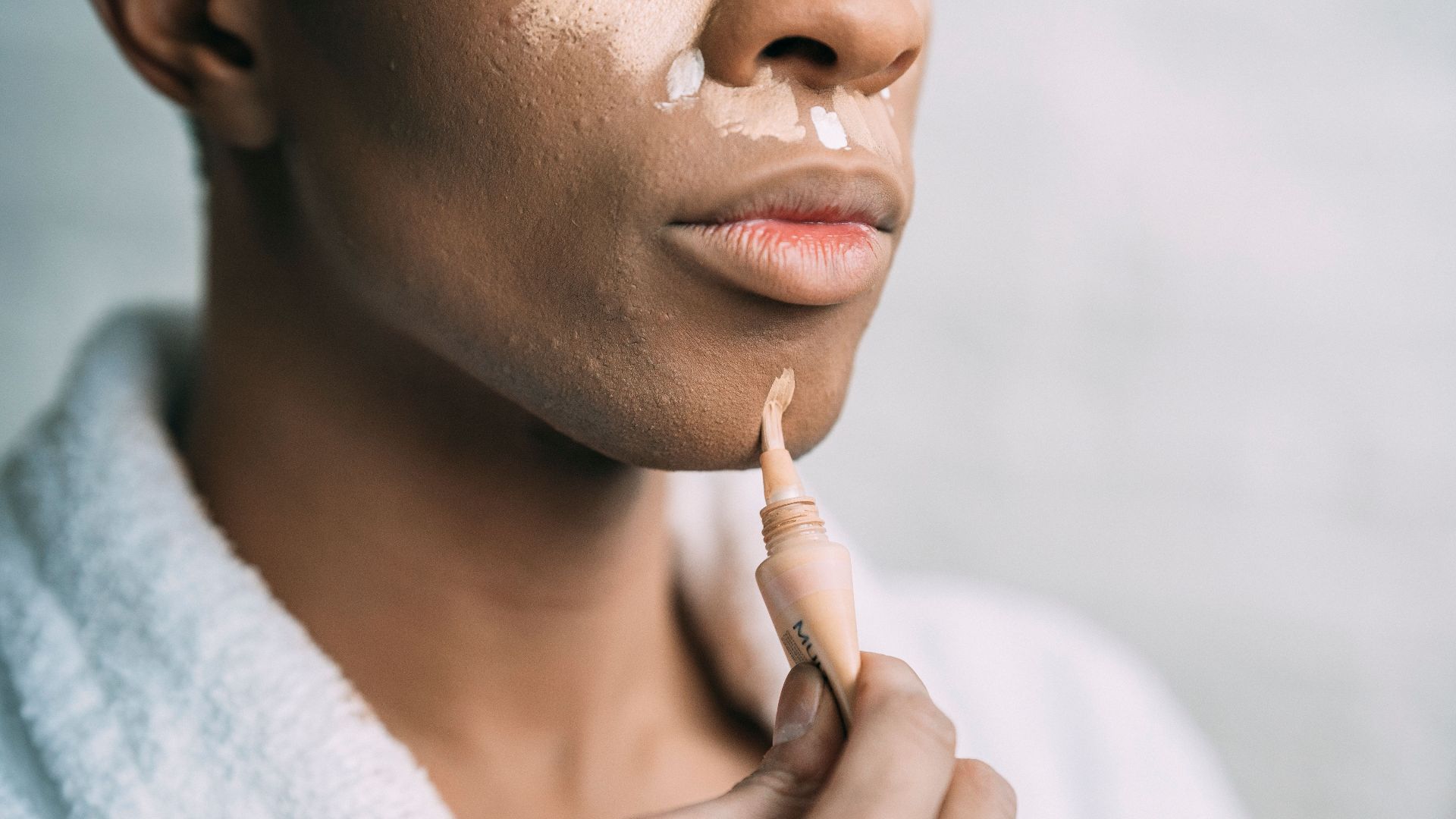
Cosmetics shoppers in the 1960s could choose from cream, liquid, stick, and compact foundations. Max Factor's expanding product range offered different levels of coverage and numerous shades. As self-service cosmetics displays gained popularity, customers became less dependent on beauty consultants when making their selections.
Portable Radios
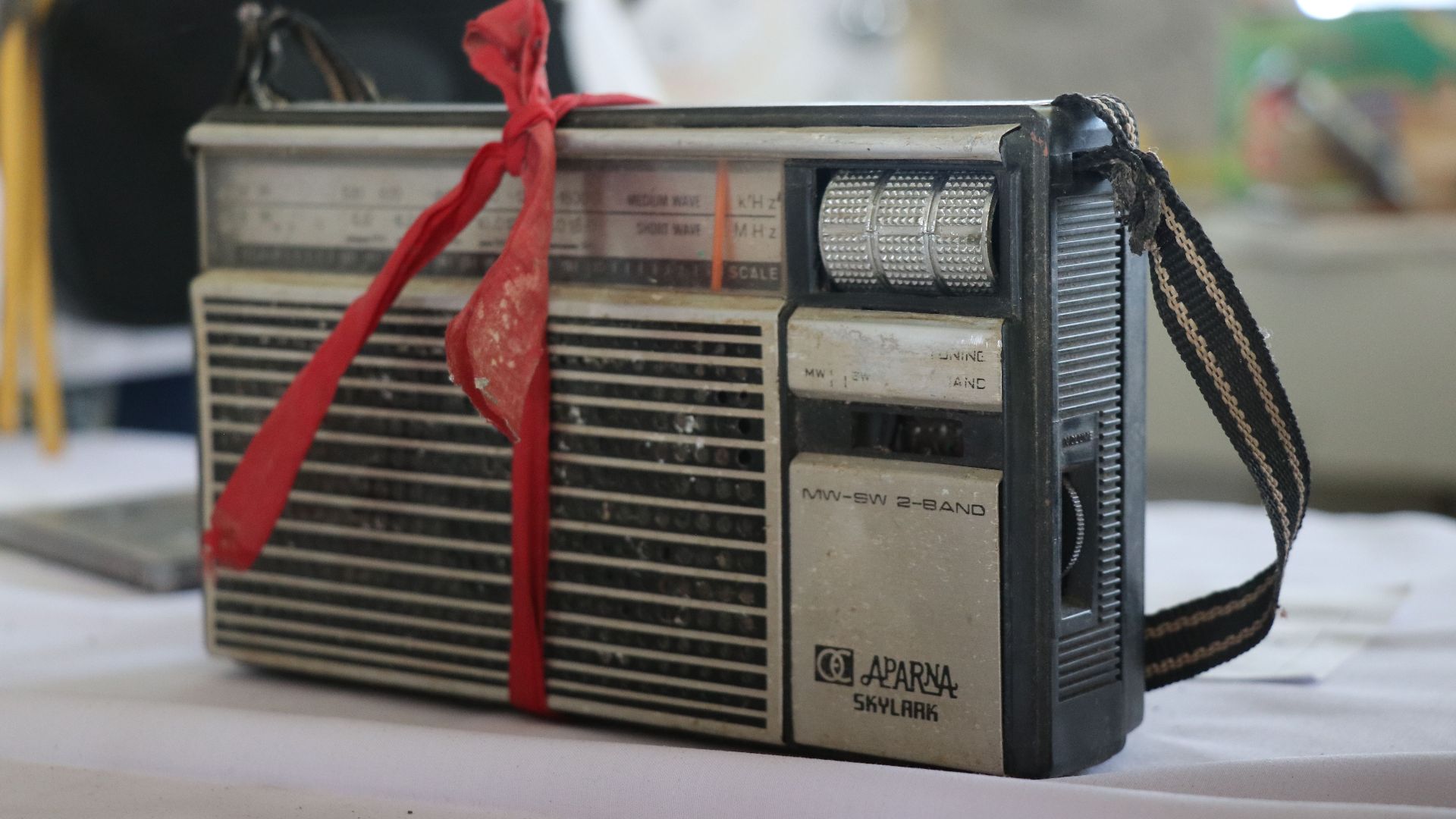
Catalog showrooms stocked the latest home entertainment equipment, including radios and combination stereo systems. Customers could examine working demonstration models before ordering a new unit from the stockroom. Today, basic portable radios are compact, relatively affordable purchases that don't necessarily require any sales assistance.
Anti-Itch Cream
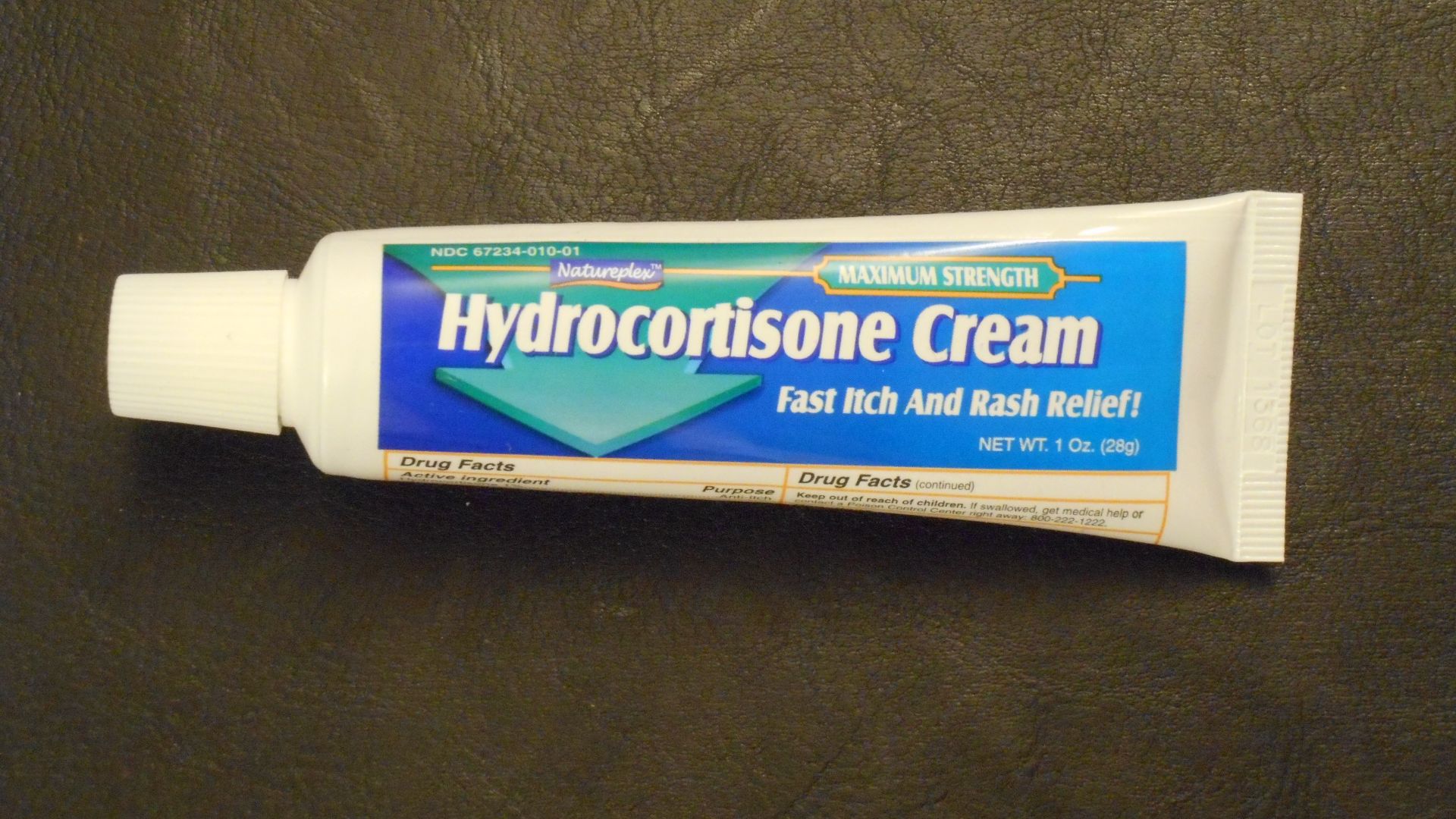
Certain hydrocortisone preparations were previously available only by prescription. Federal regulatory changes gradually expanded nonprescription access to this type of treatment. Today, hydrocortisone creams are familiar products in the first-aid aisle.
 Father Goose, Wikimedia Commons
Nail Polish
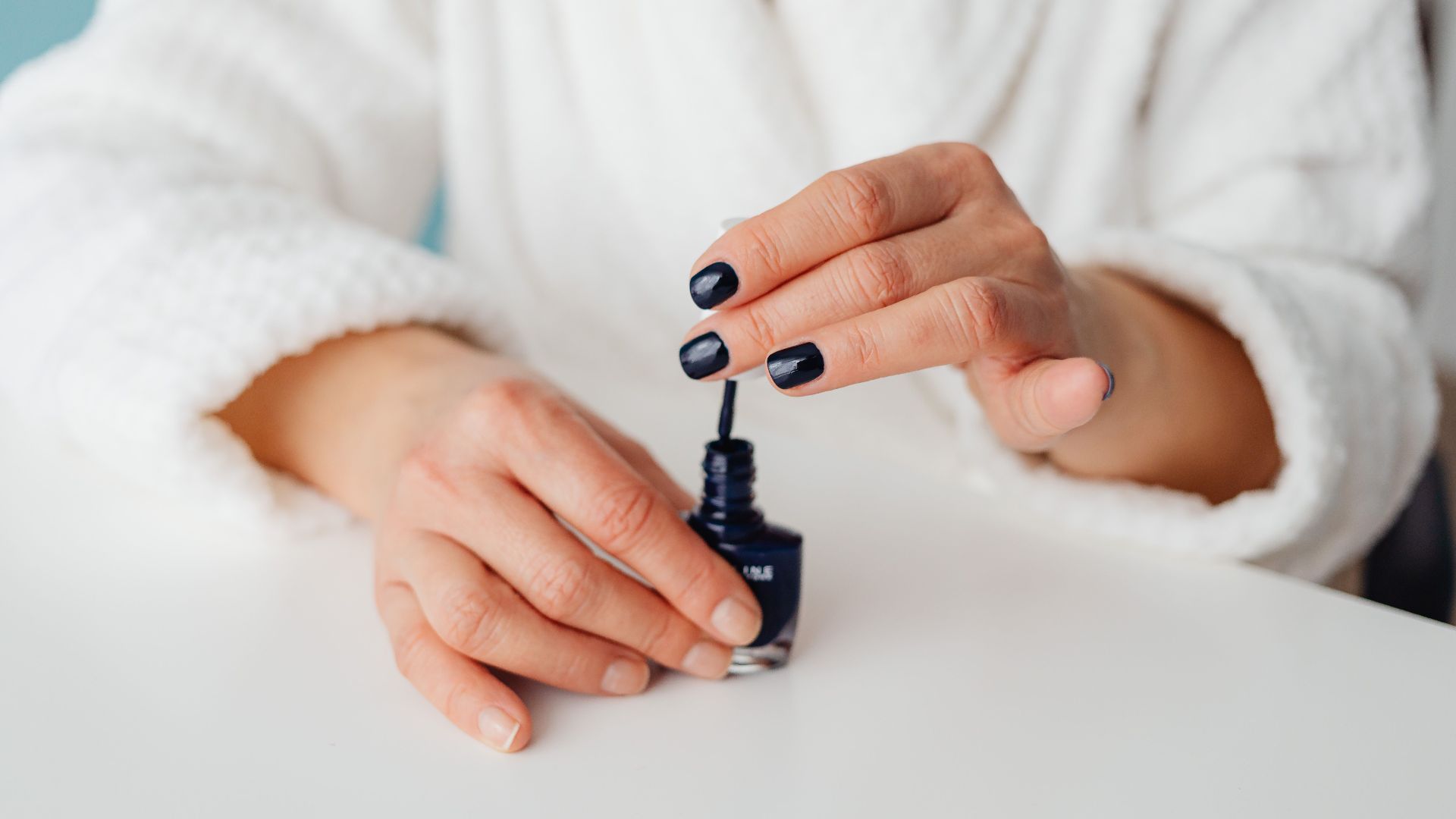
In 1961, Max Factor introduced its Nail Satin range with 20 shades designed to complement its lipsticks. As cosmetics moved toward self-service merchandising, customers could more easily compare matching colors. Dedicated beauty displays eventually replaced the need for personal assistance with many inexpensive cosmetics purchases.
Popcorn Makers
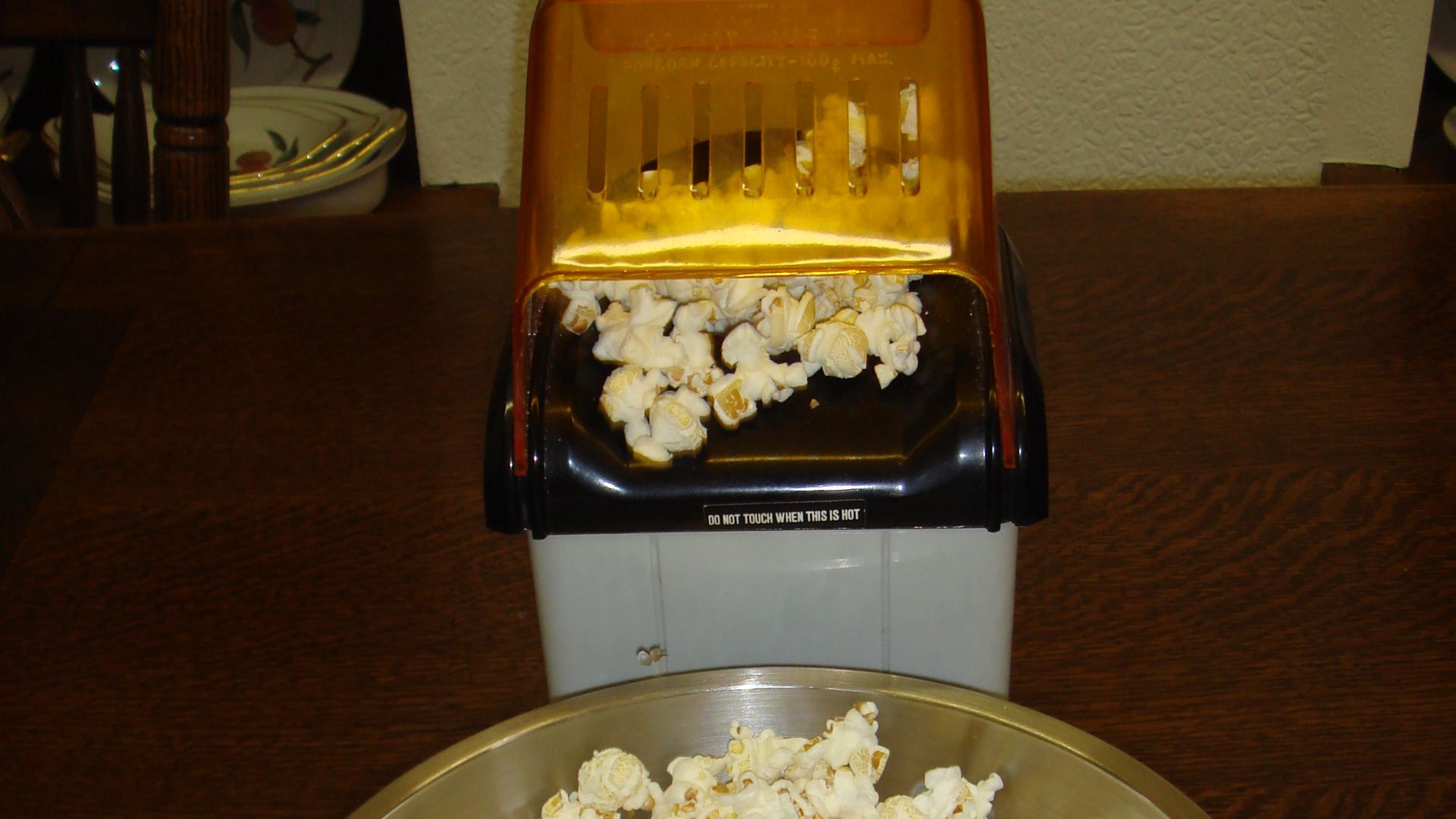
Electric popcorn makers were among the household gadgets advertised by Service Merchandise in the 1970s. A three-quart electric popper was advertised for $5.97 in October 1976. At catalog showrooms, customers ordered these appliances rather than carrying them directly from the display.
 en:User:ElinorD, Wikimedia Commons
Scientific Calculators
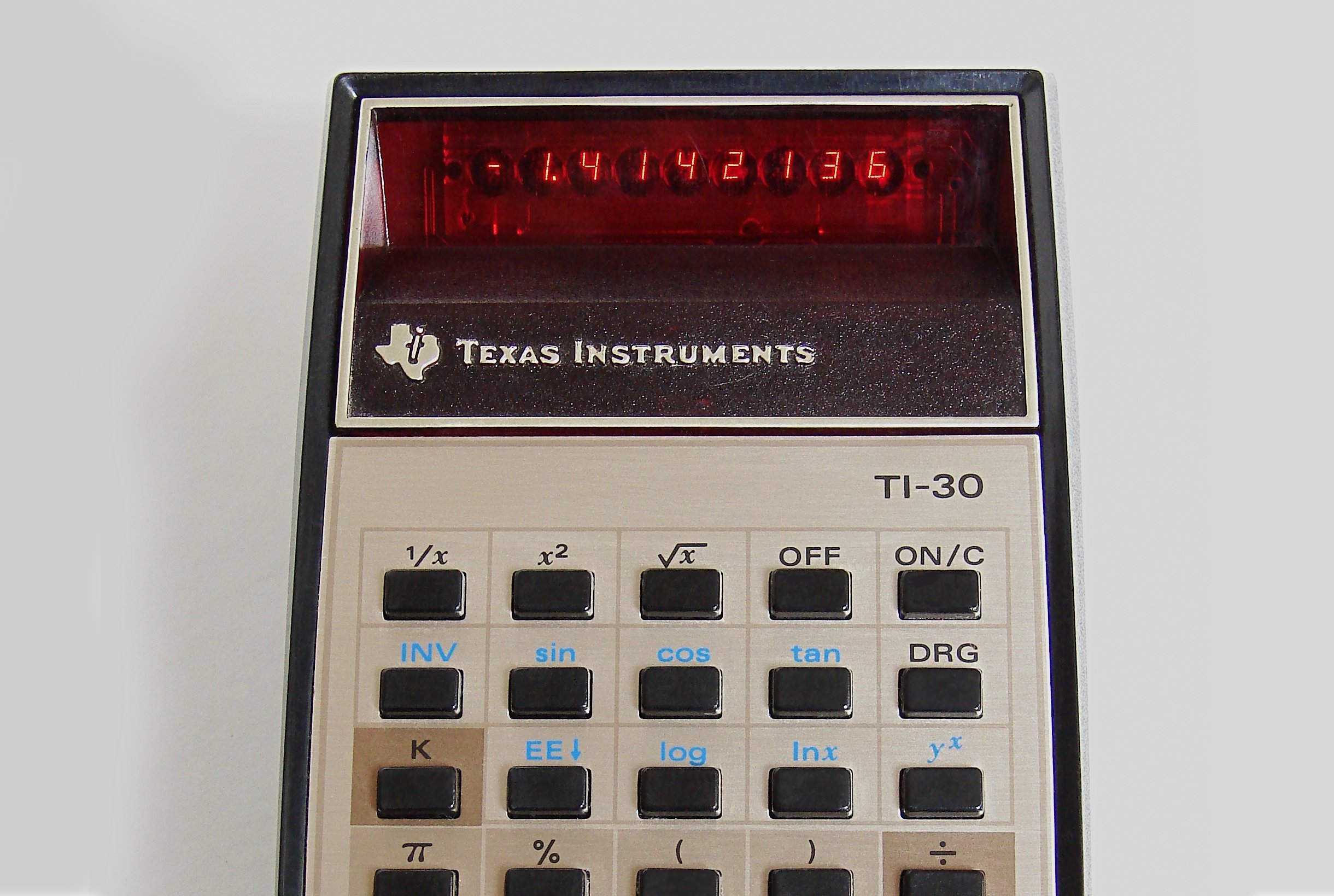
More advanced calculators also appeared in catalog showrooms. A deluxe Unisonic scientific calculator was advertised for $21.73 in 1976, while a rechargeable model cost $34.97. Today, students can find scientific calculators alongside notebooks and other school supplies.
 Loadmaster (David R. Tribble), CC BY-SA 3.0, Wikimedia Commons
Ibuprofen
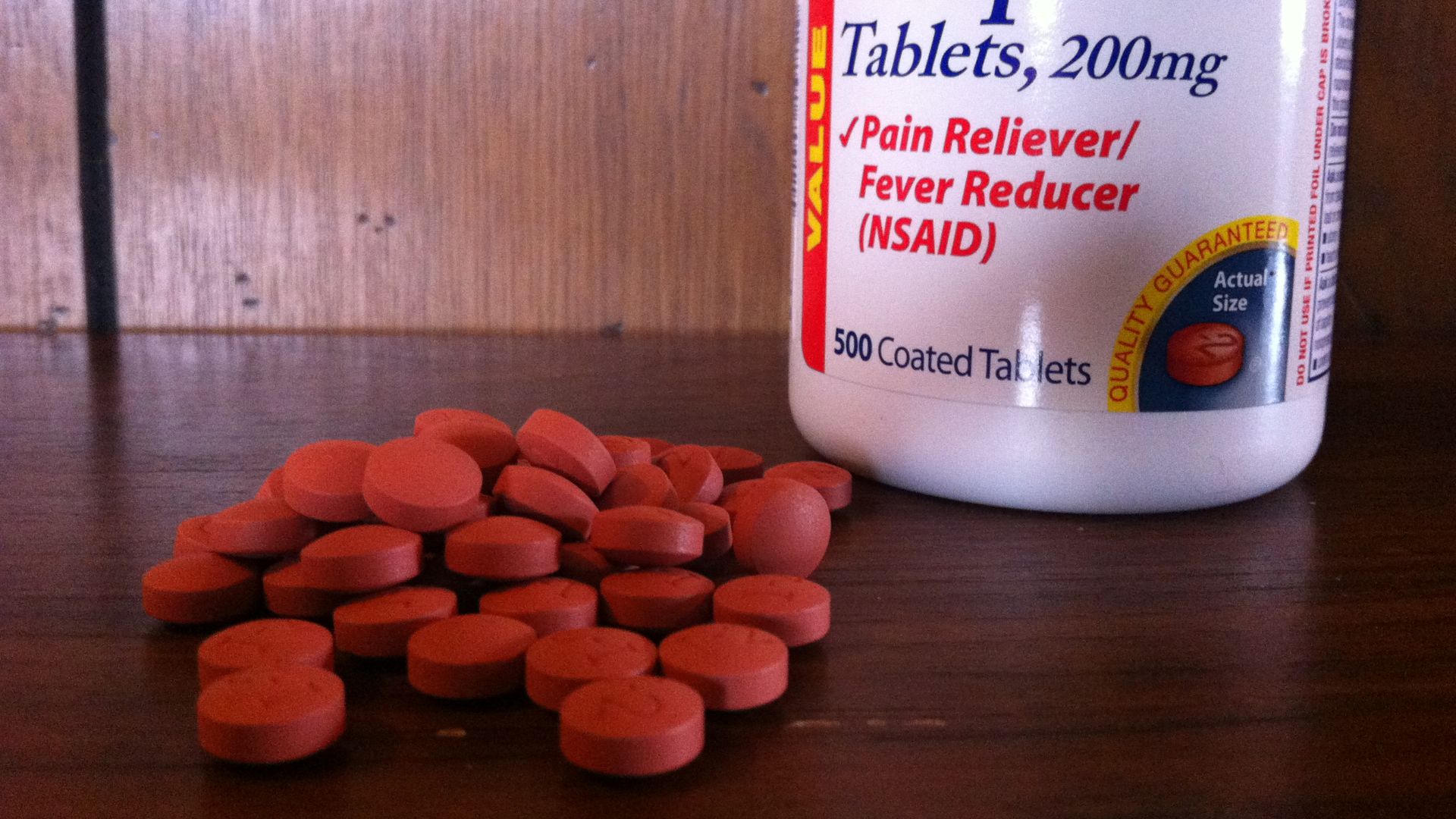
Picking up a bottle of Advil wasn't an option for shoppers in the 1970s. Ibuprofen was originally available in America by prescription, requiring a pharmacist to dispense it. Its switch to nonprescription availability in 1984 made it one of the most recognizable examples of changing pharmacy access.
 ParentingPatch, Wikimedia Commons
Mascara
Beauty companies increasingly targeted younger shoppers with affordable, accessible makeup during the 1970s. Max Factor's Pure Magic collection included mascara and other cosmetics marketed through freestanding self-service displays and small beauty boutiques. Shoppers no longer needed to visit a traditional full-service department-store cosmetics counter to explore these products.

Tape Recorders
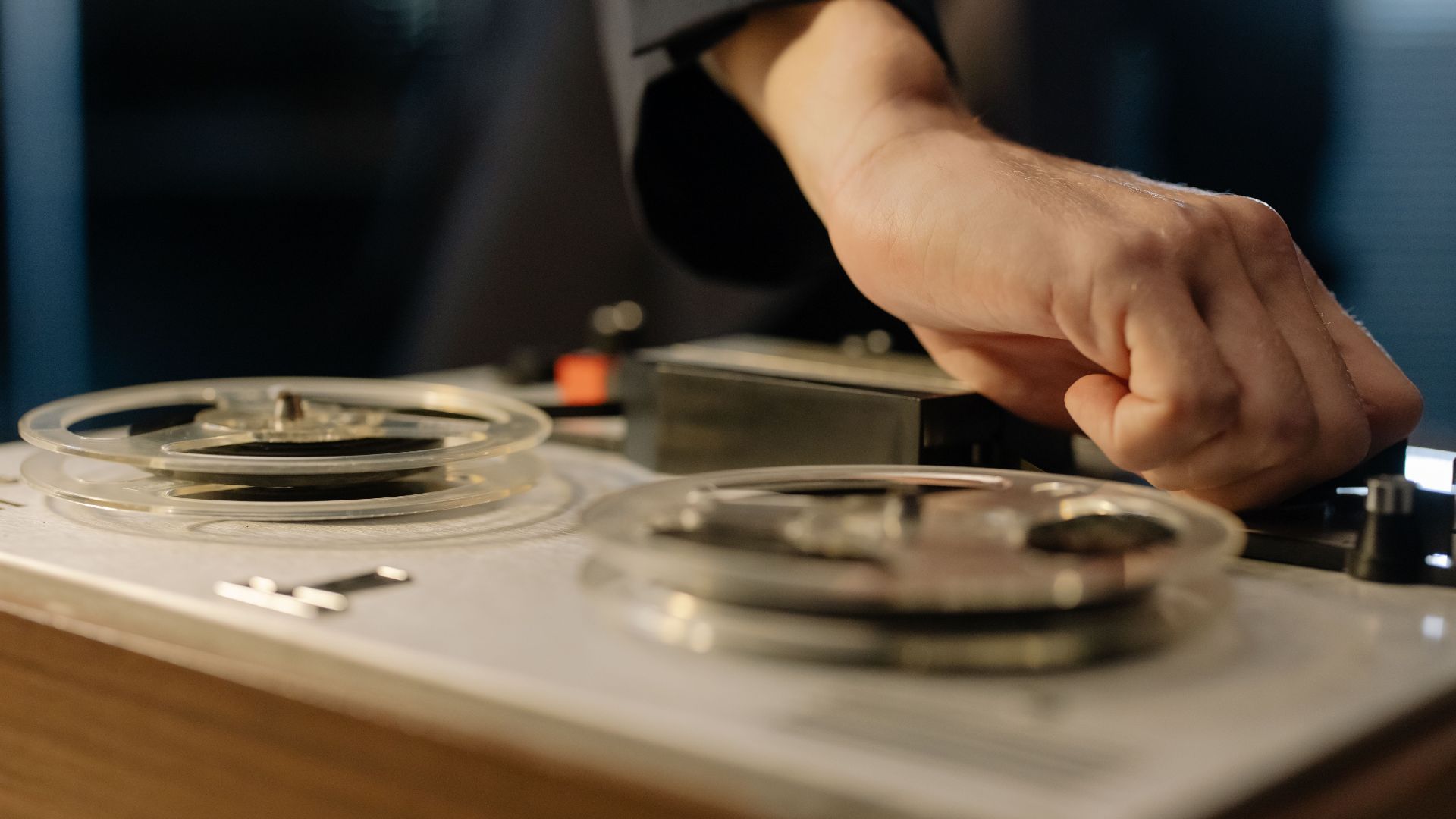
Portable cassette recorders were among the electronic gadgets shoppers encountered at catalog showrooms. A miniature General Electric cassette recorder was advertised for $43.72 in 1976. Today's equivalent digital voice recorders are often small enough to hang from ordinary electronics displays.
Face Powder
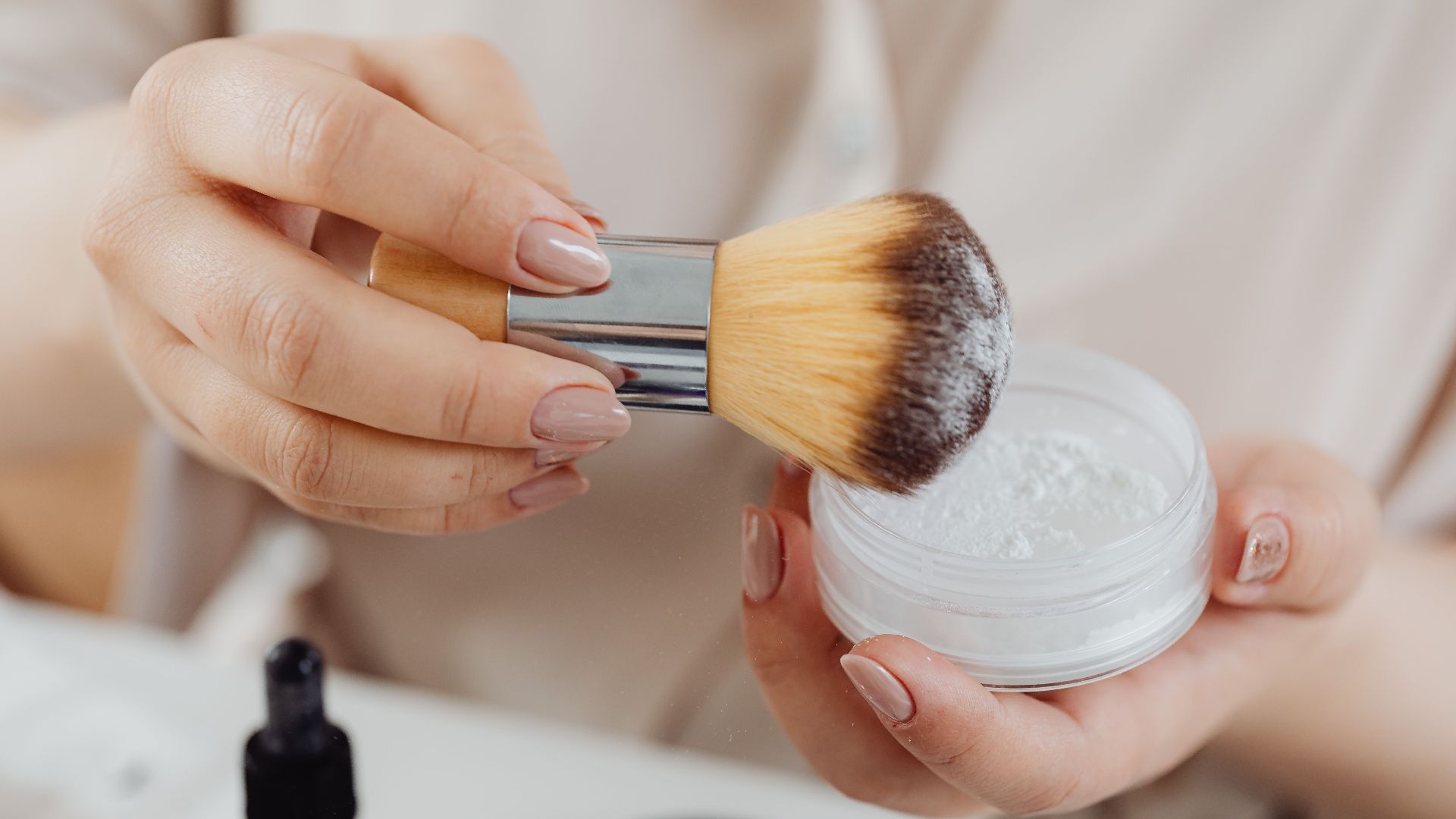
Compact powders were once associated with the glamorous surroundings of department-store beauty counters. Max Factor introduced its elegant Regency Thin Line Compacts in 1964. As self-service cosmetics departments expanded, affordable powders became increasingly accessible to shoppers outside traditional beauty departments.
CB Radios
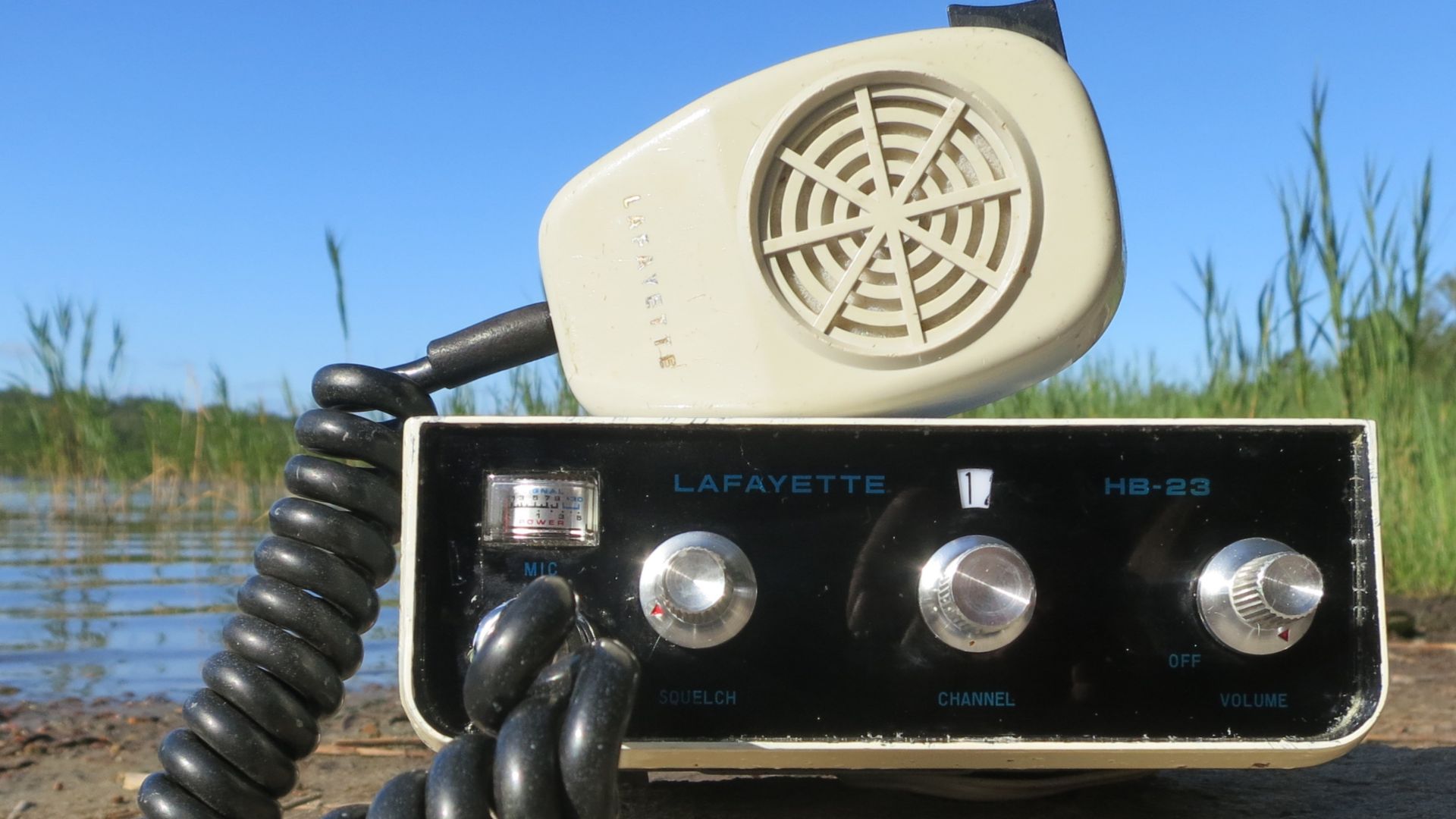
The CB radio craze of the 1970s created a thriving market for communication equipment. Service Merchandise advertised a Midland 23-channel radio for $69.97 in 1976. Although less fashionable today, CB radios remain available through electronics and automotive retailers, including self-service stores.
 R. Henrik Nilsson, Wikimedia Commons
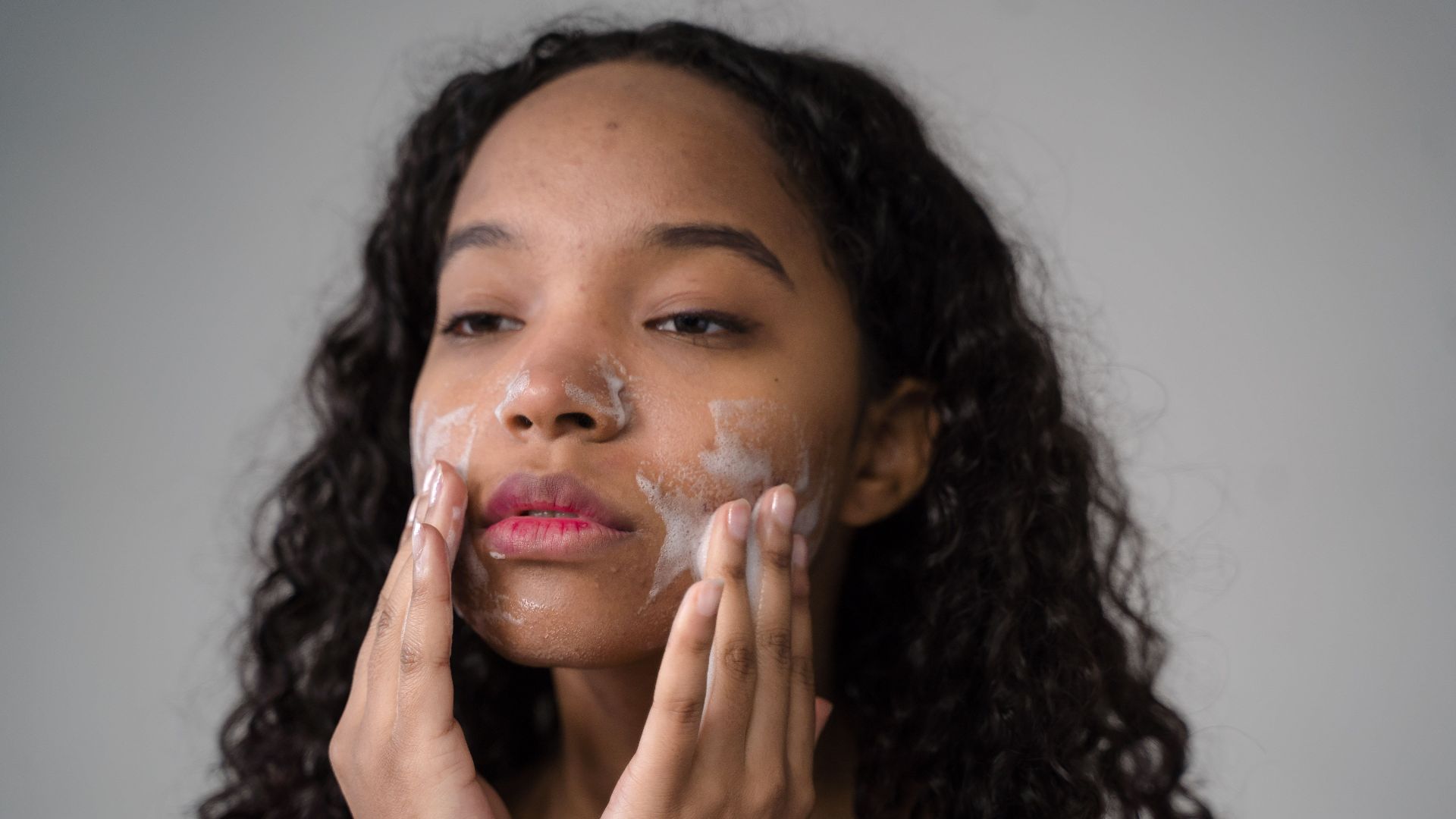
Facial Cleansers
In 1968, Max Factor expanded its Pure Magic collection with cleansing gel and toning lotion. The range appealed to younger consumers and eventually appeared in self-service displays. Products once associated with specialist beauty counters increasingly became part of ordinary personal-care shopping.
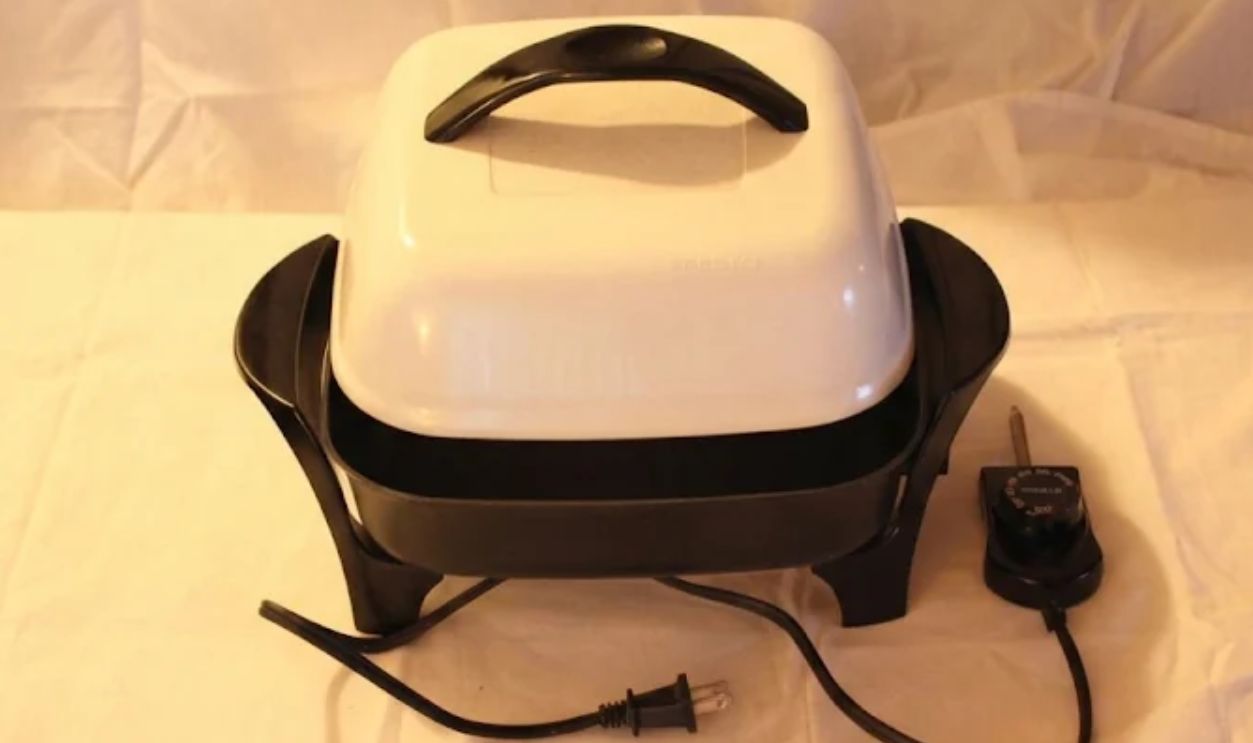
Electric Cookers
Small electric cooking appliances were another feature of the catalog showroom era. In 1976, Service Merchandise advertised its Little Mac fast cooker for $12.97. Modern countertop cooking gadgets are frequently displayed in their original packaging, ready for shoppers to collect themselves.
 Dwight Burdette, Wikimedia Commons, Modified
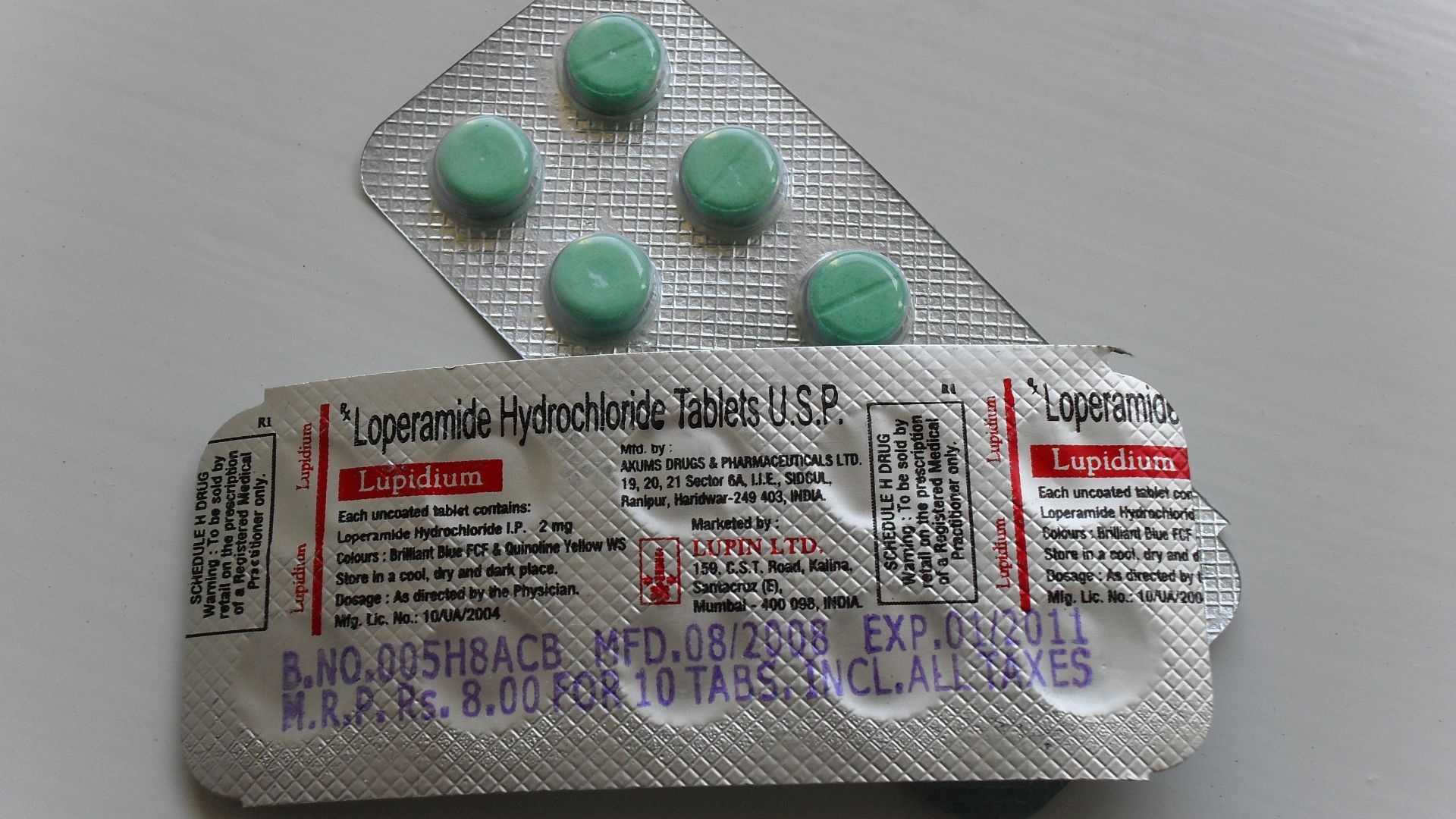
Digestive Relief Medicine
The active ingredient in Imodium, loperamide, was originally available by prescription. Its approval for nonprescription sales in 1988 changed how Americans could obtain this treatment. Shoppers could subsequently purchase approved formulations without arranging a separate doctor's appointment.
 Kristoferb (talk), Wikimedia Commons
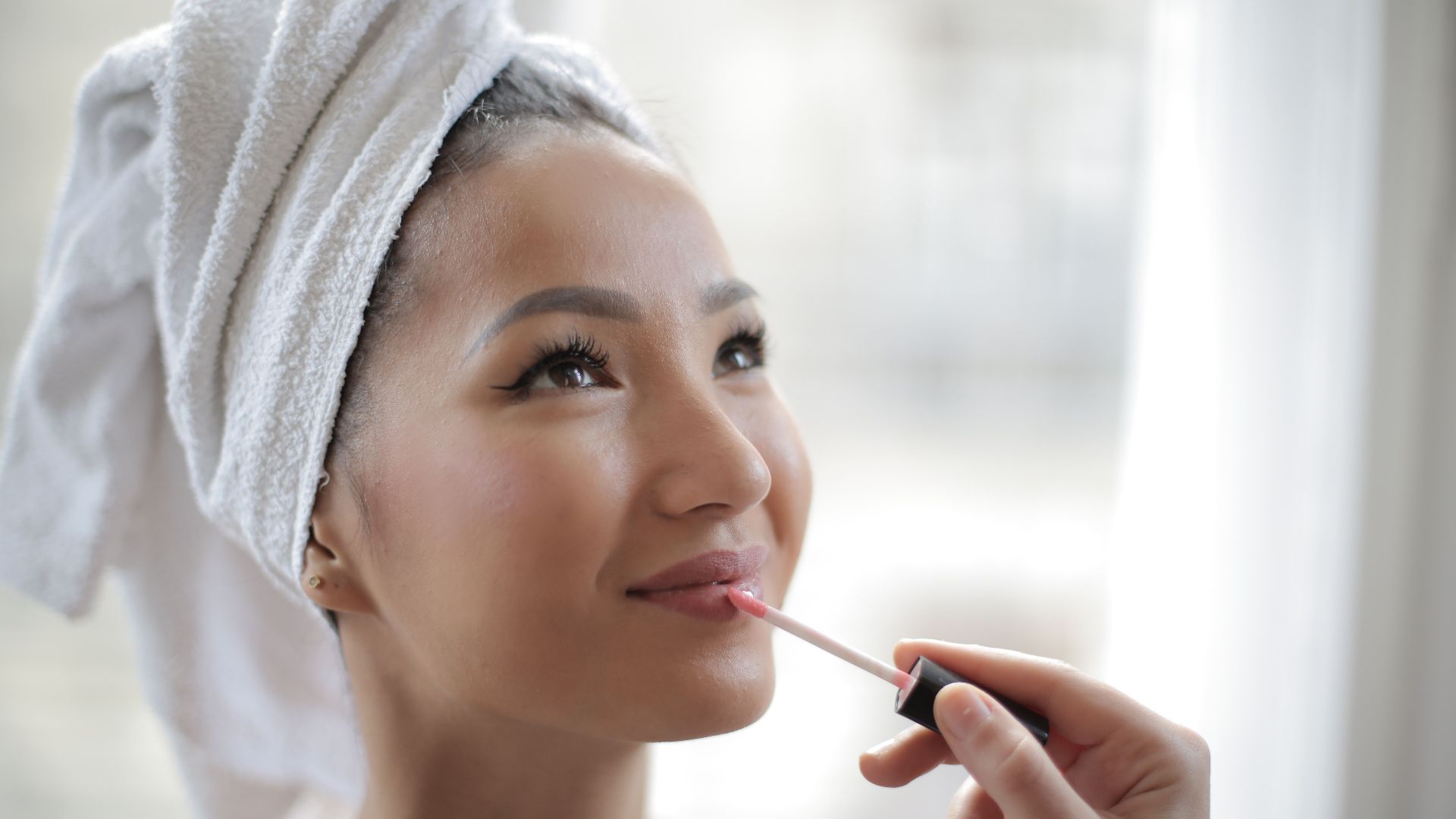
Lip Gloss
During the 1970s, cosmetics manufacturers expanded their selections to appeal to teenage and young adult shoppers. Max Factor's Pure Magic collection included several gloss products sold through self-service displays. Affordable lip gloss eventually became as much a drugstore purchase as a department-store one.
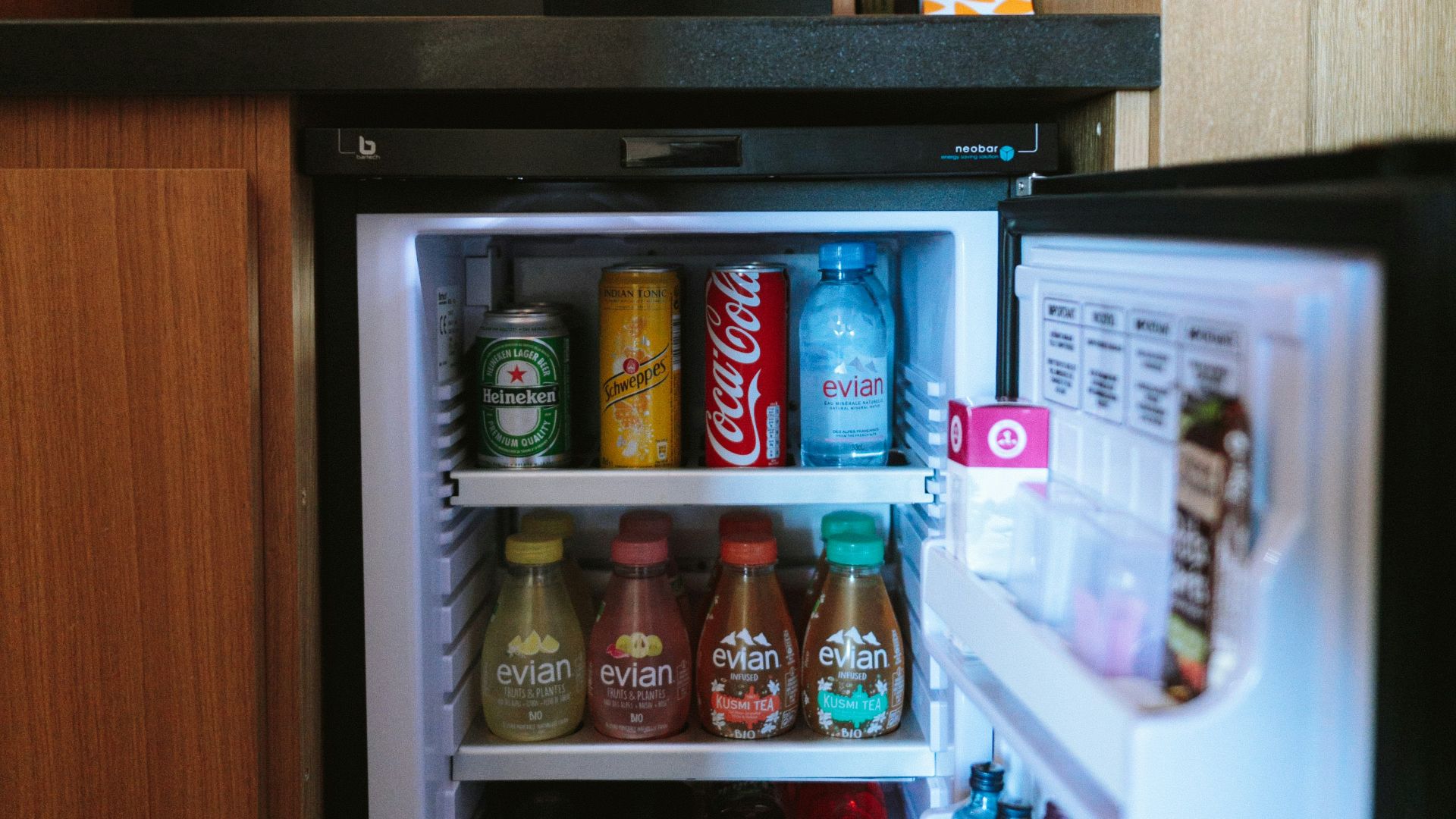
Compact Refrigerators
Buying a small refrigerator at a catalog showroom didn't necessarily mean navigating an appliance warehouse. Service Merchandise advertised a space-saving Sanyo refrigerator for $89.97 in 1976. Today, boxed miniature refrigerators are available directly from the sales floor at many large retailers.
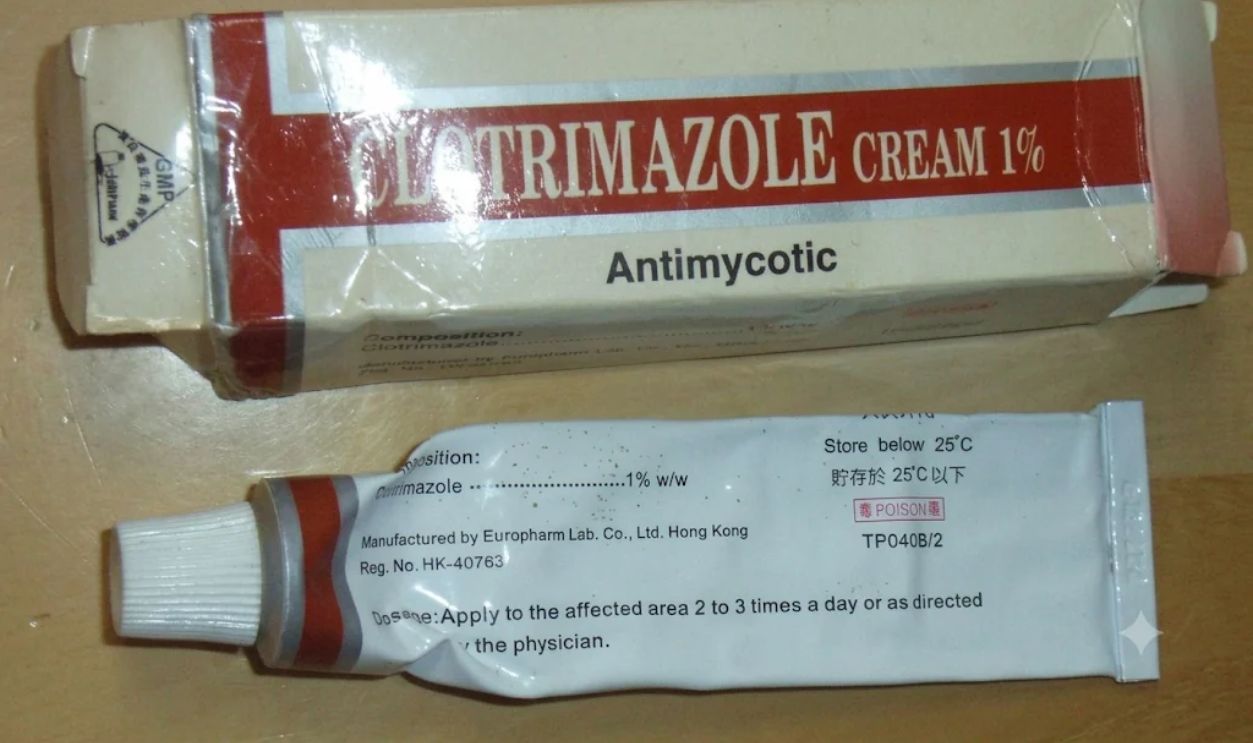
Antifungal Treatments
Certain remedies for athlete's foot also underwent a regulatory transformation. Clotrimazole, associated with the Lotrimin brand, gained nonprescription approval in 1989. Pharmacy customers could then purchase approved formulations without first obtaining a prescription.
 Watswang, CC BY-SA 3.0, Wikimedia Commons
Even The Packaging Changed
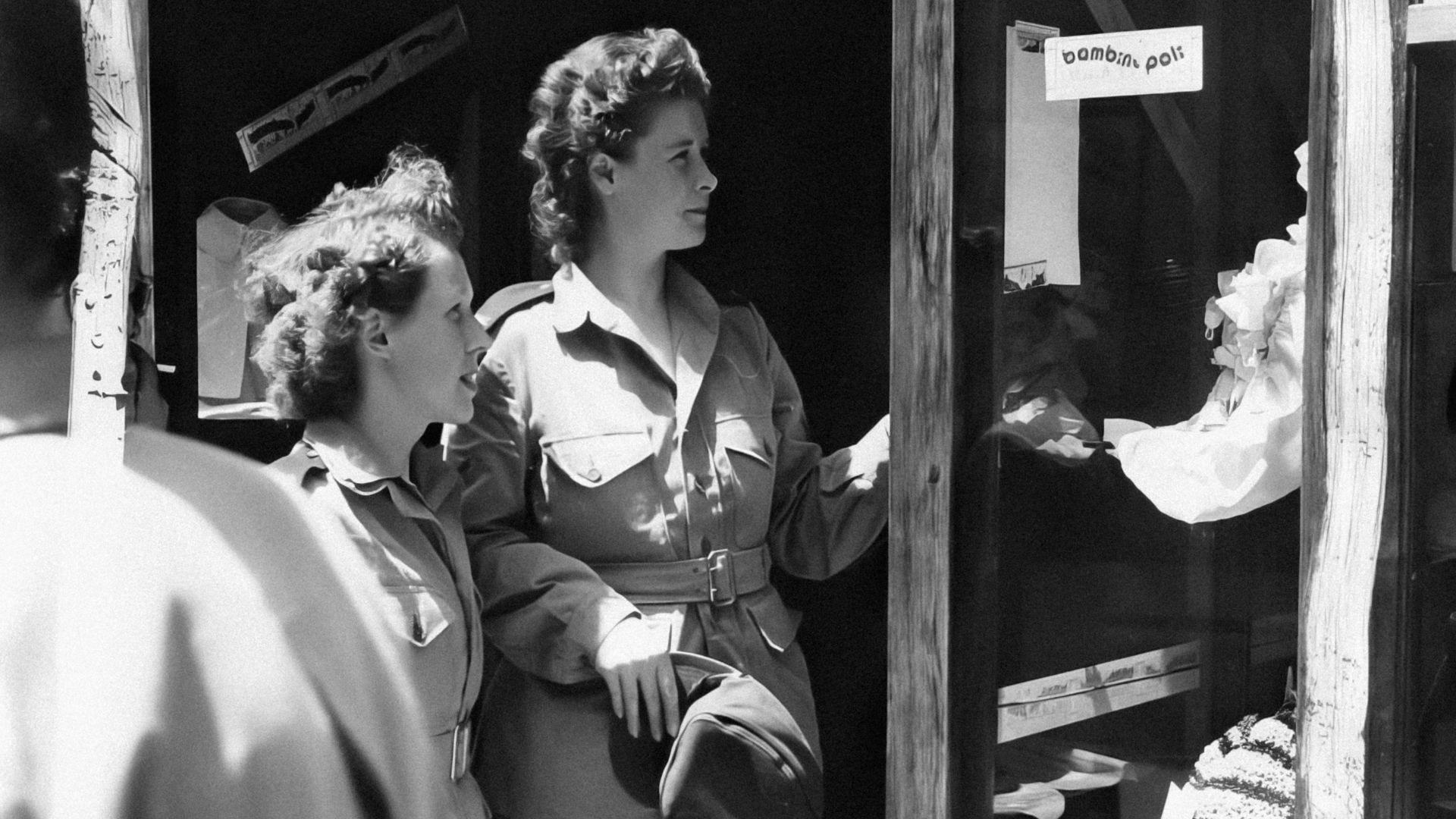
Moving merchandise out from behind counters required more than rearranging store fixtures. Packaging had to communicate important details that salespeople previously explained, including colors, sizes, and product variations. L'eggs demonstrated just how commercially successful an instantly recognizable package could become.
 Galt Museum & Archives, Unsplash
The End Of The Waiting Game
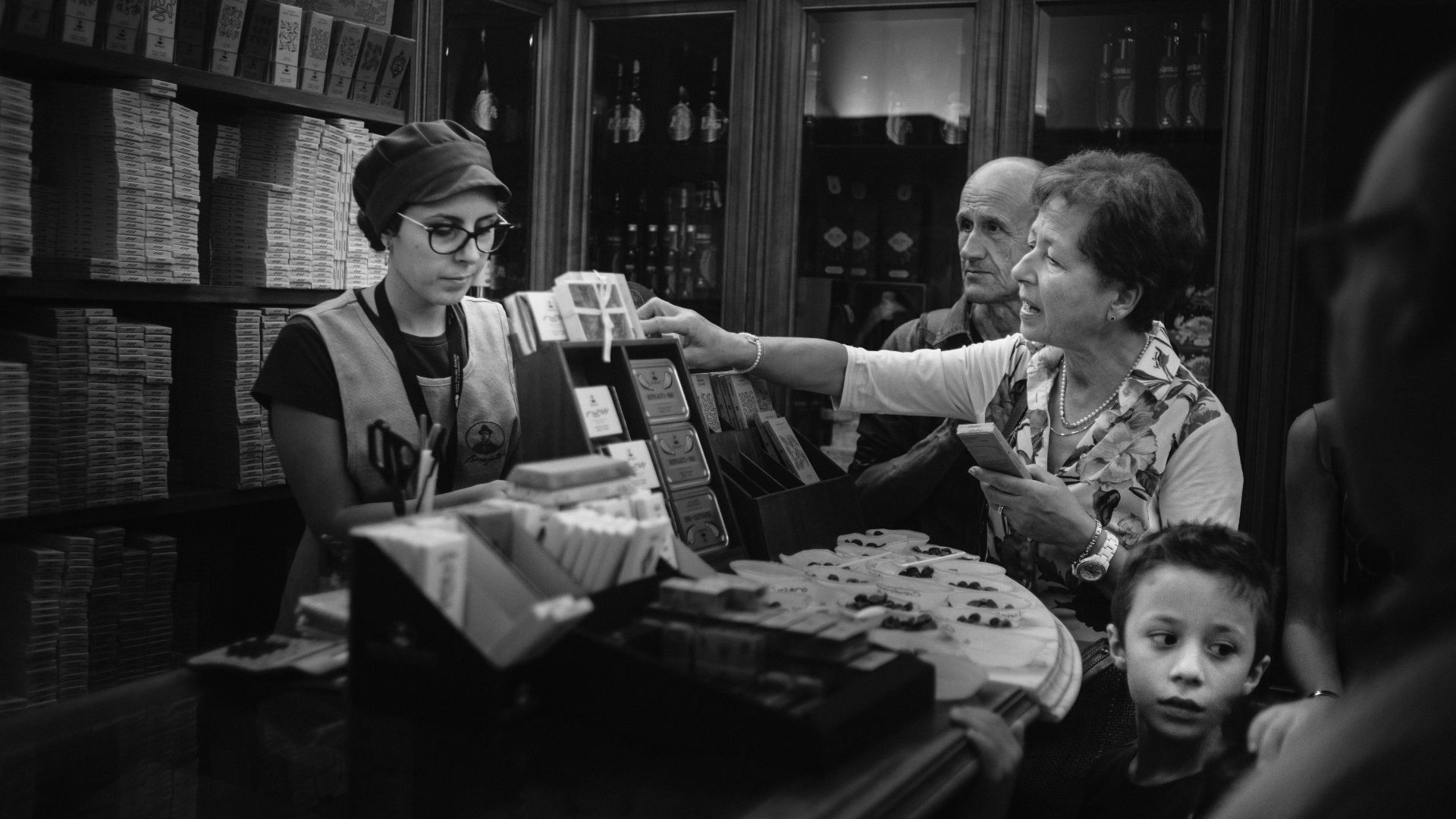
At catalog showrooms, shoppers sometimes watched their purchases emerge from a stockroom on a conveyor belt. Self-service stores offered a simpler alternative, while changing packaging and pharmacy regulations gave customers greater independence. Although some retailers still secure valuable merchandise, many purchases that once required assistance now take only seconds.
You May Also Like:
Vending Machines In The 60s And 70s Sold Things You'd Never Expect Today—Did You Buy Any Of Them?
Forgotten Frozen Foods From The 1970s And 1980s That Once Filled America's Freezers