

One Pension, Two Very Different Retirement Futures
My spouse has something I don't: a pension that could provide regular income for the rest of their life. I've been saving for retirement, but knowing that one of us has guaranteed payments while the other depends on investments makes me wonder whether we're equally protected. The good news is that retirement fairness doesn't necessarily require identical accounts or identical benefits. It requires a plan that protects both spouses, including when life doesn't go as expected.

Fair Doesn't Always Mean Fifty-Fifty
A pension and a retirement investment account work differently, so comparing their balances isn't particularly useful. A traditional defined-benefit pension generally promises payments calculated using factors such as salary and years of service, while a 401(k) depends on contributions and investment performance. One spouse might have more savings on paper, while the other has more predictable monthly income. The goal should be comparable financial security rather than matching account statements.

Start By Putting Everything On The Table
Before deciding whether the arrangement is fair, both spouses should review their complete retirement picture. That means listing pensions, 401(k)s, IRAs, savings accounts, debts, and expected Social Security benefits. Include the age when each benefit becomes available and whether payments continue after either spouse dies. This exercise helps distinguish a genuine retirement shortfall from an understandable concern about having different types of assets.

Find Out What The Pension Actually Promises
A pension statement is the starting point, but it doesn't always tell the entire story. Ask the plan administrator for estimates at different retirement ages, along with information about vesting, payment options, and survivor benefits. A pension that pays $3,000 monthly under one option might provide a different amount when survivor protection is included. Understanding those conditions matters more than simply knowing that a pension exists.
Your Spouse's Pension Isn't Automatically Yours
Marriage can provide important protections under certain retirement plans, but it doesn't make every pension benefit an unrestricted joint asset. Federal rules generally require many private qualified pension plans to offer married participants a qualified joint and survivor annuity unless properly waived. Government pensions, church plans, and other arrangements may operate under different rules. Both spouses should confirm their actual rights before assuming the pension will support either of them indefinitely.
 Inside Creative house, Shutterstock
The Survivor Benefit Could Change Everything
A qualified joint and survivor annuity pays benefits during the retiree's lifetime and continues a specified portion to the surviving spouse. Under federal rules, the survivor percentage for this standard arrangement generally falls between 50% and 100% of the retiree's annuity amount. That protection can be particularly valuable when the surviving spouse has no pension of their own. However, choosing survivor coverage often reduces the monthly payment received while both spouses are alive.

A Bigger Check Today Can Mean Less Protection Tomorrow
Suppose the pension offers $3,000 monthly as a single-life annuity or $2,700 monthly with a hypothetical 100% survivor benefit. The first choice produces $300 more each month while the pension holder lives, but payments under a single-life option generally stop at death. The second choice provides a smaller initial payment but would continue supporting the surviving spouse under the assumed terms. These figures are illustrative, and the actual difference depends on the pension plan's calculations.
Don't Sign Away Rights Without Understanding Them
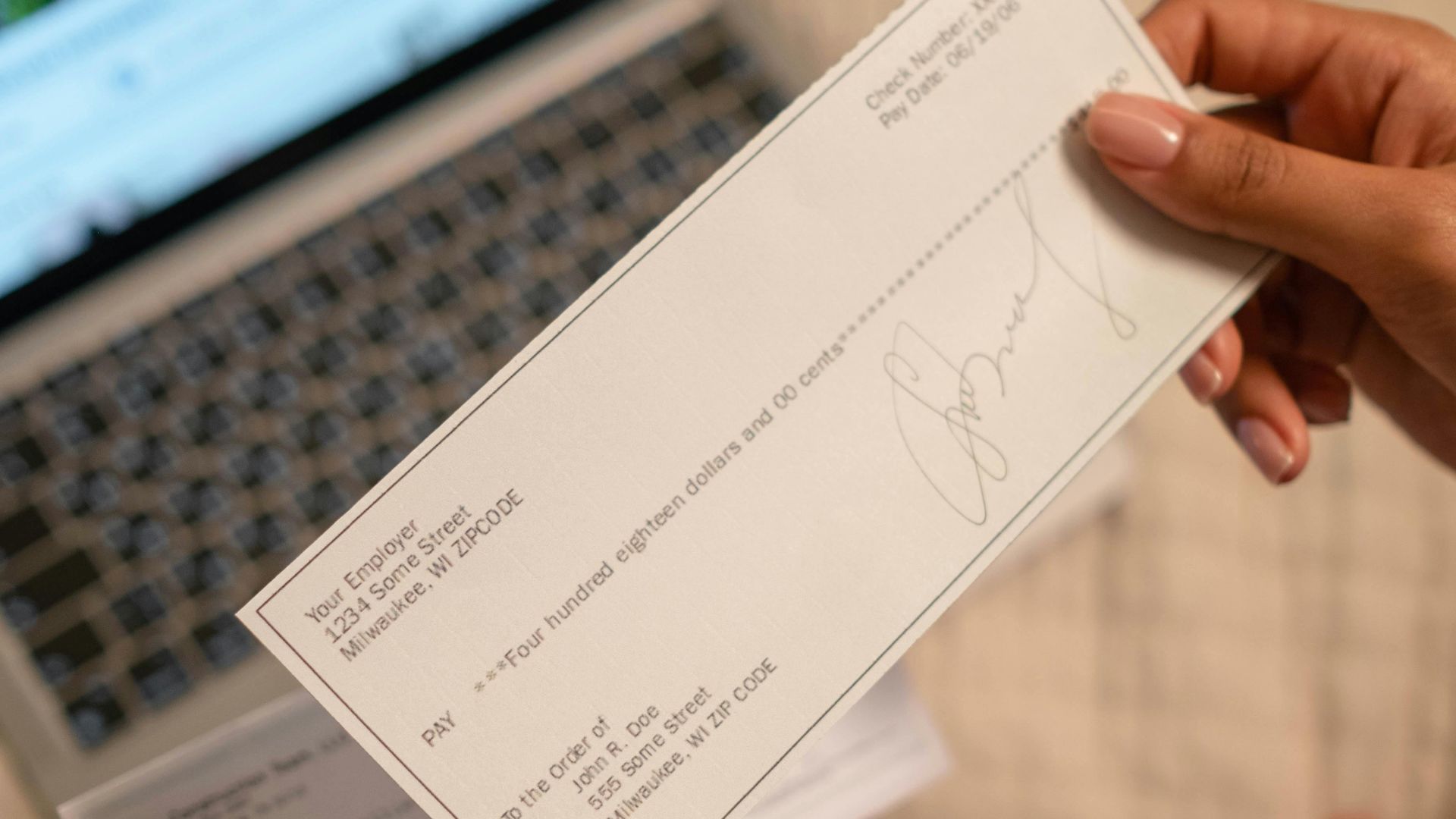
Under federal rules governing many qualified pension plans, a married participant generally cannot waive the required joint and survivor annuity without the spouse's written consent. That consent typically must be witnessed by a notary or authorized plan representative. Signing the paperwork can have lasting consequences because the alternative benefit may end when the pension holder dies. Before consenting, request a written comparison of the available options and their effect on survivor income.
What If My Spouse Dies Before Retiring?
Survivor protection can matter even before the first pension payment arrives. Certain qualified plans must provide a qualified preretirement survivor annuity when a vested married participant dies before benefits begin, unless the protection was properly waived. The benefit and eligibility requirements depend on the plan and applicable rules. Ask the administrator what would happen if your spouse died tomorrow, rather than assuming retirement-age protections apply automatically.

Build A Retirement Account In Your Own Name
Even with a well-protected pension, having retirement savings under your own control can provide valuable flexibility. An IRA or workplace retirement account can supplement pension income and help cover unexpected expenses. These accounts also give the non-pension spouse a clearer picture of their independently held assets. The couple can agree to prioritize contributions to the spouse who lacks a pension while still planning their finances together.
A Spousal IRA Could Help Close The Gap
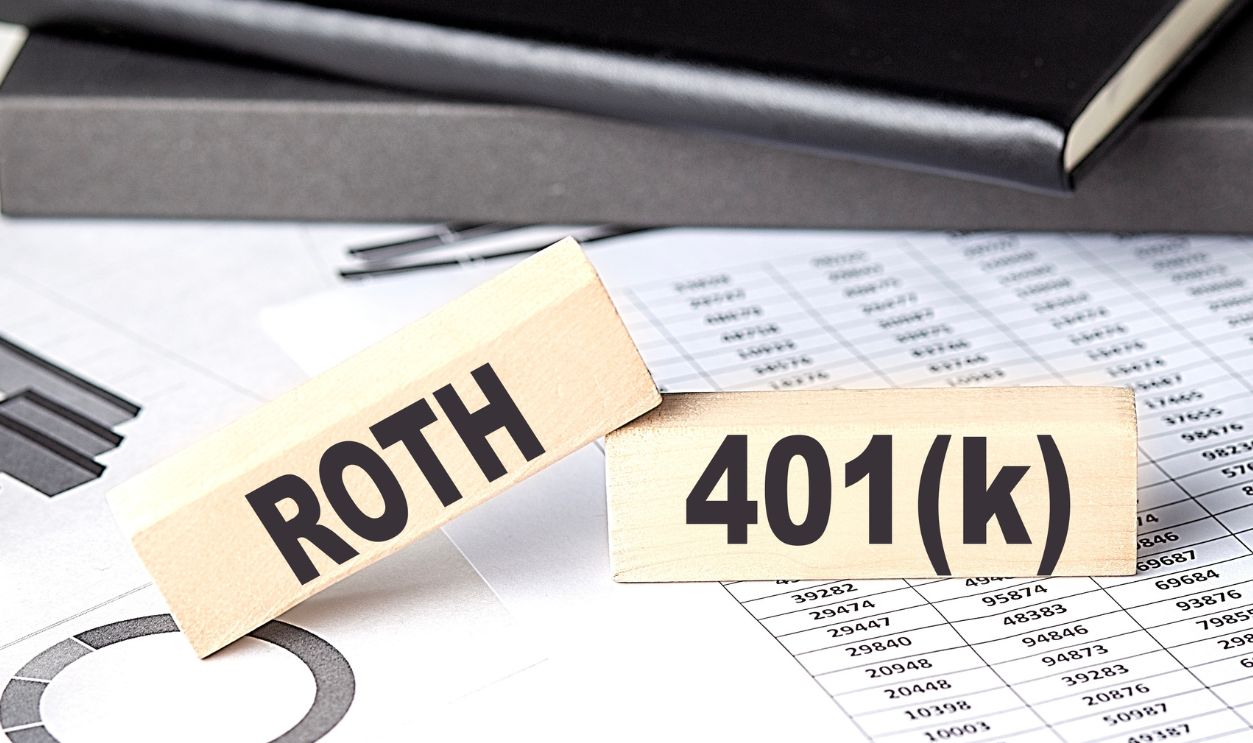
If one spouse earns little or no income, a spousal IRA contribution may still be possible. Under IRS rules, married couples filing jointly can generally contribute to separate IRAs using their combined taxable compensation, subject to annual limits and eligibility requirements. The account belongs to the spouse whose name is on it, even when the other spouse earns the money used to fund it. This provides a practical way to build retirement savings for someone who spent years outside the paid workforce.
 Hadayeva Sviatlana, Shutterstock
Don't Overlook Your Own Workplace Benefits
Not having a pension doesn't necessarily mean having no employer-sponsored retirement opportunities. If your employer offers a 401(k), check whether it provides matching contributions and review the plan's vesting rules. Employer contributions can help strengthen your retirement savings, although investment results aren't guaranteed. Couples should consider both spouses' workplace benefits when deciding where to direct their retirement contributions.

Make Retirement Contributions A Household Decision
One spouse's pension may allow the household to allocate more savings toward the other spouse's retirement accounts. For example, the pension holder might contribute less to additional voluntary investments while the non-pension spouse increases eligible retirement contributions. This arrangement can improve the balance of independently held savings without requiring identical financial circumstances. However, both spouses should consider tax consequences, employer matches, and annual contribution limits before changing their savings strategy.

Social Security Might Help Balance Things Out
Social Security retirement benefits are another important part of the equation for eligible American couples. Someone with a smaller earnings record may qualify for benefits based on a spouse's work history, potentially receiving up to half the worker's full retirement-age benefit. Eligibility and the actual payment depend on several factors, including claiming age. That makes Social Security worth investigating before assuming the spouse without a pension will have little retirement income.
 Vitalii Vodolazskyi, Shutterstock
You Usually Can't Collect Two Full Social Security Benefits
A spouse who qualifies for retirement benefits on their own record and spousal benefits generally doesn't receive both full amounts added together. Social Security coordinates the payments so the person generally receives the higher applicable total benefit. Claiming before full retirement age can also reduce monthly payments. Both spouses should use their personal Social Security estimates rather than simply adding the maximum benefits they see advertised.

Survivor Benefits Deserve Their Own Calculation
Social Security survivor benefits are different from ordinary spousal retirement benefits. An eligible surviving spouse may receive a benefit based on the deceased spouse's earnings record, with the amount affected by claiming age and other circumstances. Someone already receiving their own retirement benefit may qualify for a higher survivor benefit instead, but generally cannot collect both full amounts. A household budget that assumes two Social Security checks will continue unchanged after one spouse dies could therefore be dangerously optimistic.

Retirement Timing Can Affect Both Spouses
The age when each spouse stops working and begins collecting benefits can significantly influence household finances. Delaying Social Security retirement benefits beyond full retirement age can increase the worker's monthly benefit up to age 70, while pension adjustments depend on the particular plan. Couples should compare different retirement dates rather than automatically leaving work together. A few additional working years may improve savings, reduce withdrawals, or strengthen future income.

Don't Compare Pension Income With Savings Balances
A pension paying $2,500 monthly provides $30,000 annually before taxes, assuming twelve equal payments. But that doesn't mean the pension has a simple account balance that can be compared directly with a $300,000 IRA. Its economic value depends on factors such as payment duration, survivor benefits, inflation adjustments, and the plan's financial structure. A financial planner or pension specialist can help translate these different benefits into a meaningful household retirement comparison.
Inflation Can Quietly Change The Equation
A pension offering the same dollar payment every month may feel secure initially, but rising prices reduce its purchasing power over time. Some pensions include cost-of-living adjustments, while others provide fixed payments. Ask whether your spouse's pension increases automatically, occasionally, or not at all. If it lacks inflation protection, the couple may need investments and other income sources to help cover expenses that rise during retirement.

Your Investment Strategy Should Consider The Pension
A predictable pension can influence how much investment risk a couple needs or wants to take. However, it doesn't automatically justify putting the non-pension spouse's entire retirement account into stocks. Investment allocation should reflect the household's spending needs, time horizon, risk tolerance, and access to cash. The Securities and Exchange Commission advises reviewing asset allocation as financial circumstances and retirement goals change.

Create A Budget For Both Of You
Retirement planning becomes more useful when the discussion shifts from account ownership to actual monthly expenses. Estimate housing, groceries, transportation, insurance, medical expenses, taxes, and discretionary spending. Then compare those costs with the couple's expected after-tax pension, Social Security, and investment income. This calculation reveals whether the household can maintain its lifestyle without putting excessive pressure on one spouse's savings.

Then Create A Budget For One
A retirement plan that works beautifully for two people may not work after one dies. Some expenses disappear, but housing, utilities, property taxes, and many insurance costs may remain. At the same time, pension payments and Social Security income could change substantially. Running a separate survivor budget helps determine whether the spouse without a pension would still be financially secure.

Taxes Can Make Equal Payments Unequal
A $3,000 pension payment isn't necessarily $3,000 available for household spending. Employer-funded pension payments are generally taxable as ordinary income, although certain after-tax contributions can make part of a payment tax-free. Traditional retirement account withdrawals may also generate taxable income, while qualified Roth IRA withdrawals generally receive different treatment. Compare the after-tax income available to each spouse instead of relying exclusively on gross figures.
Healthcare Needs A Separate Plan
A spouse with a pension may also have access to employer-sponsored retiree health coverage, but those benefits shouldn't be assumed. Medicare advises retirees to check how employer coverage coordinates with Medicare and whether spouses are included. Depending on the arrangement, Medicare enrollment may be necessary to avoid gaps in coverage or penalties. Healthcare costs deserve particular attention if one spouse retires before becoming eligible for Medicare.

Check Whether The Pension Is Protected
Not every pension carries the same financial guarantees. Many eligible private-sector defined-benefit plans receive protection from the Pension Benefit Guaranty Corporation, although that protection has limits and doesn't cover every type of pension. Government and certain other pension arrangements follow different rules. Understanding who stands behind the promised payments helps couples assess how much of their retirement security depends on a single source.

What Happens If The Marriage Ends?
Retirement fairness also involves understanding what would happen if the couple divorced. Under applicable law, a pension earned during marriage may be considered marital property, even when only one spouse participated in the plan. Many private retirement plans require a qualified domestic relations order, commonly called a QDRO, to recognize an eligible former spouse's right to benefits. The actual division depends on state law, the plan, and the court order, so neither spouse should assume an automatic equal split.
 https://kaboompics.com/, Pexels
Estate Planning Is Part Of Retirement Fairness
Survivor annuity elections, retirement account beneficiaries, and estate documents should work together rather than contradict one another. Certain retirement plans automatically protect spouses, while others require beneficiary designations and additional paperwork. The IRS recommends reviewing beneficiary information after major life events, including marriage, divorce, and the death of a spouse. Both partners should know which assets would remain available to the survivor and how to access them.
 simona pilolla 2, Shutterstock
A Financial Planner Can Help Settle The Numbers
When retirement income comes from different sources, a professional can help compare pension elections, Social Security strategies, taxes, and investment withdrawals. A planner can also test what happens if one spouse lives much longer than the other or unexpected expenses arise. Look for someone who can explain their compensation, qualifications, and potential conflicts of interest. The objective is to produce a practical plan both spouses understand, not simply declare that one retirement account is worth more than another.

The Fair Solution Is A Plan That Protects Both Spouses
The spouse with a pension doesn't necessarily need to surrender benefits, and the spouse without one doesn't need to accumulate an identical amount of savings. A fair arrangement might combine survivor protection, retirement contributions in both names, coordinated Social Security decisions, and a budget that works for either surviving partner. The most important step is making those decisions together while both spouses can evaluate their options. Retirement should be a shared financial future, not a situation where one person feels secure and the other has to hope everything works out.

You May Also Like:
Common Purchases That All Boomers Made—But Millennials Aren’t Buying