

Some Bills Aren’t As Fixed As They Look
When money gets tight, groceries, heating, medication, and other essentials can become tempting places to cut because they’re visible every week. But plenty of recurring household bills quietly grow for years without anyone challenging them. Before sacrificing necessities, it may be worth making a few phone calls first.
Internet Service
Internet bills have a habit of looking affordable during the promotional period and considerably less attractive once it ends. Check the bill for equipment rentals, speed tiers, and add-ons before calling the provider and asking whether a retention or lower-cost plan is available. Consumer Reports has repeatedly found that negotiating with internet providers can pay off, especially when competing services are available in the area.

Cell Phone Plans
Families can spend a surprising amount on premium wireless plans without using the features that supposedly justify them. Look at actual monthly data consumption, hotspot usage, device payments, insurance, and streaming perks before comparing alternatives. Smaller carriers and MVNOs that use the major networks can sometimes provide similar everyday coverage for considerably less, particularly when nobody needs the highest-priority data or premium perks.

Cable TV
Cable remains one of the classic bills worth questioning when the introductory rate disappears. Ask what the bill would look like without rented boxes, premium channels, sports packages, or an outdated bundle. If the provider won’t offer a better rate, compare live-TV streaming services or an antenna rather than automatically accepting another price increase.

Auto Insurance
Car insurance isn’t a bill families should simply renew without looking at it. Get quotes from several insurers using comparable coverage, then ask the current carrier about multi-car, bundling, safe-driver, defensive-driving, or other available discounts. Deductibles and collision or comprehensive coverage on an older vehicle can also be reviewed, although cutting protection just to lower the premium can create a much larger problem after a crash.

Homeowners Insurance
The cheapest homeowners policy isn’t necessarily the best one, but premiums can vary considerably between companies. Review replacement-cost estimates, deductibles, endorsements, and discounts before renewal and get competing quotes using roughly equivalent coverage. Some insurers also offer savings for bundling policies or for qualifying improvements such as updated roofs, alarms, or other loss-prevention measures.

Renters Insurance
Renters insurance may already be one of the smaller household bills, but it’s still worth checking. Households that carry auto insurance should ask whether adding renters coverage to the same company produces a multi-policy discount. Compare deductibles and coverage as well, since saving a few dollars isn’t worthwhile if the replacement protection for belongings becomes inadequate.

Medical Bills
A medical bill shouldn’t automatically be treated like a fixed retail price. Check that the services listed were actually received, insurance payments and adjustments were applied correctly, and there aren’t duplicate or incorrect charges. The CFPB advises patients who are struggling with a bill to request an itemized statement, ask about financial assistance, and discuss what the provider may be willing to accept.

Hospital Payment Plans
Before putting a large hospital balance onto a high-interest credit card, call the hospital’s billing office. Ask about financial assistance, charity care, discounts, and whether an interest-free installment plan is available. Turning a medical bill into expensive revolving credit can make an already difficult expense much harder to eliminate.

Home Security Monitoring
Security monitoring can remain on autopilot long after the introductory deal disappears. Review what the household is actually paying for, whether the equipment has already been paid off, and whether every monitoring feature is still necessary. Competing systems may offer professional monitoring for less, while some households may decide that a self-monitored option better fits their budget.

Satellite Radio
Satellite radio is another subscription where the renewal amount deserves attention. If the promotional rate ended and the service no longer feels worth the full price, contact the provider before automatically renewing. Ask about current promotions or a cheaper package, but compare the entire annual cost rather than being distracted by a low temporary monthly offer.
 unmatched value, Wikimedia Commons
Streaming Services
Streaming was supposed to make entertainment cheaper, but stacking several services can recreate a hefty cable bill surprisingly quickly. Make a list of every subscription being charged to the household, including ones purchased through Apple, Amazon, Roku, or another billing platform. Families can rotate services month by month, accept cheaper ad-supported tiers, or cancel overlapping subscriptions instead of paying for everything year-round.

Electricity Supply Plans
In states with retail electricity choice, the utility delivering power may not be the only company capable of supplying it. Check the current rate, whether it’s fixed or variable, and when any supply contract expires before comparing alternatives. Households without supplier choice can still ask their utility about time-of-use rates, budget billing, income-qualified assistance, or other programs that may lower or stabilize costs.

Natural Gas Supply Plans
Natural gas customers in some markets can also choose among competing suppliers. Review whether the household is on a fixed or variable contract, check for termination charges, and compare the actual supply rate rather than just the advertised promotion. Where supplier choice isn’t available, the local utility may still offer billing arrangements or assistance programs worth investigating.
 Evil Monkey, Wikimedia Commons
Heating Oil Or Propane Contracts
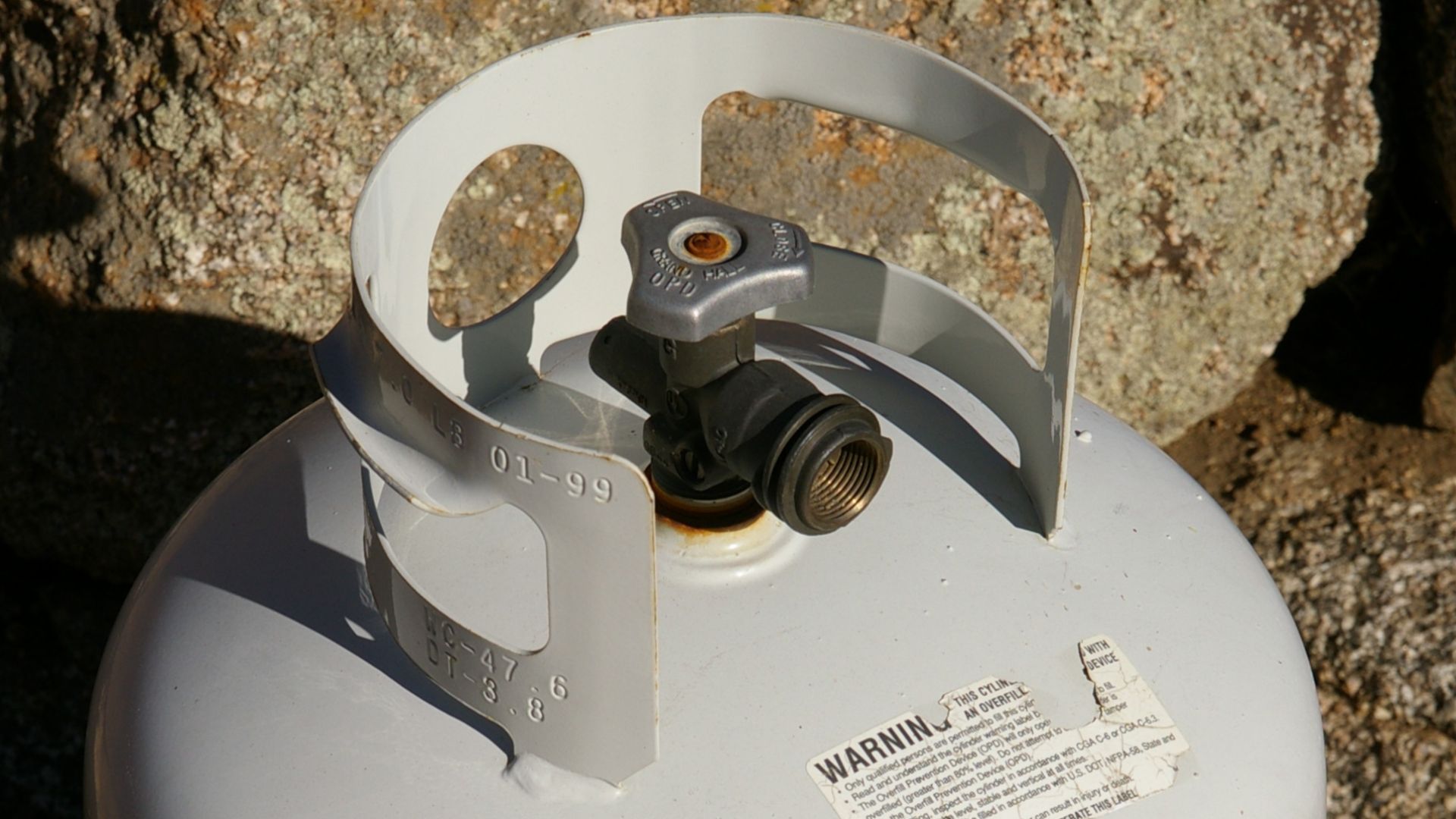
Homes that depend on delivered fuel shouldn’t necessarily stay with the same supplier indefinitely out of habit. Compare per-gallon pricing, automatic versus will-call delivery, minimum purchase requirements, tank fees, service contracts, and emergency-delivery charges. A competitor’s headline fuel price can look cheaper while becoming more expensive once all the extras are added, so compare the complete arrangement.
Trash And Recycling Service
Where municipal service isn’t mandatory and residents can choose private haulers, this can be another surprisingly negotiable expense. Ask neighboring households what they pay and request quotes from competitors for the same pickup frequency and container size. A household that no longer needs multiple weekly collections or an oversized container may also be able to move to a less expensive service level.

Pest-Control Contracts
A pest problem that required frequent visits two years ago may not justify the same recurring plan today. Review how often technicians actually visit, which services are included, and whether the household still needs year-round treatment. Ask whether seasonal visits, a narrower plan, or service only when a problem appears would be cheaper without leaving the home unprotected.

Lawn-Care And Landscaping Contracts
Landscaping services are easy to leave unchanged because each individual visit seems manageable. Add up the annual cost of mowing, fertilizing, weed treatment, aeration, trimming, leaf cleanup, and other extras separately. Families may be able to reduce visit frequency, handle one or two simpler jobs themselves, or request competing bids without giving up lawn care entirely.

HVAC Maintenance Plans
Heating and cooling companies often sell annual memberships that bundle inspections with discounts, priority service, or other perks. Compare the yearly subscription cost with what two ordinary maintenance visits would cost independently. If the household rarely uses the extras, ask whether a simpler plan exists rather than continuing to pay for benefits that never get used.

Gym Memberships
A family membership can quietly include initiation charges, annual maintenance fees, premium club access, classes, pools, childcare, or other features nobody uses anymore. Ask whether the gym offers a basic tier, off-peak membership, employer discount, or current promotion. Consumer Reports has also suggested negotiating with gym managers and checking whether health insurance or workplace benefits provide discounts.

Credit Card Annual Fees
A premium credit card that made sense several years ago may no longer earn enough rewards or provide enough useful benefits to justify its annual fee. Before canceling, call the issuer and ask whether a retention offer is available or whether the account can be changed to a lower-fee or no-fee card. A product change can sometimes preserve the account while eliminating a recurring cost that no longer earns its keep.

You May Also Like:
These Everyday Grocery Store Products Got Hit By “Shrinkflation”—Which Ones Have You Noticed?





.jpg)