
Your Cart Adds Up
You enter the supermarket expecting to spend $80 and somehow leave $125 poorer. That isn't always accidental. Grocery retailers and manufacturers use promotions, package sizes, shelf placement, loyalty offers, and psychological pricing to influence what shoppers perceive as a bargain and how much they ultimately buy.
The 10-For-$10 Deal
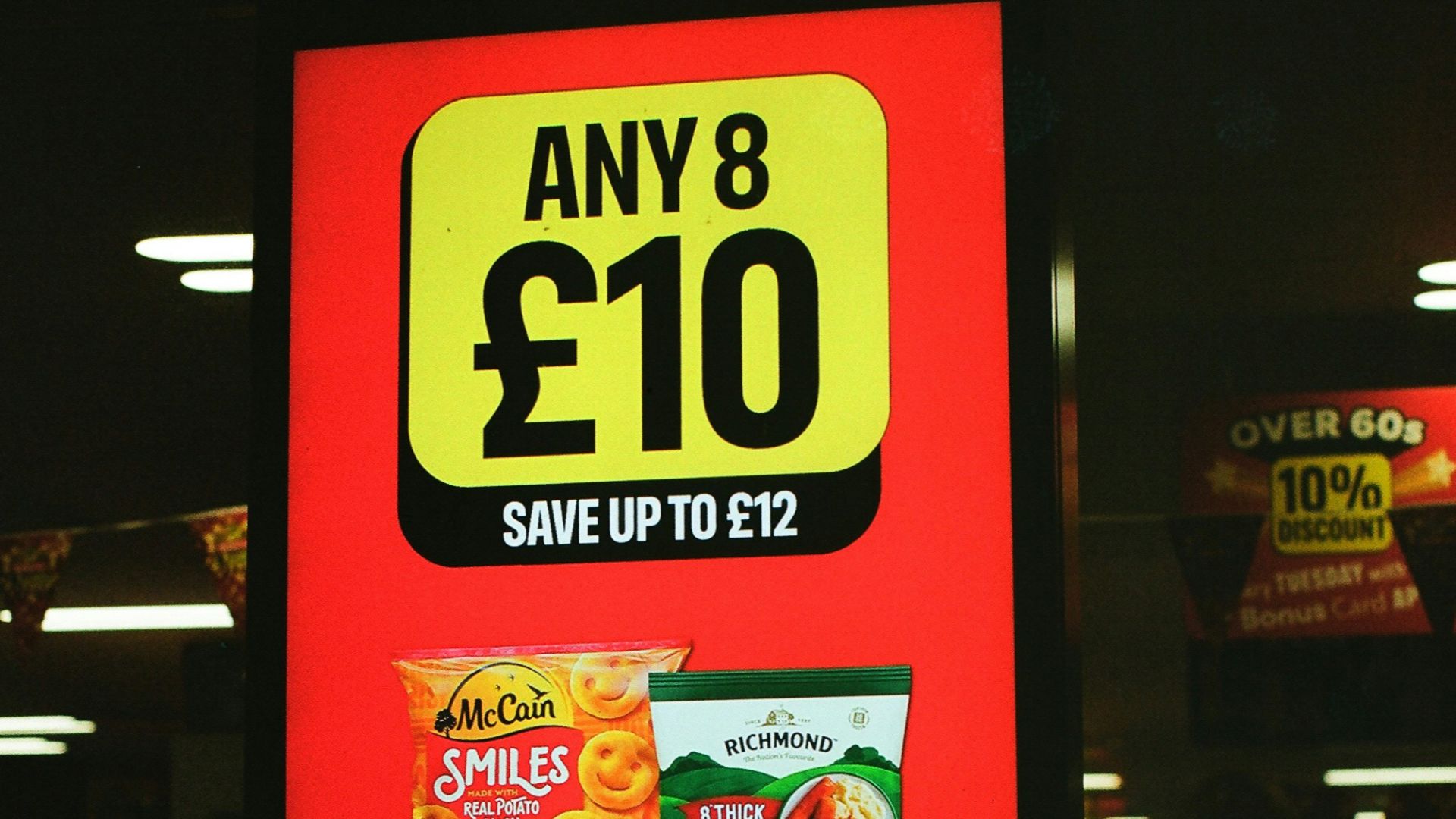
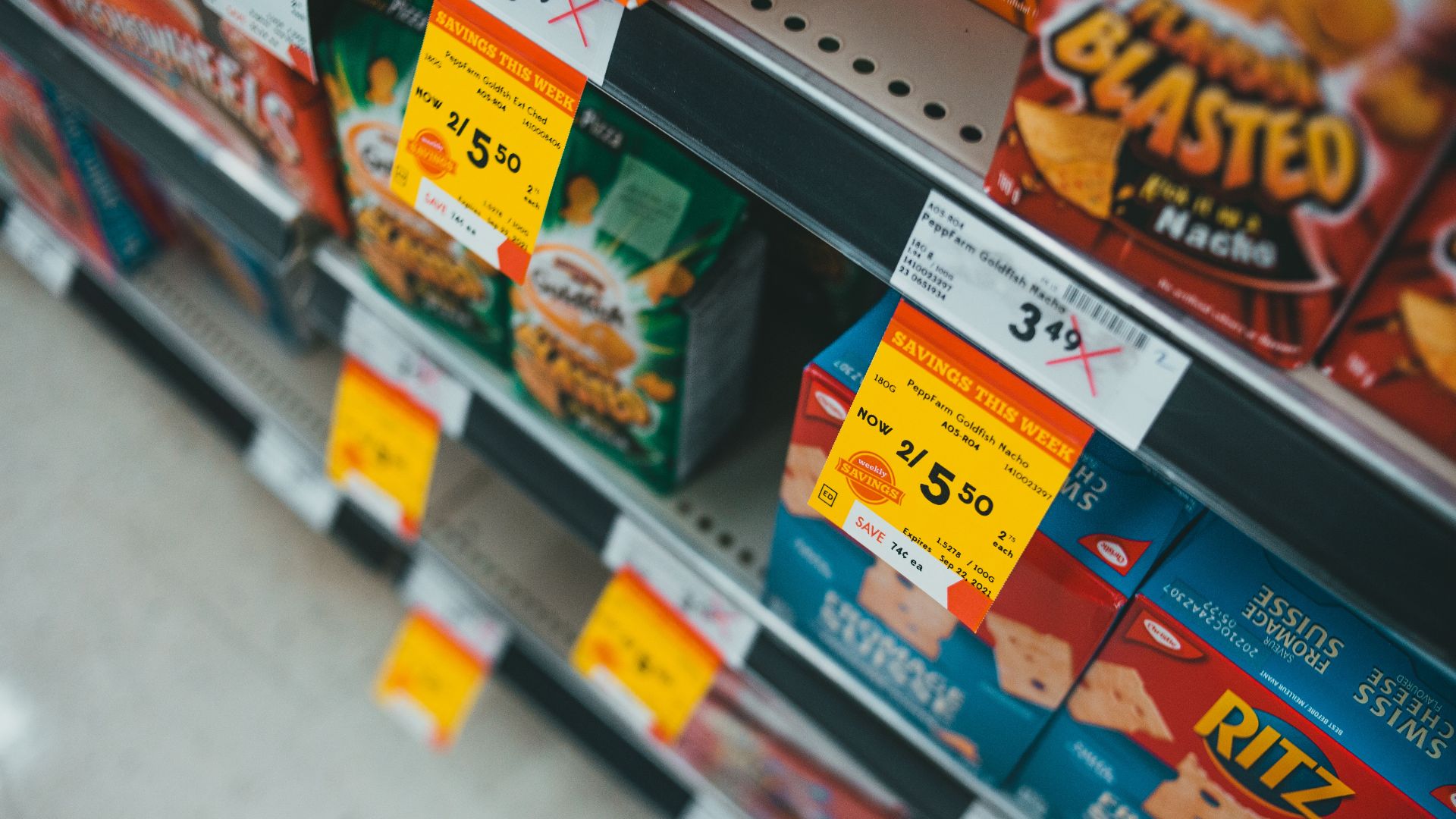
A sign advertising “10 for $10” can make ten items feel like the natural quantity to buy, even when purchasing ten isn't required. Research on multiple-unit promotions has found that specifying a quantity can increase shoppers' intended purchase quantities. Always determine whether one item receives the same price.
Buy One, Get One
BOGO promotions sound irresistible because shoppers focus on the word “free.” But getting the bargain requires purchasing more product than you might otherwise buy. That's useful for something you'll definitely consume, but considerably less impressive when the second package becomes waste or an unnecessary indulgence.
The Bigger-Pack Assumption
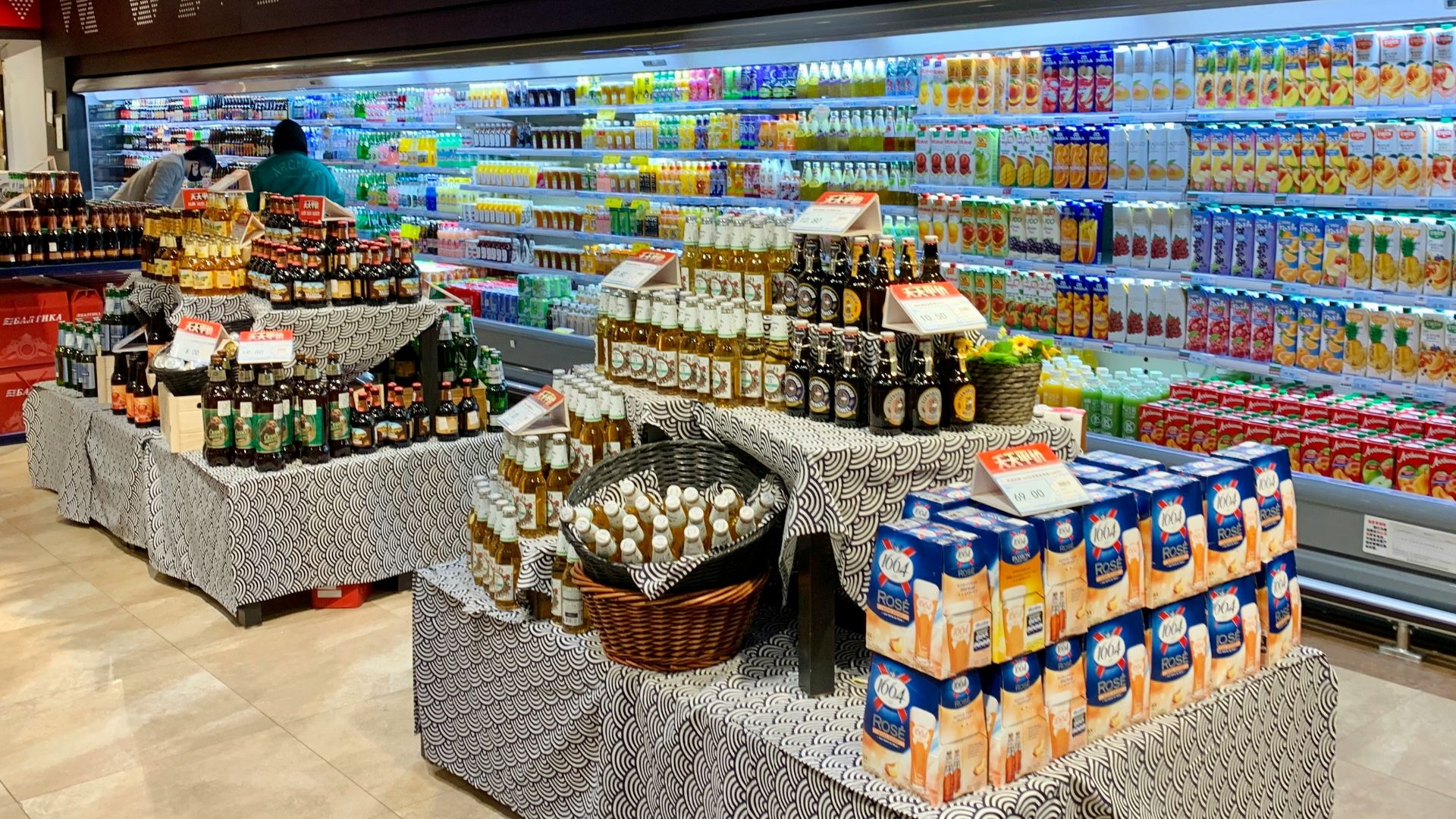
Many shoppers instinctively assume the largest package offers the lowest cost per ounce. Don't count on it. Package sizes, promotions, and competing brands can make the smaller option cheaper per unit. The only reliable comparison is the unit price rather than the package's total price.
Shrinkflation Hides In Plain Sight
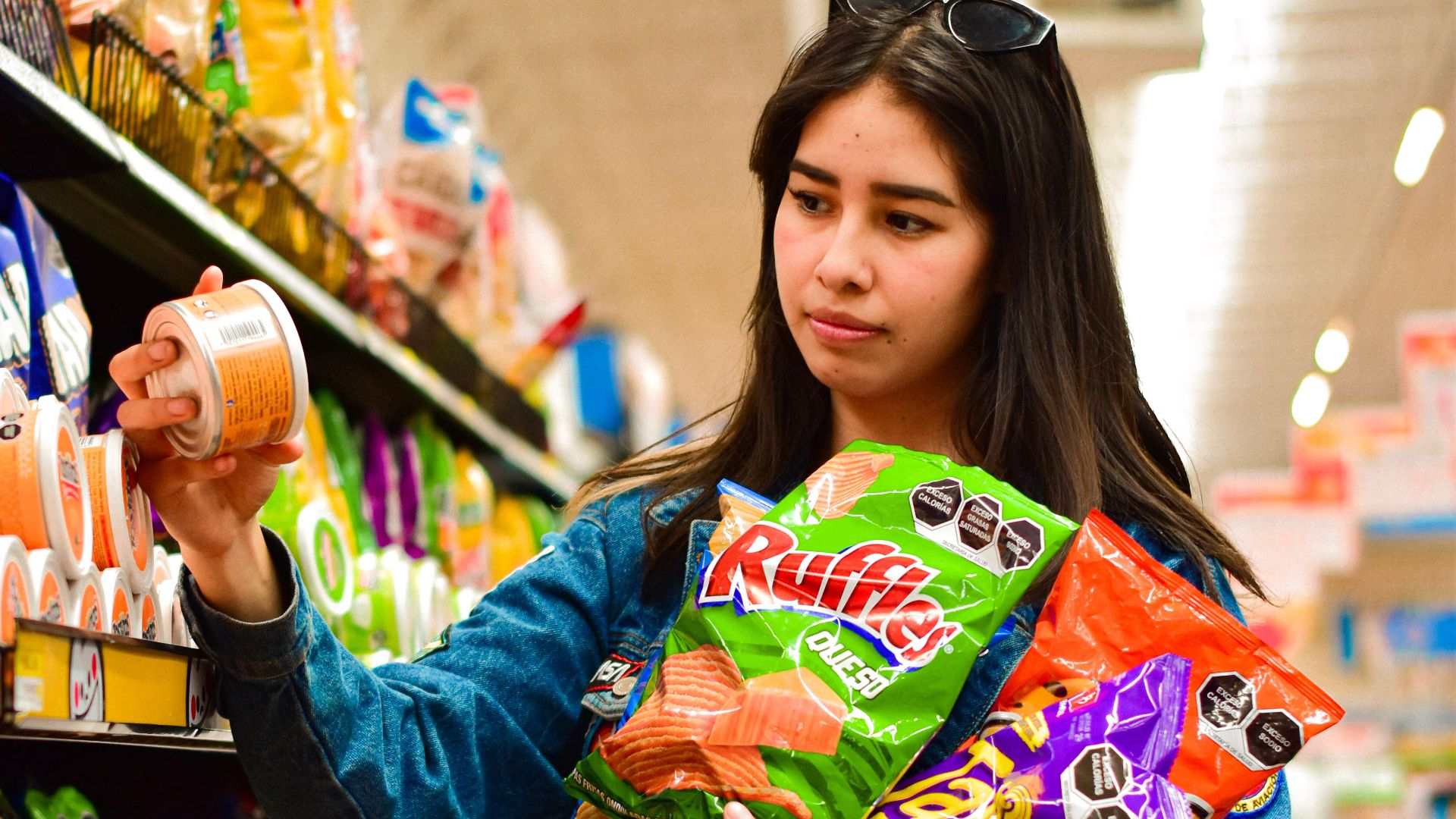
Sometimes the price barely changes because the package does. A familiar box, bottle, or bag can quietly contain less product than before. Unless you remember the old net weight, the change is remarkably easy to miss, particularly when the package dimensions and graphics remain familiar.

Tiny Unit Prices
The most useful number on the shelf may also be one of the least noticeable. Unit pricing converts differently sized packages into comparable measurements, but research has found that presentation affects whether shoppers notice this information. Looking deliberately for price per ounce, pound, quart, or item can expose false bargains.
Inconsistent Unit Measurements
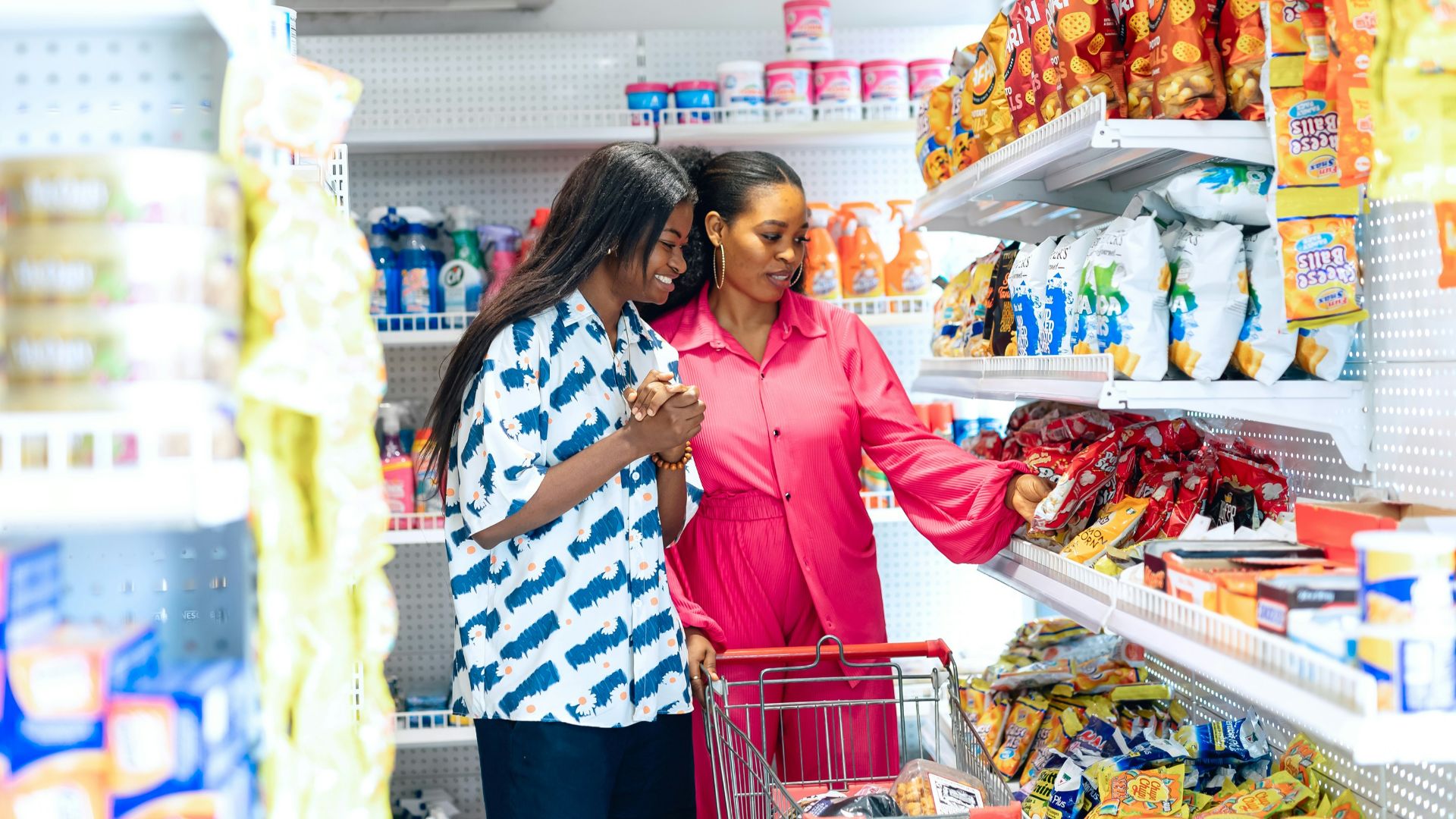
Comparison becomes harder when similar products appear to use different units. One label might effectively invite comparison by ounce while another emphasizes another measurement or quantity. NIST's unit-pricing guidance specifically emphasizes uniformity, accuracy, and usability because consistent measurements make meaningful comparisons considerably easier for shoppers.
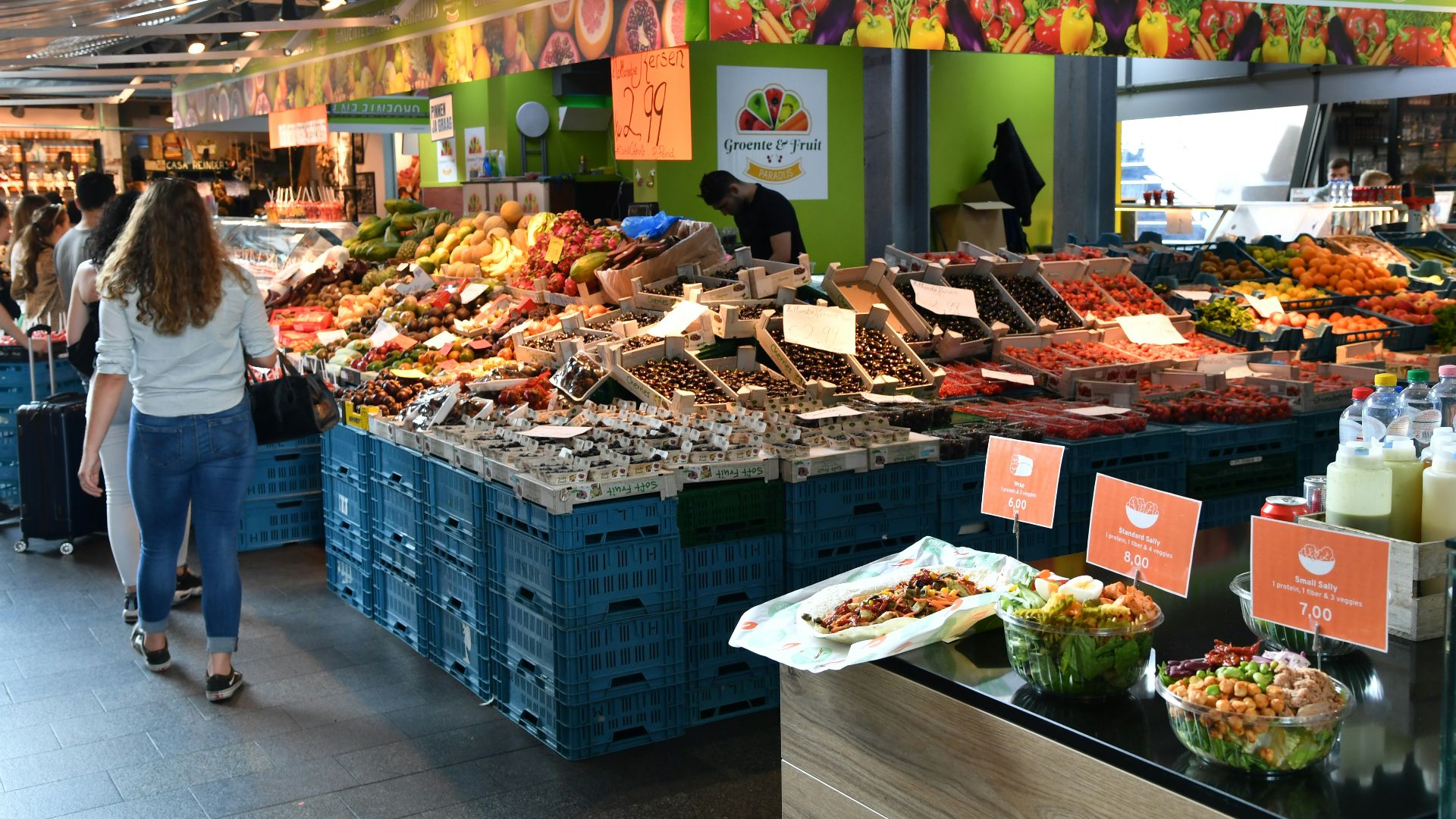
The Giant Sale Sign
A brightly colored SALE tag creates an immediate impression that you've found a bargain. But the word itself doesn't tell you whether the savings are substantial. Temporary sales are an enormous component of grocery pricing, making it worthwhile to compare the actual price rather than responding automatically to promotional signage.

End Caps Look Cheaper
Products stacked dramatically at the end of an aisle frequently look like bargains even when they aren't discounted. The Center for Science in the Public Interest notes that shoppers can assume end-cap products are reduced simply because of their prominent location. That visibility itself can significantly boost sales.
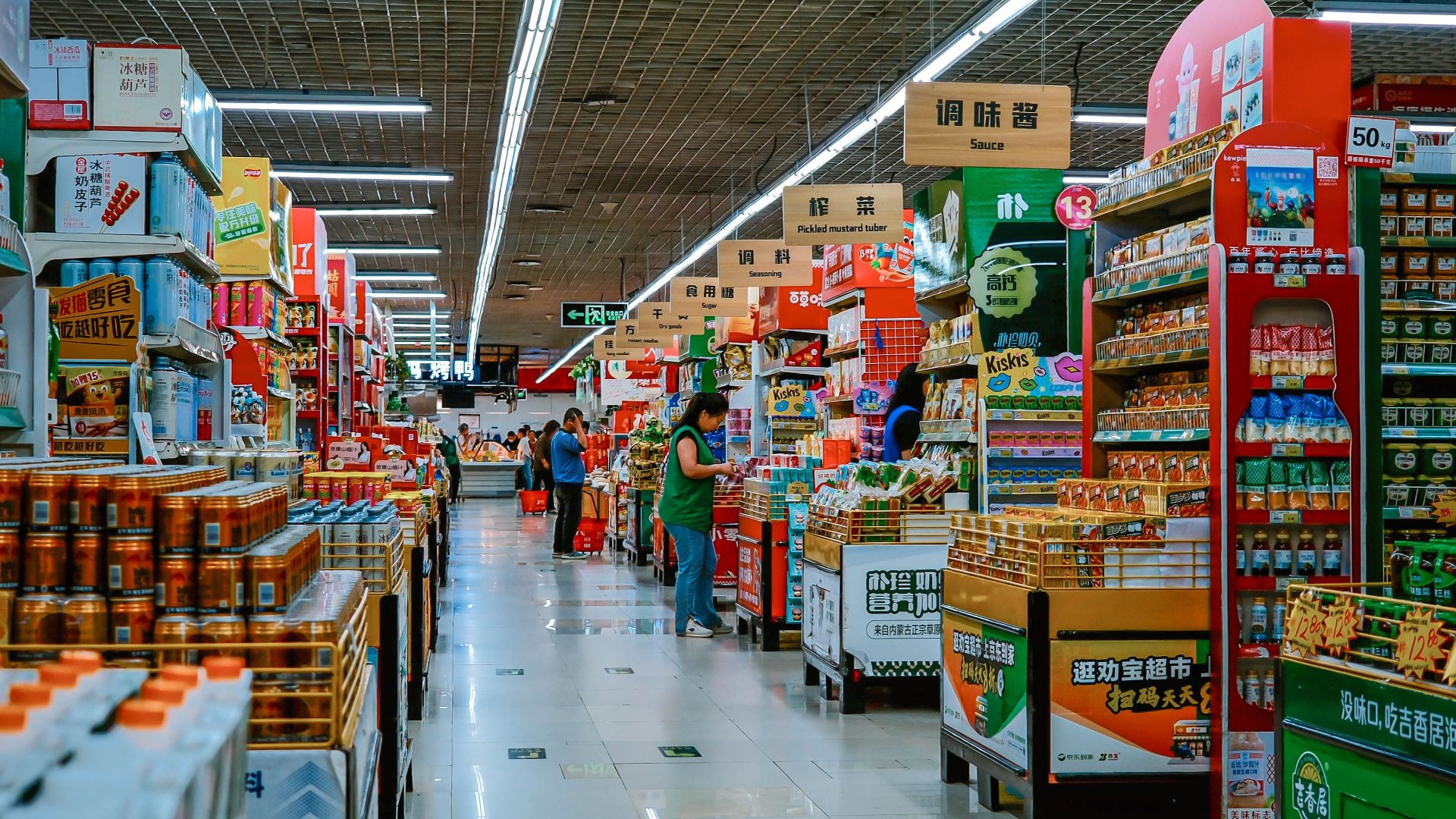
Eye Level Costs More
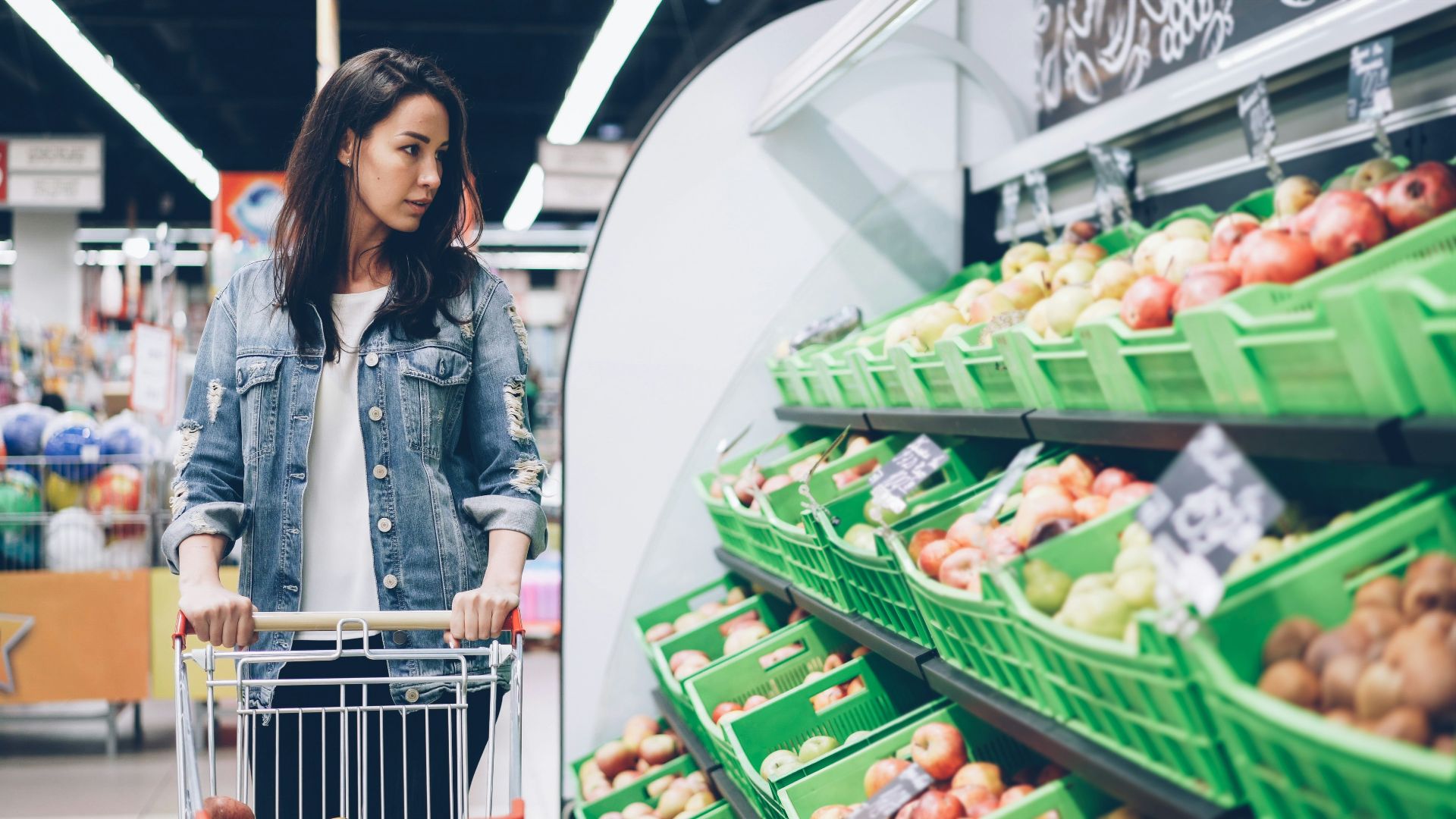
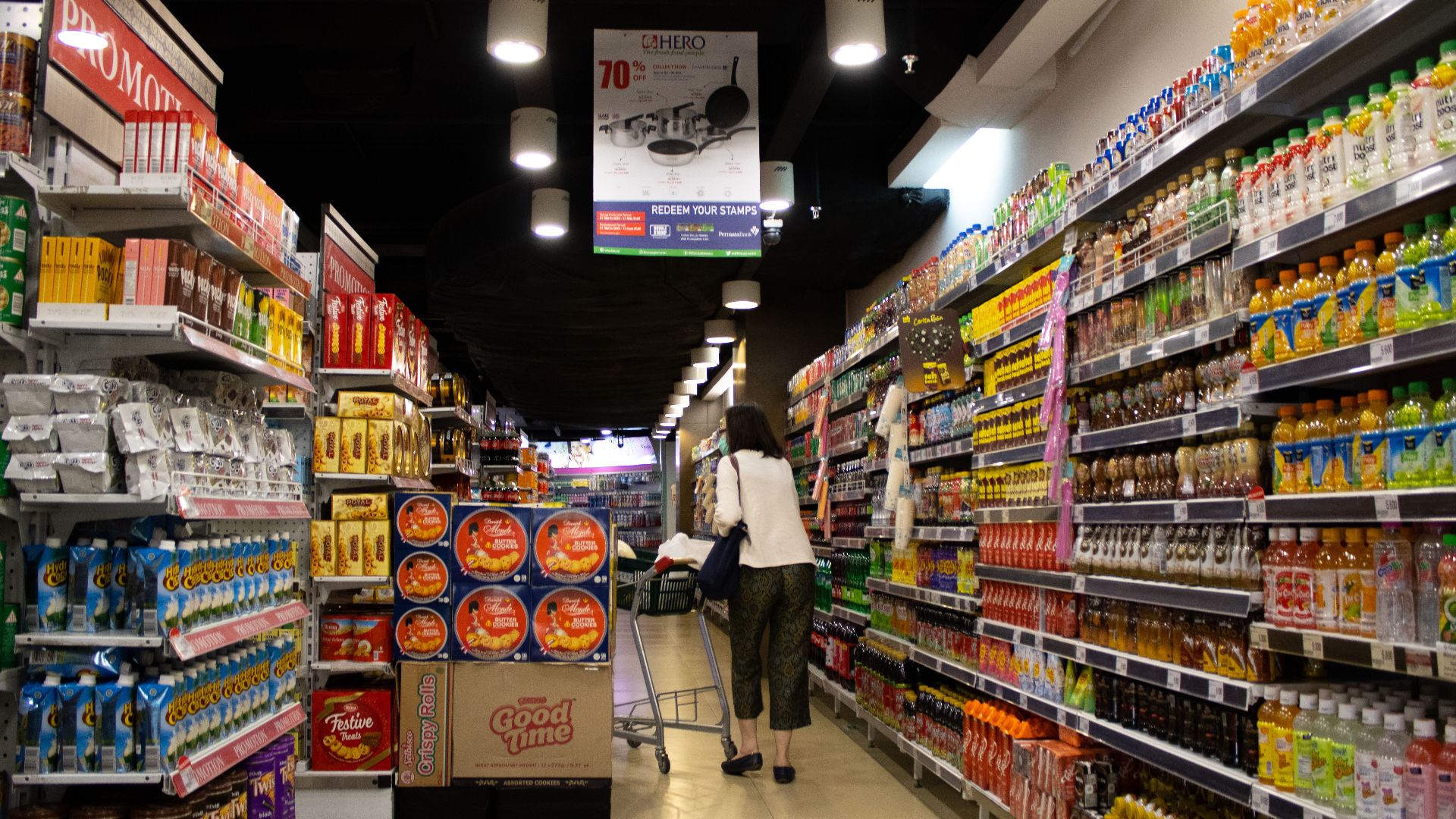
The product directly in front of you isn't necessarily the best value. Shelf placement strongly affects shopper attention, with eye-level locations especially valuable. Less expensive alternatives may require looking upward or bending down, which is why comparing the entire shelf can produce surprisingly different options.
Kids Get Their Shelf
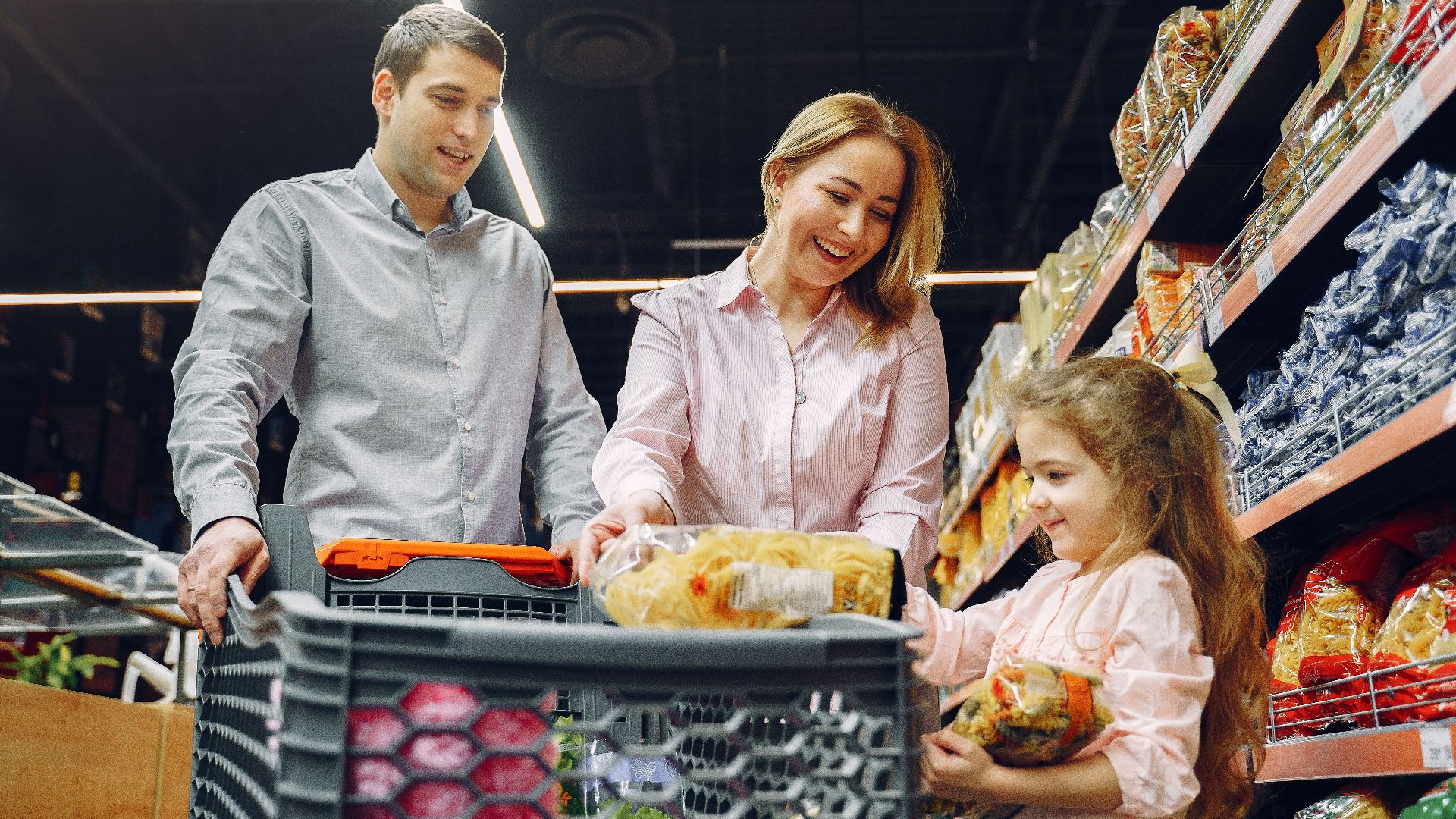
Adults aren't the only shoppers targeted by shelf positioning. Sugary cereals and other child-oriented products can be positioned lower, putting colorful packages and familiar characters directly in children's sightlines. A parent's carefully planned grocery trip can suddenly acquire several additional items after repeated requests from a small passenger.
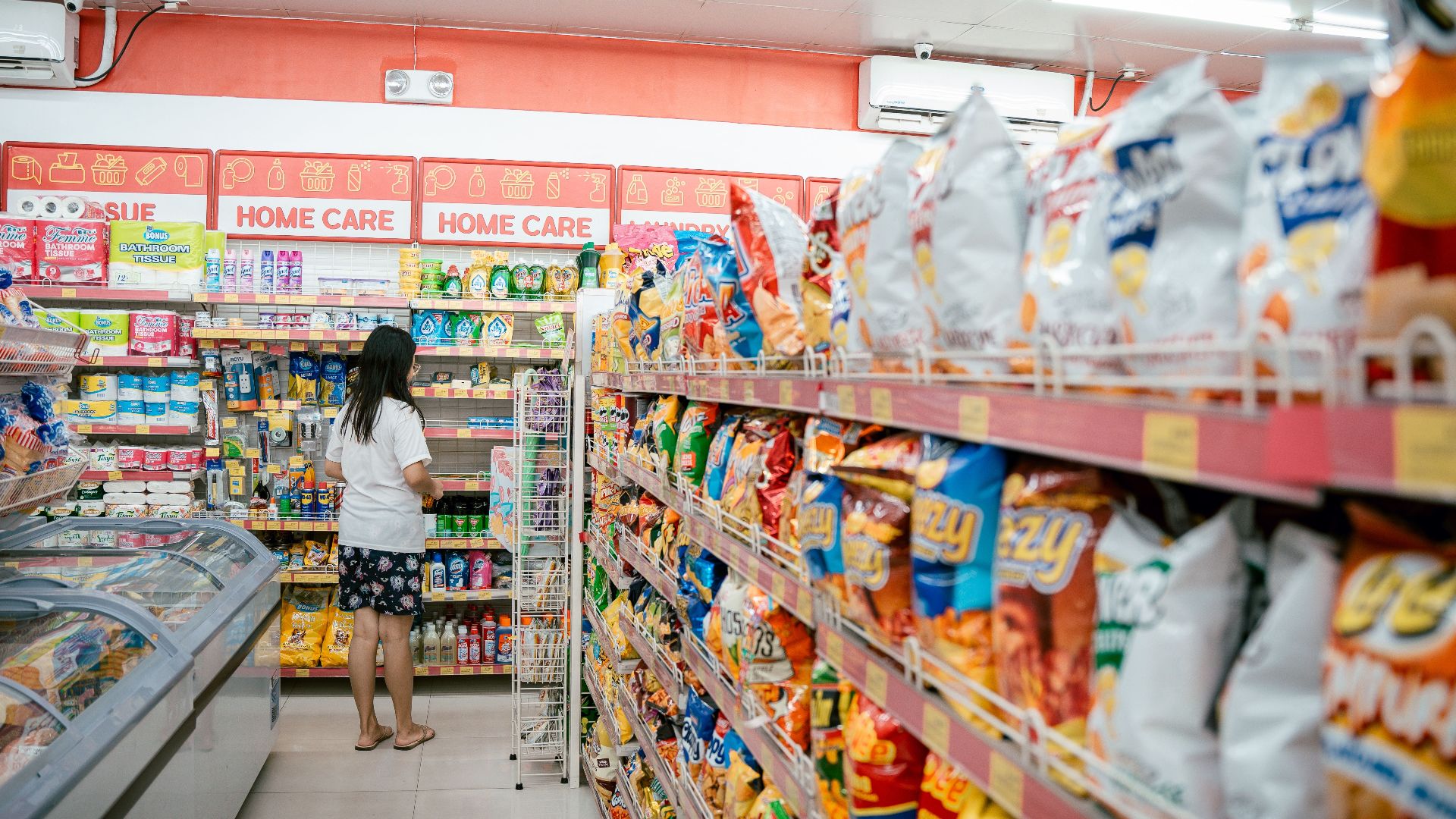
Loyalty Prices Everywhere
A shelf may display an attractive promotional price prominently while requiring membership in the store's loyalty program to receive it. Shoppers who overlook the qualification can pay more than expected. More importantly, loyalty discounts can encourage customers to concentrate purchases at one retailer rather than comparing competitors.
Digital Coupon Hurdles
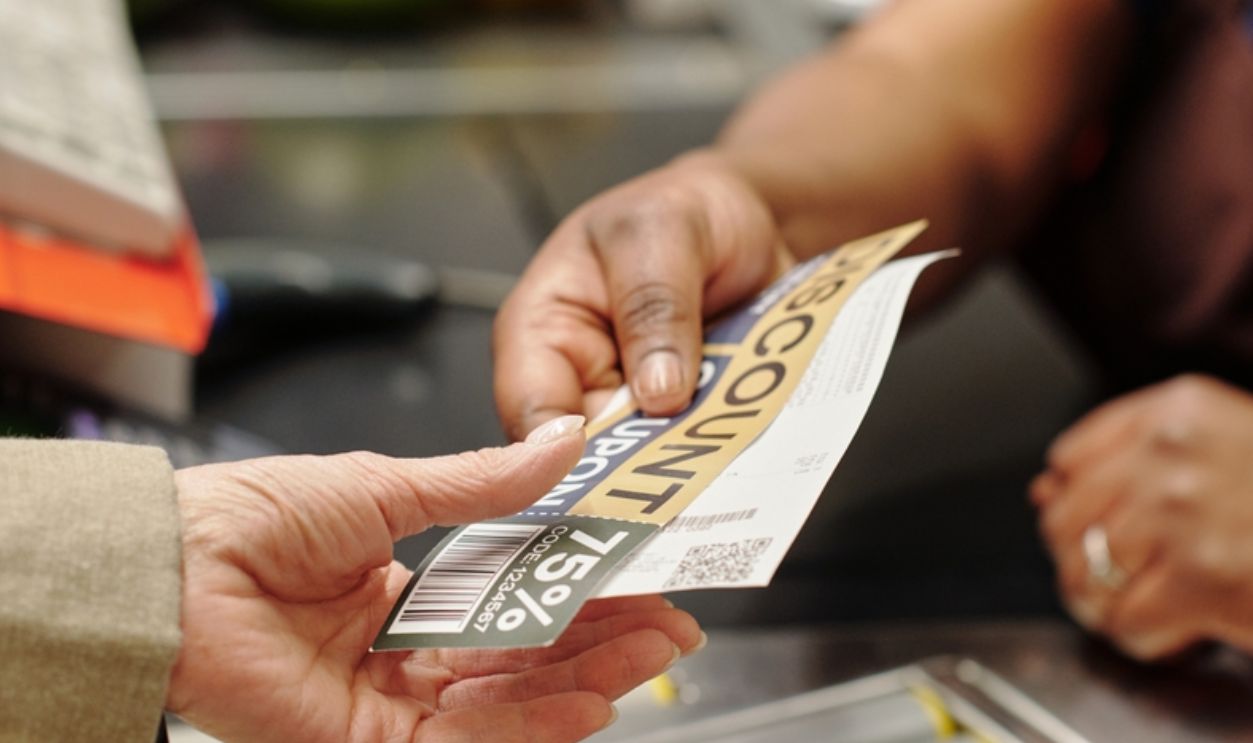
Some discounts now require more than simply presenting a loyalty card. Shoppers may need an app, online account, or digitally “clipped” coupon. The giant shelf price can therefore demand additional steps that aren't obvious at first glance. Read the qualifications before treating the displayed number as your price.
Limit Five Per Customer
Purchase limits can be perfectly legitimate inventory controls, but they also create scarcity. “Limit five” can subtly suggest that five is a sensible amount to purchase. Pricing researchers have observed that quantity limits can encourage consumers to buy more by creating the impression that an item is scarce.

Charm Pricing Works
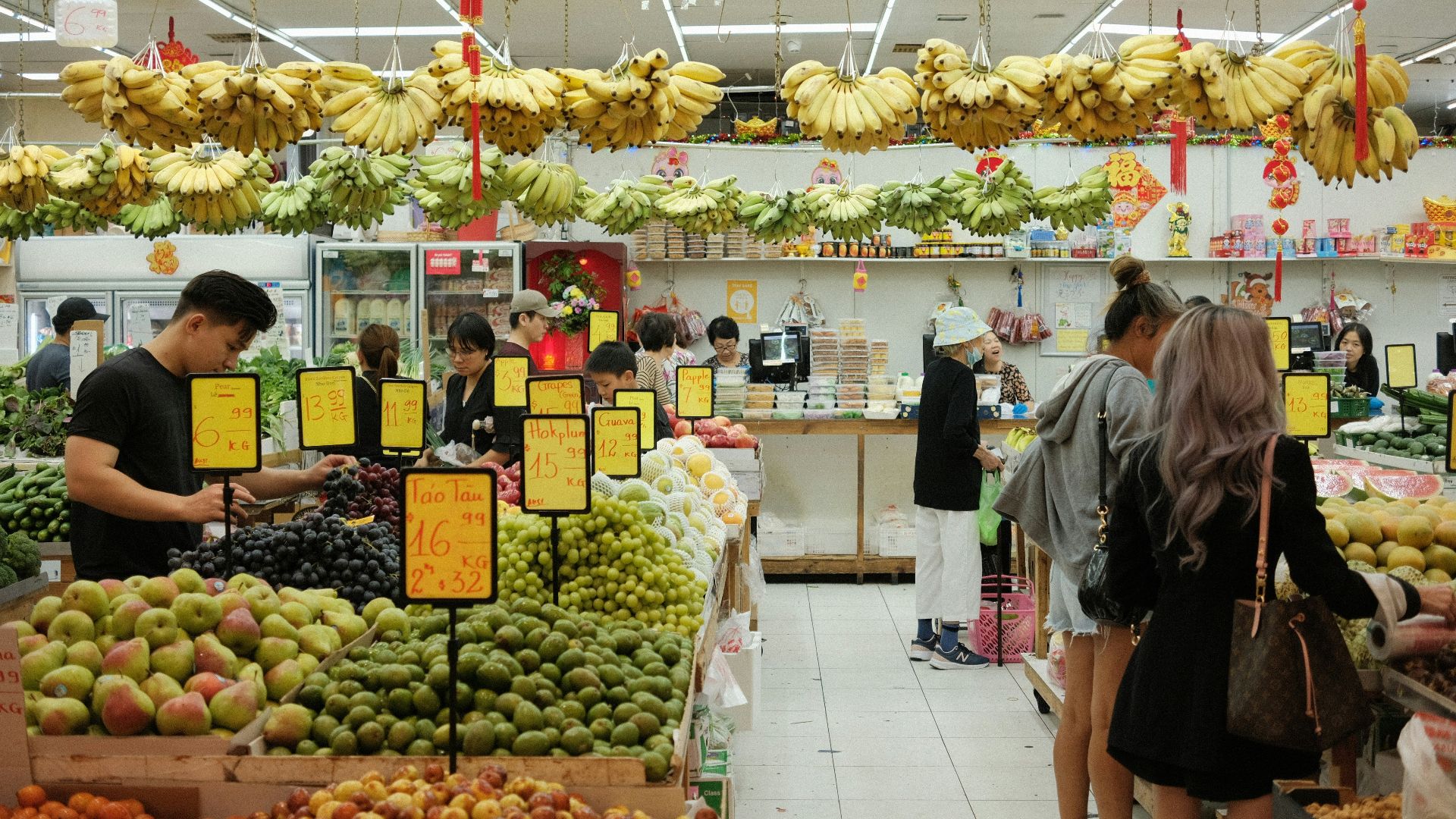
There is a reason prices so frequently end in 9, 95, or 99 cents. Known as charm pricing, these numbers can make a price feel lower than the next round number. A $4.99 item is essentially five dollars, but psychologically it doesn't necessarily register that way.
 Dominic Kurniawan Suryaputra, Unsplash
The Reference Price
“Was $6.99, now $4.99” gives shoppers an anchor for judging value. But your important question isn't merely how much the item supposedly cost before. Ask whether $4.99 is actually competitive with comparable products elsewhere on the shelf. A discount and a good value aren't necessarily the same thing.
Cross-Promotions Multiply Purchases
Strawberries suddenly appear beside whipped cream and shortcakes. Chips meet salsa. Pasta encounters Parmesan. These combinations remove the mental work of deciding what else you need while quietly expanding your basket. Cross-merchandising can transform one intended purchase into two or three complementary purchases.

Samples Encourage Spending
That tiny cube of cheese really is free, but free samples aren't necessarily acts of supermarket generosity. Sampling can stimulate appetite, introduce shoppers to products they hadn't planned to purchase, and create a subtle sense of reciprocity. Suddenly the $8 cheese seems like a perfectly reasonable addition.

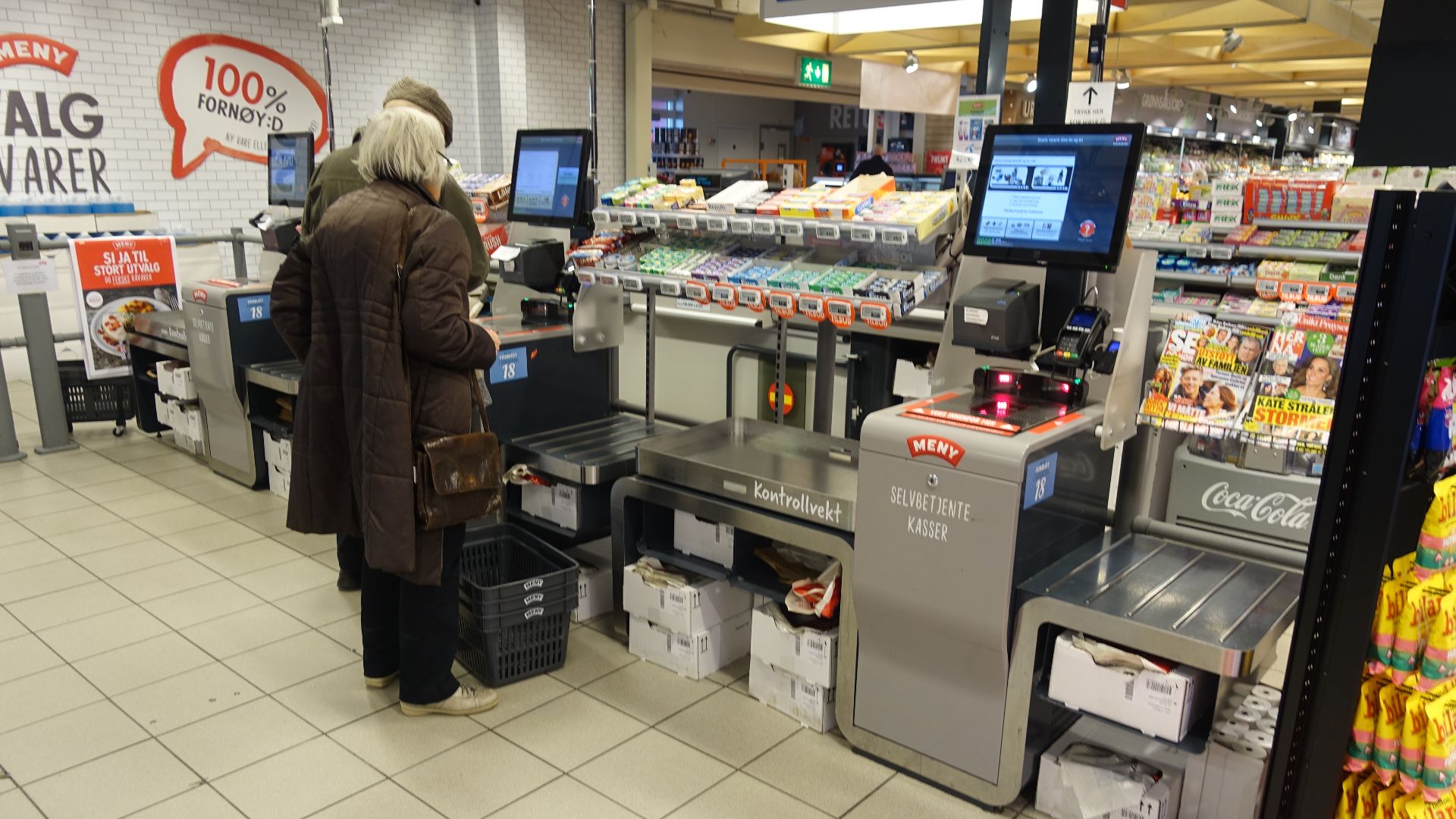
Checkout Is The Finale
You've finished shopping, but the store hasn't finished selling. Candy, drinks, gum, snacks, gift cards, and other inexpensive temptations surround shoppers while they wait to pay. Checkout displays capitalize on impulse purchases precisely when people have stopped actively comparing prices and are essentially trapped in line.
The Store Makes You Wander
Why isn't milk always near the entrance? Supermarkets can use layout and product placement to expose shoppers to more merchandise while completing ordinary errands. Carefully planned traffic patterns put products in customers' paths, increasing opportunities for an unplanned purchase before they finally reach the staples they came for.

Sale Items Bring You In
A deeply discounted item doesn't need to make the retailer much money if it persuades you to choose that store and fill an entire cart there. FTC research has documented how temporary discounts are a major component of grocery price variation and can affect consumers' choice of retailer.
Start With Unit Price
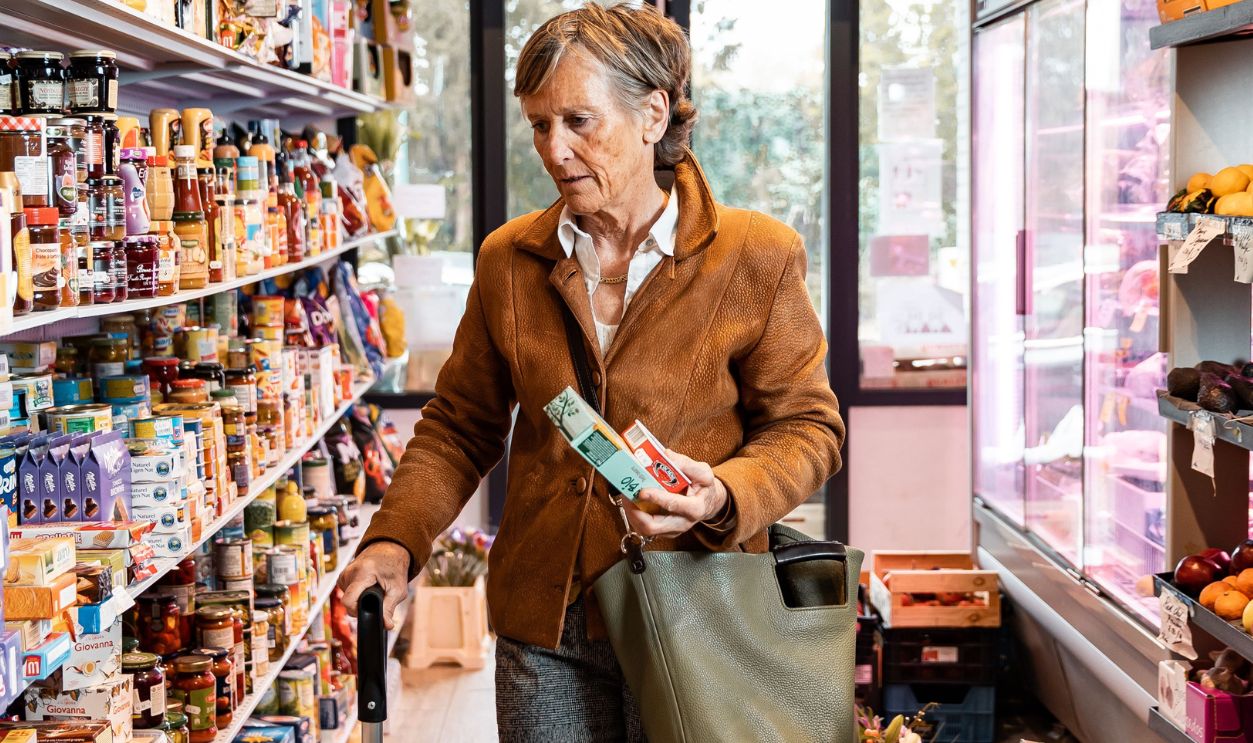
Your best defense is remarkably mundane: ignore package size and compare standardized unit prices. A $7.99 package can offer better value than a $5.99 one, or vice versa. Unit pricing makes those comparisons easier and research suggests its presence can increase shoppers' sensitivity to price differences.
Read The Fine Print
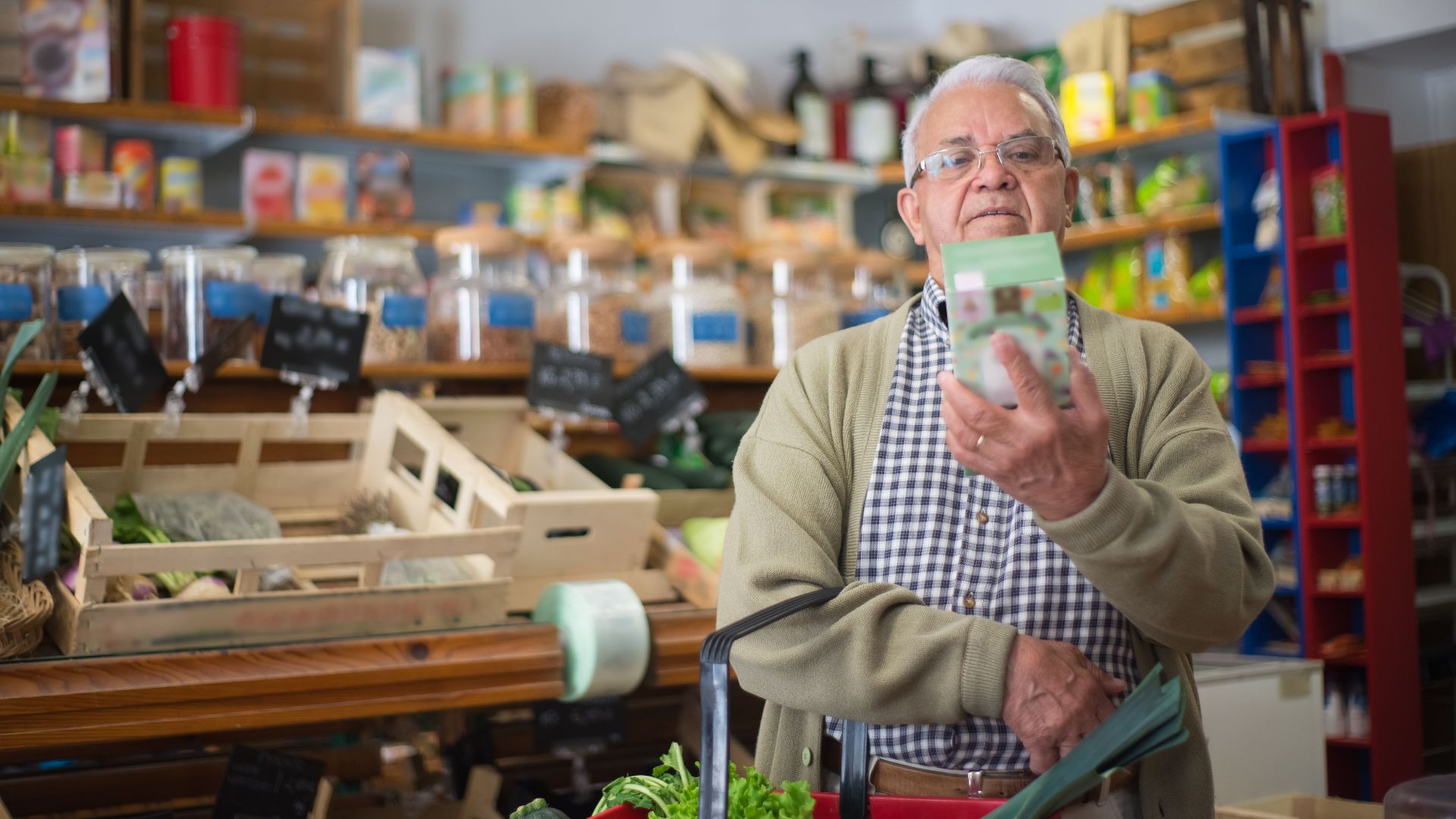
Before celebrating a promotion, find the qualification. Must you buy five? Is the price restricted to loyalty members? Does it require a digital coupon? Is there a purchase limit? Promotional signs are designed to communicate the exciting number quickly, so deliberately hunt for the conditions attached to it.

Look Beyond Eye Level
Train yourself to scan vertically before selecting something. Compare products above and below the one sitting conveniently at eye level, and don't overlook store brands. Research into supermarket merchandising shows that shelf position affects attention, making this simple habit a useful defense against automatic purchasing.
Calculate What You Need
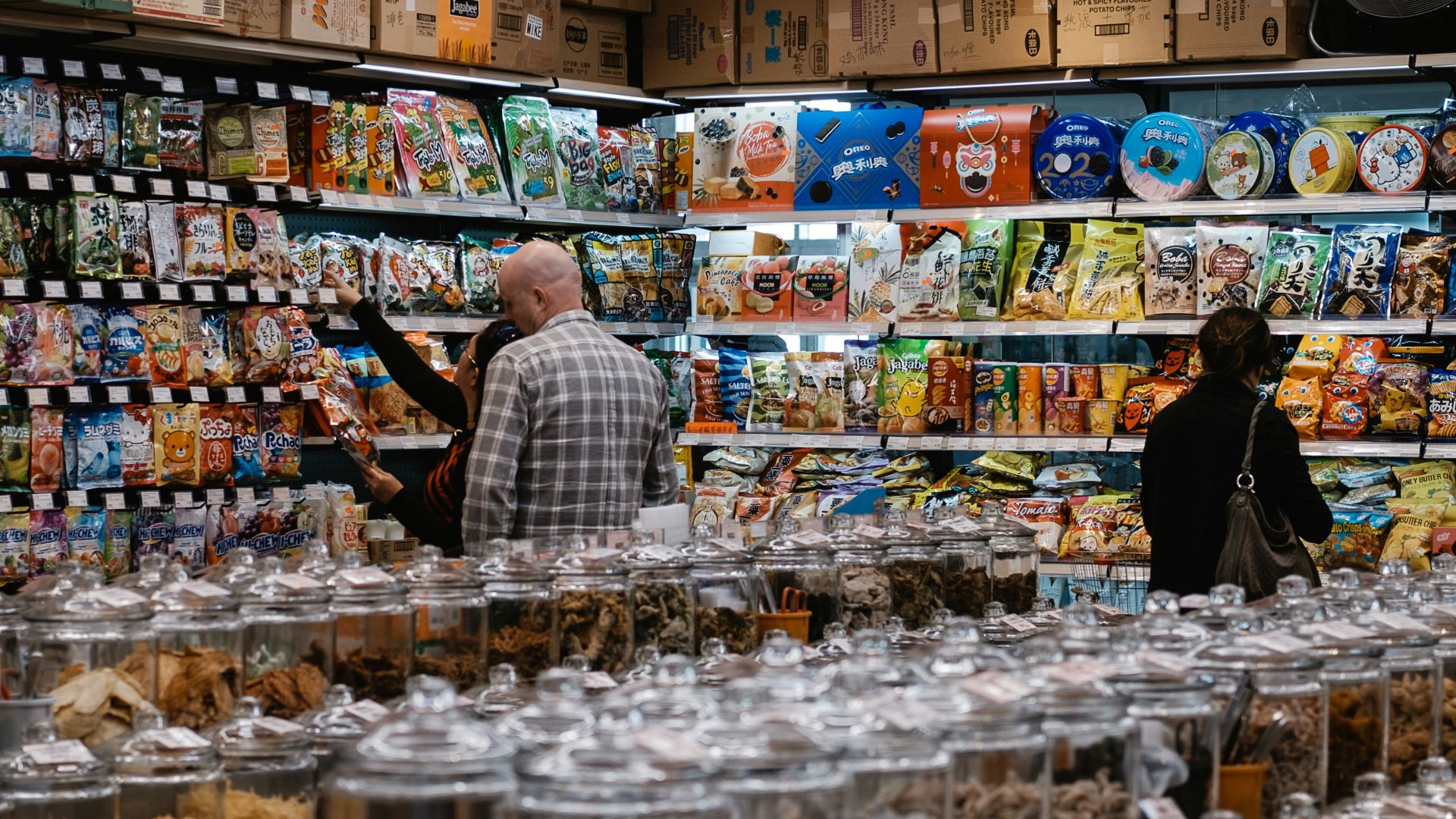
Buying more isn't saving money merely because each unit becomes cheaper. Before accepting a BOGO, family pack, or 10-for-$10 promotion, ask how much your household will realistically consume. Spending $15 to obtain $20 worth of unwanted groceries still means spending $15 unnecessarily.

Keep A Price Memory
You don't need to memorize the supermarket. Track the normal prices of perhaps 15 or 20 staples your household buys constantly. Knowing roughly what coffee, eggs, cereal, detergent, chicken, or canned tomatoes usually cost makes an impressive-looking “sale” considerably easier to evaluate rationally.
Shop The List
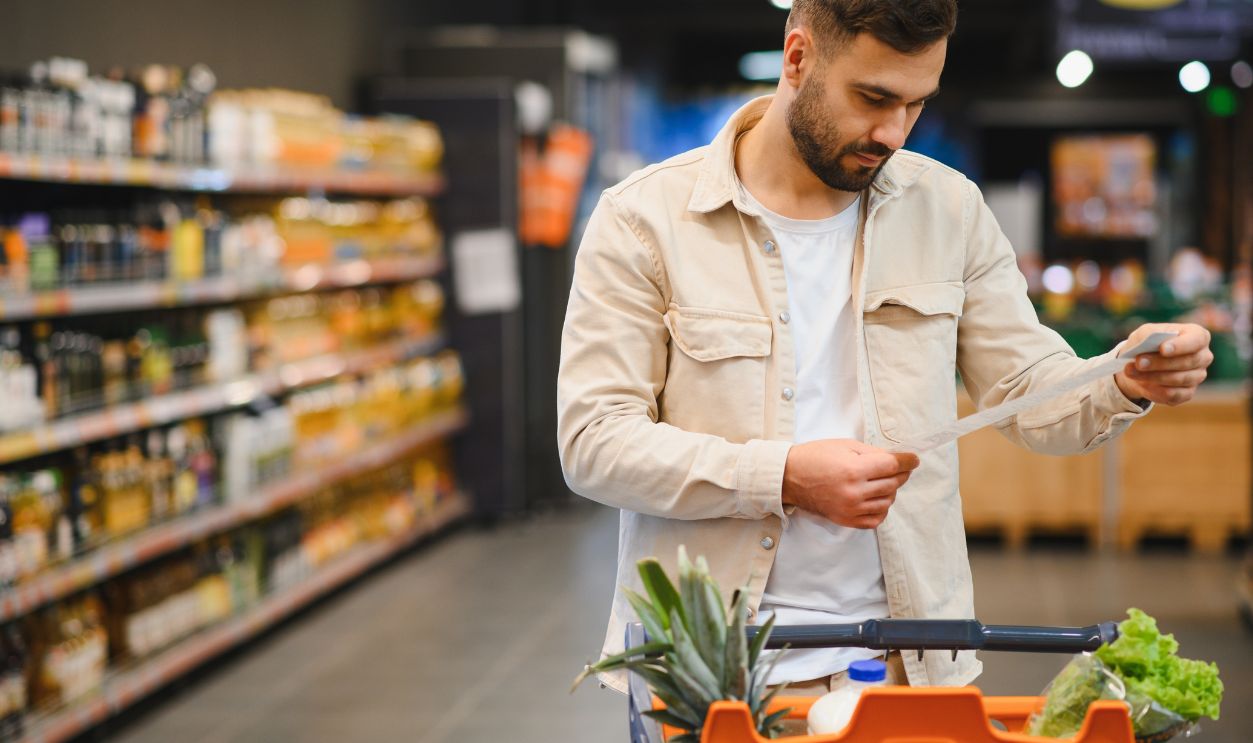
Ultimately, the simplest protection is deciding what you're buying before entering the store. A list won't make promotions disappear, but it changes the question from “Is this a bargain?” to “Did I come here to buy this?” That distinction can prevent an impressive discount from becoming unnecessary spending.
 Hryshchyshen Serhii, Shutterstock
You May Also Like:
Things Grocery Stores Once Did For Free That Now Feel Like Paid Luxury Services