
The Grocery Cart Has Become A Family Argument
The price difference between two nearly identical boxes may only be a few dollars, but those small choices can add up fast when one person’s covering the bill. At the same time, telling a parent that their preferred brands are “a waste” can turn a practical budget conversation into something much more personal. The goal isn’t to win every aisle. It’s to figure out where quality really matters, where it doesn’t, and how much choice the budget can support.
Start With The Total Grocery Budget
Before debating cereal, yogurt, or pasta sauce, decide what the household can actually afford to spend each week or month. A clear total makes the conversation less personal. Instead of arguing that one brand is “too expensive,” you can point to the amount that’s available for the entire grocery list.
 Hryshchyshen Serhii, Shutterstock
Name Brands Aren’t Automatically Better
A recognizable label often costs more because of marketing, packaging, distribution, and brand recognition. That doesn’t guarantee better ingredients, nutrition, or taste. In many staple categories, store-brand products can be very similar to the national-brand version.

Store Brands Have Improved A Lot
Private-label groceries aren’t limited to bargain-basement products anymore. Major retailers now offer premium, organic, specialty, and health-focused store brands in addition to basic versions. Consumer Reports has found that store-brand foods can compete closely with national brands on taste while costing less.

Compare Unit Prices, Not Package Prices
A $4.50 box isn’t necessarily more expensive than a $3.80 box if it contains substantially more food. Check the price per ounce, pound, litre, or 100 grams. Unit pricing makes it much easier to compare brands fairly and prevents package size from distorting the decision.

Do The Math On Frequent Purchases
Saving 50 cents once isn’t meaningful. Saving 50 cents on ten items you buy every week is. Focus first on staples the household purchases constantly, such as milk, bread, eggs, cereal, canned goods, frozen vegetables, pasta, rice, and cleaning products.
 Oscar C. Williams, Shutterstock
Some Store-Brand Swaps Are Nearly Invisible
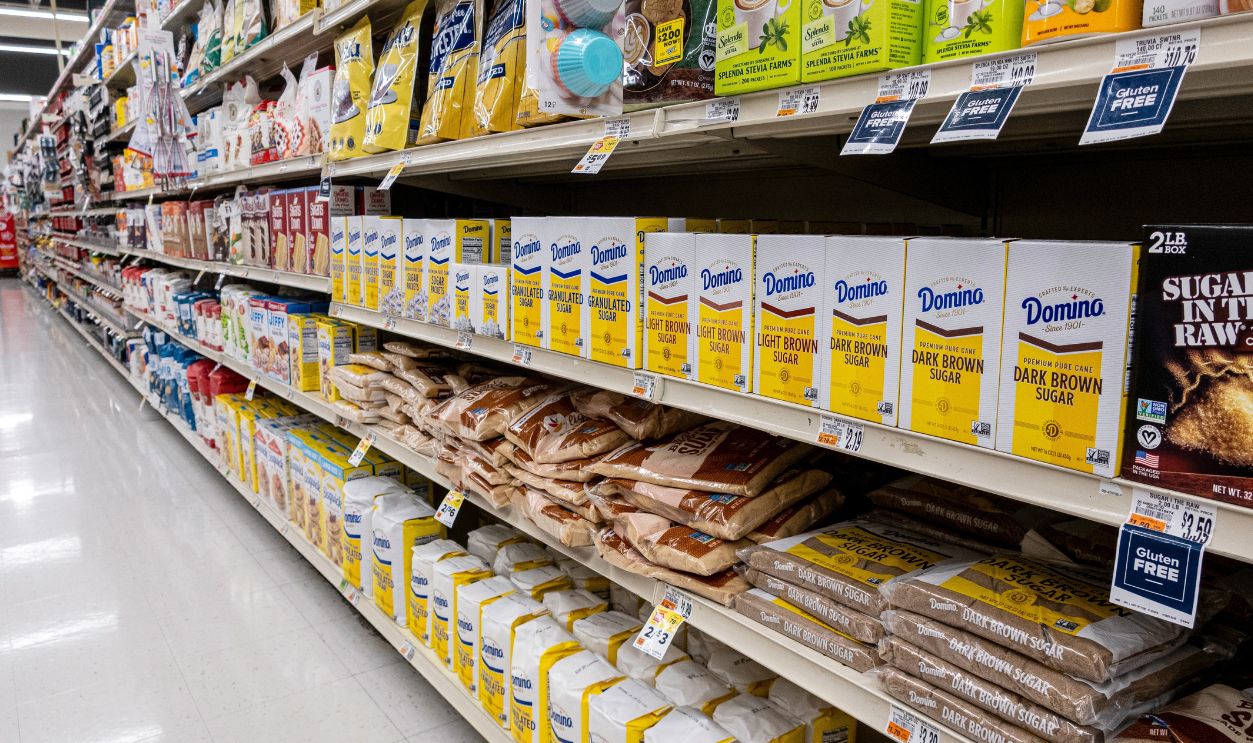
Ingredients such as sugar, flour, salt, baking soda, canned beans, basic spices, and many frozen vegetables are often easy places to experiment with cheaper brands. They’re also commonly used as part of a larger recipe, so minor flavor differences may not even be noticeable.
Taste Matters More For Certain Foods
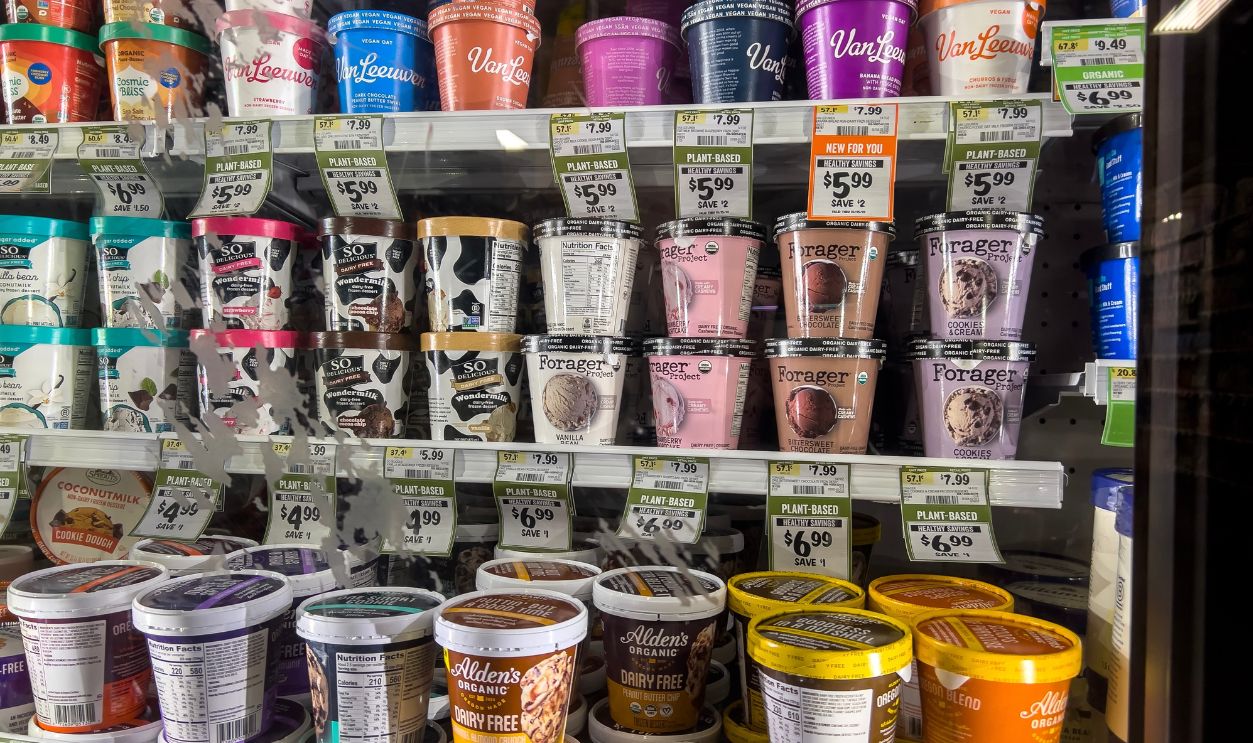
Coffee, chocolate, cheese, sauces, bread, ice cream, and breakfast cereal can have more obvious differences between brands. If your mother strongly prefers a specific version and genuinely notices the difference, automatically replacing it may create unnecessary resentment.
 Colleen Michaels, Shutterstock
Run A Blind Taste Test
Buy both versions of one disputed product and serve them without identifying the brand. If nobody can reliably tell the difference, switching becomes much easier. If the name brand clearly wins, you’ve learned that it’s one of the items where paying extra may actually matter.
 https://kaboompics.com/, Pexels
Use A “Worth It” List
Agree on a short list of products where your mother gets the brand she prefers without debate. Everything else can default to the lower-cost option unless there’s a strong reason not to. This avoids renegotiating the same issue during every grocery trip.

Give Everyone A Few Nonnegotiables
You may care about a particular coffee while your mother cares about a certain yogurt or soup. Let each person choose a few items where preference takes priority over price. A grocery budget is easier to live with when it still leaves room for some personal choice.

Don’t Call Her Preferences Wasteful
That wording almost guarantees a fight because it suggests her judgment is bad. Try saying, “I’m trying to keep groceries under $X, so I need us to save in some categories". The problem isn’t her taste. It’s the budget.

Ask Why She Prefers Certain Brands
The answer may be more specific than you expect. She may dislike the texture of a store-brand product, trust one manufacturer more, have dietary concerns, or simply be used to buying the same item for decades. Understanding the reason helps separate habit from a real preference.

Familiar Brands Can Feel Reassuring
Food shopping is partly emotional. Someone who’s bought the same products for years may associate those brands with consistency, reliability, or home. Recognizing that doesn’t mean you have to agree to every expensive choice, but it explains why a seemingly minor substitution can feel bigger than it looks.

Check Ingredients And Nutrition Side By Side
Turn both packages around and compare serving size, sodium, sugar, protein, fiber, allergens, and ingredient lists. Sometimes the store brand is nearly identical. Other times there are meaningful differences that justify choosing one over the other.

Watch For Shrinkflation
A familiar name-brand package may stay at roughly the same price while gradually containing less product. That makes unit-price comparisons even more important. Loyalty based on an old idea of value may not reflect what the product actually costs today.

Sales Can Reverse The Calculation
A name brand on promotion may temporarily cost less than the store brand. Coupons, loyalty discounts, and manufacturer offers can also change the ranking. The sensible rule isn’t “always buy generic". It’s “buy the best value that still meets the household’s needs".
Loyalty Programs Can Help, But Don’t Chase Them
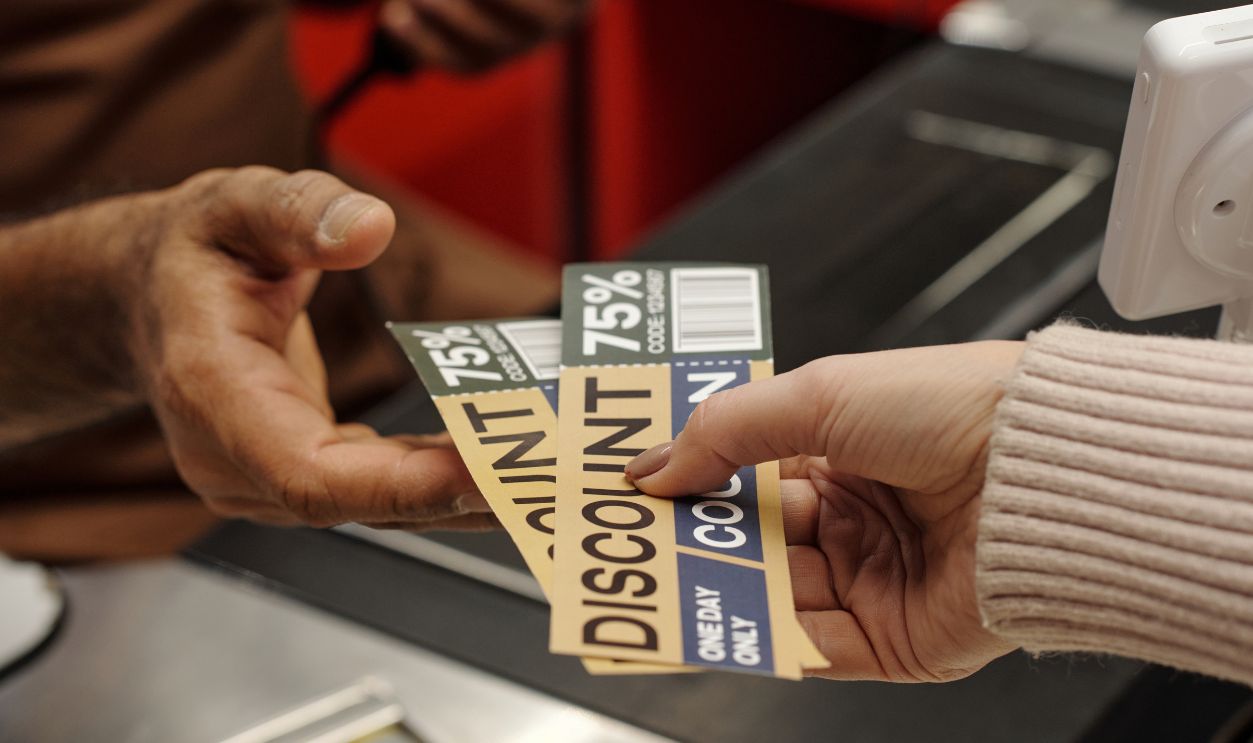
Store apps and rewards programs can lower costs, particularly on frequently purchased items. But don’t buy a more expensive product just because it earns points. The savings are only real if the final price is actually lower.

Compare Different Stores Too
The biggest savings may come from changing where you shop rather than switching one cereal brand. Discount grocers, warehouse clubs, ethnic supermarkets, and conventional supermarkets can have very different prices on the same categories. Compare a basket of your most common items instead of judging a store by one sale price.

Be Careful With Warehouse-Sized Name Brands
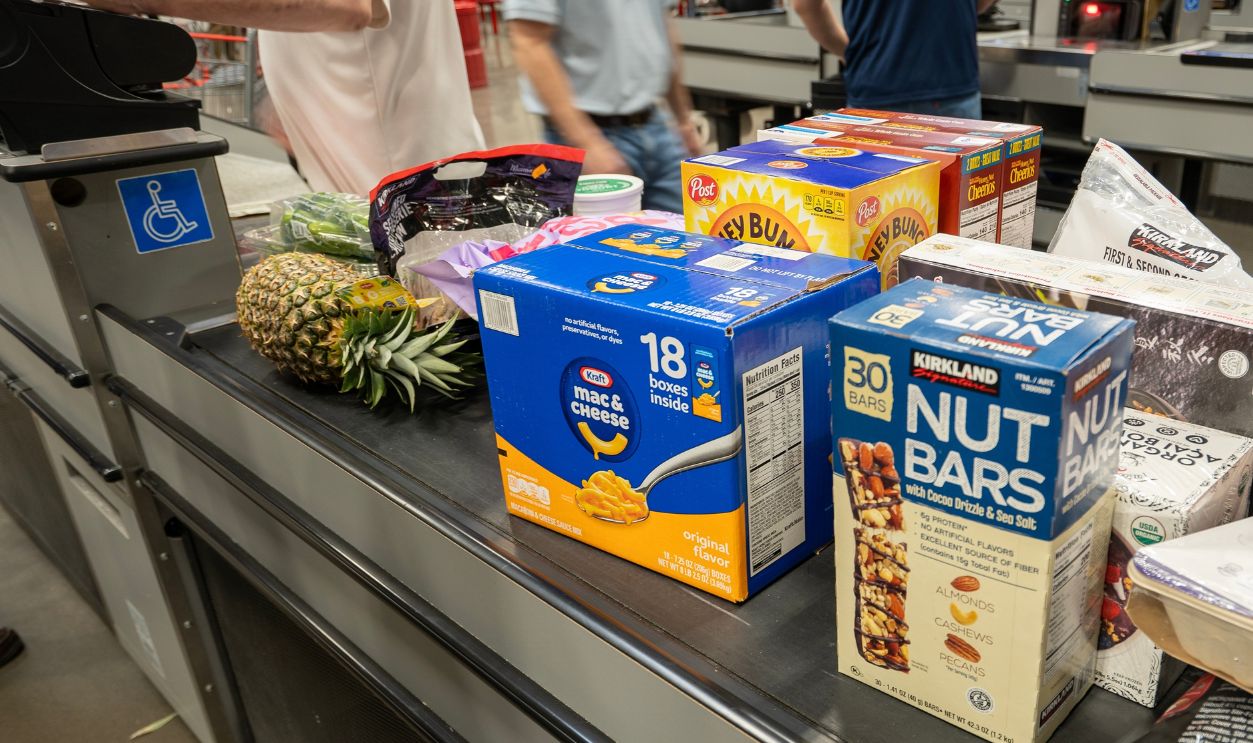
Buying a huge package at a warehouse store can lower the unit price, but only if the household uses it before it goes stale or expires. A bulk purchase that creates waste isn’t a bargain. This matters especially for snacks, produce, dairy, and specialty items.
Set A Flexible Category Budget
Instead of controlling every item, divide the grocery budget into broad categories such as produce, proteins, pantry staples, and treats. If your mother wants a premium brand in one category, she can choose a cheaper option elsewhere. That gives her some control without ignoring the total.
 Ekaterina Byuksel, Shutterstock
Separate Needs From Treats
There’s nothing wrong with paying more for a favorite product occasionally. The problem starts when every preference gets treated like an essential. Define a basic grocery list first, then use whatever’s left for premium brands, desserts, specialty drinks, or convenience foods.
Track The Actual Savings
For one month, record how much the household saves by switching selected products. Seeing that a few changes saved $40 or $60 is more persuasive than arguing over individual prices. Concrete results turn the discussion from theory into something measurable.

Let The Savings Fund Something Visible
If switching brands saves money, direct part of that amount toward something the household values, such as a nicer dinner, a family outing, or a larger emergency cushion. The tradeoff becomes easier to accept when the benefit is tangible instead of disappearing into the general budget.

If You’re Paying, You Can Set Limits
Covering the grocery bill gives you a legitimate reason to define what you can afford. It doesn’t mean you need to control every preference, but it does mean the household can’t spend without regard to your financial limits. A fair boundary is, “I can contribute $X each month. Anything beyond that needs another source".

A Compromise Usually Saves More Than A Fight
You probably don’t need to eliminate every name brand, and your mother probably doesn’t need every familiar label. Keep the products that genuinely matter to her, switch the easy categories, compare unit prices, and agree on a fixed total. The goal isn’t to prove that one person shops correctly. It’s to create a grocery routine the household can afford without making every trip to the store feel like a referendum on respect.

You May Also Like: