
A Surprise Cemetery Bill Feels Especially Unfair
Nobody wants to argue about money when a cemetery plot is involved. Your family probably thought the hard part was over because the plot was already paid for. Then a new charge appears, and suddenly you are wondering whether the cemetery is allowed to move the goalposts. It's totally frustrating, and you are not wrong to question it.

First, Find Out What Your Family Actually Bought
This is the annoying fine-print part, but it matters. A cemetery plot purchase often does not mean your family bought land the way someone buys a house lot. In many cases, you bought burial rights or interment rights. That means the contract, cemetery rules, and local laws may control what extra fees can be charged later.

The Plot Is Often Only One Piece Of The Total Cost
Here is where families get blindsided. Paying for the plot may not include opening the grave, closing it, installing a marker, filing paperwork, using equipment, or maintaining the grounds. The FTC advises consumers to ask whether perpetual care is included before buying a cemetery site, because those details can change the final cost.

Maintenance Fees Can Be Legitimate If They Were Disclosed
Some cemeteries really do charge maintenance, perpetual care, or endowment care fees. That money may go toward mowing, landscaping, roads, recordkeeping, irrigation, staffing, and long-term upkeep. The real issue is not whether cemeteries can ever charge those fees. It is whether your family was clearly told about them.

Hidden Fees Are Where Things Get Suspicious
A cemetery should not be able to casually invent a fee after your family already paid, especially if the original paperwork made the price sound final. Ask them to show you exactly where the fee appears in the contract, cemetery rules, or price list. If they cannot point to anything specific, that is worth pushing back on.

“Perpetual Care” Does Not Always Mean What Families Think
Perpetual care sounds like it covers everything forever, but it usually does not. It may only cover general cemetery upkeep, not individual marker repairs, decorations, flowers, special cleaning, or private landscaping. Before assuming the cemetery is wrong, ask what their version of “care” actually includes.

Ask For The Full Price List In Writing
Do not settle for a vague phone explanation. Ask for a written price list that shows the plot price, maintenance fee, endowment care fee, opening and closing charges, marker fees, administrative fees, and any annual charges. Once everything is in writing, it becomes much easier to see whether the charge is real, new, or questionable.

Your Old Paperwork Is Your Best Friend Here
Dig out everything: the purchase agreement, deed, certificate of interment rights, receipts, cemetery rules, brochures, emails, and any pre-need documents. These papers matter more than anyone’s memory of the sale. If the cemetery is changing its story now, your original documents are the strongest place to start.

Make Them Define “Maintenance”
“Maintenance” can mean a lot of things. One cemetery may mean basic mowing. Another may mean endowment care. Another may be talking about marker installation, road repairs, grave cleanup, or administrative work. Before arguing about whether the fee is fair, make them explain exactly what the fee is for.
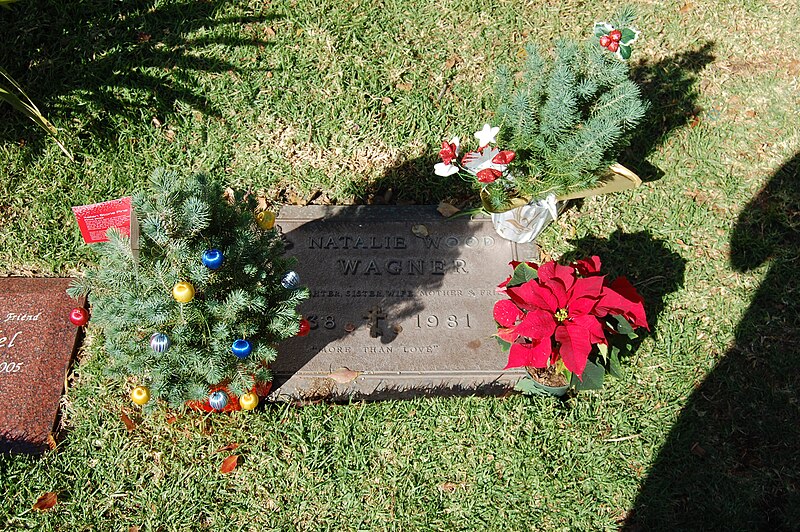 Meribona, CC BY-SA 3.0, Wikimedia Commons
Some Fees Only Happen When Burial Actually Happens
This is another common surprise. Even if the plot was bought years ago, cemeteries often charge opening and closing fees at the time of burial. Those fees cover digging, equipment, staffing, safety, and restoring the grave afterward. A prepaid plot does not always mean every future burial service was prepaid too.

The Rules Depend Heavily On Where The Cemetery Is
Cemetery regulation is very local. A private cemetery, church cemetery, municipal cemetery, nonprofit cemetery, veterans cemetery, or family cemetery may all follow different rules. Some states closely regulate fees and care funds. Others leave more room for cemetery policies. Location matters a lot here.

Some Fee Increases May Need Approval
In certain places, cemeteries cannot raise some charges whenever they feel like it. For example, New York says certain incorporated cemetery service-charge increases must be approved by the Cemetery Board and backed up with documentation. That kind of rule is exactly why it is worth checking your local regulator.

Ask Whether The Charge Is Mandatory
This is a simple but powerful question: “Is this fee required, or is it optional?” If they say it is required, ask what rule, contract clause, or law makes it mandatory. Do not let them wave it away with “that is just our policy” unless they can show you the actual written policy.

Separate Cemetery Fees From Funeral Home Fees
Sometimes the bill comes through the funeral home, but the charge actually belongs to the cemetery. Other times, the funeral home may be passing along a third-party charge. Ask who is charging the fee, who receives the money, and whether there is any markup. You need to know who you are really dealing with.

The FTC Funeral Rule May Not Cover Every Cemetery
The FTC Funeral Rule gives consumers important price-disclosure rights with funeral providers, but cemeteries are not always covered the same way unless they also provide funeral goods or services. That is frustrating, but it means state cemetery boards and consumer-protection offices may be the better place to complain.

Ask For A Manager Without Turning It Into A Fight
The first person you speak to may not have the authority to waive or explain anything. Ask for the cemetery manager or administrator calmly. A good phrase is, “We need a written explanation of this charge and where it appears in our agreement". That is firm, clear, and much harder to brush off.

A “Paid In Full” Receipt Helps, But Read It Carefully
If your family has a receipt saying the plot was paid in full, that is useful. But it may only prove the plot itself was paid for, not that future services were included. Compare the receipt to the contract. If the new charge was clearly included in the original price, you have a much stronger argument.

Be Careful If They Pressure You During Funeral Planning
Families are vulnerable when burial plans are urgent. Some cemeteries know people will pay just to avoid delays. If you must pay quickly, consider writing “paid under protest” on the payment record or sending an email saying you dispute the fee and are reserving your right to challenge it later.

Ask Whether Older Purchases Are Grandfathered
If the cemetery added this maintenance fee after your family bought the plot, ask whether older buyers are exempt. Some contracts allow cemeteries to update rules and fees. Others may protect people who purchased under earlier terms. The answer should come from the paperwork, not just someone’s quick answer.

Compare The Fee To Their Public Price Schedule
Check the cemetery’s website, brochure, posted price list, or regulator-filed fee schedule. If the fee does not appear anywhere, ask why. If the amount is different from the published price, ask why. A cemetery should be able to explain its charges clearly, especially when families are making emotional decisions.

Write Everything Down From Now On
Keep names, dates, receipts, invoices, emails, price sheets, and notes from phone calls. If someone says the fee is required, ask them to put that in writing. This may feel tedious, but documentation is what helps if you need to complain to a regulator, attorney general, or small claims court.

A Formal Complaint May Be Worth It
If the cemetery refuses to explain the charge, contradicts the contract, or pressures your family unfairly, consider filing a complaint. Depending on where you live, that may go to a cemetery board, funeral and cemetery bureau, attorney general, consumer-protection office, or local licensing agency.

Small Claims Court May Be An Option
If the amount is not huge but still feels clearly wrong, small claims court may be worth looking into. Bring the contract, receipt, price list, emails, advertisements, and written explanation from the cemetery. Even before court, showing that you are organized and serious may encourage the cemetery to resolve the issue.

Sometimes The Fee Is Annoying But Still Allowed
This is the part nobody loves hearing. The cemetery may be allowed to charge the fee if the contract reserved the right to update service charges or if the fee covers something not included in the plot purchase. That does not make the surprise pleasant. It just means your best move is to verify, negotiate, and document everything.
 https://kaboompics.com/, Pexels
Slow The Conversation Down And Make Them Prove It
The cemetery does not get to answer a pricing dispute with vague phrases and emotional pressure. Ask for the contract clause, the written fee schedule, the date the charge took effect, whether older buyers are exempt, and what happens if you dispute it. Calm persistence is your best tool here.

You May Also Like:
5 Creative Ways To Save Money With Little Effort
Wellness Tips That Save You Money in the Long Run