
A Deposit That Didn’t Go As Planned
You spent an afternoon emptying coin jars and rolling coins. Then you eagerly walked into your bank with $632 with the coins, expecting to make a quick deposit. But the teller refuses to accept them, offering the vague excuse that it’s “branch policy.” Now you’re wondering if it’s true that a bank can legally reject U.S. coins, which are clearly legal tender. The answer turns out to be a bit more complicated than most people think.
 Olena Zaskochenko, Shutterstock; Factinate
What Legal Tender Actually Means
U.S. law states that coins and currency are legal tender for debts, taxes, and dues. This rule comes from federal statute governing U.S. money. But it’s important to point out that legal tender status doesn’t automatically force private businesses or banks to accept every payment offered in coins.

Why Your Bank Might Refuse Coins
Banks are private institutions that can set out policies about how they handle deposits and exchanges. That means a branch may decline certain forms of deposits if they don’t fit their operational procedures, security concerns, or staffing limits. In other words, coin acceptance rules are often governed by internal bank policy decisions, not federal law.

Rolled Coins Are Usually Preferred
Many banks stopped offering coin counting machines years ago. Because of this, they often require customers to bring coins already rolled in standard wrappers. Even with this, a branch can put limits on how many rolls it’s willing to process at one time or require that the coins come from an account holder.
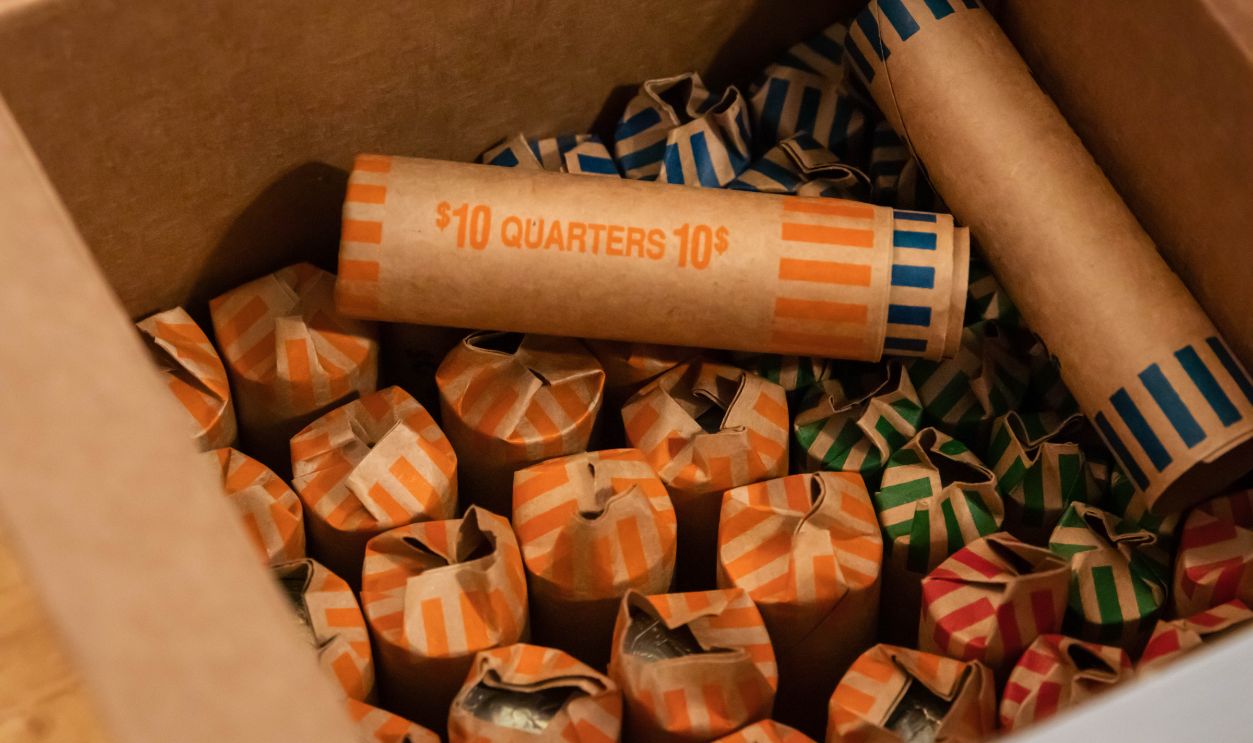
Internal Policies Vary From Bank To Bank
Federal regulators typically allow banks to set their own policies with respect to accepting coins or exchanging them for cash. That means one branch might be happy to take your coin rolls while another refuses them entirely. The key factor is the institution’s own internal rules, not a nationwide federal requirement.

Large Coin Deposits Create Practical Problems
If you remember how long it took you to roll all those coins, you won’t be surprised to hear that handling large coin deposits is also labor intensive for the bank. Bank staff have to verify rolls, store the coins securely, and eventually ship them to processing facilities or the Federal Reserve. When branches are understaffed or lack coin handling equipment, they may limit or decline large deposits.
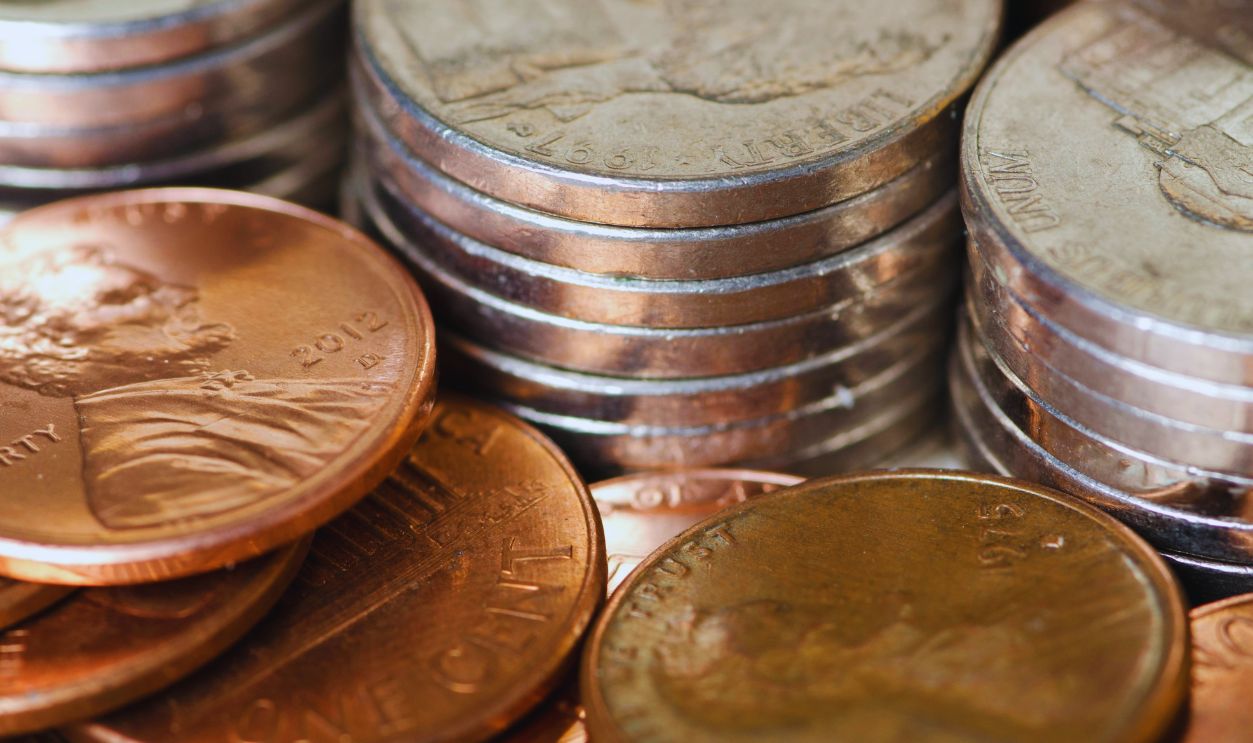
Banks Worry About Coin Roll Fraud
There’s another practical concern: coin roll fraud sometimes happens when people pack rolls with the wrong denominations or fewer coins than labeled. Because of this risk, a lot of banks verify rolls carefully before they’ll accept them. That verification takes time, and that’s another reason why branches put limits on coin deposits.

Your Bank Account Status Matters
If you have an account with the bank, you generally have a stronger case for asking them to accept your coins as a deposit. But if you’re not a customer, many banks will refuse coin exchanges entirely or charge you a fee. Being an account holder often determines what services you receive, but is no guarantee.

Some Branches Set Deposit Limits
Even when banks accept rolled coins, they may put limits on how much they’ll take. A branch might allow only a certain dollar amount per day or require advance notice for large deposits. If you walked in off the street with hundreds of dollars in coins, the teller might simply lack authority to process it.

Ask About Their Written Policy
If your coins are refused, the first step is to ask for the bank’s official policy on coin deposits. Many banks publish these rules in customer agreements or internal procedures. Your familiarity with the policy will help you determine whether the refusal was legitimate or just a misunderstanding.

Try A Different Branch
Bank policies are often applied differently at different branches. A branch with a coin counting machine or more experienced staff may take your deposit even if another branch won’t. Visiting another branch of the same bank can quickly solve the problem.

Consider Credit Unions
Credit unions often provide more flexible coin services for members. Many still maintain coin counting machines and accept larger deposits without the extra fees. If your bank repeatedly refuses coin deposits, opening a credit union account could make handling coins much easier.
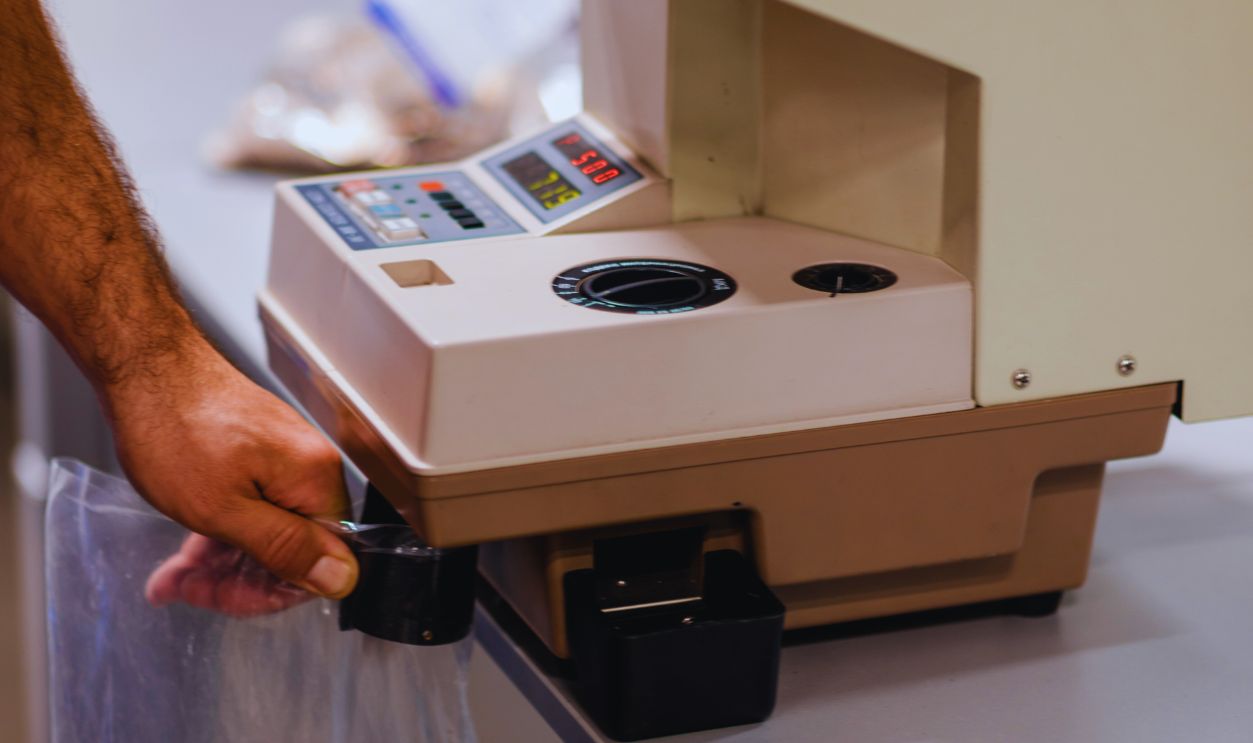
Grocery Store Coin Machines
Coin counting kiosks in grocery stores offer another possible route. These machines can be found in many supermarkets, and will accept loose coins and convert them into cash or electronic credit. These services usually charge a percentage fee, but they’ll at least save you the trouble of rolling coins manually.
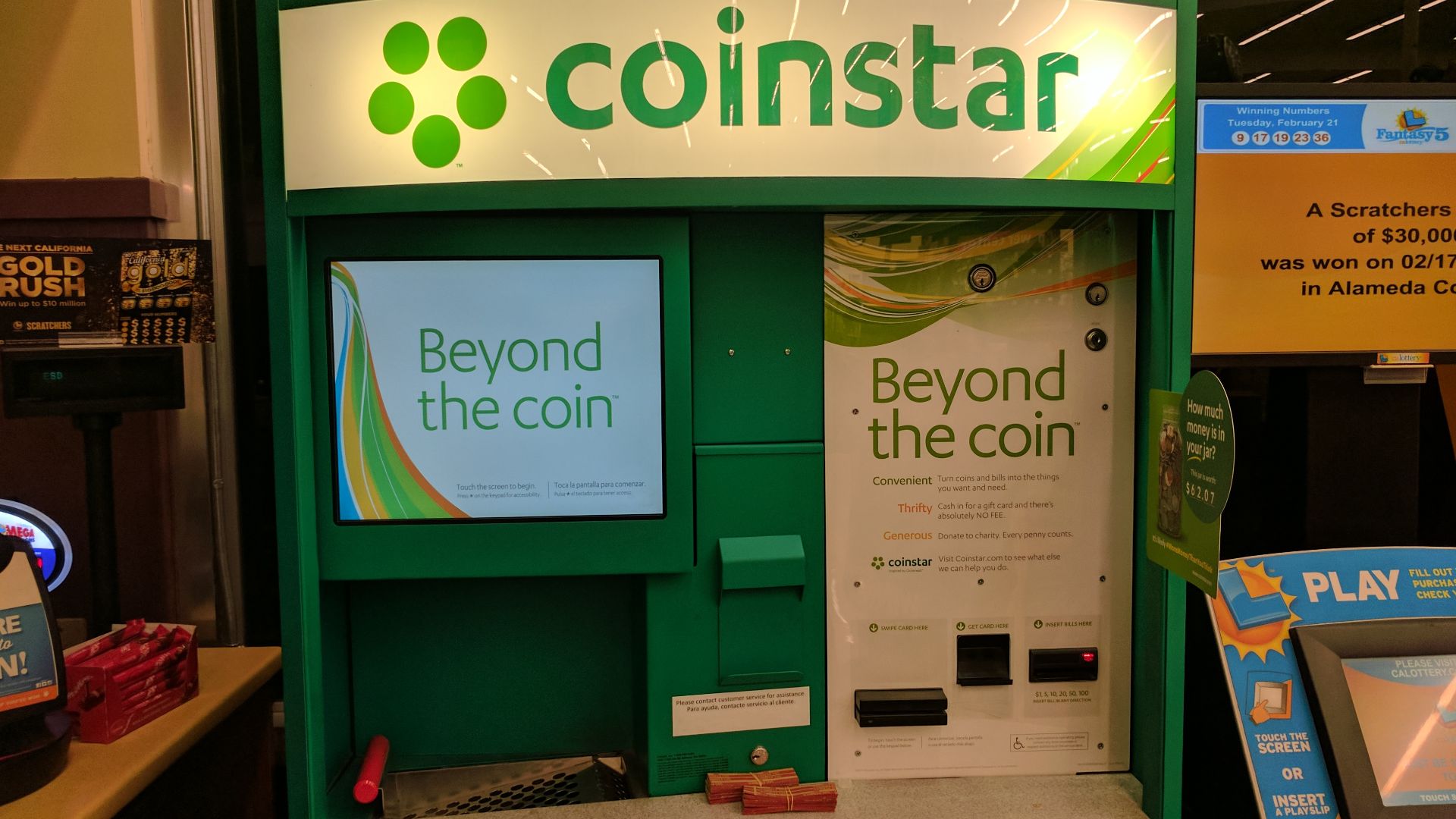
Deposit Through A Coin Kiosk
Some banks partner with coin kiosk services that let customers deposit coins straight into their bank accounts. In these cases, you insert your debit card and feed the coins into the machine. The amount is credited to your account after the machine counts them.
Stores May Take Large Coin Payments
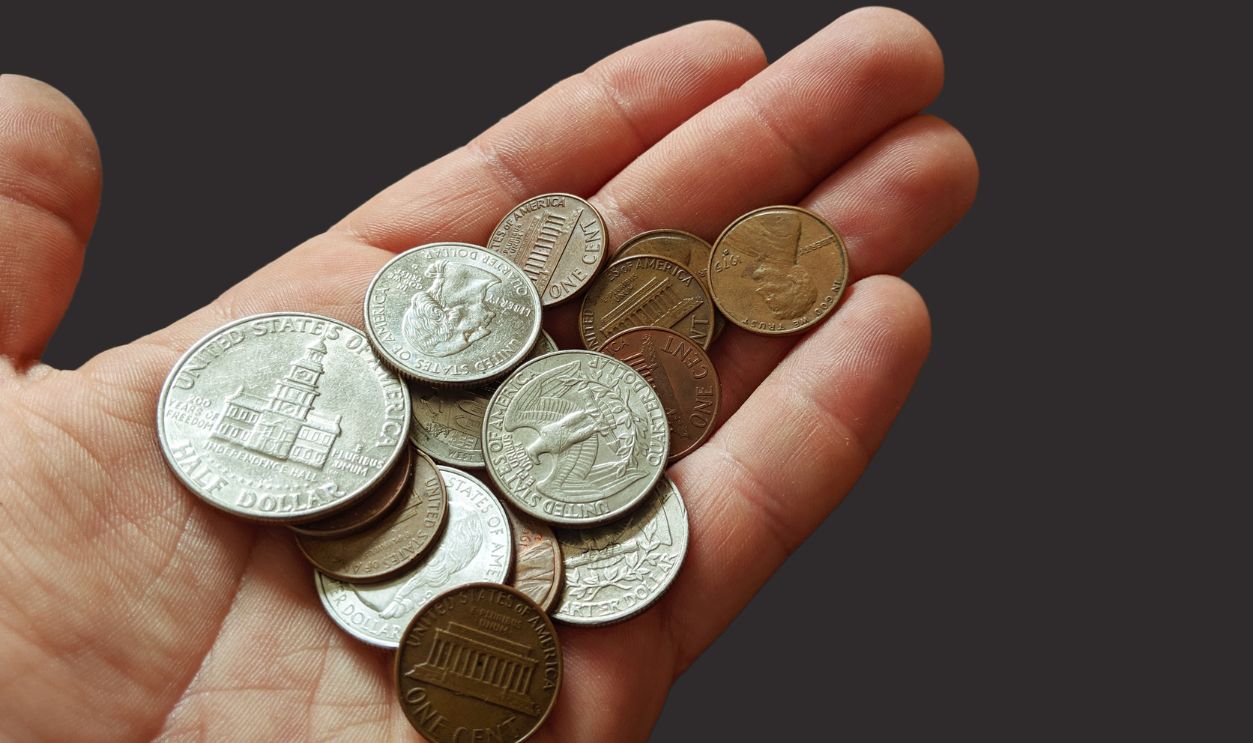
One other possible option is to spend the coins gradually. Retail stores, self checkout machines, and vending machines will take large quantities of coins over time. While it’s not an ideal process for hundreds of dollars, it can slowly reduce your coin stash without compelling you to make a bank deposit.
 Victoriano Izquierdo, Unsplash
Talk To Customer Service
If a teller rejects your deposit and you think it violates the bank’s policy, consider getting in touch with customer service or branch management. A supervisor may approve the transaction or explain the reasoning behind the refusal. Escalating persistently and politely often leads to a clearer resolution.

Legal Tender Has Limits
Many people think legal tender laws require every business to accept cash and coins, whether they want to or not. In reality, federal law simply states that U.S. currency is valid for paying debts. It doesn’t require private businesses or banks to accept any specific form of payment in every situation.

Banks Aren’t Required To Accept Deposits
Another surprising fact is that banks are under no legal obligation to accept deposits at all. Deposits are part of the contractual arrangement between you and your financial institution. If the bank’s policies restrict certain deposits, those rules provide the general guidance for the situation.

Plan Ahead To Avoid Problems
Before you go hog wild and collect large amounts of coins again, it helps to call your bank ahead of time. Ask them if they accept rolled coins, what limits apply, and if they require advance notice. A quick phone call can prevent an awkward encounter at the teller window.

The Bottom Line On Coin Deposits
Your coins are absolutely legal U.S. currency, but that status alone doesn’t guarantee that a bank has to accept them. Internal bank policies, equipment limitations, and fraud concerns all play a role. A firm understanding of all these factors and rules will help you find the easiest way to turn that jar of coins into usable money.

You May Also Like:
People keep telling me about the “Latte Factor” money strategy—can it really make me rich?