Wait…What Was That Brand?
Baby Boomers did not just grow up with different products. They grew up surrounded by brand names that once appeared in nearly every supermarket and department-store in America. Then, somewhere along the way, those names disappeared—or became so much less visible that an entire generation barely knows they existed.
So, how many of these do you remember?
Breck
For decades, Breck was one of America’s best-known shampoo brands. Its famous “Breck Girls” advertisements featured soft, painted portraits of beautiful women, while separate formulas were offered for dry, oily and normal hair. Today, the name barely registers with many younger shoppers.
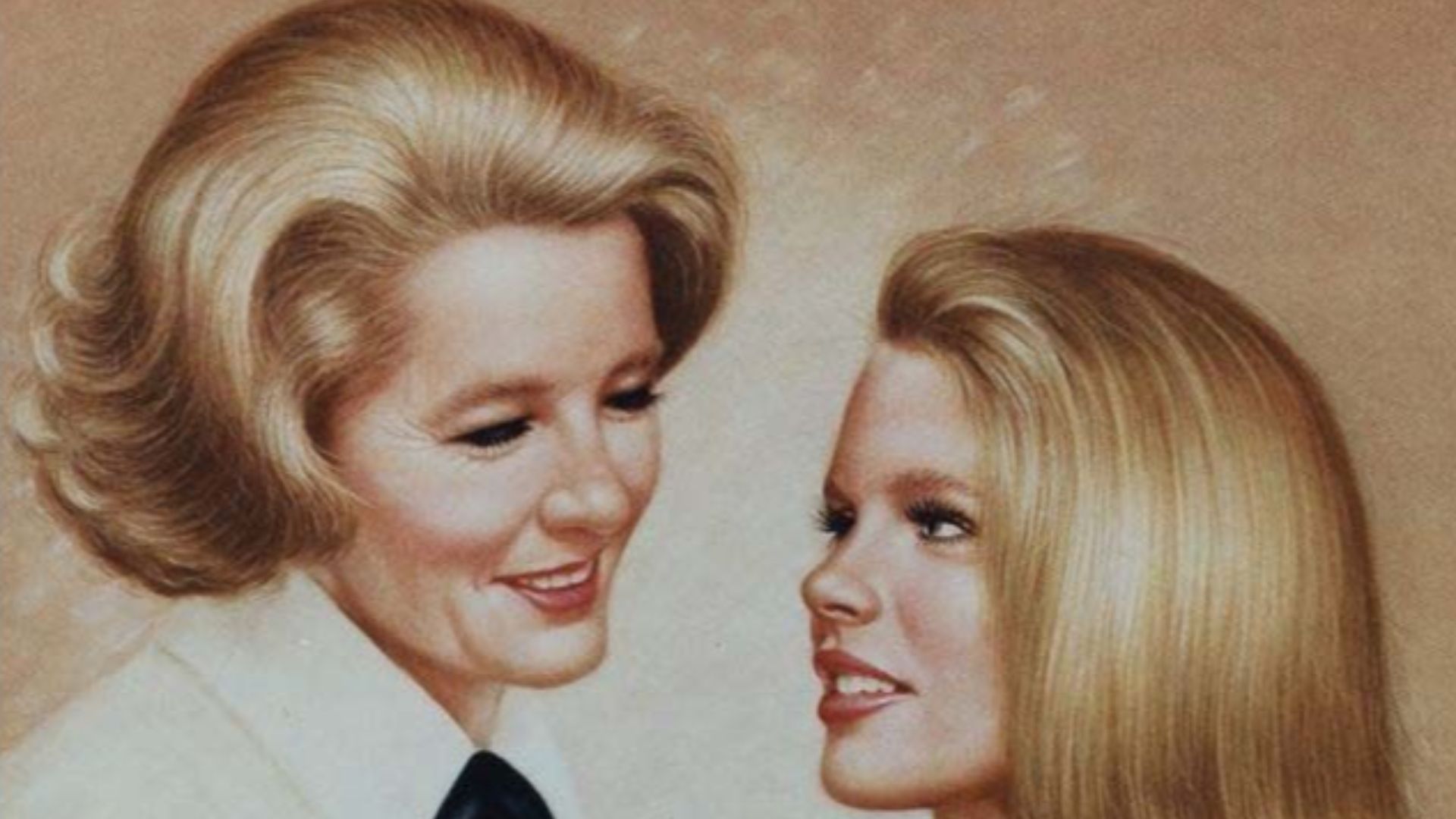 Ralph William Williams & John H. Breck, Inc, Wikimedia Commons
Quasar
Motorola introduced Quasar as a television brand in 1967, promoting sets with their electronic components arranged in an easily serviced drawer. Motorola sold the television business to Matsushita in 1974, and Quasar expanded into other electronics before gradually fading from American stores.
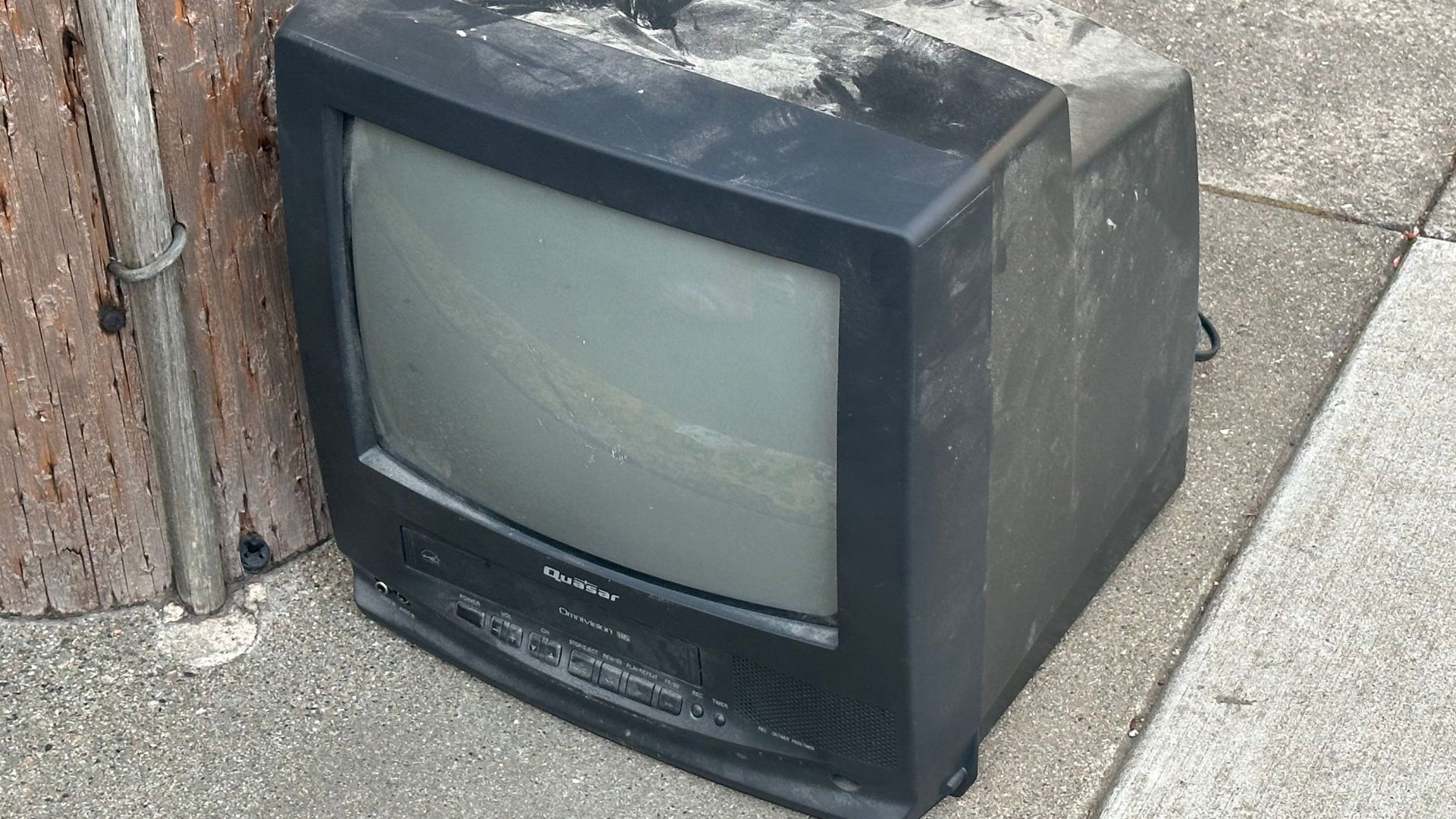 BARTcaptures, Wikimedia Commons
Hai Karate
Introduced in 1967, Hai Karate was an affordable men’s fragrance with advertising that was almost impossible to forget. Commercials suggested its scent made men irresistible, and some packages even included mock self-defense instructions. The brand eventually vanished from most American drugstores, although it has been revived elsewhere.
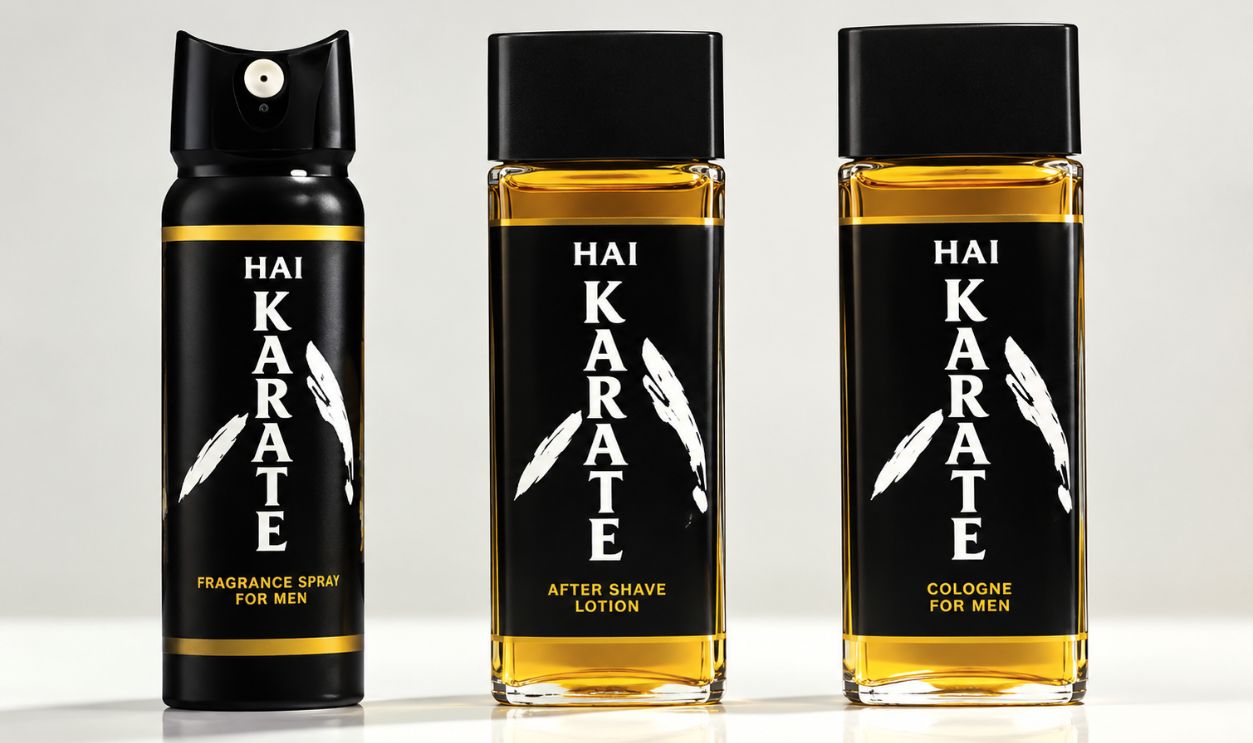 Screenshot from Hai Karate ad, Enhanced
Chiffon
Chiffon margarine became famous for commercials featuring Mother Nature, who was not pleased to discover that its flavor had fooled her. The campaign produced the memorable warning, “It’s not nice to fool Mother Nature.” Chiffon was discontinued in the United States and Canada around 2002.
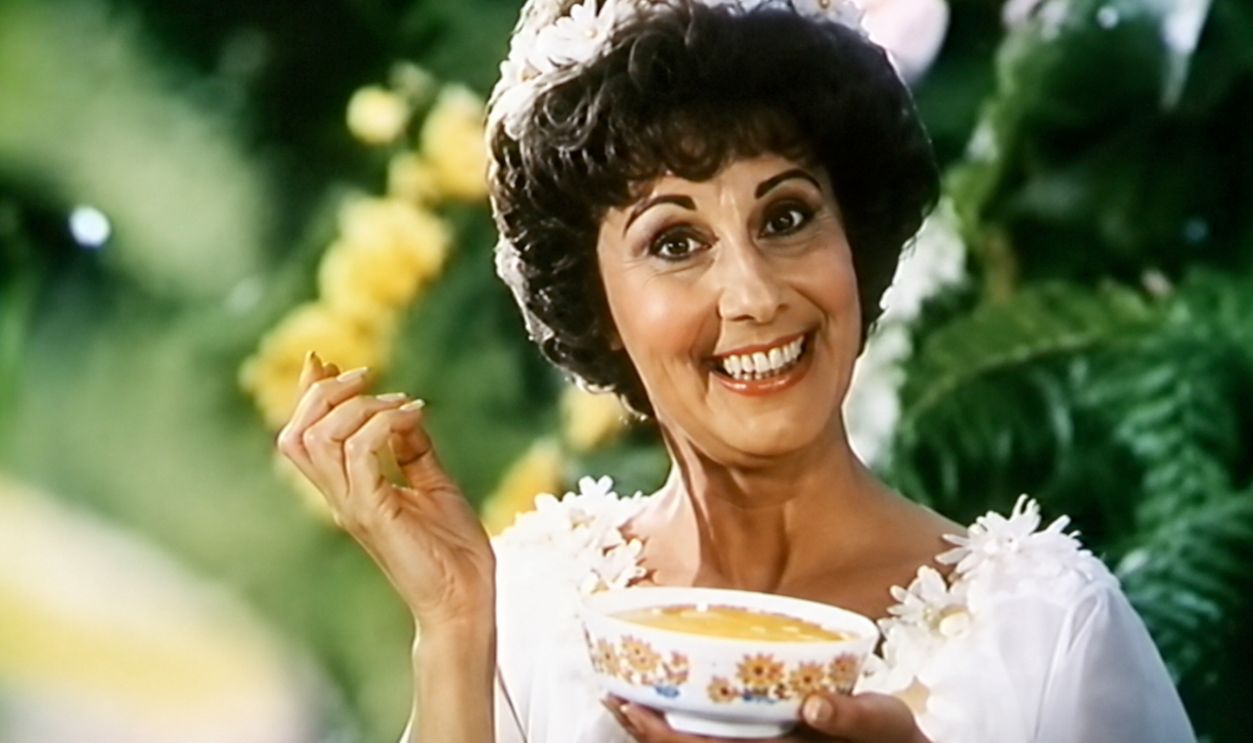 Screenshot from Chiffon ad, Enhanced
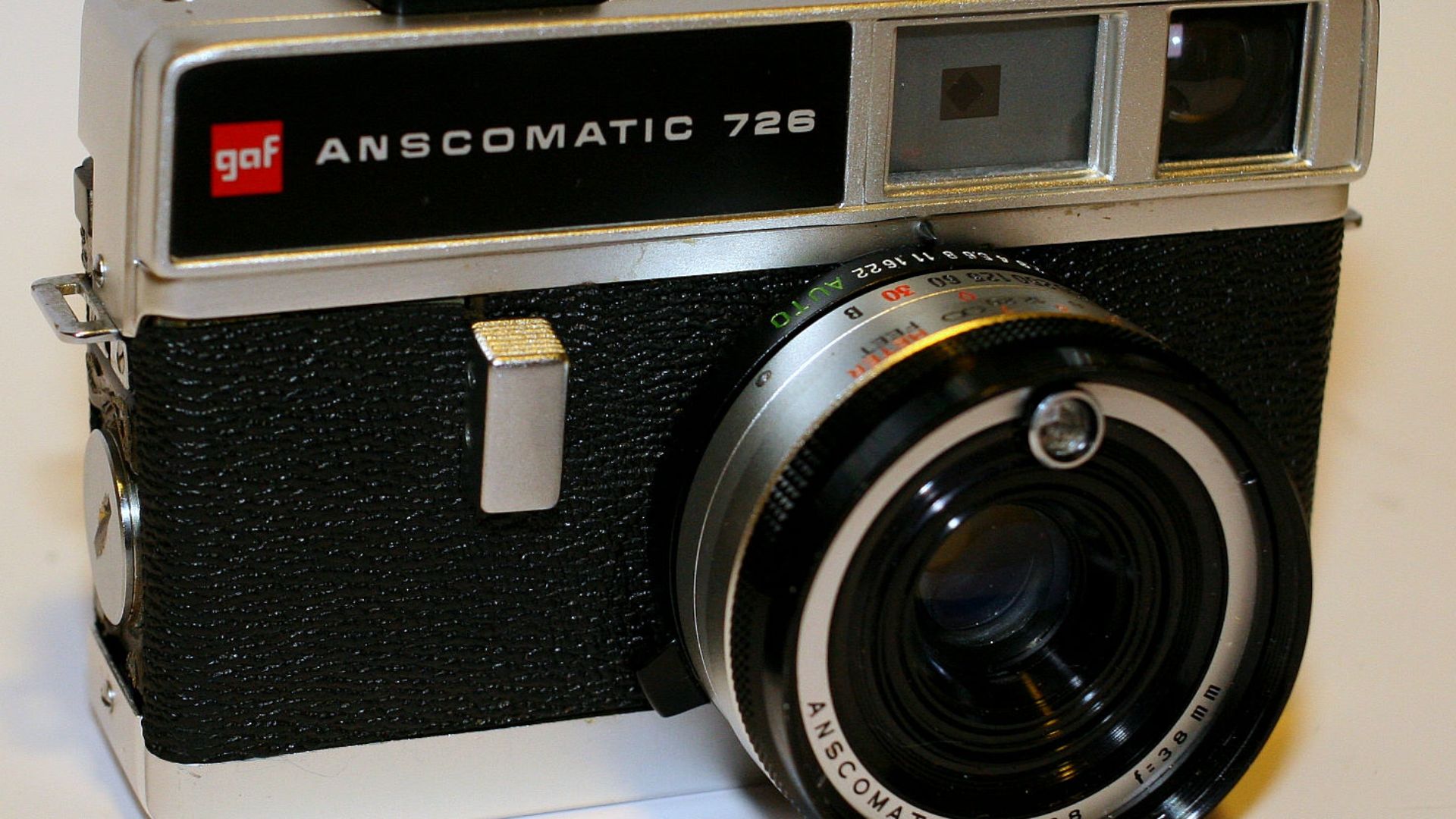
GAF
Long before GAF became primarily associated with building materials, its name appeared on cameras, film and home-movie projectors. The company also acquired the View-Master business in the 1960s. For families recording vacations and birthdays, GAF was once a recognizable consumer-electronics name.
Dippity-Do
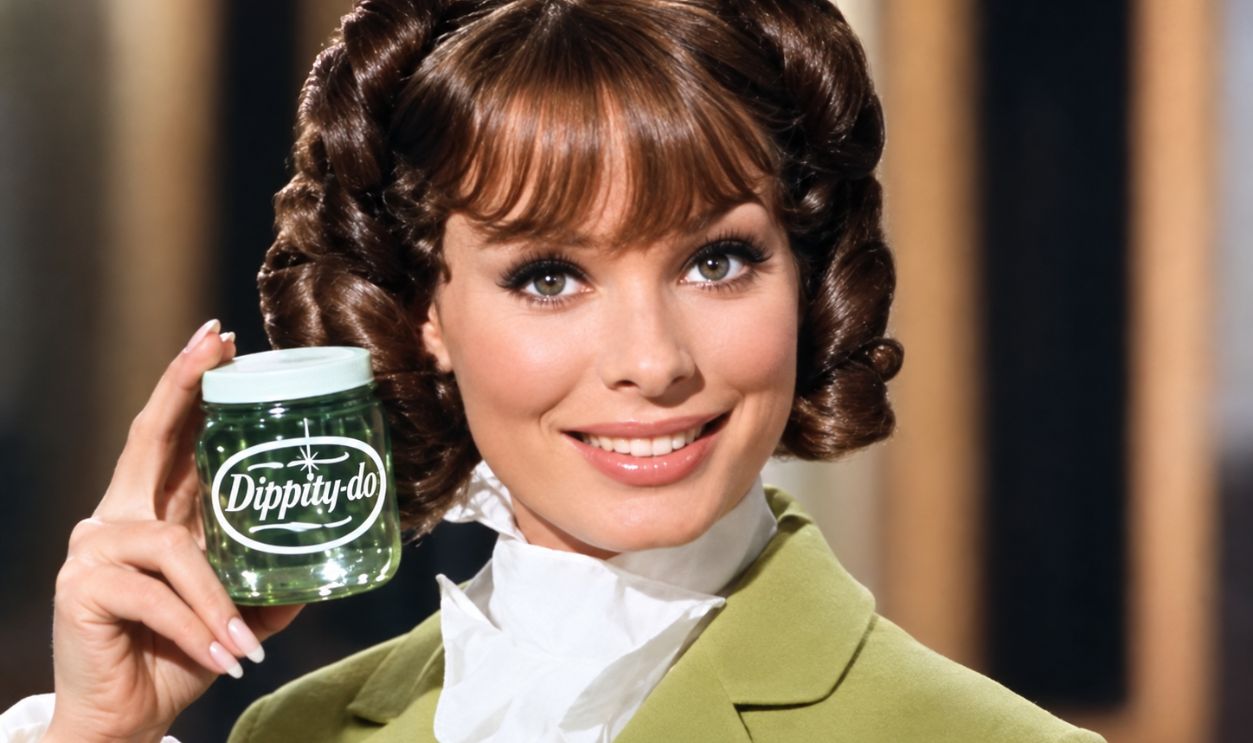
Introduced in 1965, Dippity-Do was the setting gel behind an astonishing number of carefully arranged hairstyles. Women used the brightly colored gel with rollers to keep every curl in place. The brand still exists, but it is nowhere near the household name it was during its heyday.
 Screenshot from Dippity-Do ad, Enhanced
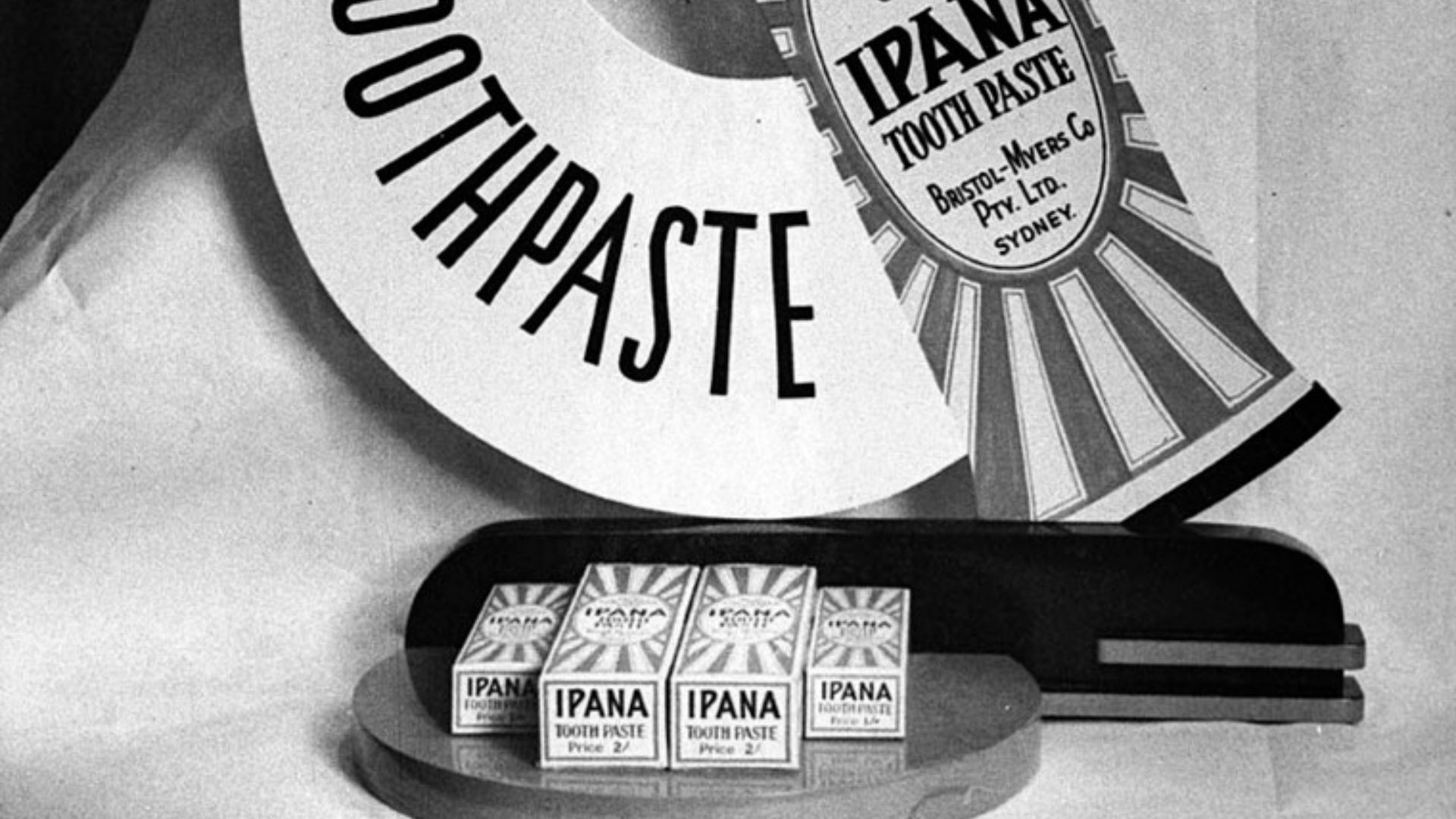
Ipana
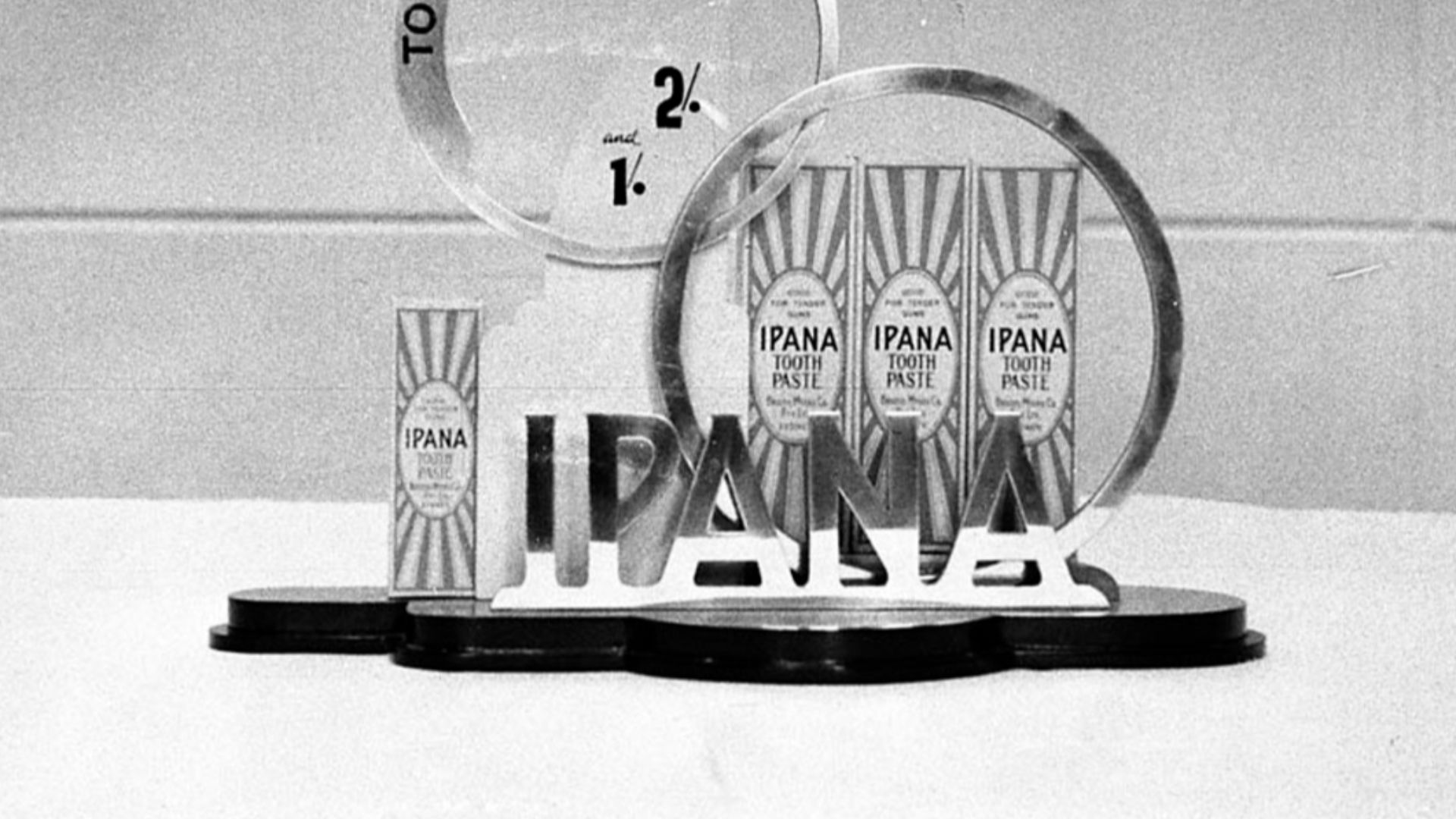
Ipana toothpaste had Bucky Beaver, one of the most recognizable advertising mascots of the era. He encouraged children to “brush-a, brush-a, brush-a,” but Ipana steadily lost ground to competing brands. Bristol-Myers discontinued it in the United States by 1979, although the name was later revived.
Morton Frozen Foods
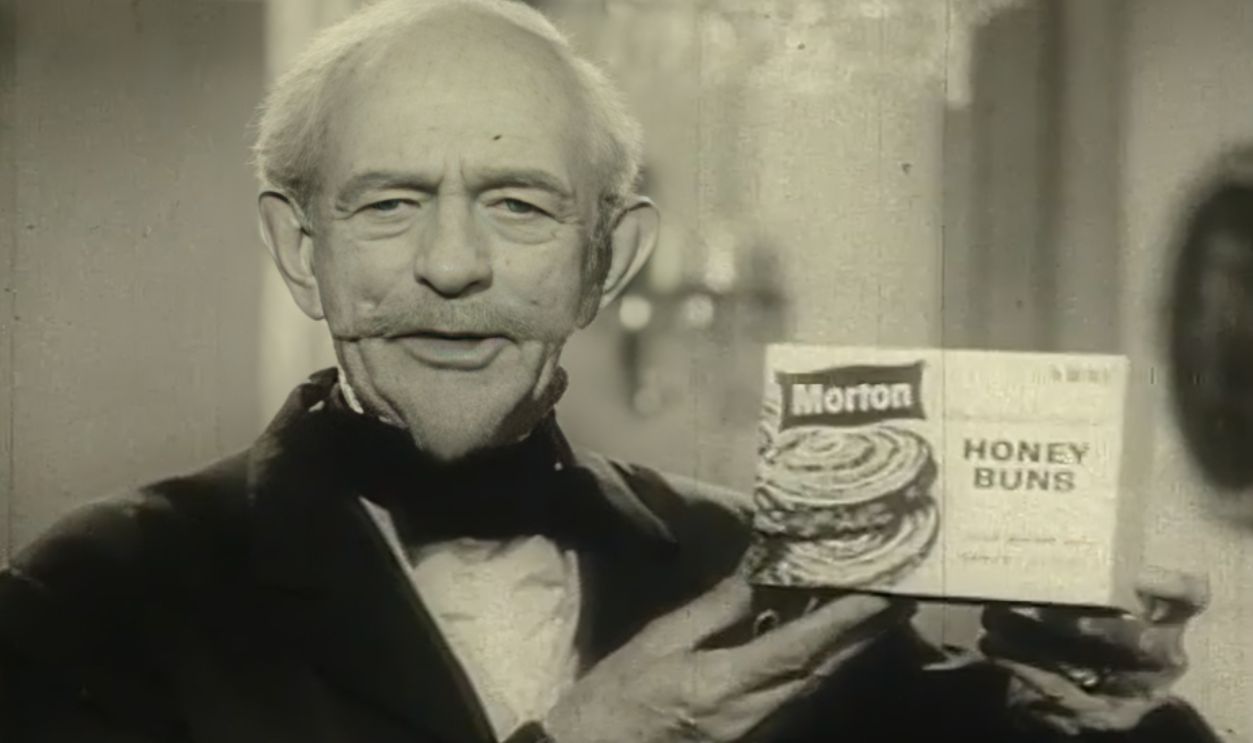
Morton once sold an enormous range of frozen foods, including pot pies, dinners, fruit pies, doughnuts and honey buns. Its packaging often leaned heavily into old-fashioned Kentucky imagery. After several ownership changes, the once-familiar Morton frozen-food brand largely disappeared around the turn of the century.
 Screenshot from Morton Frozen Food ad, Enhanced
Tame
Before conditioner became the standard word, plenty of shoppers reached for Tame Crème Rinse. The brand promised to make freshly washed hair easier to comb, style and control. Tame eventually grew into a broader haircare line, but its familiar bottles gradually disappeared from store shelves.
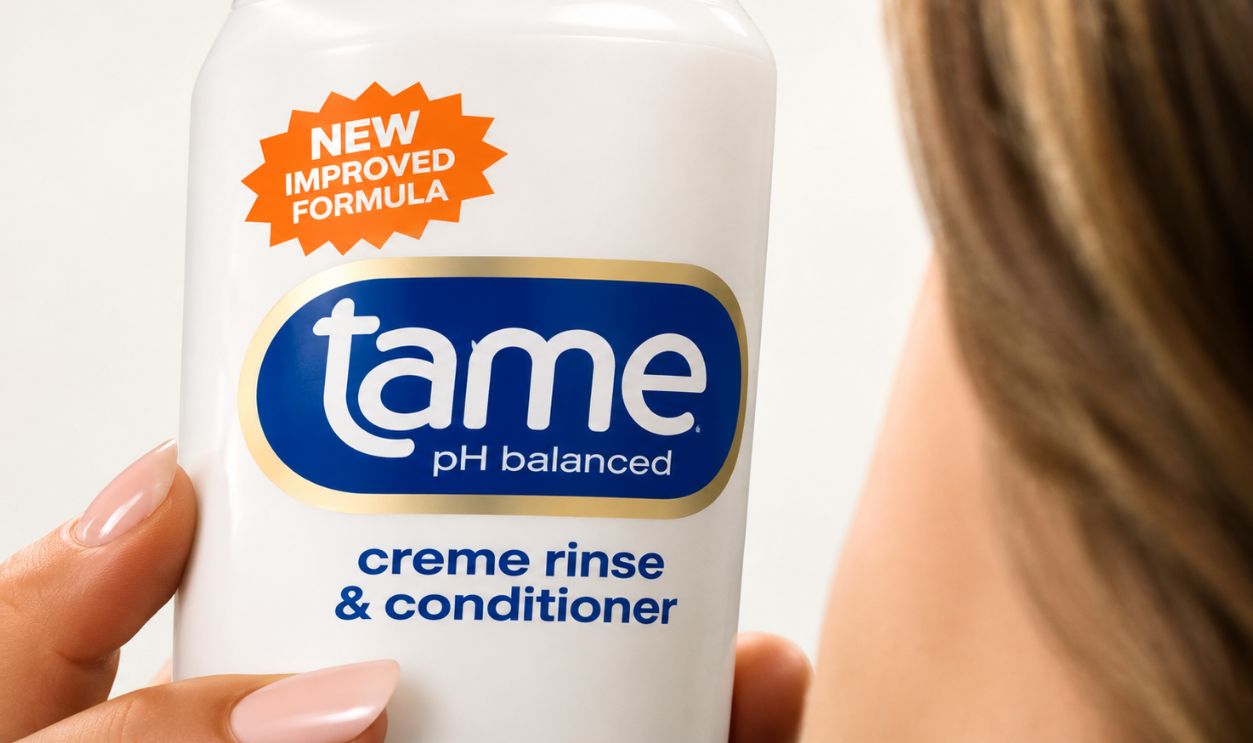 Screenshot from Tame Creme Rinse ad, Enhanced
Jade East
Jade East arrived in 1964 and quickly became one of the era’s recognizable men’s fragrances. Its advertising leaned into a vaguely exotic image that was considered sophisticated at the time. For plenty of teenage boys, Jade East was an early introduction to aftershave and cologne.
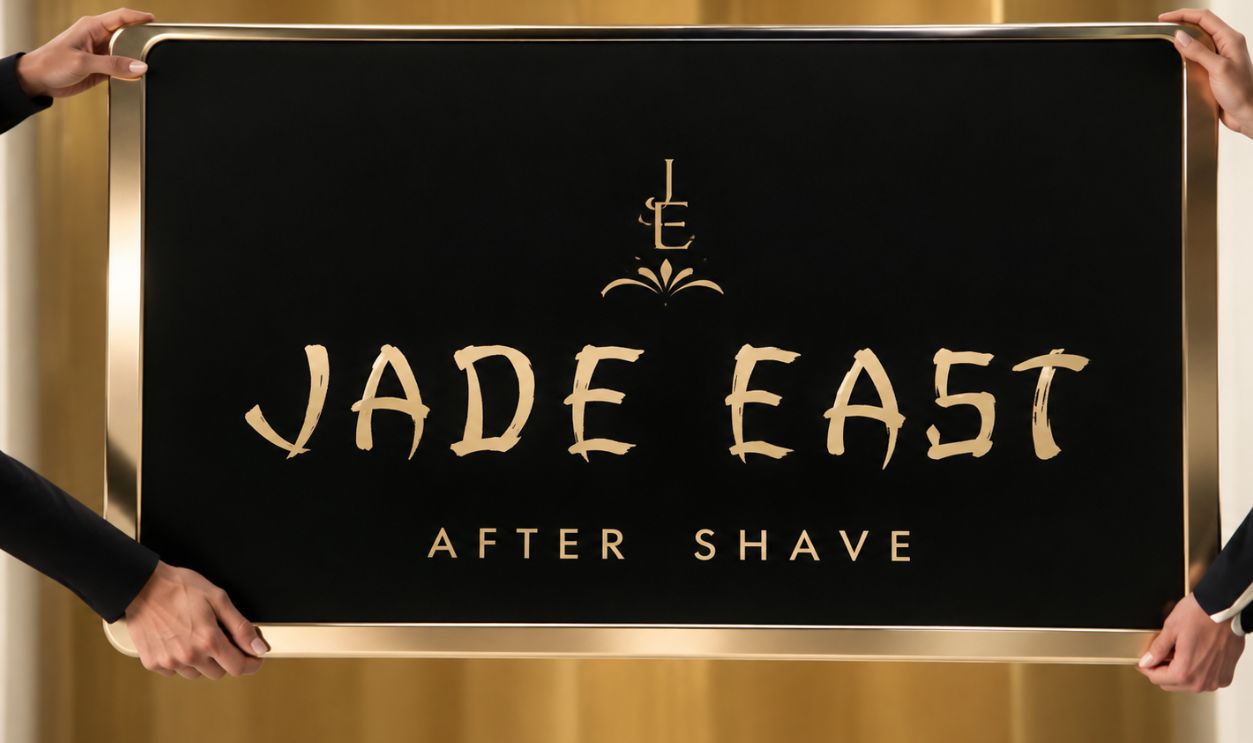 Screenshot from Jade East ad, Enhanced
Bell & Howell
Home movies required actual equipment, and Bell & Howell was one of the biggest names in the business. Its cameras and projectors captured countless birthdays, vacations and Christmas mornings. The company name survives, but younger people are unlikely to associate it with the family movie nights Boomers remember.
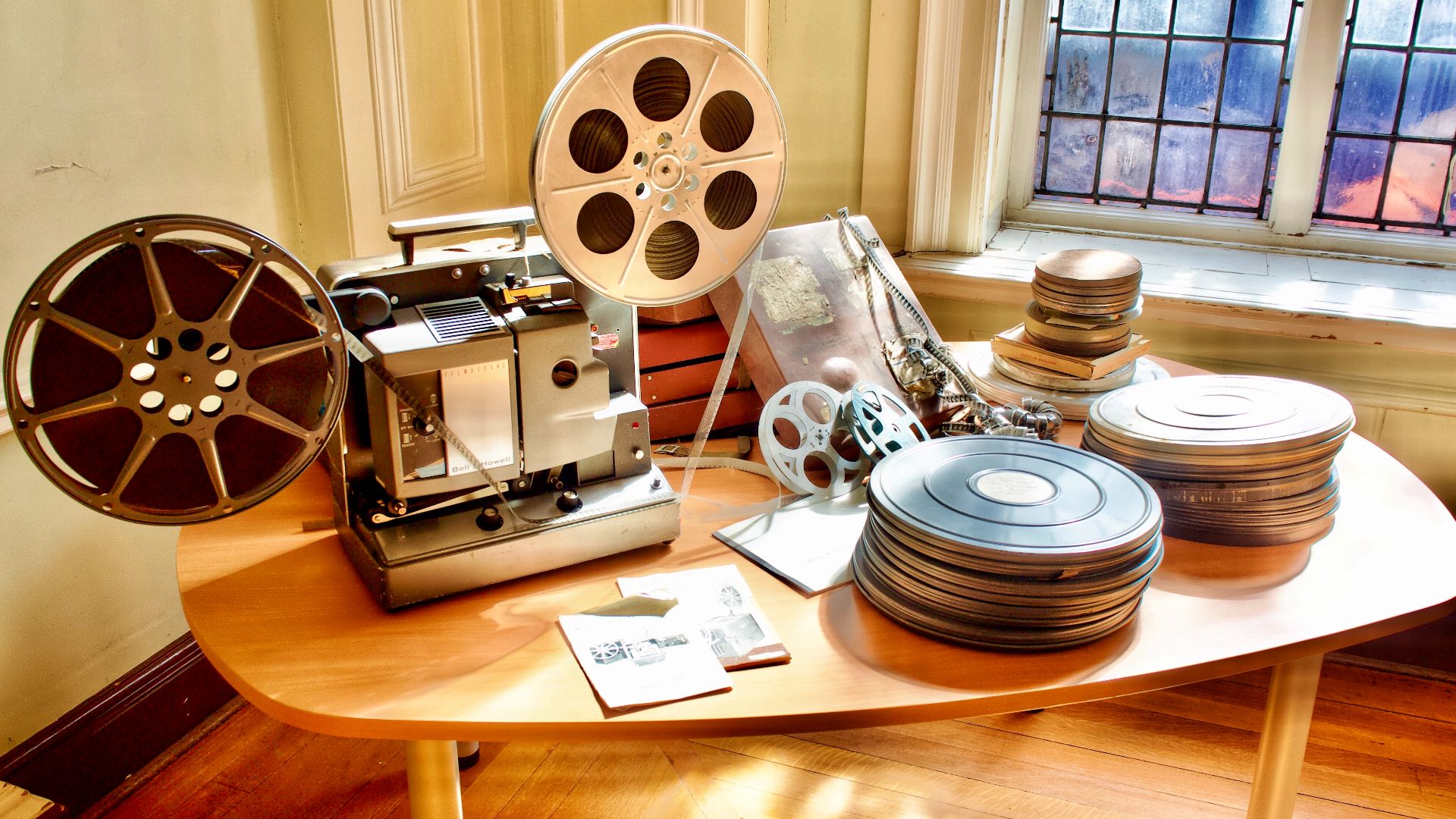
Fluffo
Fluffo was a Procter & Gamble shortening brand that came in a bright yellow container and competed directly with names such as Crisco. It was heavily advertised during the mid-20th century, but the crowded shortening aisle eventually moved on. Even its distinctive name is now largely forgotten.
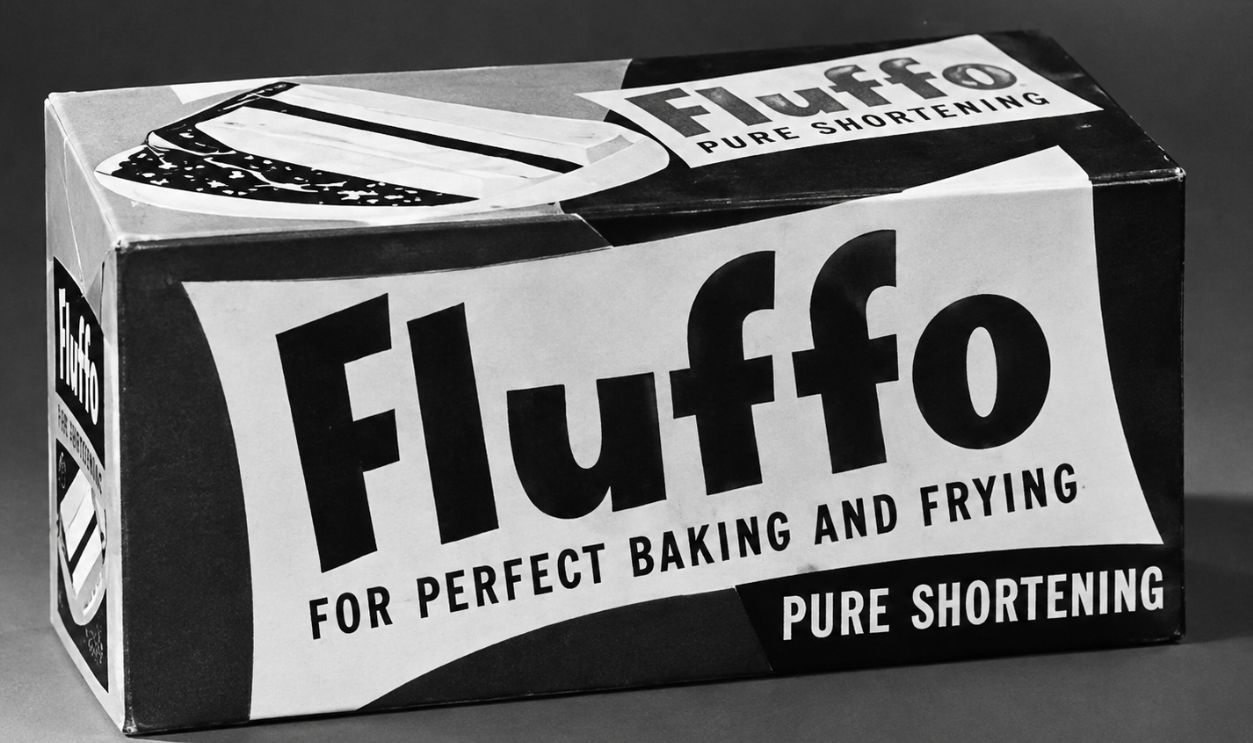 Screenshot from Fluffo ad, Enhanced
Norge
Norge sold refrigerators, washing machines, dryers and other major household appliances. The brand passed through several corporate owners, including Magic Chef and Maytag, before eventually disappearing. Yet for years, plenty of American kitchens and laundry rooms contained at least one large appliance bearing the Norge name.
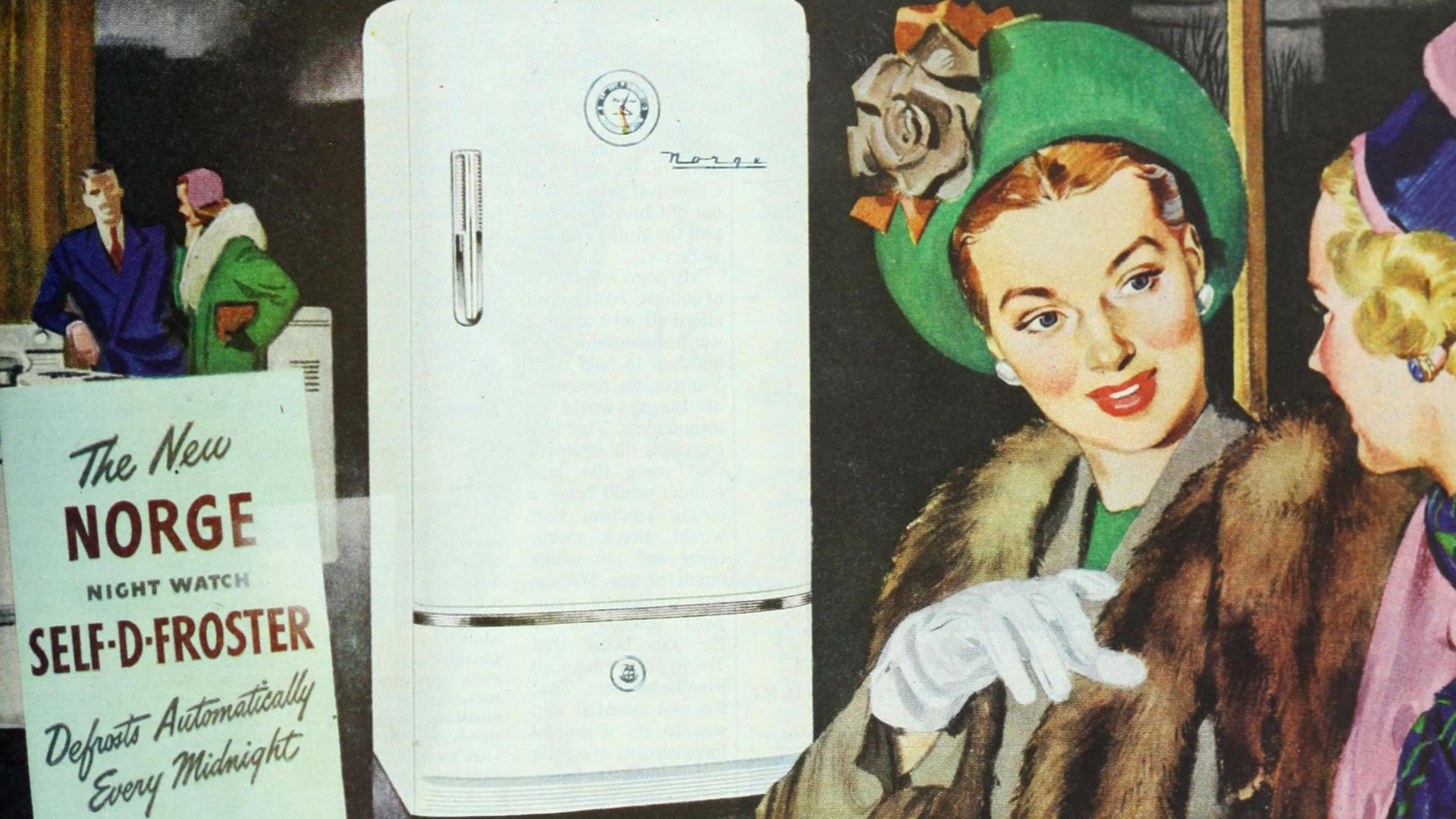 Wyeth, N. C. (Newell Convers), 1882-1945, Wikimedia Commons
Lemon Up
Lemon Up stood out because some bottles came topped with a cap shaped like an actual lemon. Its advertising claimed the shampoo contained the juice of one whole lemon. The brand disappeared from ordinary stores, although it remains available as a specialty product for especially nostalgic shoppers.
Borateem
Borateem was a laundry booster that promised to brighten clothing and help detergent tackle difficult loads. Its name was familiar to generations who spent Saturday mornings sorting clothes and measuring powders. Borateem can still occasionally be found, but it no longer has anything close to its former visibility.
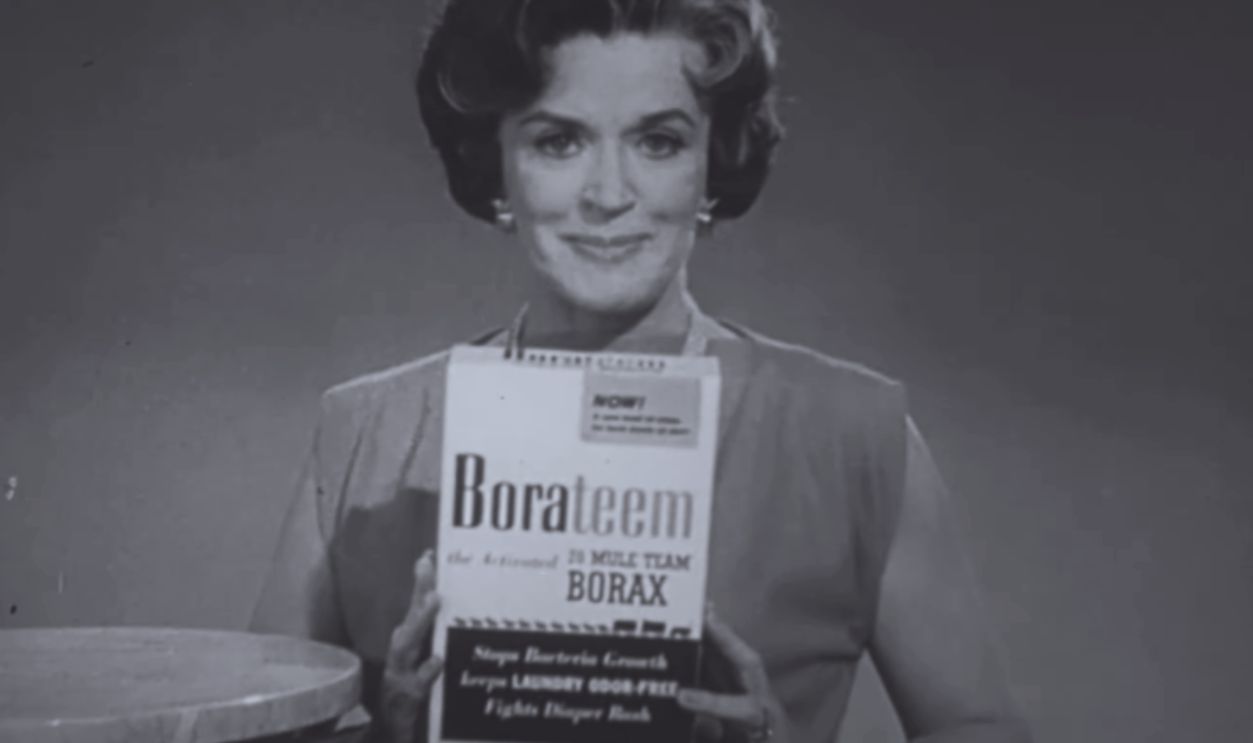 Screenshot from Borateem ad, Enhanced
Bobbie Brooks
Bobbie Brooks was a major women’s sportswear label known for coordinated separates that made building an outfit considerably easier. The company expanded rapidly during the 60s and 70s before experiencing serious financial trouble in the early 80s. The label continued afterward, but never regained its former prominence.
![Collectie / Archief : Fotocollectie Anefo
Reportage / Serie : [ onbekend ]
Beschrijving : Exterieur Bobbie Brooks , opdracht WIK
Datum : 16 augustus 1973
Trefwoorden : exterieur, gebouwen
Fotograaf : Punt, […] / Anefo
Auteursrechthebbende : Nationaal Arch](https://www.factinate.com/storage/app/media/moneymade/2026/9/23/1790159744b53417735871b9fd502616b5db012335fdea2cbb.jpg) W. Punt for Anefo, Wikimedia Commons
W. Punt for Anefo, Wikimedia Commons
Patio
Patio helped introduce frozen Mexican dinners to shoppers far beyond the American Southwest. Its compartmented trays offered combinations of enchiladas, tamales, rice and refried beans. The brand remained around under later corporate ownership, but became far less visible and eventually vanished from many supermarket freezer aisles.
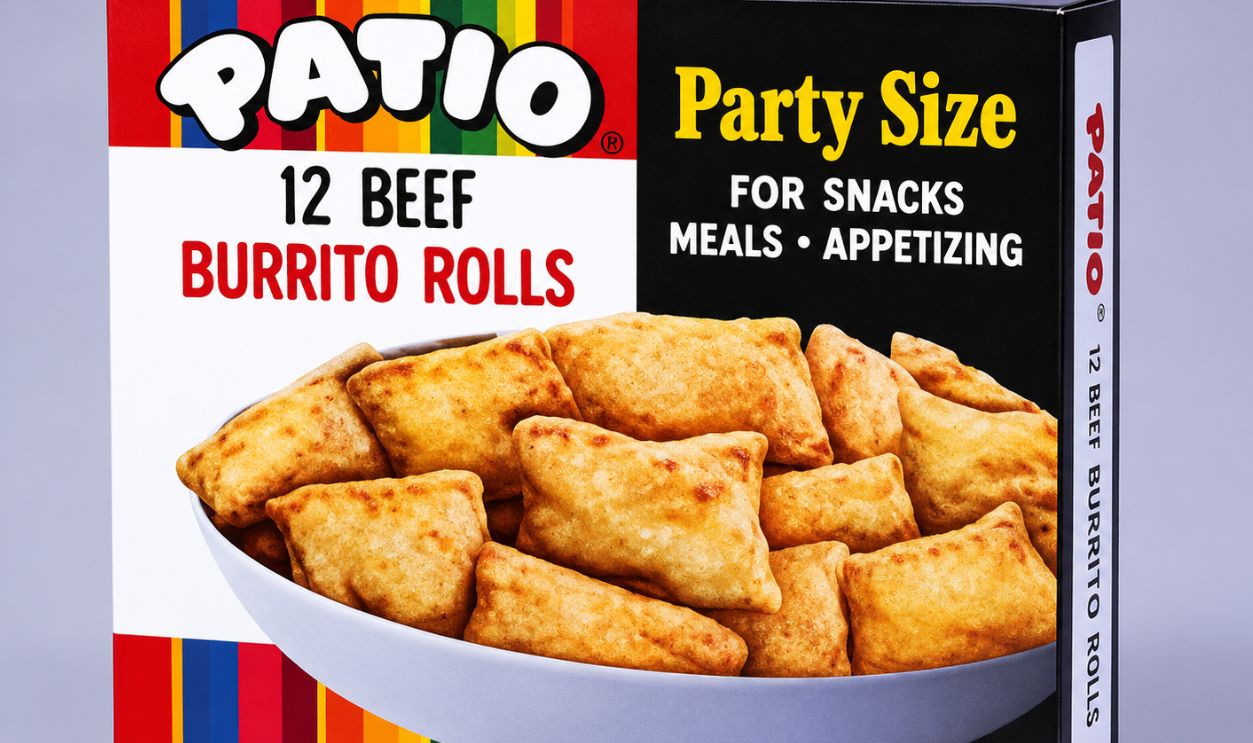 Screenshot from Patio Burrito Roll ad, Enhanced
Arvin
Arvin was a recognizable name on table radios, car radios, heaters and assorted small appliances. The company had previously sold televisions under its own name, but stopped doing so in 1955 and later manufactured Silvertone televisions for Sears. Arvin eventually concentrated more heavily on automotive components.
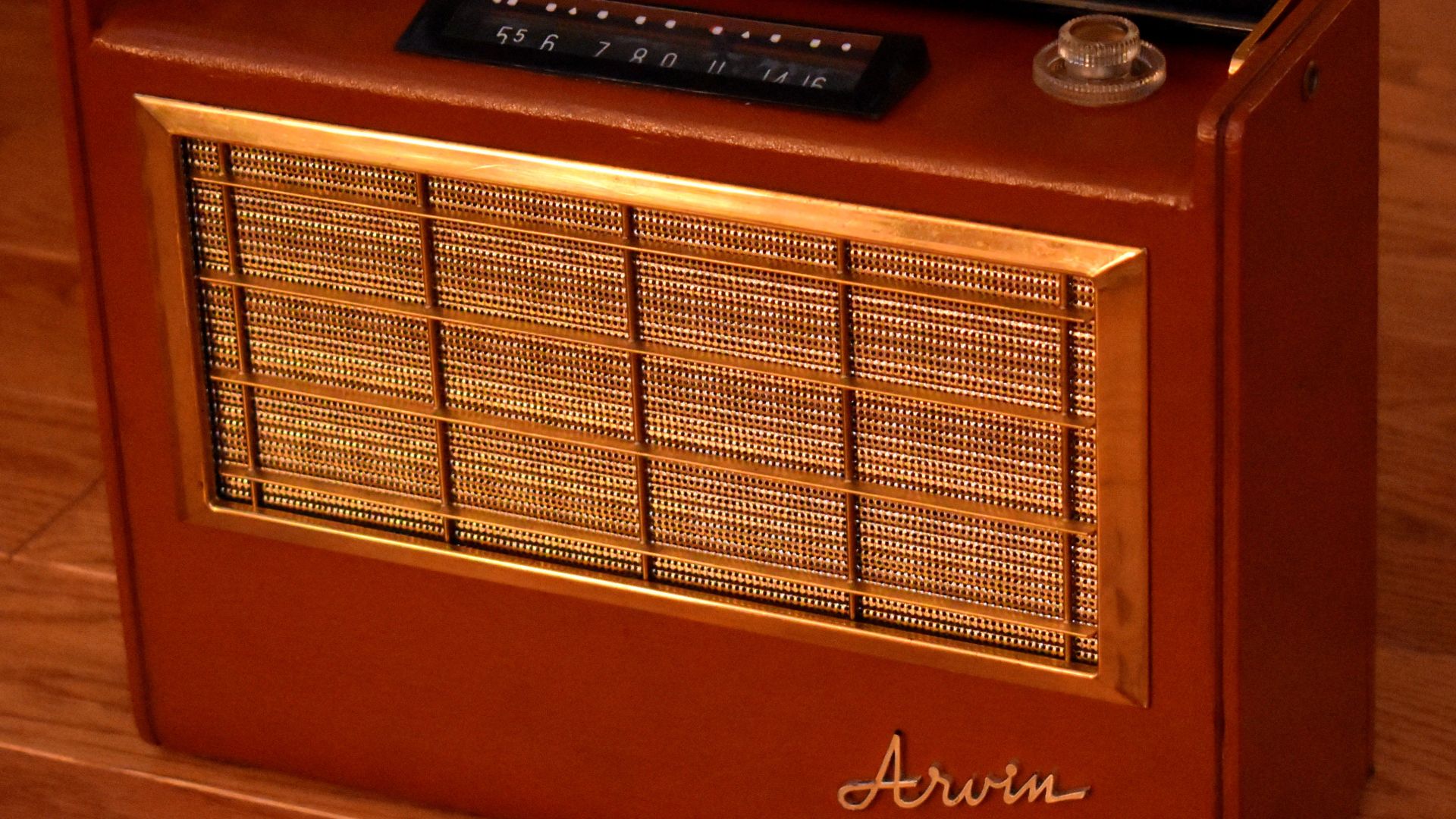 Joe Haupt from USA, Wikimedia Commons
Top Brass
Top Brass was a men’s hair-grooming brand designed to keep carefully combed styles exactly where they belonged. Its tonics and dressings appeared in drugstores and magazine advertisements throughout the era. As men’s hairstyles and grooming habits changed, Top Brass began looking unmistakably old-fashioned.
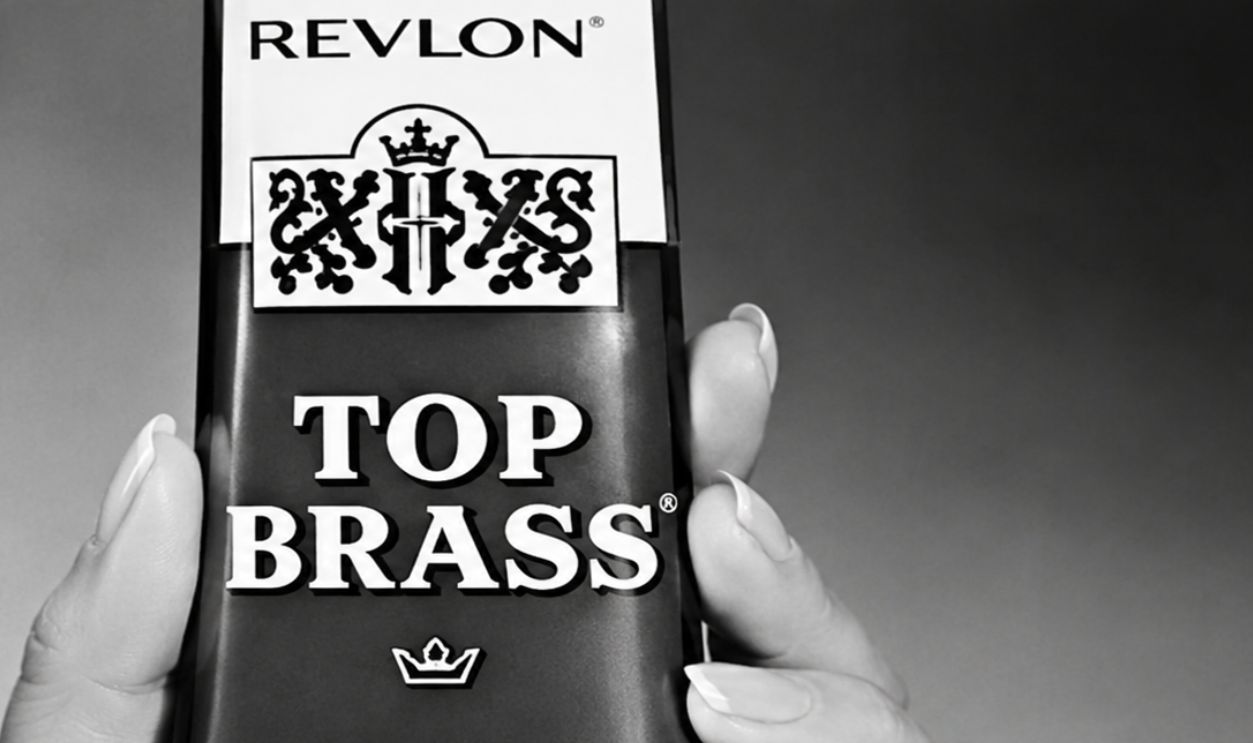 Screenshot from Top Brass ad, Enhanced
Gaines
Gaines was once a major pet-food brand owned by General Foods. Its best-remembered product was Gaines-Burgers, individually wrapped portions of soft dog food shaped vaguely like hamburger patties. Corporate sales and shifting consumer tastes eventually pushed the Gaines name out of most pet-food aisles.
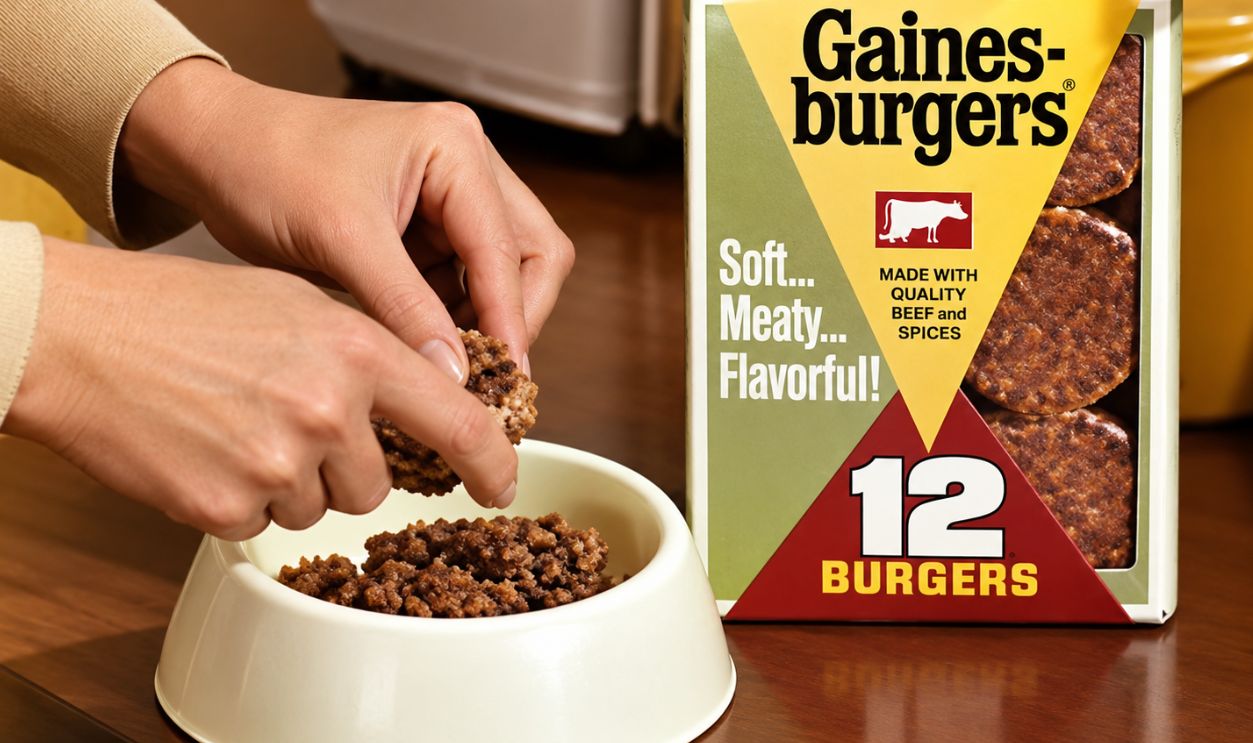 Screenshot from Gaines Burger ad, Enhanced
Electrophonic
Electrophonic specialized in the enormous all-in-one stereo systems that filled living rooms during the 70s. A single cabinet might include a turntable, AM/FM radio, cassette deck or 8-track player. The equipment looked impressive, even if serious audio enthusiasts were not always equally impressed by its performance.
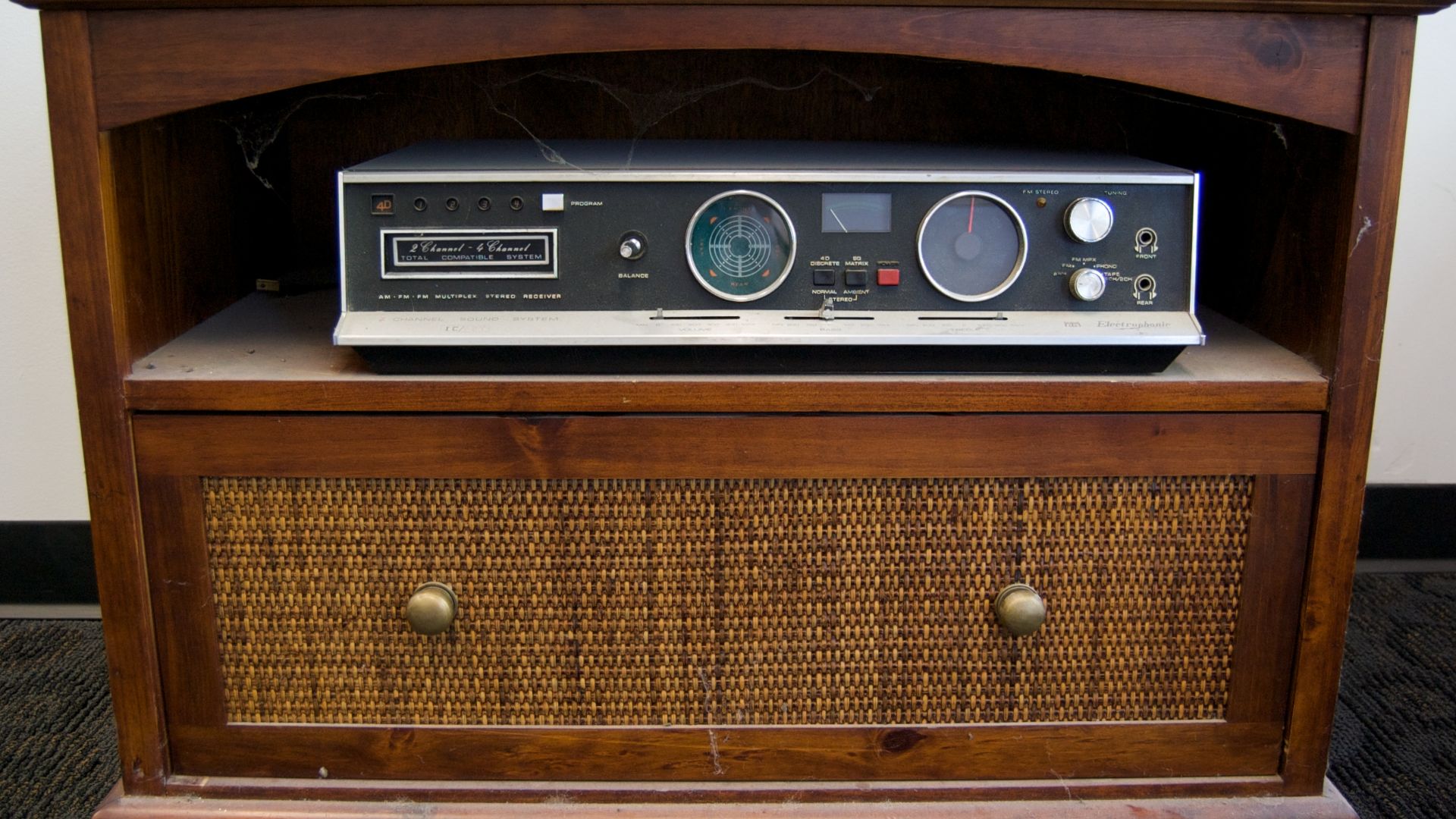 Casey Fleser from Nashville, TN, Wikimedia Commons
Silvertone
For much of the 20th century, Silvertone was Sears’ house brand for radios, record players, televisions, guitars and other musical equipment. The name was still familiar during the early 70s, but Sears gradually removed it from most consumer electronics. The guitar brand was eventually revived decades later.
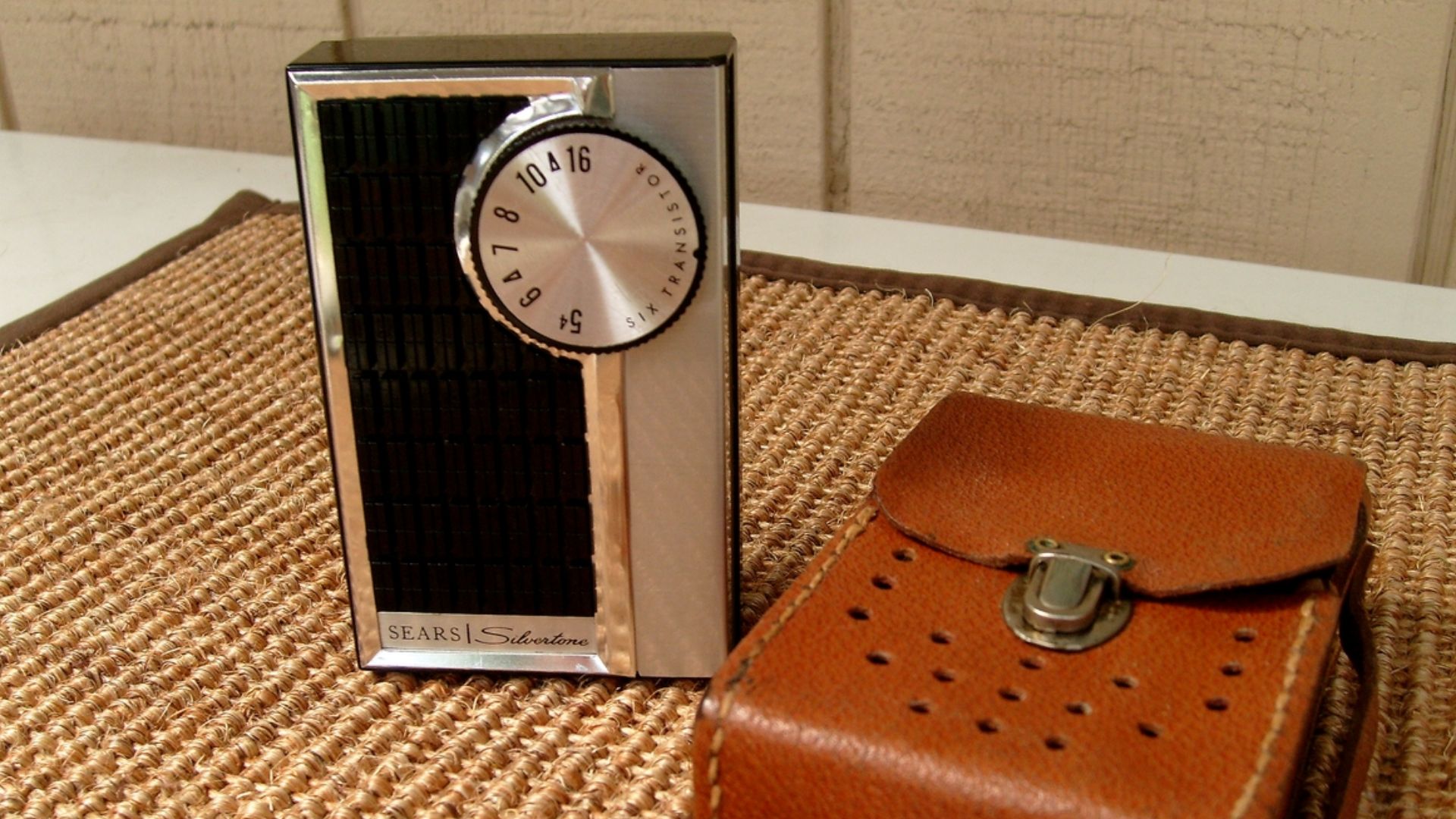 James Case from Philadelphia, Mississippi, U.S.A., Wikimedia Commons
Prince Matchabelli
Prince Matchabelli was a fragrance and cosmetics brand famous for crown-shaped perfume bottles. Wind Song and Cachet became especially familiar through aggressive advertising and wide drugstore distribution. The brand still exists, but ownership changes and shifting tastes reduced the cultural visibility it enjoyed during the 60s and 70s.
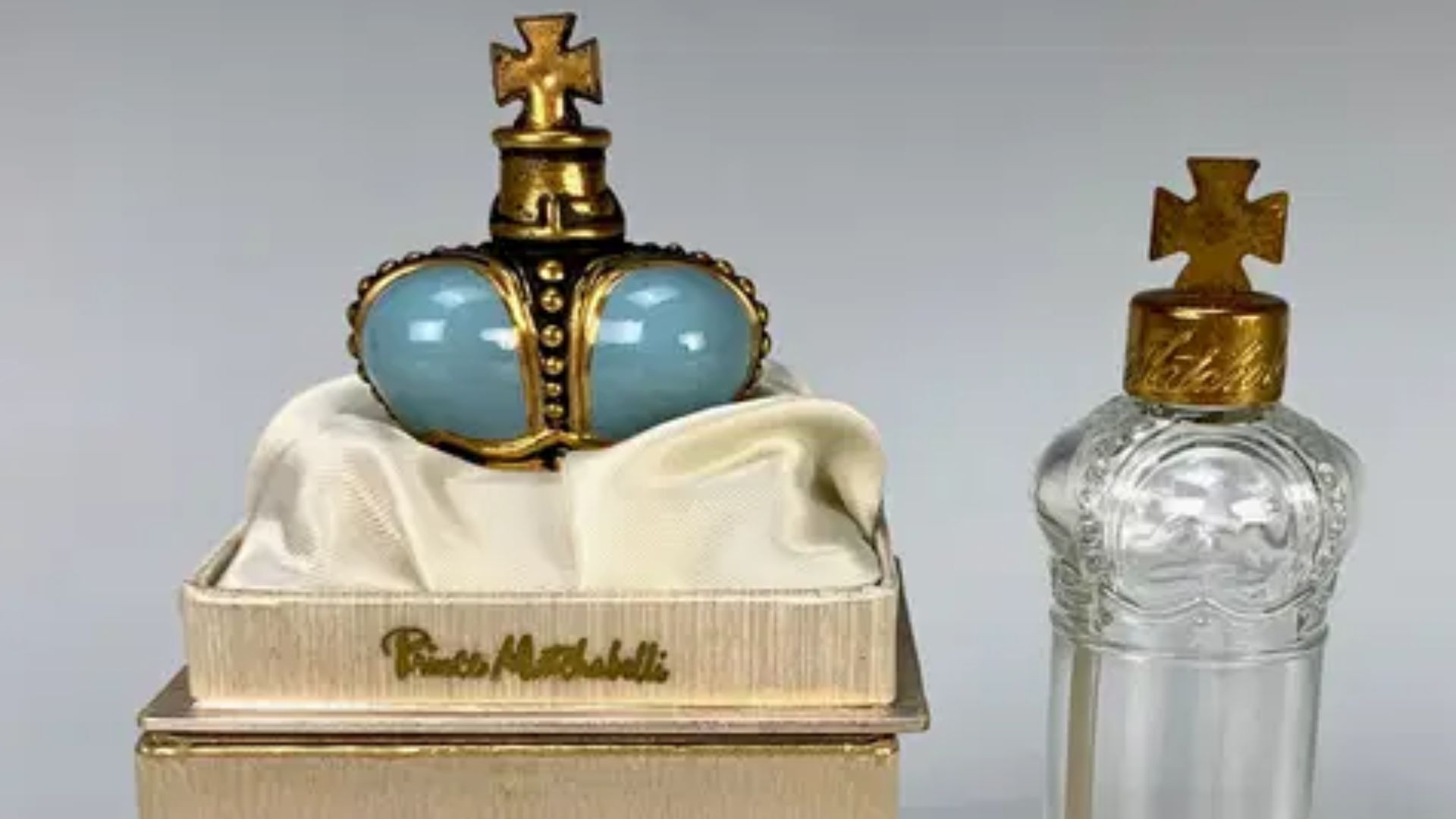 Unknown authorUnknown author, Wikimedia Commons
Penncrest
Penncrest was JCPenney’s house brand for televisions, stereos, refrigerators and other household appliances. Like many department-store labels, the products were generally manufactured by larger companies and sold under the retailer’s name. Penncrest disappeared in the 70s, leaving behind plenty of mysterious-looking vintage electronics.
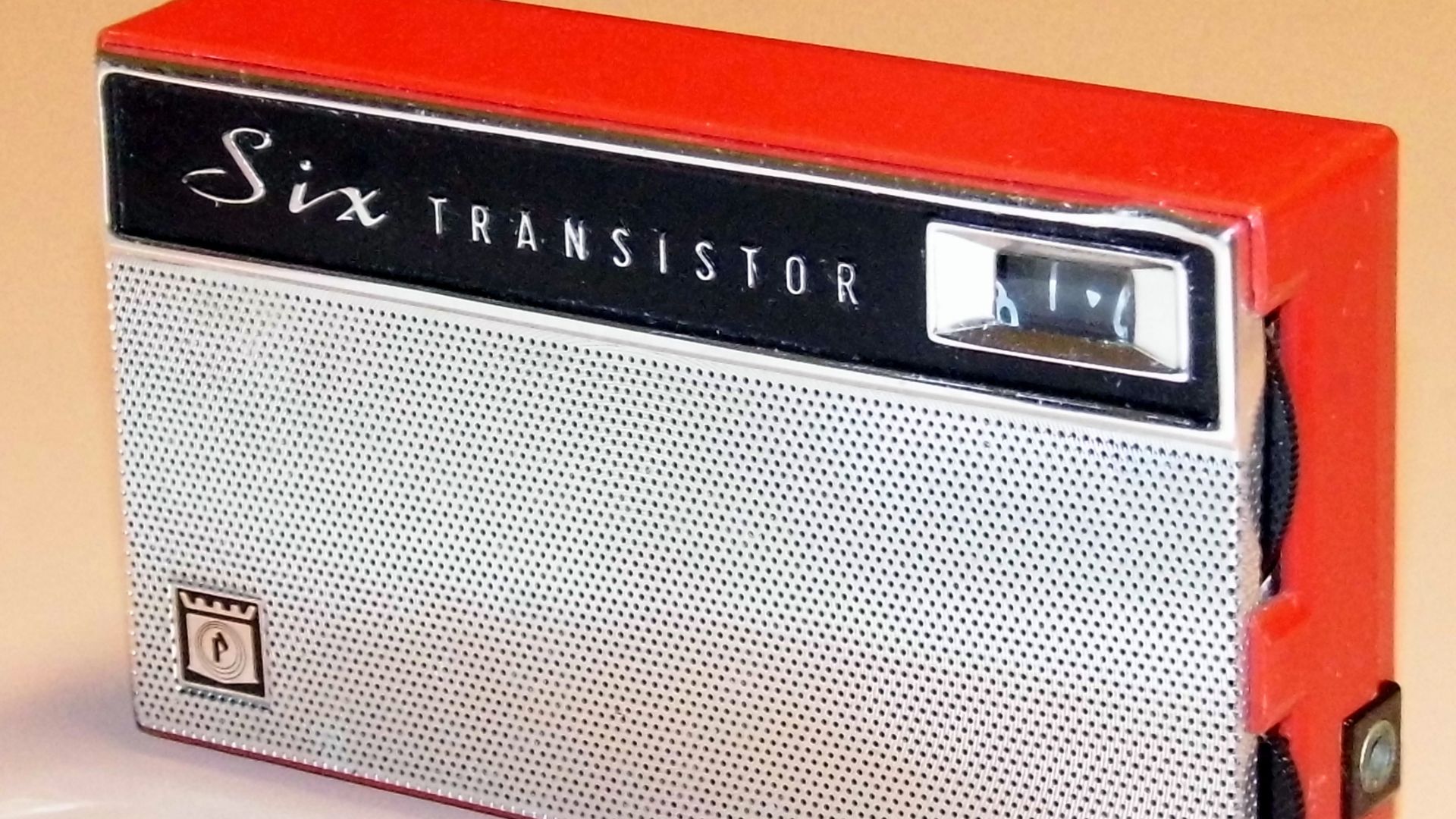 Joe Haupt from USA, Wikimedia Commons
Jean Naté
Jean Naté was especially famous for its After Bath Splash, which promised a light, fresh scent after bathing or showering. The oversized bottles became fixtures in bathrooms across America. Jean Naté remains available, but it is considerably less prominent than it was during the brand’s peak years.
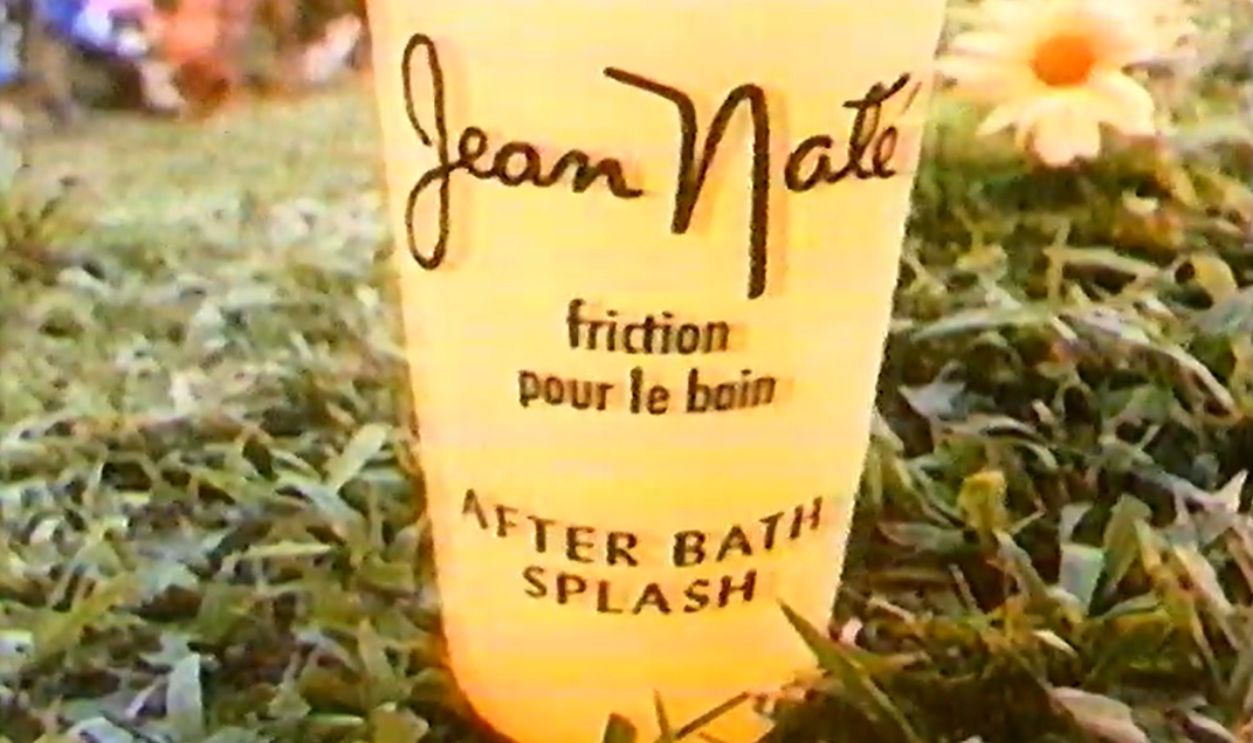
Soundesign
Soundesign sold affordable radios, cassette players, clock radios and all-in-one stereo systems. The company became particularly familiar to shoppers looking for a lot of buttons and features without an enormous price tag. The brand faded as its parent company began marketing electronics under other names, though it was later revived.
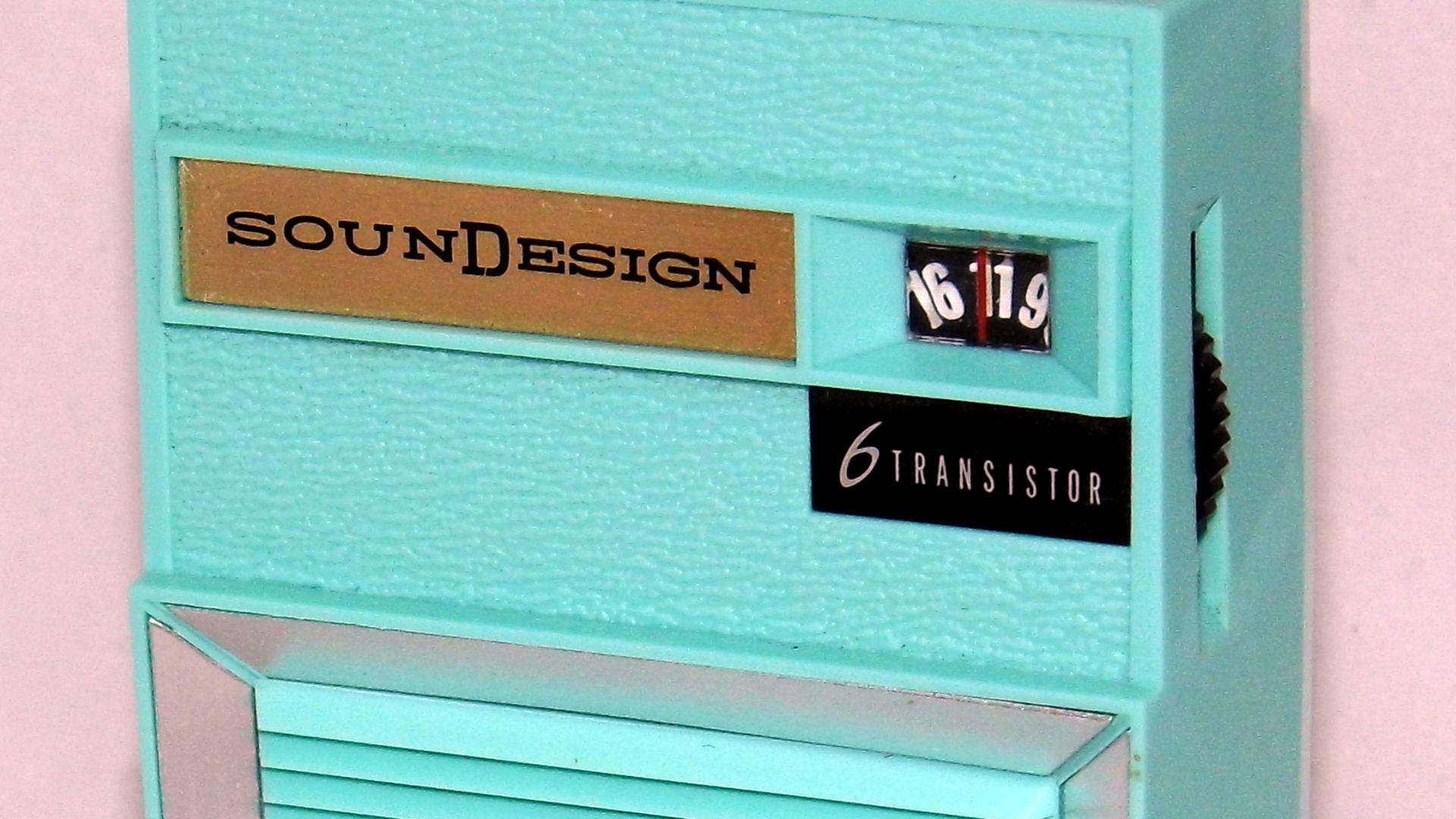 Joe Haupt from USA, Wikimedia Commons
Coldspot
Coldspot was Sears’ longtime brand for refrigerators, freezers and air conditioners. The line introduced several notable features, including a frostless refrigerator in 1960. In 1977, Sears decided that Kenmore had stronger recognition and began replacing the Coldspot name across its cooling-appliance lineup.
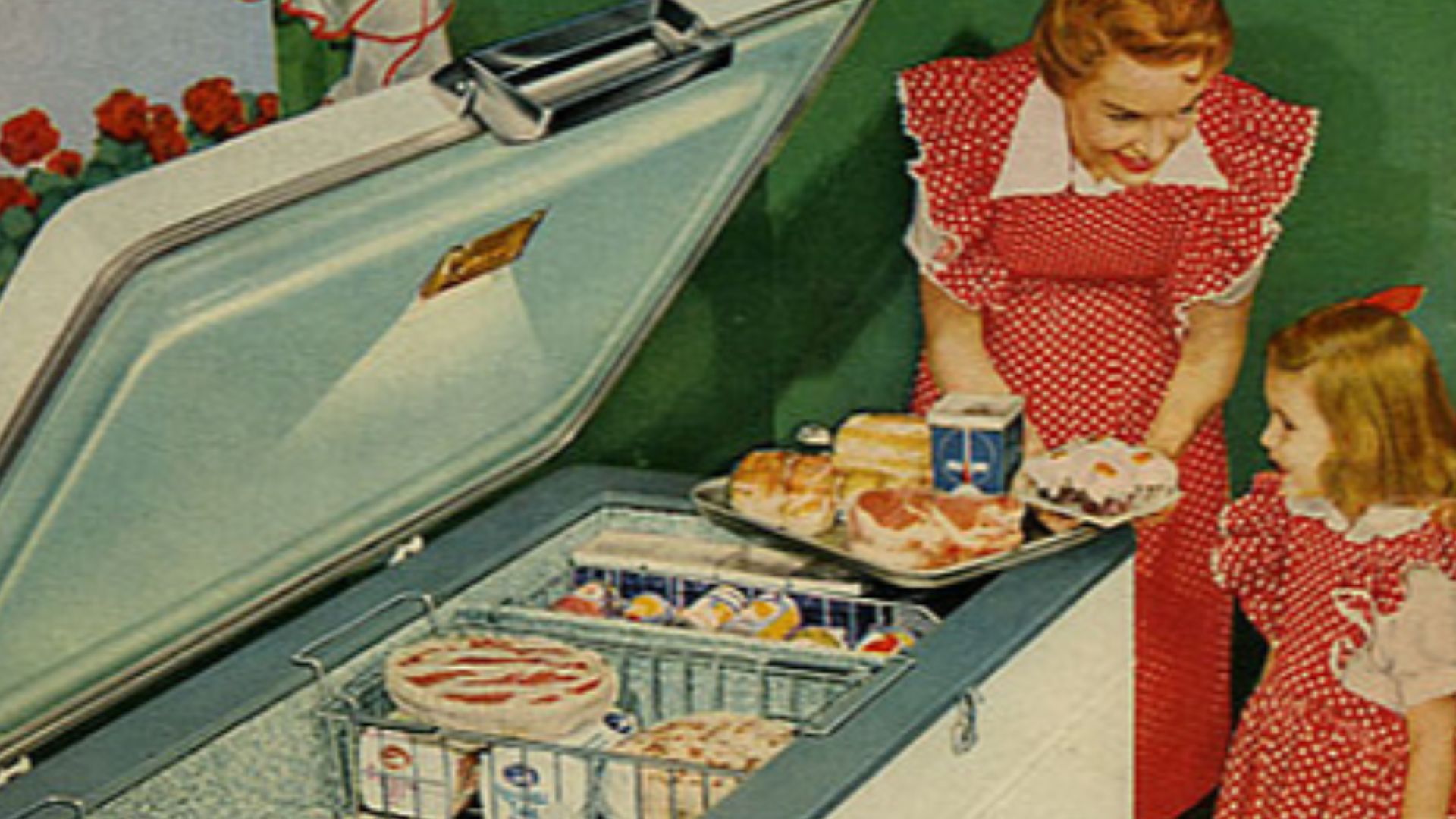 1950sUnlimited, Wikimedia Commons
Earth Born
Earth Born shampoos and conditioners fit perfectly with the 70s enthusiasm for products that appeared simple, fresh and connected to nature. Its earthy packaging stood apart from more clinical-looking competitors. Despite once receiving substantial advertising support, Earth Born eventually disappeared from mainstream haircare aisles.
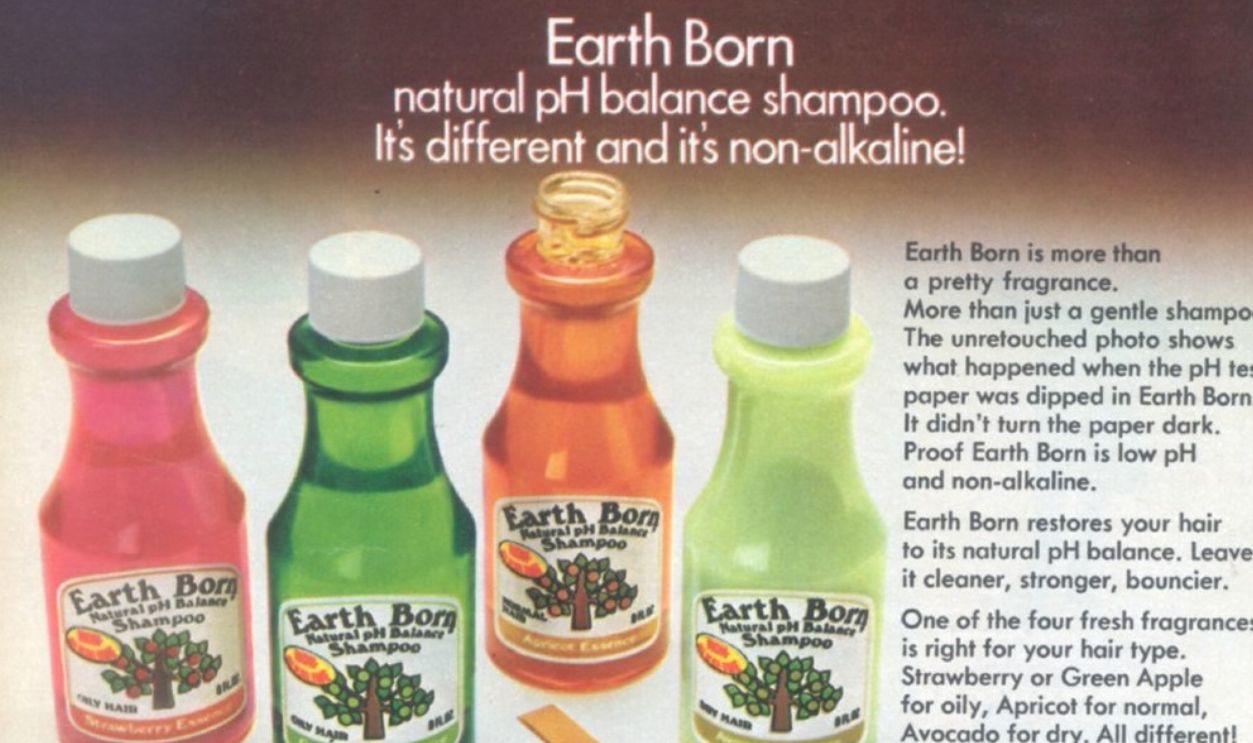
Jovan
Jovan was founded in 1968, but the release of Jovan Musk in 1972 turned it into a fragrance powerhouse. The brand helped make musk scents enormously popular with both men and women. Jovan products are still sold, although the name carries far less cultural weight than it once did.
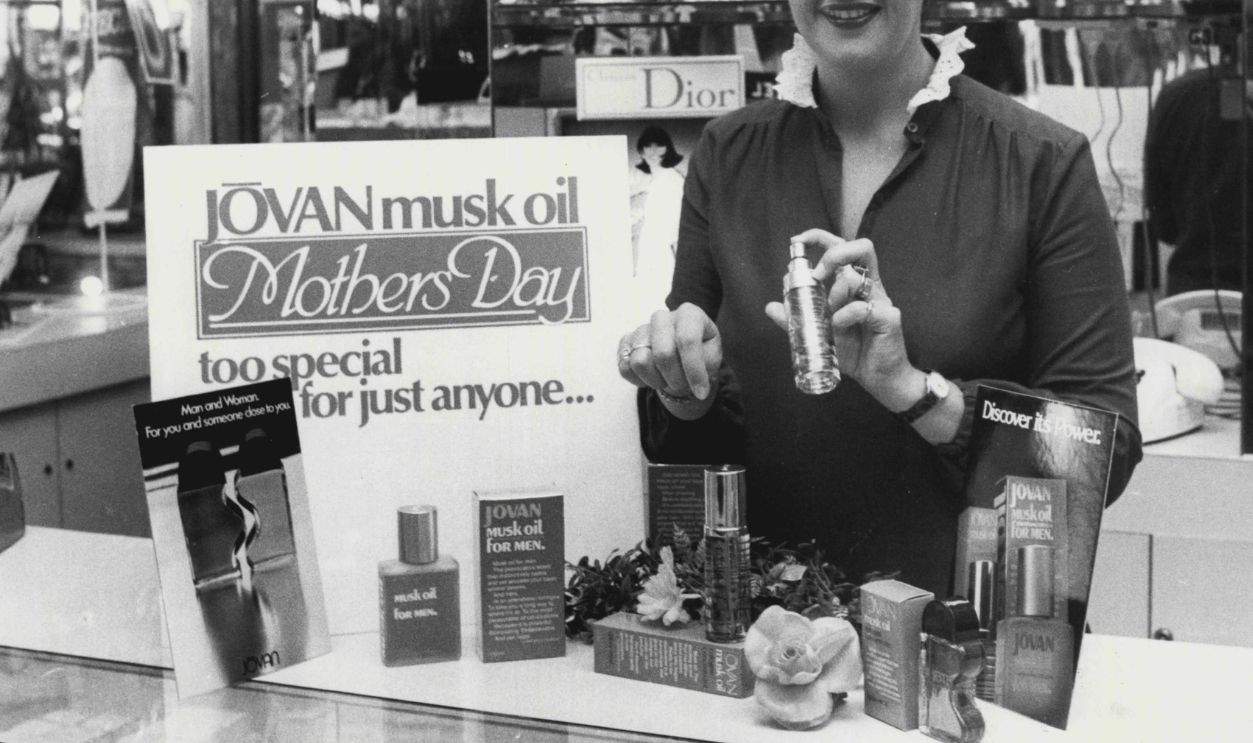 Fairfax Media Archives, Getty Images
Dash
Dash was Procter & Gamble’s low-sudsing detergent for automatic washing machines. Its advertising emphasized modern laundry convenience at a time when more households were embracing automatic washers. Dash eventually disappeared from the American market, but it remains an active detergent brand in parts of Europe.
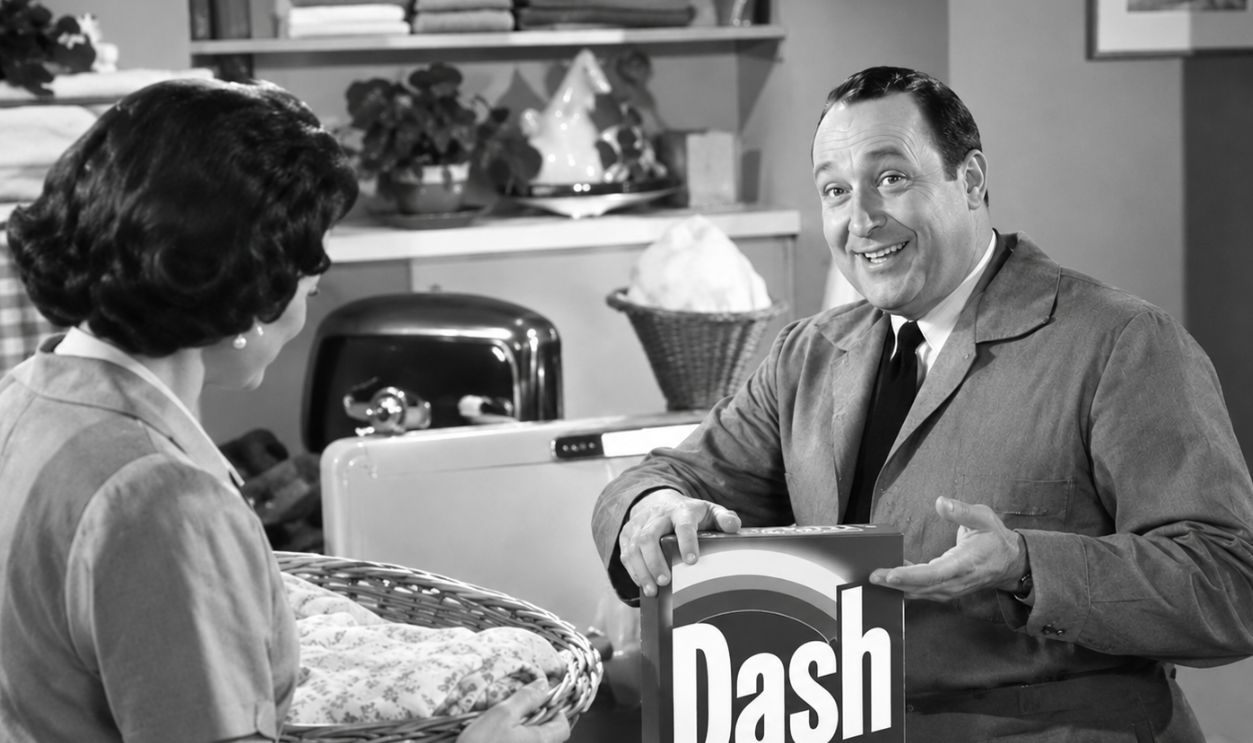 Screenshot from Dash Detergent ad, Enhanced
Was Your Memory Jogged?
During the 60s and 70s, these names were nearly impossible to avoid. So, how many did you recognize—and which forgotten brand did we forget to mention?
You Might Also Like:
Companies That Dominated American Living Rooms Before New Technology Made Them Obsolete