Hold On…What Am I Even Paying Insurance For Then?
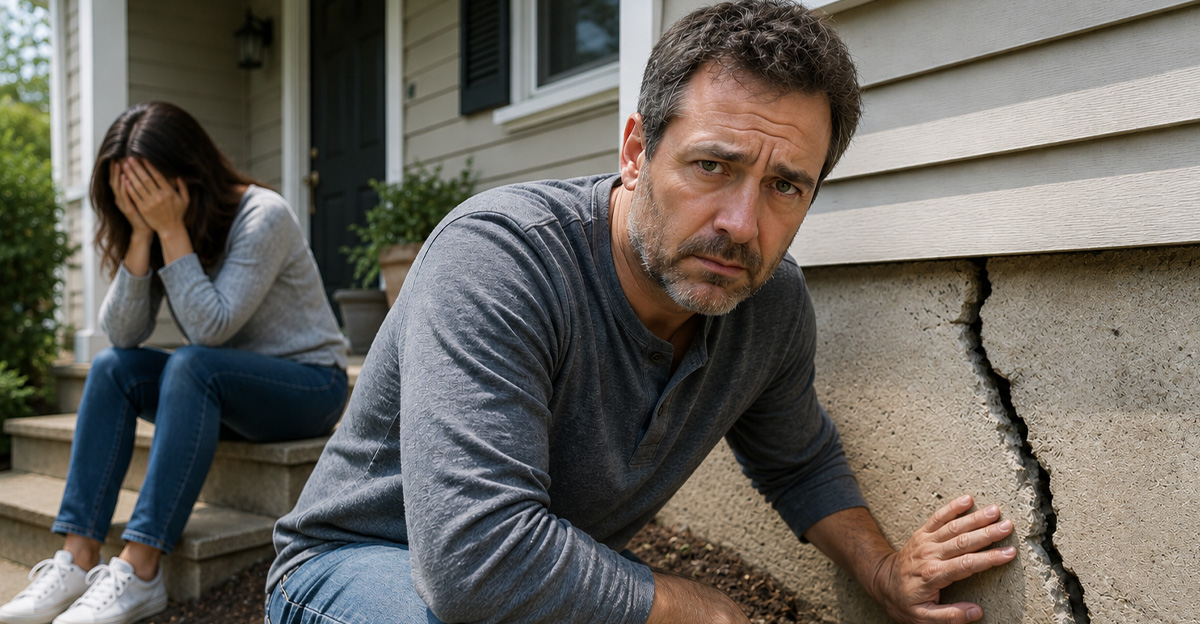
Most homeowners assume insurance exists for exactly this kind of disaster. So when you discover serious cracks in your foundation and then get hit with a denied claim, the panic can feel immediate and overwhelming. Suddenly you’re staring at repair estimates you can’t realistically afford while wondering how the insurance company can simply walk away from a problem this severe. Unfortunately, foundation damage is one of the most heavily disputed areas in homeowners insurance, but a denial doesn’t mean the situation is hopeless.
Foundation Problems Are Extremely Expensive To Repair
This is one reason denied claims feel so overwhelming emotionally. Major foundation repairs can easily cost thousands (or even tens of thousands) of dollars depending on the severity of the damage. In serious cases, homeowners may face structural stabilization, excavation, drainage work, or even partial rebuilding costs.
Insurance Coverage Usually Depends On The Cause Of The Damage
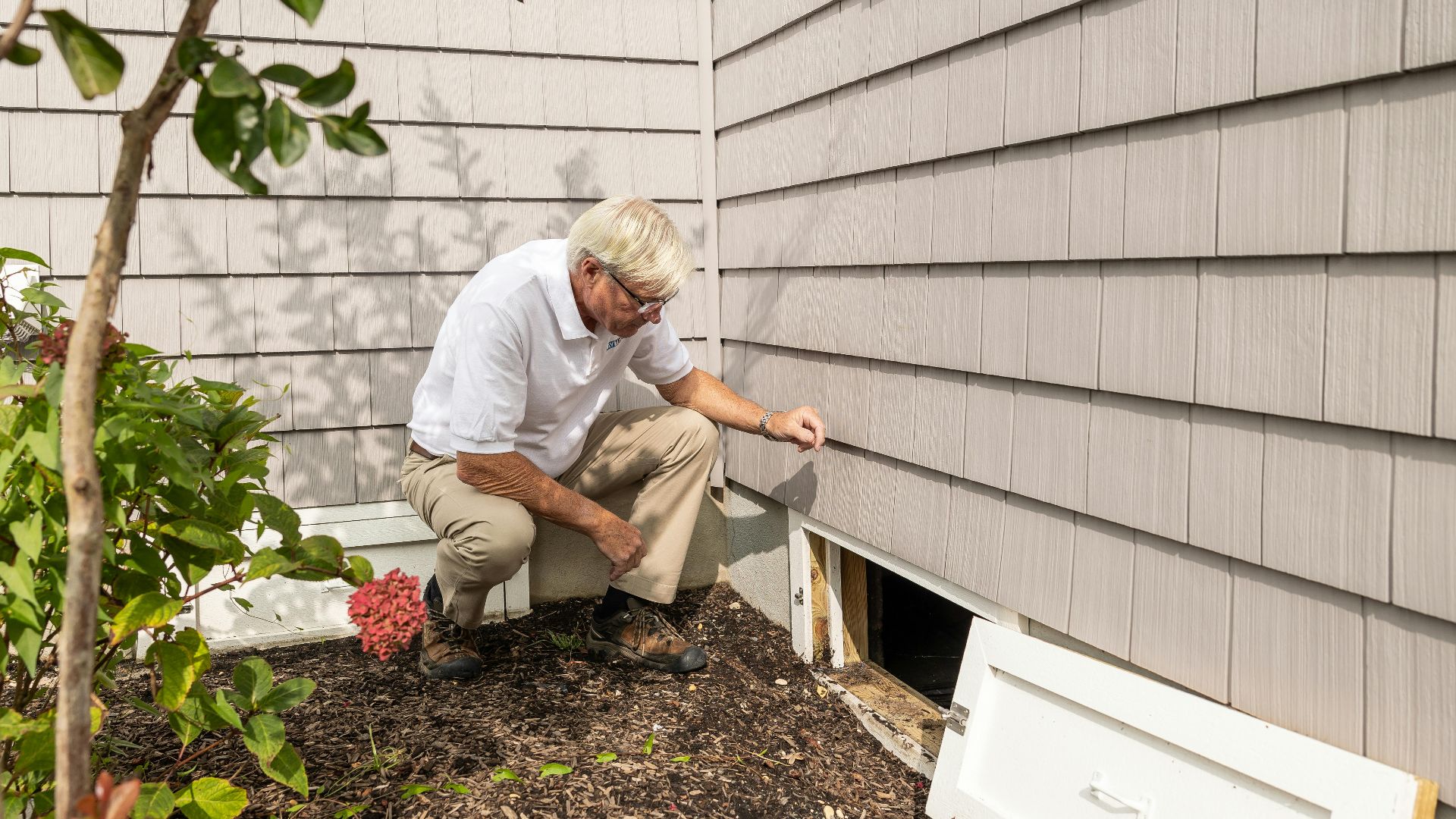
A lot of homeowners assume “foundation damage” is either covered or not covered across the board. In reality, insurance policies usually focus much more heavily on why the foundation failed. Certain sudden events may qualify for coverage, while gradual wear, settling, or maintenance-related issues often do not.

Gradual Settling Is Frequently Excluded
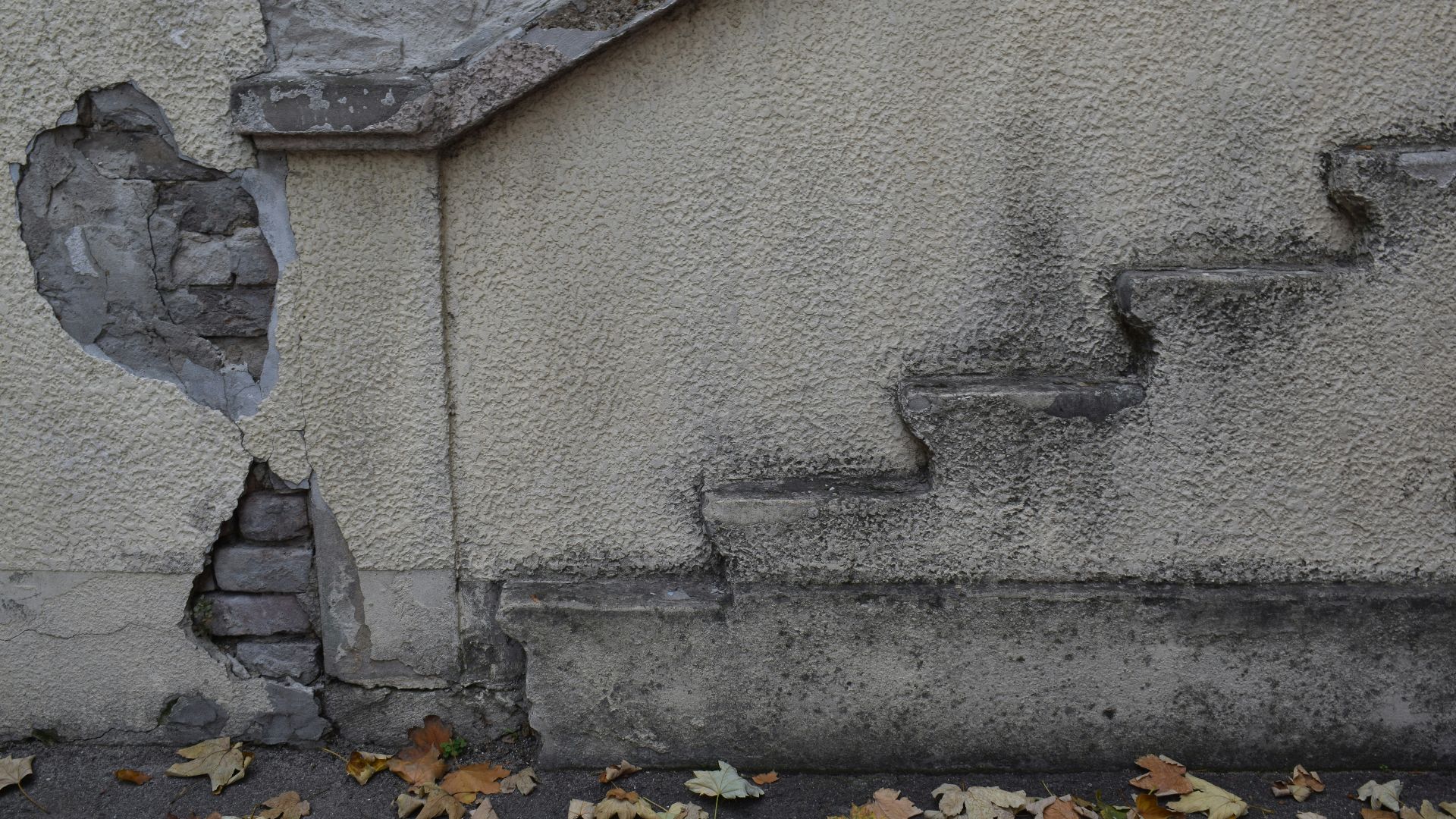
Unfortunately, normal settling and long-term structural movement are commonly excluded under standard homeowners insurance policies. Insurance companies often argue that gradual shifting happens naturally over time and therefore falls under homeowner maintenance responsibilities rather than sudden accidental damage.
Water Damage Creates Constant Coverage Disputes
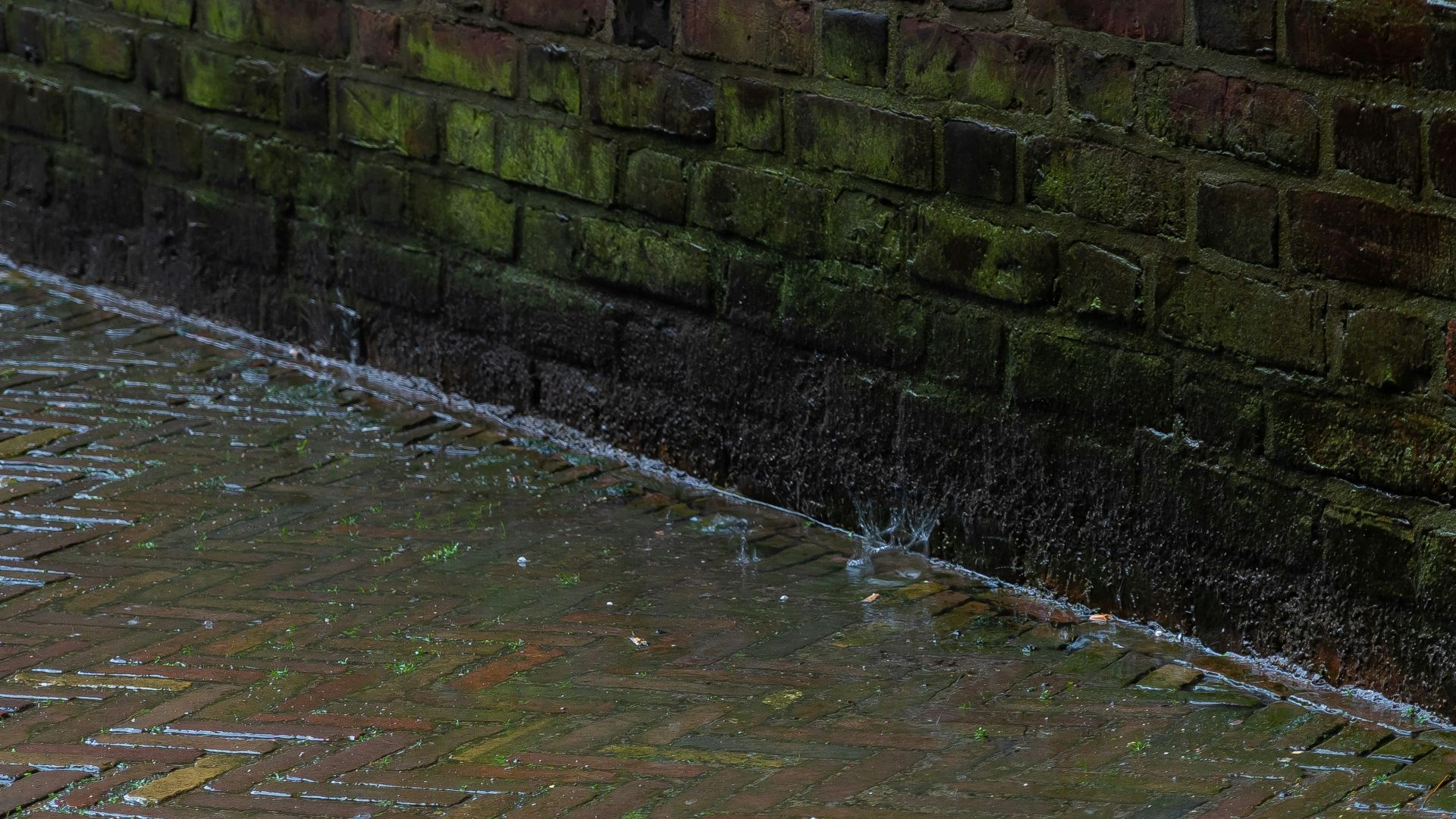
Foundation issues caused by water are especially complicated. Heavy rain, drainage problems, plumbing leaks, flooding, or poor grading around the home can all contribute to cracking and shifting. Whether insurance covers the damage often depends on the specific water source involved and the exact wording of the policy.
Sudden Events Are More Likely To Be Covered
Some policies may provide coverage if the damage resulted from a clearly defined sudden event like a burst pipe, accidental plumbing leak, explosion, or other abrupt occurrence. Insurance companies generally respond differently to sudden accidents than to damage they view as gradual deterioration.

Insurance Companies Often Send Their Own Engineers
After large foundation claims, insurers frequently hire engineers or structural experts to inspect the property. Those reports can heavily influence whether the claim gets approved or denied. Unfortunately, homeowners sometimes feel the inspections are designed primarily to support denial decisions.

Homeowners Often Feel Blindsided By Exclusions
Many people never realize how limited foundation coverage can be until disaster strikes. Policy exclusions involving settling, earth movement, groundwater pressure, poor drainage, or long-term wear often remain buried deep inside complicated policy language most homeowners never fully read.

Denials Don’t Always Mean The Insurance Company Is Automatically Right
This is important because many homeowners immediately give up after receiving a denial letter. Insurance companies can make mistakes, rely on incomplete inspections, or interpret policy language aggressively in ways that favor limiting payouts. Some denied claims are later partially or fully reversed after further review.

Documentation Becomes Extremely Important
Photos, videos, inspection reports, contractor opinions, repair estimates, maintenance records, and timelines may all become incredibly valuable if you decide to challenge the denial. The more evidence you have showing when the damage appeared and what may have caused it, the stronger your position may become.

Independent Structural Engineers Can Change The Conversation
Some homeowners hire independent engineers after feeling the insurer’s inspection was incomplete or biased. A second professional opinion may potentially identify causes or contributing factors the original insurance inspection overlooked or minimized.

Policy Language Matters More Than Most People Realize
Foundation disputes often come down to very technical policy wording. Small differences involving phrases like “sudden and accidental,” “earth movement,” or “water intrusion” can dramatically affect whether coverage applies. That’s one reason these disputes sometimes become legally complicated very quickly.

Maintenance Problems Can Hurt Claims
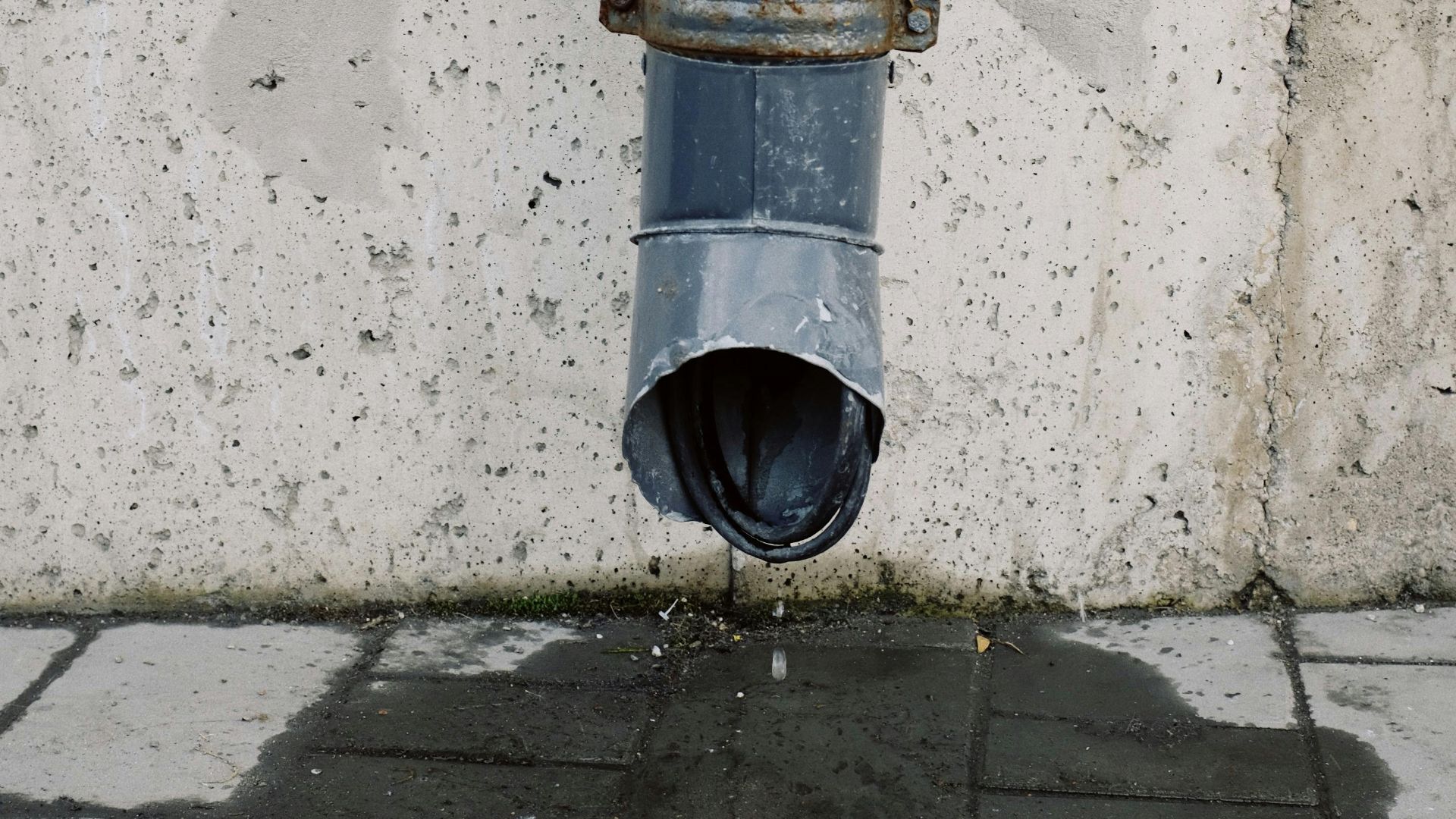
Insurance companies frequently deny claims if they believe poor maintenance contributed to the damage. Drainage problems, ignored leaks, clogged gutters, or long-term moisture issues may all become factors insurers point to when refusing coverage.
Some States Have Different Consumer Protections
Insurance rules vary heavily depending on location. Certain states provide stronger consumer protections, deadlines, appeals processes, or bad-faith insurance laws that may help homeowners challenge questionable denials more effectively.

Contractors Sometimes Make The Situation More Confusing
After foundation damage appears, homeowners are often flooded with conflicting opinions from contractors, inspectors, engineers, and insurance adjusters. One company may claim the problem is catastrophic while another says it’s mostly cosmetic. Sorting through those opinions can become incredibly stressful.

Financing Repairs Becomes A Major Concern
This is the part that keeps many homeowners awake at night. Foundation repairs are often urgent because delays can allow structural damage to worsen significantly over time. But when insurance denies the claim, many families suddenly face huge repair bills they simply cannot afford out of pocket.

Waiting Too Long Can Make Damage Worse
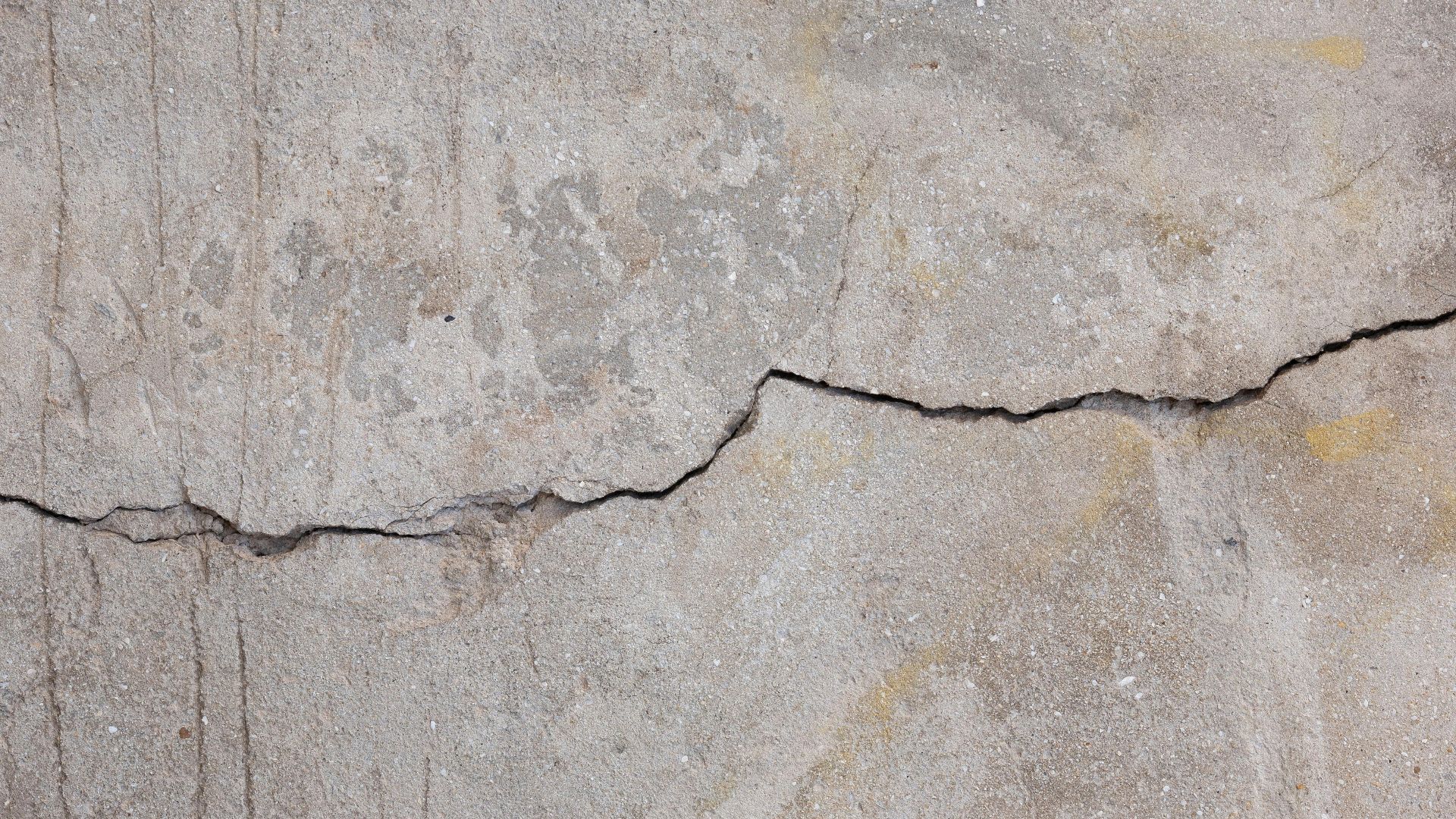
Even though the denial process feels frustrating and exhausting, delaying action indefinitely can sometimes allow structural problems to worsen dramatically. Cracks may spread, floors may shift further, moisture problems can grow, and repair costs may increase substantially over time.
Appeals Are Sometimes Successful
A denied claim is not always the final answer. Many insurers have formal internal appeals processes where homeowners can submit additional documentation, engineering opinions, or evidence supporting reconsideration. Some claims that are initially denied later receive partial settlements or negotiated resolutions.

Legal Action Sometimes Becomes Part Of The Discussion
If significant money is involved and the homeowner believes the denial was unreasonable, consulting an attorney experienced in insurance disputes may help clarify whether legal options exist. That does not guarantee success, but it may help homeowners understand whether the insurer handled the claim fairly.

Government Or Consumer Regulators May Also Help
State insurance departments sometimes investigate complaints involving disputed claims or potential bad-faith handling practices. Filing a complaint does not guarantee reversal, but it can occasionally pressure insurers to review claims more carefully.

Repair Costs Sometimes Become Negotiable
Even when insurance ultimately refuses coverage, homeowners may still have options to reduce the financial burden through financing programs, phased repairs, contractor negotiations, or alternative repair approaches. Not every situation requires the absolute most expensive solution immediately.

So What Should You Do Right Now?
Start by carefully reviewing the exact reason the claim was denied and gathering all inspection reports, photos, contractor estimates, and policy documents related to the damage. If the denial feels questionable, consider obtaining an independent engineering opinion and reviewing whether your insurer offers a formal appeals process. The earlier you fully understand the cause of the damage and your policy language, the better positioned you’ll usually be moving forward.

Final Thoughts
Discovering serious foundation damage only to have your insurance claim denied can feel financially devastating and deeply unfair. Unfortunately, foundation claims are among the most heavily disputed issues in homeowners insurance because coverage often depends entirely on what caused the damage. Still, a denial does not automatically mean the situation is hopeless. Between appeals, independent inspections, legal consultations, financing options, and policy reviews, there may still be ways to challenge the decision or reduce the long-term financial damage before the problem grows even worse.

You May Also Like: