When A Tree Next Door Starts Cracking Your Concrete
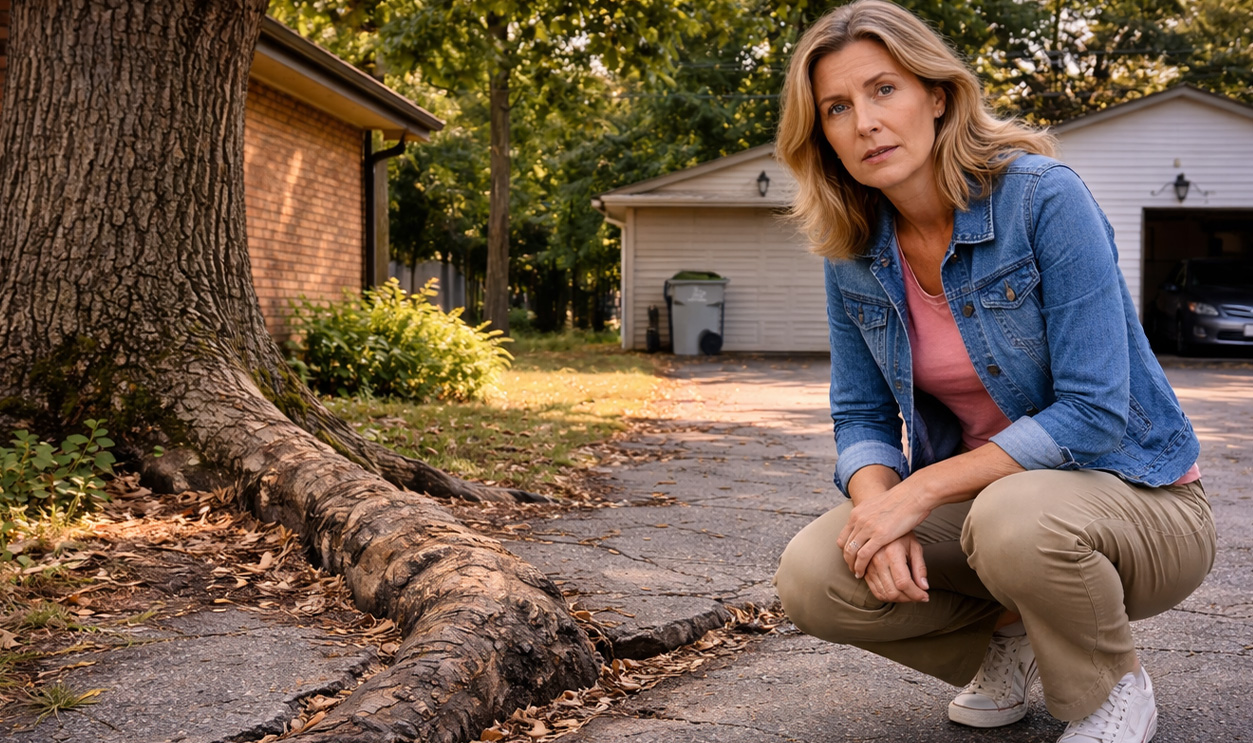
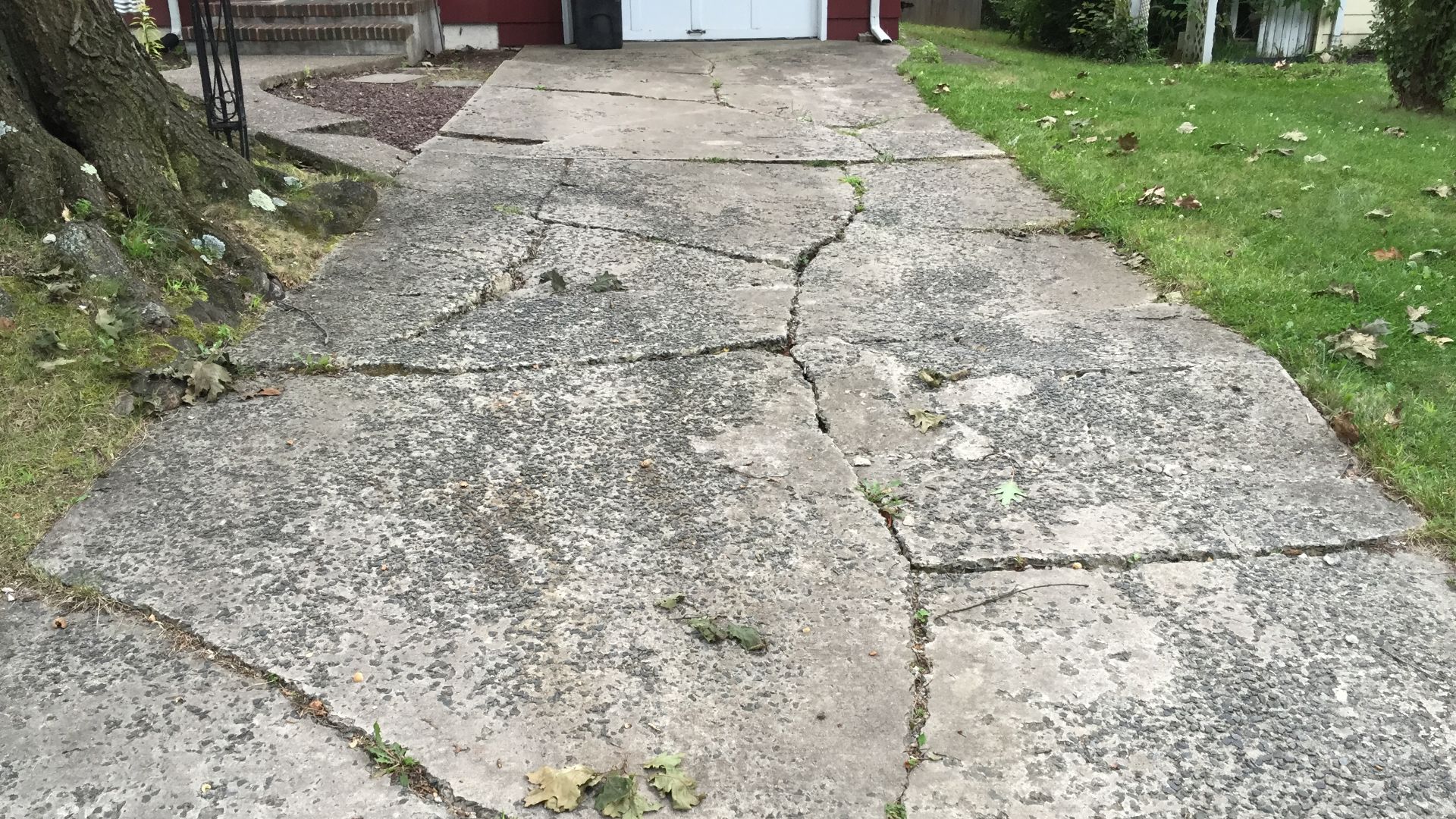
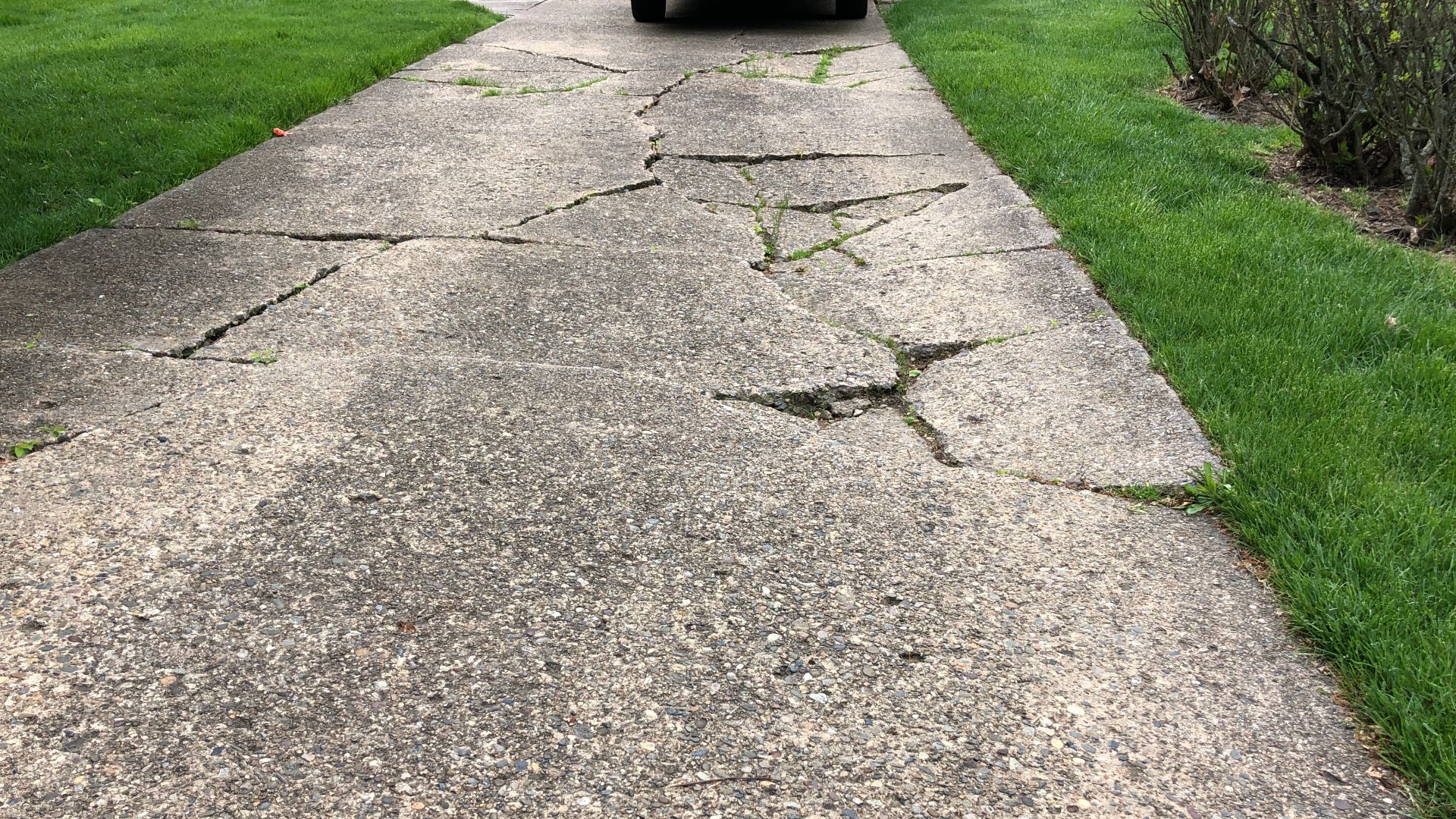
At first, it’s just a small crack in your driveway. Nothing major...until it spreads. The concrete starts lifting and breaking apart, and eventually you figure out what’s going on: your neighbor’s tree roots are growing underneath and pushing everything up. You bring it up, expecting them to take some responsibility, but they brush it off and say it’s not their problem. So what can you do now? In a lot of cases, your neighbor might not be fully responsible, but that doesn’t mean you’re stuck with no solutions.
Tree Root Disputes Are Pretty Common
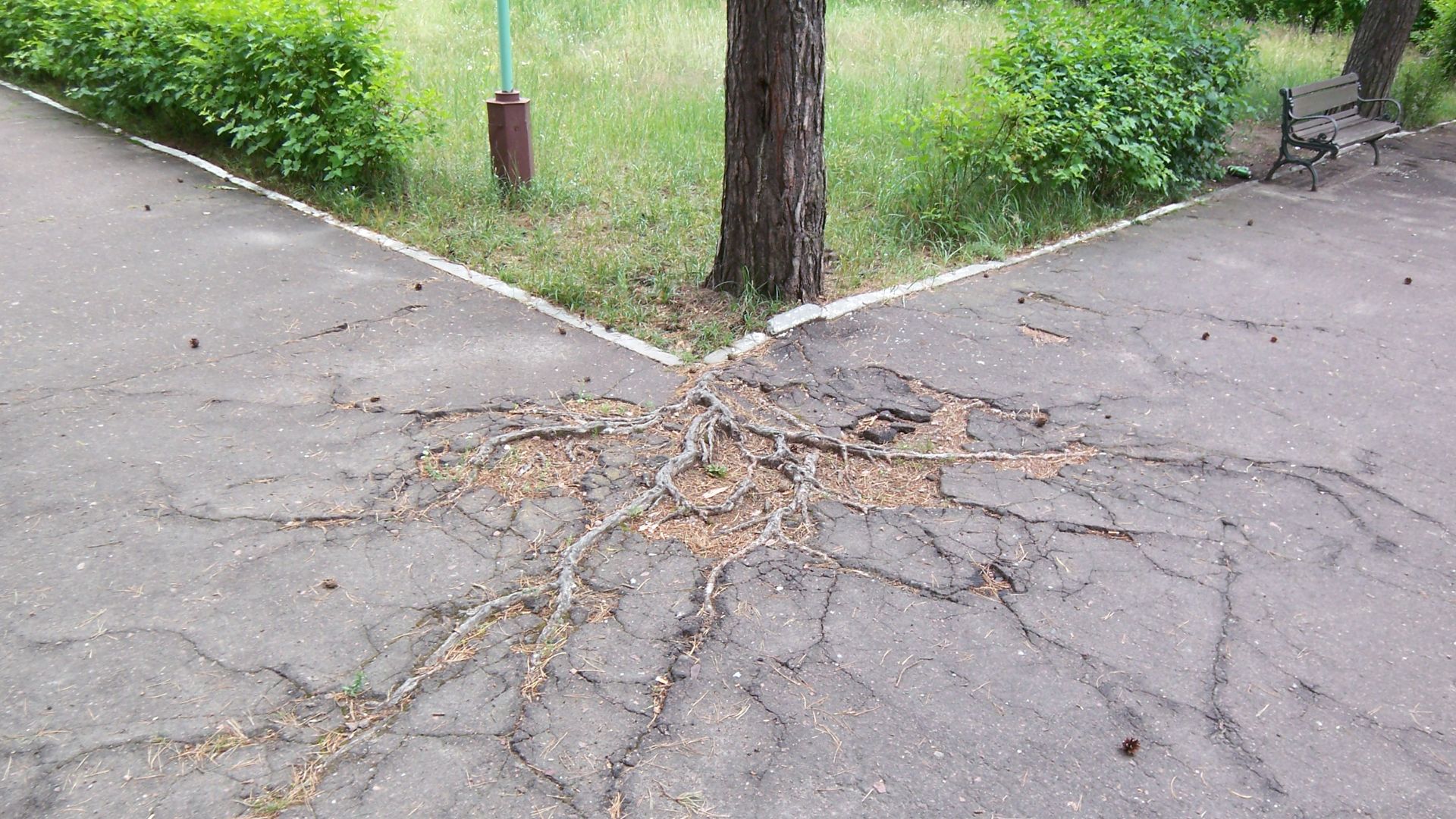
This kind of issue comes up more often than people expect. Trees grow slowly, and roots can spread far beyond property lines over time. By the time damage shows up, it’s usually been building for years. One of the tricky parts is that trees don’t respect property boundaries. Even if the tree is clearly on your neighbor’s land, the roots can legally grow into yours. That’s where the gray area starts.
 Arseny Khakhalin, Wikimedia Commons
In Many Cases, You’re Responsible For Your Side
Here’s the frustrating reality: In many places, you’re responsible for maintaining your own property, even if the issue started next door. That means fixing your driveway is often considered your responsibility by default—but that doesn’t mean your neighbor is always off the hook. If their tree is causing actual damage and they knew about the issue but did nothing, that can change things. This is where negligence comes into play.
You Can Usually Cut Roots On Your Property
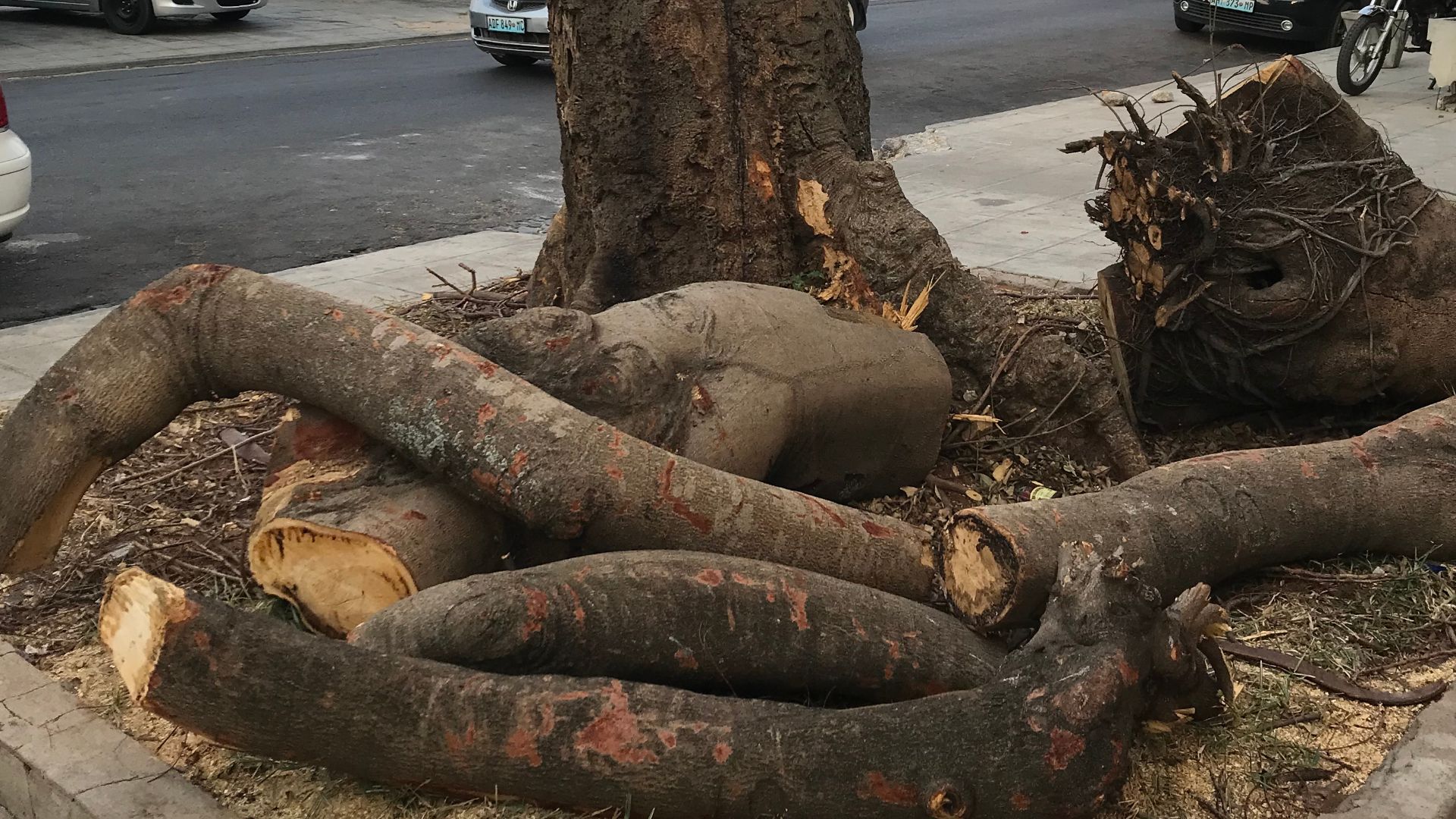
In most areas, you’re allowed to trim or remove roots that cross onto your property. This is often the fastest way to stop further damage from happening. However, cutting roots isn’t always simple. If you remove too much or cut major structural roots, you could damage or kill the tree. If that happens, your neighbor could turn around and claim you caused harm to their property.
Getting An Arborist’s Opinion Is A Smart Move
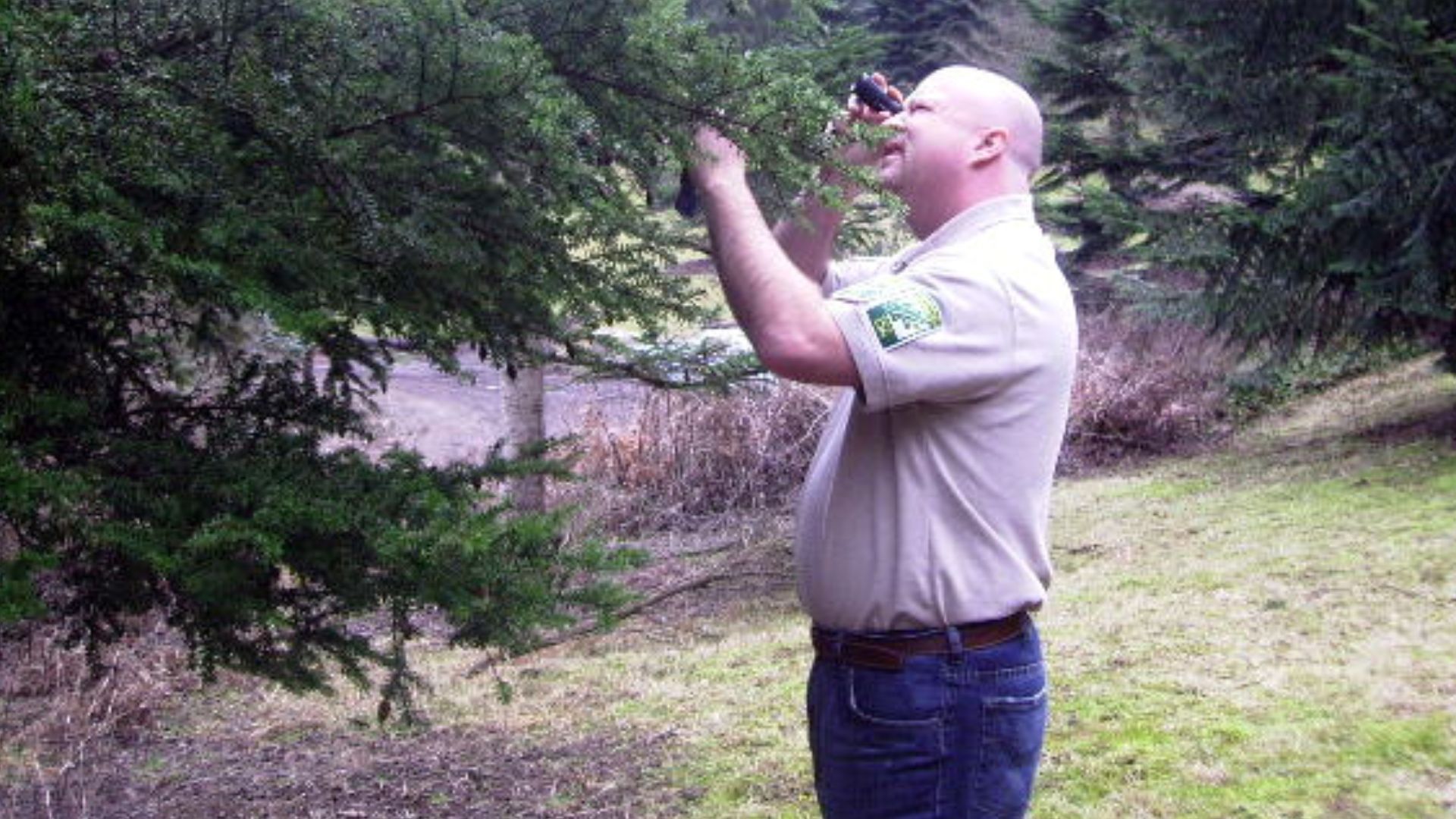
Before cutting anything, it’s a good idea to talk to an arborist. They can tell you which roots can be safely removed and which ones are critical to the tree’s health.
 Tnj1989 at English Wikipedia, Wikimedia Commons
A Contractor Can Confirm The Cause Of Damage
It’s also worth having a contractor or structural expert look at your driveway. They can confirm that the damage is actually being caused by tree roots and not something else like soil shifting or poor drainage.
Documentation Can Make A Huge Difference
Take photos of the cracks, lifted sections, and any visible roots. If possible, document how the damage gets worse over time. This kind of evidence is important if you need to prove your case later.

Try Talking To Your Neighbor Again
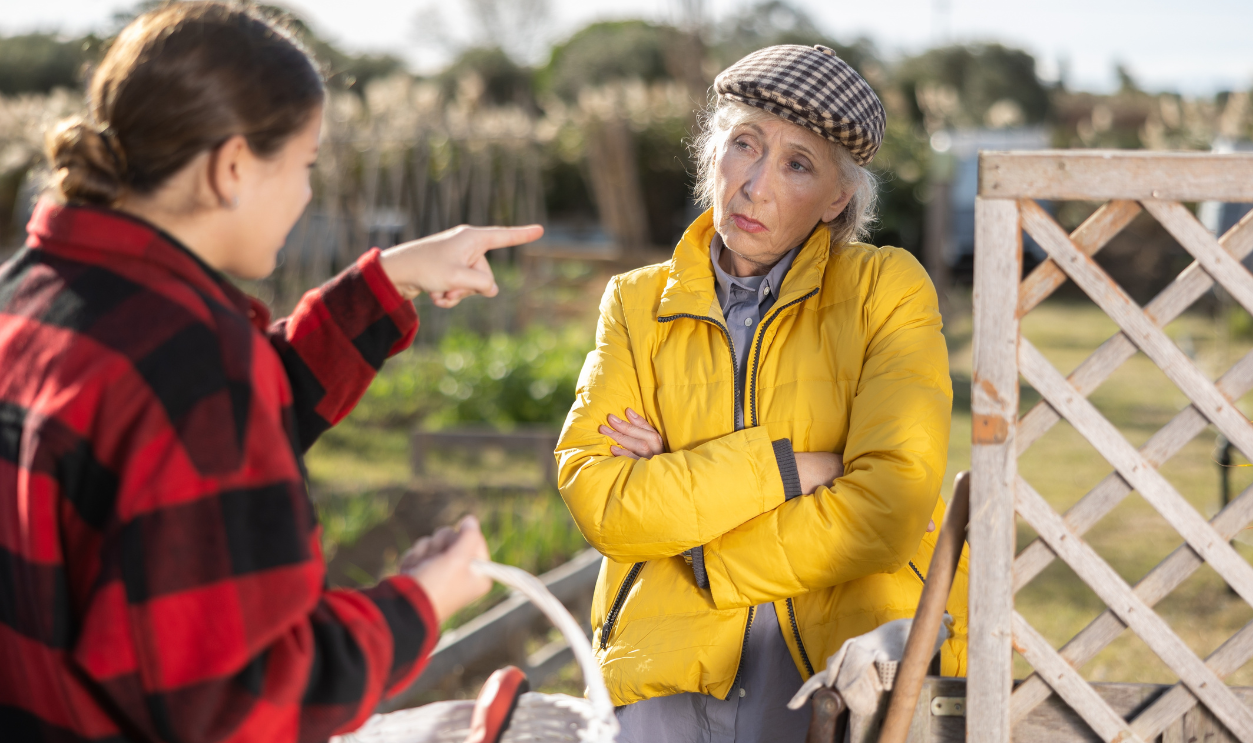
Even if they initially dismissed the issue, it’s worth having another conversation. This time, come prepared with photos or a professional opinion. Sometimes people take things more seriously when they see actual evidence.
Keep It Calm And Practical
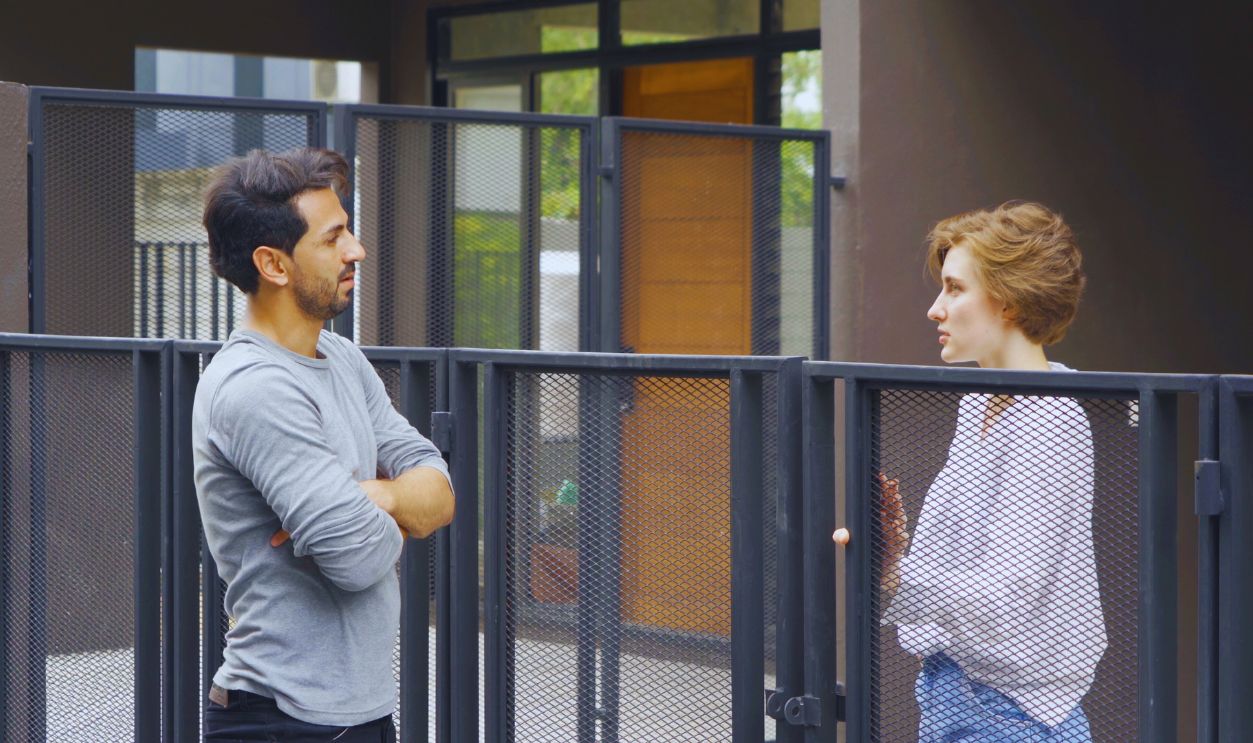
It’s easy for neighbor disputes to get heated, but staying calm helps. Focus on the damage and the need to fix it, not on blaming them personally.

Put Your Concerns In Writing
If talking doesn’t work, send a written message explaining the issue and asking them to help address it. This creates a record that you tried to resolve things reasonably before escalating.

Negligence Is The Key Factor In Liability
If your neighbor knew their tree was causing damage and refused to act, that’s where you may have a stronger case. Courts often look at whether the property owner ignored a known problem.
You Might Be Able To Recover Repair Costs
If you can show negligence, you may be able to recover some or all of the cost of repairing your driveway. This usually requires solid evidence and sometimes legal action.

Small Claims Court Is A Practical Option
If the damage isn’t extremely expensive, small claims court can be a relatively simple way to pursue compensation. You don’t usually need a lawyer, and it’s designed for disputes like this.
You’ll Need Proof To Win
To succeed, you’ll need to show that the tree roots caused the damage and that your neighbor had some level of responsibility. That’s where your photos, reports, and documentation come in.

Check Local Laws And Bylaws
Some cities have specific rules about trees and property damage. In certain cases, tree owners can be required to address issues caused by their trees, especially if they pose a hazard.
The City Might Step In For Dangerous Trees
If the tree is unstable, diseased, or causing significant structural issues, local authorities may get involved. This is more likely if there’s a safety risk beyond just your driveway.
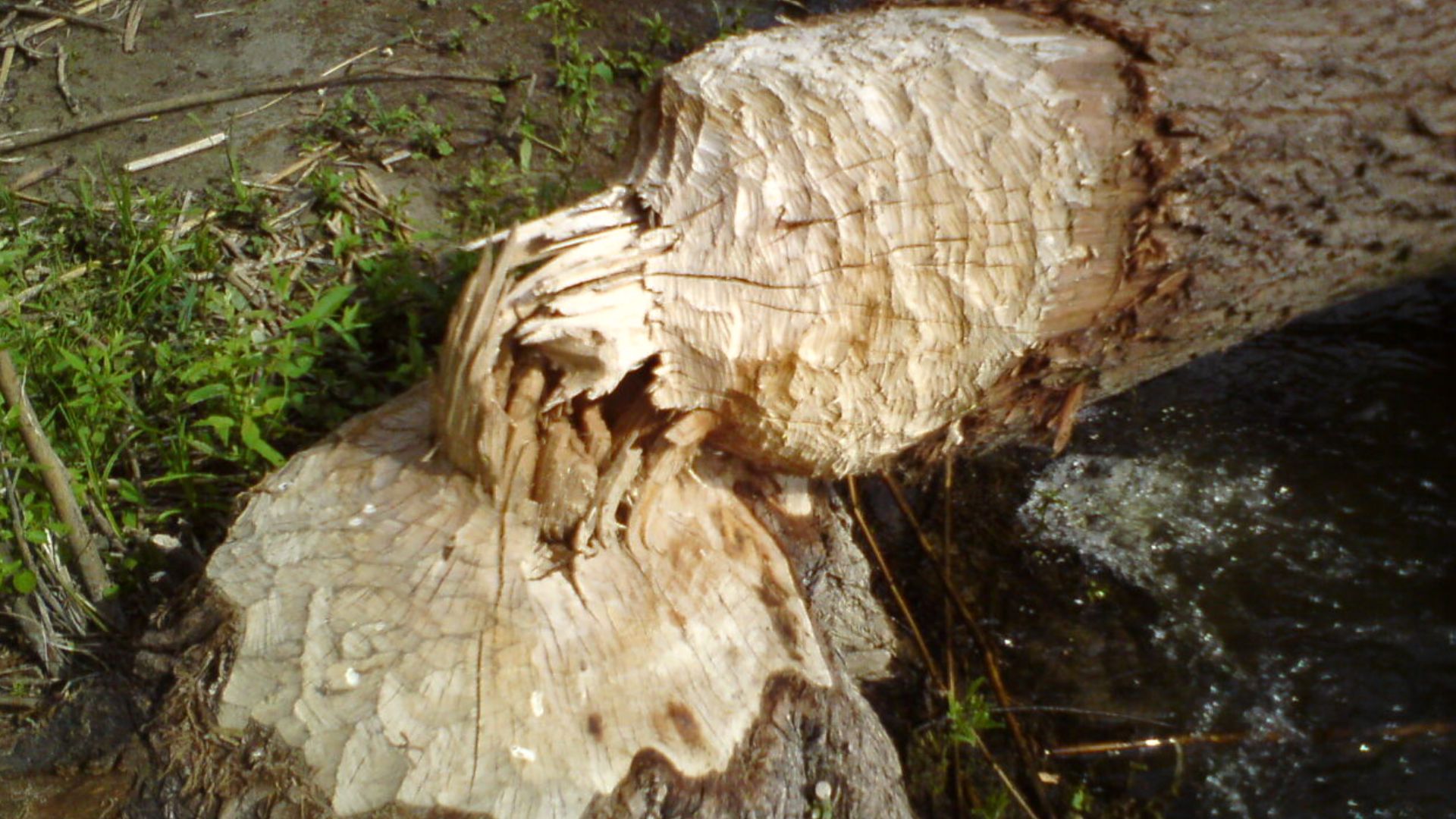 Kawon Kez Sel, Wikimedia Commons
Root Barriers Can Help Prevent Future Damage
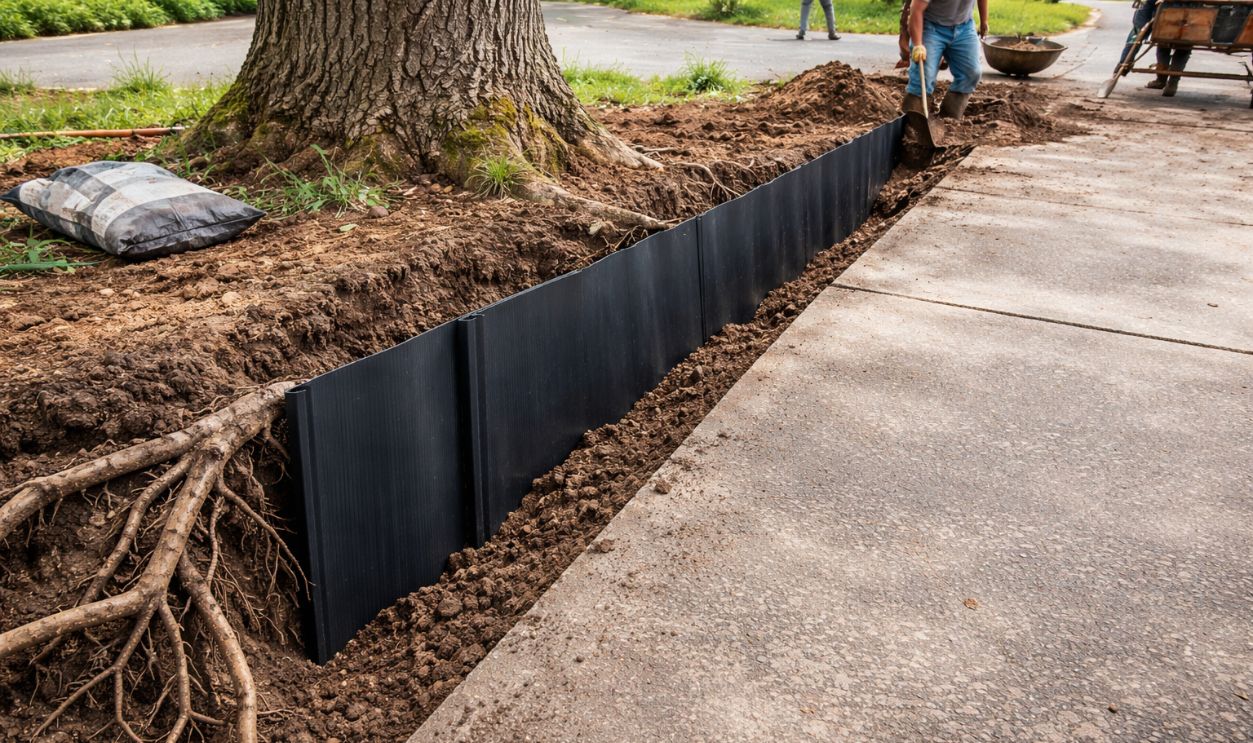
If you’re fixing your driveway anyway, it may be worth installing a root barrier. This can help stop roots from growing back into the same area. Reinforcing your driveway, improving drainage, or adjusting landscaping can all help reduce the risk of future damage. These steps aren’t always cheap, but they can save you bigger headaches down the line.
You May Still Need To Fix It Yourself First
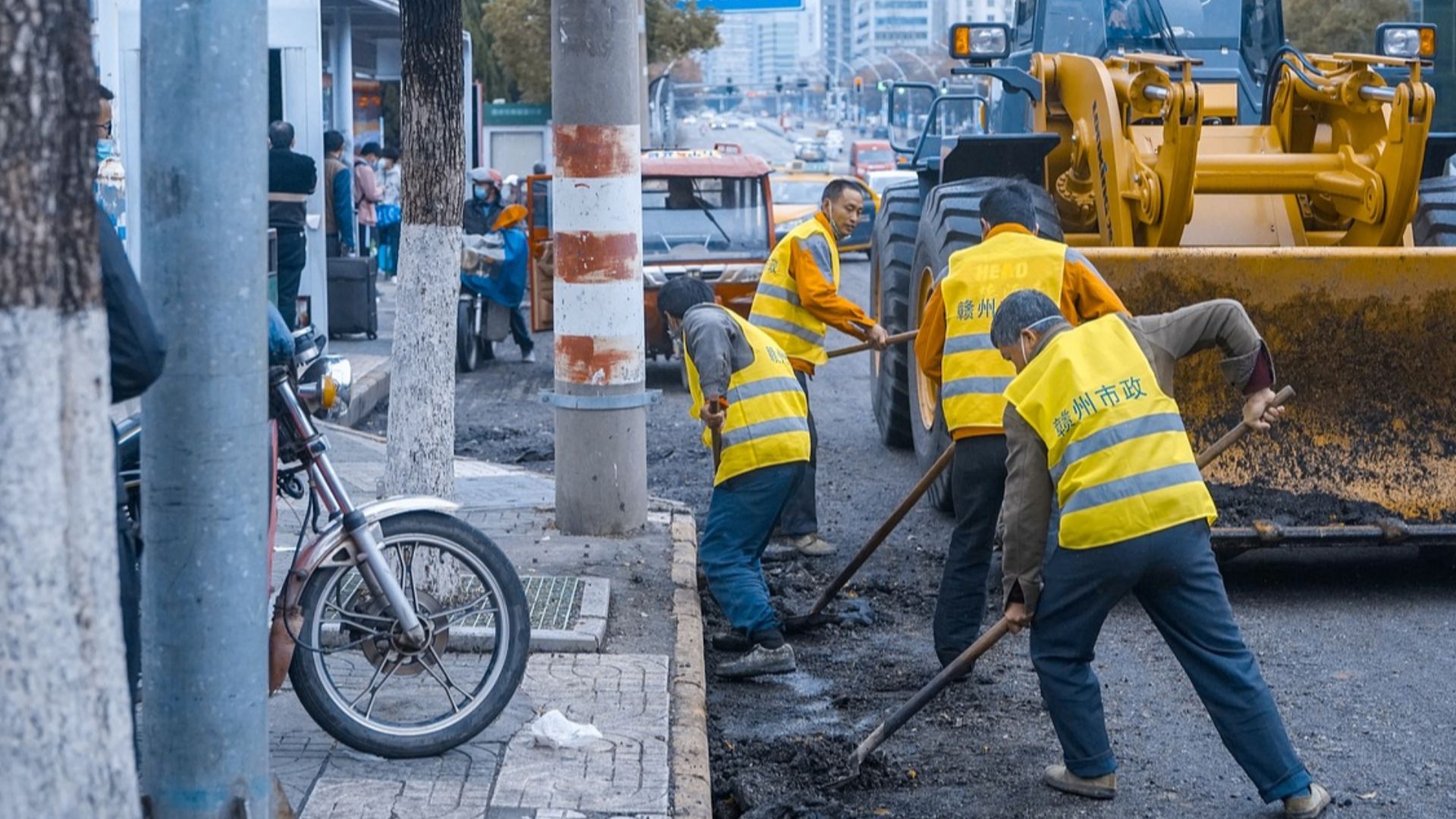
Even if you plan to pursue compensation, you’ll likely need to handle the repairs to prevent further damage. Waiting too long can make the problem worse and more expensive.
Final Thoughts: It’s Complicated, But You Do Have Options
Your neighbor isn’t always automatically responsible for tree root damage, which is why they might say it’s not their problem. But that’s not the whole picture. You can usually cut roots on your side, take steps to protect your property, and in some cases pursue compensation if negligence is involved. It may take a mix of fixes and persistence, but you’re not stuck just living with the damage.

You May Also Like: