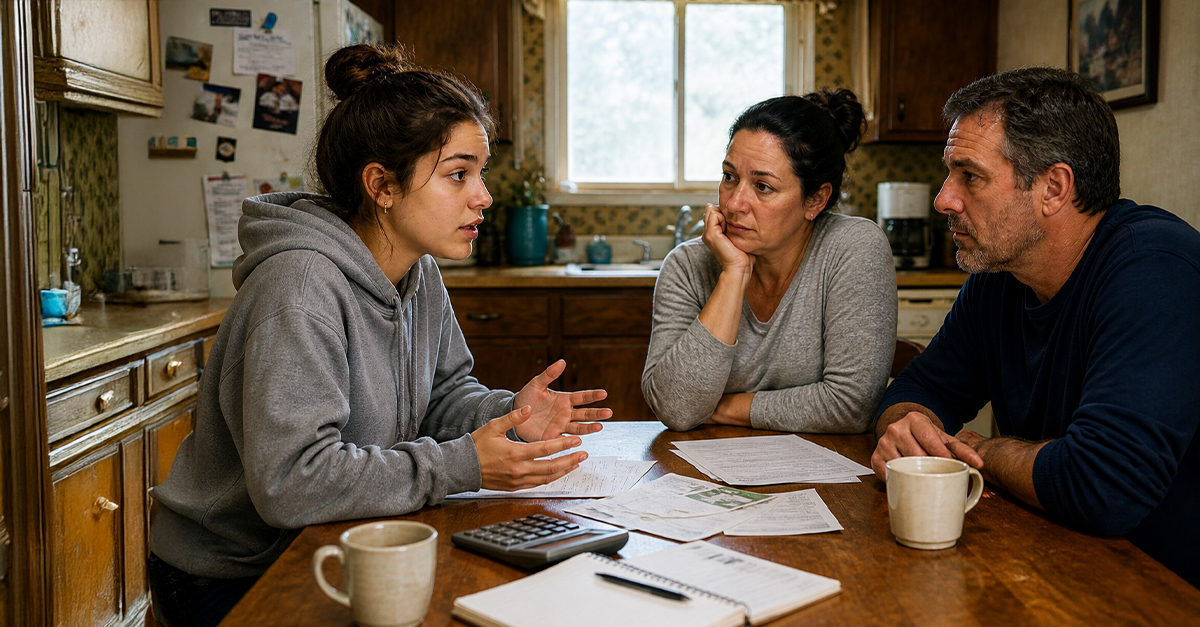
You didn’t get hacked. You didn’t have your card stolen. You sent the money yourself, because someone convinced you to. Now the bank says the charge was authorized, so there’s nothing they can do. Unfortunately, this is one of the hardest types of fraud to reverse, but “hard” doesn’t mean “impossible”.
Divorced but your ex filed taxes jointly without your consent? Learn what your rights are, how to fix an unauthorized joint tax return, and when to apply for Innocent Spouse Relief.
Making $150,000 and worried you’ll owe the IRS everything because you missed the “safe harbor” rule? Here’s what high earners need to know about underpayment penalties, estimated taxes, and how to fix mistakes fast.
Worried that turning 50 means the IRS will start taxing your 401(k)? Learn the real rules about 401(k) taxes, early withdrawal penalties, catch-up contributions, and when retirement income is actually taxed.
Florida's most popular retirement cities are getting crowded and expensive. But a quieter shift is happening in smaller towns across the state, and realtors are paying close attention to all of them.
Cleaning up your finances feels productive. You pay off a credit card, stop using it, and decide it’s time to close it. Logical, right? Not always. That old card you never touch could quietly be helping you more than you realize.
Even if a spouse didn't work or pay into Social Security, they are still entitled to collect up to 50% of the level that their spouse collects: here's how.
Most people assume small cash deposits are invisible to the government. They're not. A pattern of modest deposits can set off a federal investigation, freeze your account, and in some cases, cost you everything, without a single criminal charge.
Moving money between accounts feels simple until a hold appears on funds already yours. Federal banking regulations require financial institutions to monitor large transactions regardless of ownership. Anti-money laundering laws created this reality for everyone.